For most people, Transylvania is a stereotype… a fictional place of horror. Driven by vampire lore and mystery appeal, Transylvania has become Romania’s most popular region for travellers. But legends aside, it is a real place… where you can spend hours at a time … or even days (as we are)… without seeing a vampire or a werewolf. It is actually a magical land of abundant castles, medieval bastions and old-world villages with unique architecture. “The land beyond the forest” is the literal translation of Transylvania’s medieval name… and it is a paradise for nature and adventure seekers, the vast wilderness of the Carpathian Mountains preserves some of the last virgin forests in Europe and a simpler way of life… and are home to a huge variety of wildlife, from wolves (not werewolves) and lynxes to Europe’s largest population of brown bears – some 8000 of them, a number that has significantly increased. Buyer beware if you’re out after dusk.
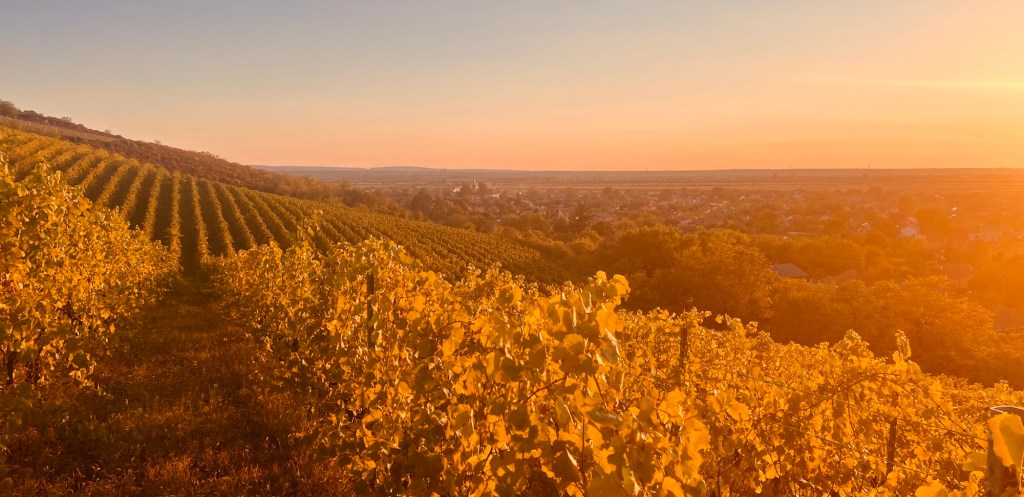
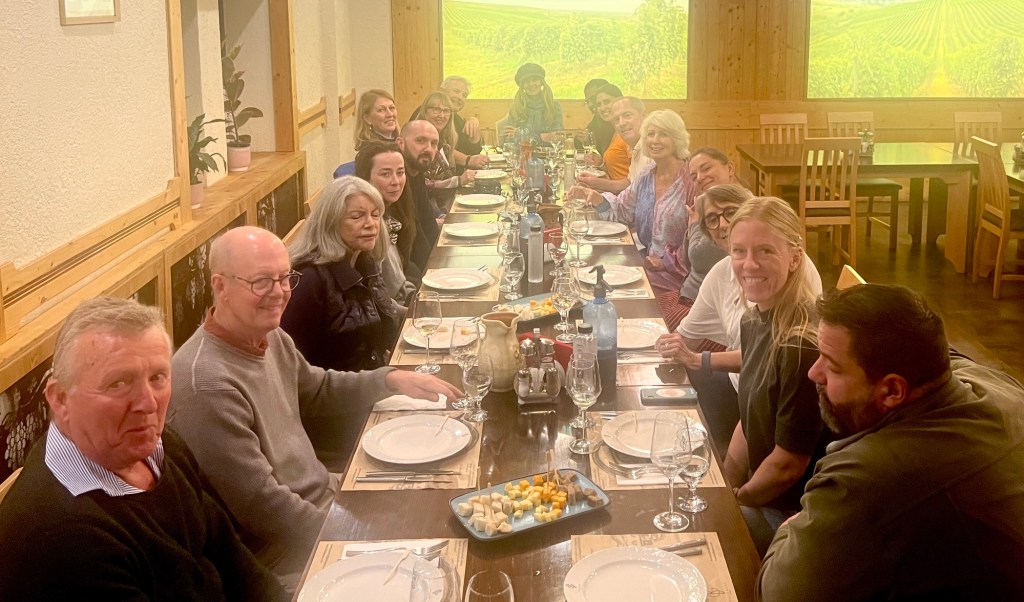
Our first night stop is at the guesthouse of the lovely Balla Géza winery for a winery tour, wine tasting and traditional Romanian dinner. Here they work to bring back legendary wines lost in the region… and the wine (mostly red) flowed… until the early hours of the morning.
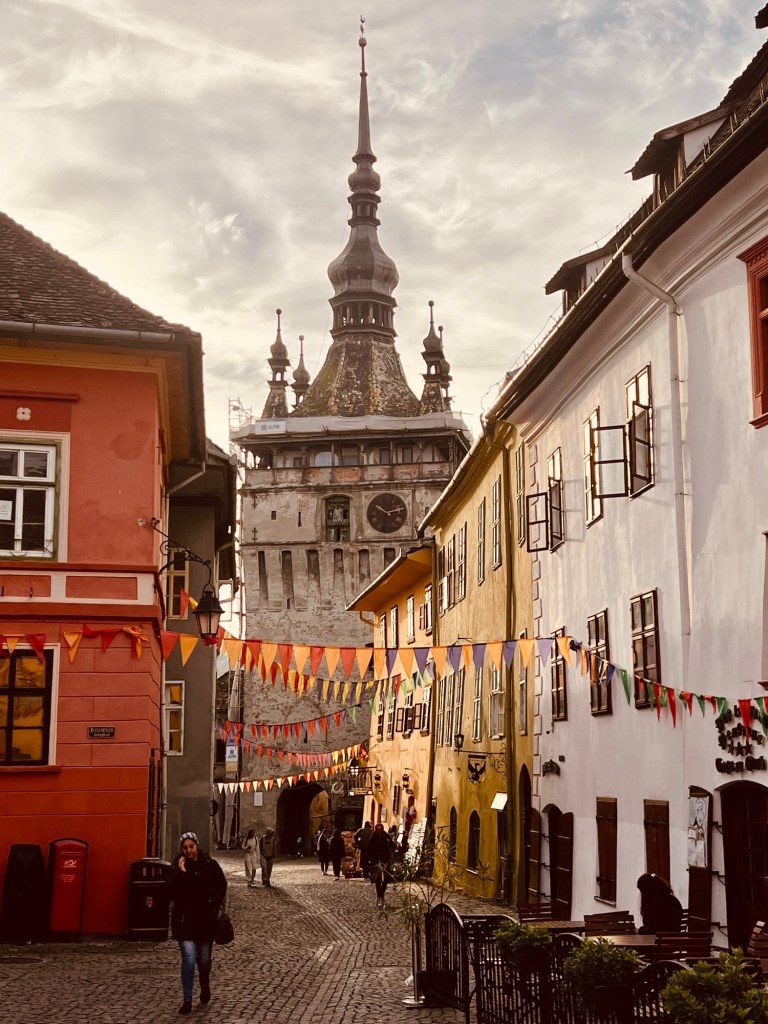
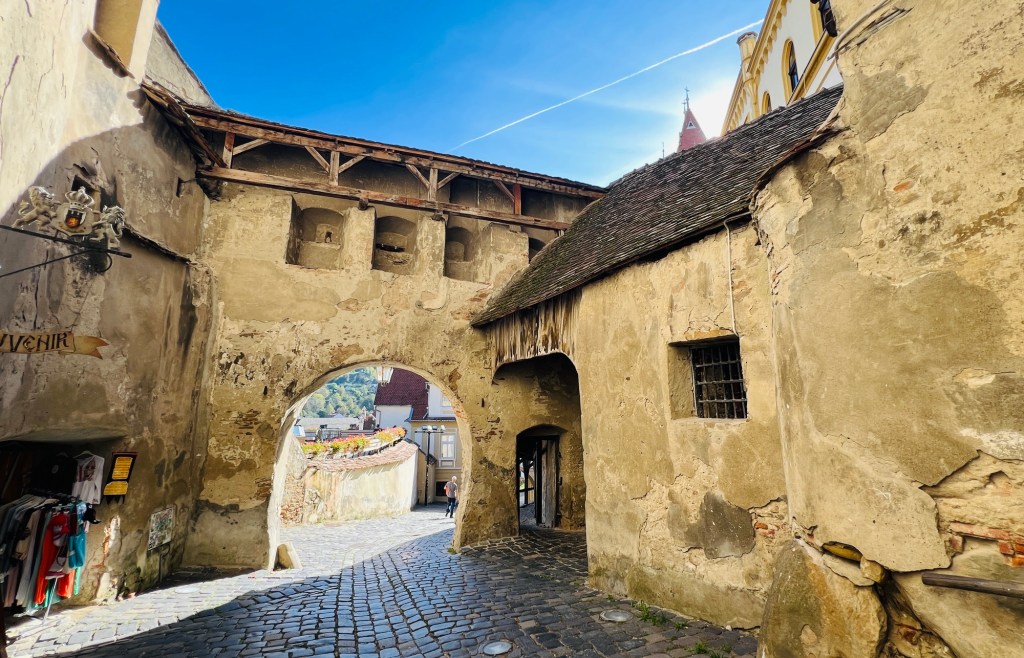
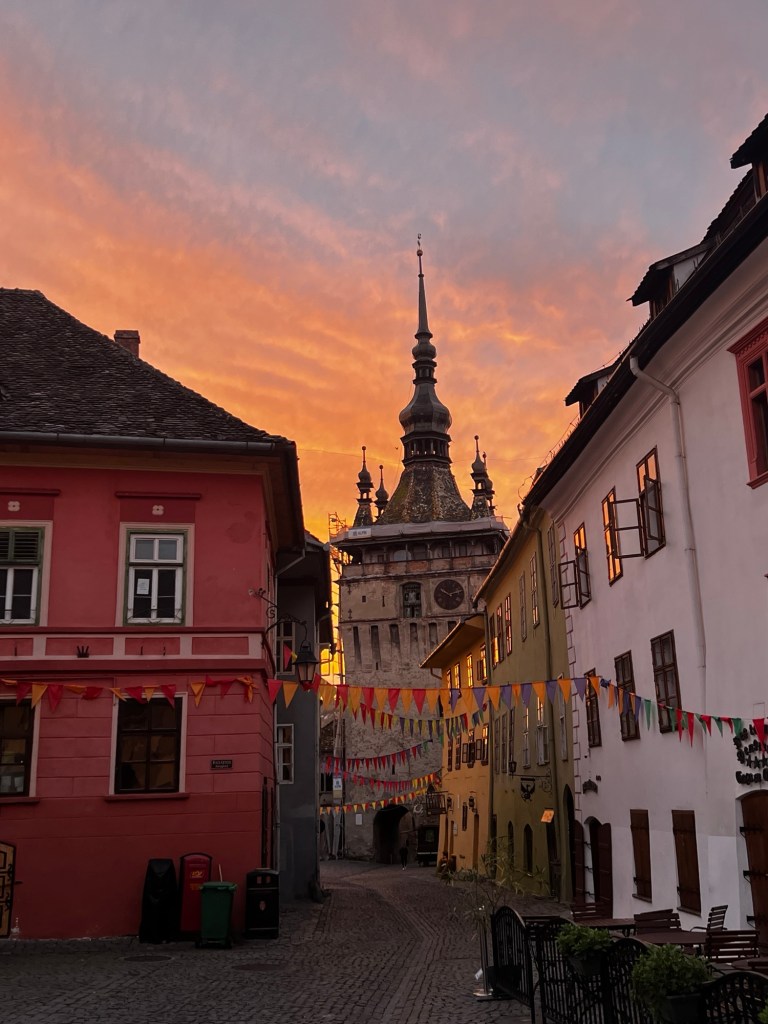
We move on to the gorgeous old town in the heart of Transylvania, Sighisoara… a UNESCO-protected town that has the distinction of being Europe’s last remaining inhabited medieval citadel. Visiting this place was like stepping back in time… straight into a fairytale filled with the most colourful well-preserved medieval houses, stone towers, steep staircases and stunning squares.
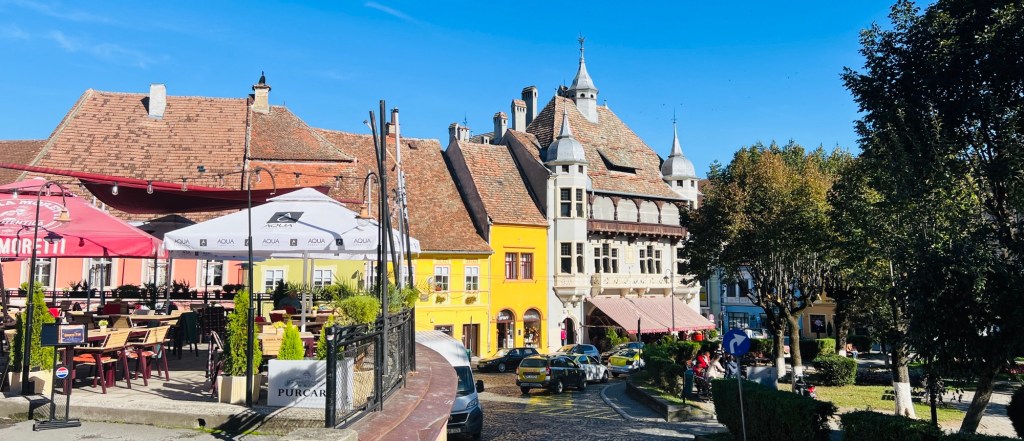
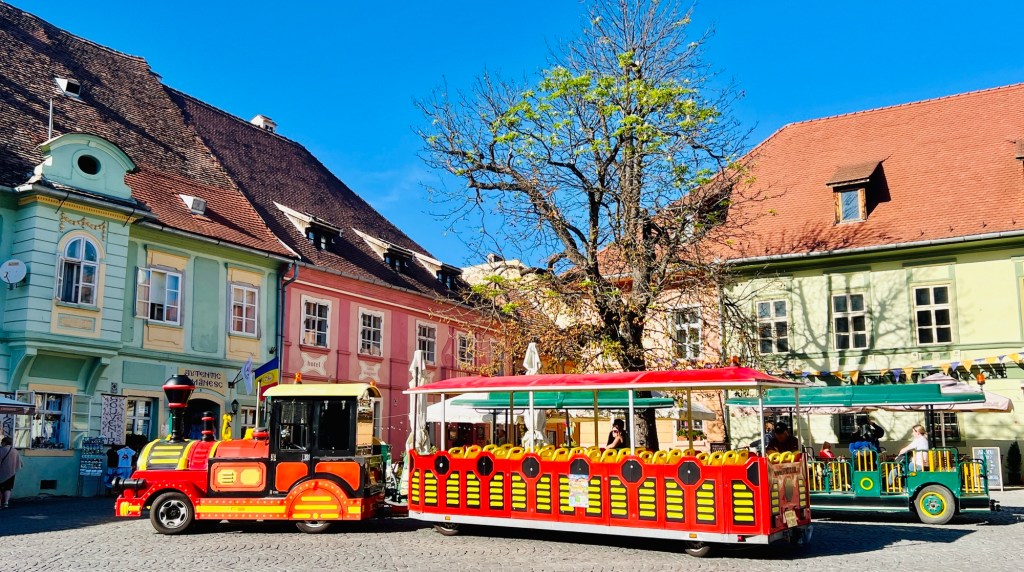

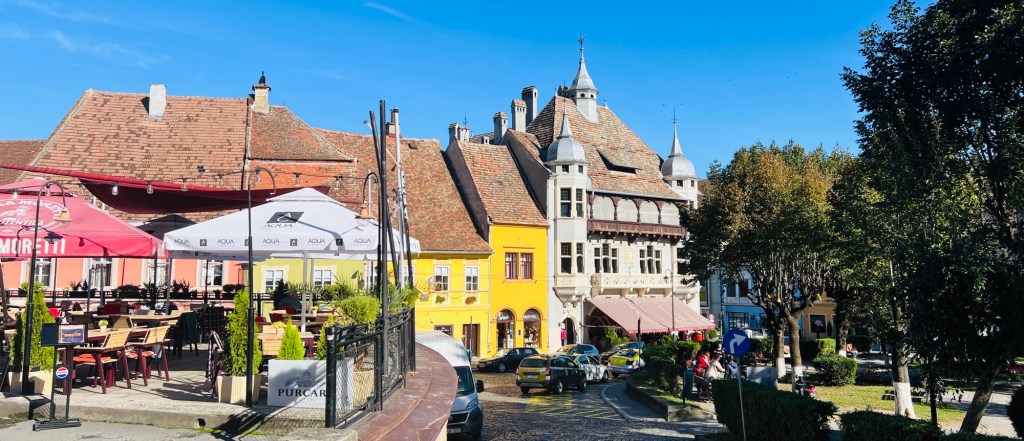
Many of the colourful burgher houses have now been turned into hotels, restaurants, cafes and souvenir shops covered in flowers and vines…
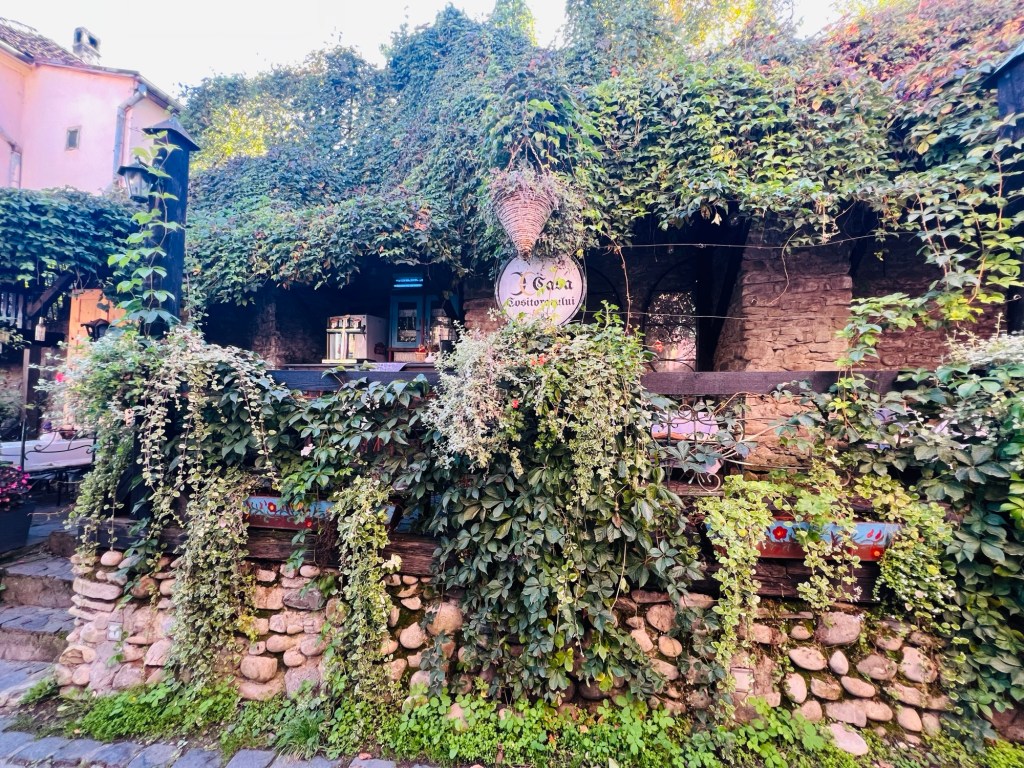
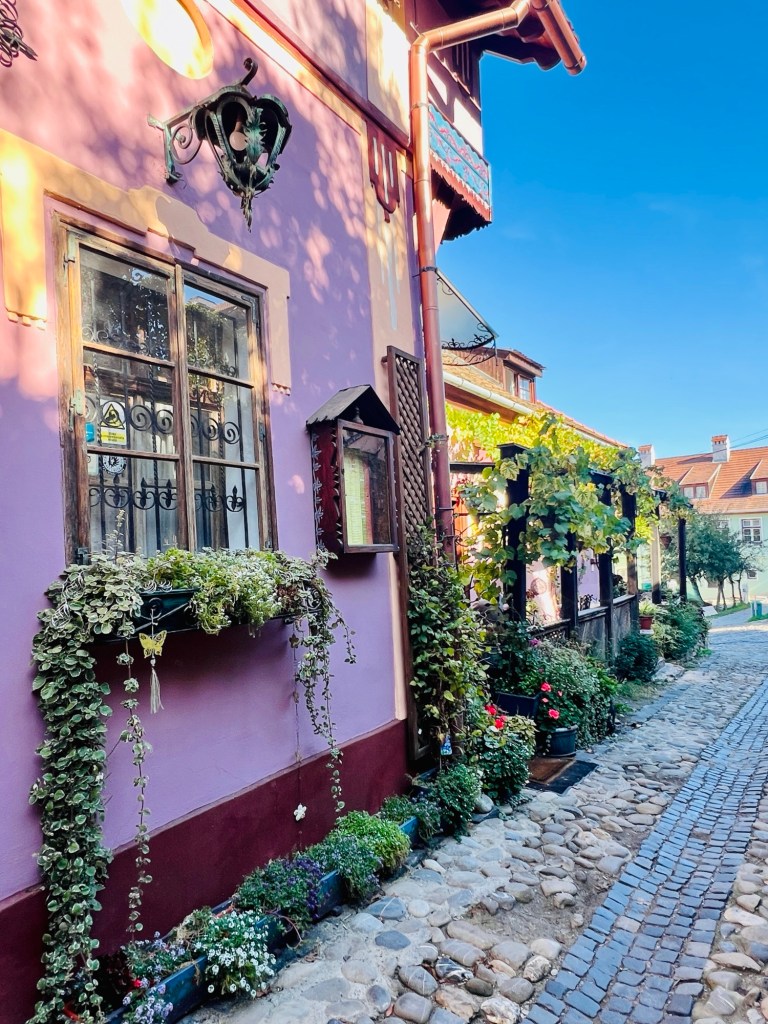


… but wandering into the smaller streets there was still many of the fairytale like houses inhabited. People actually live here and I loved just wandering the winding cobblestone streets soaking up the historic atmosphere, wishing there were places like this in Australia.

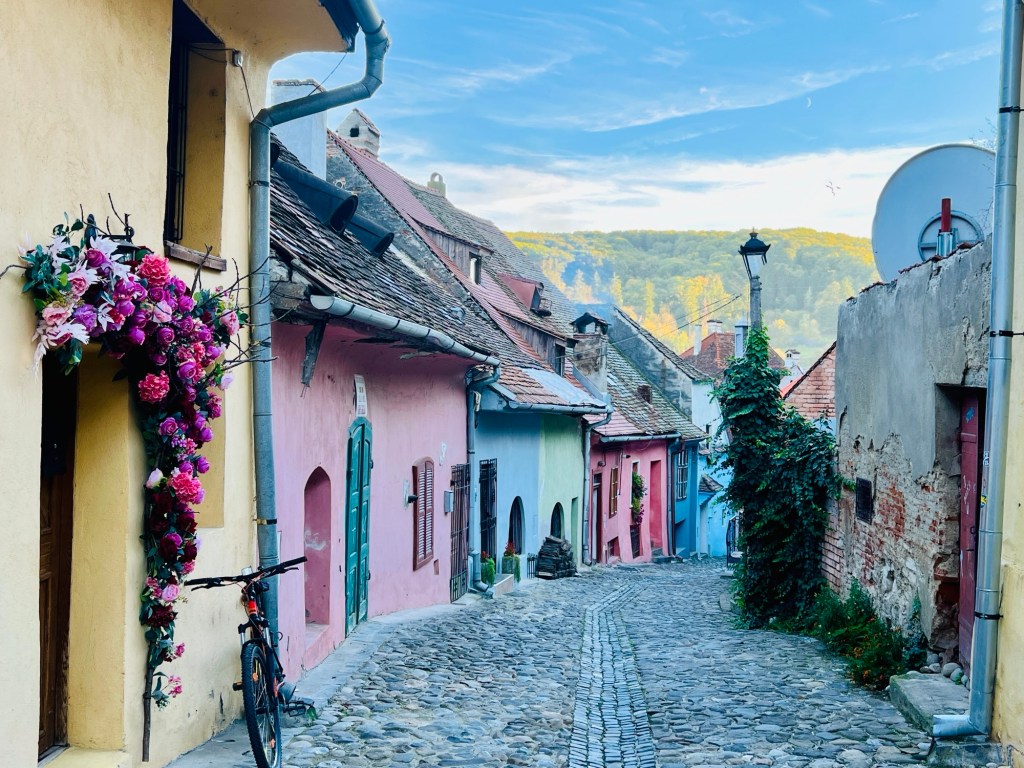

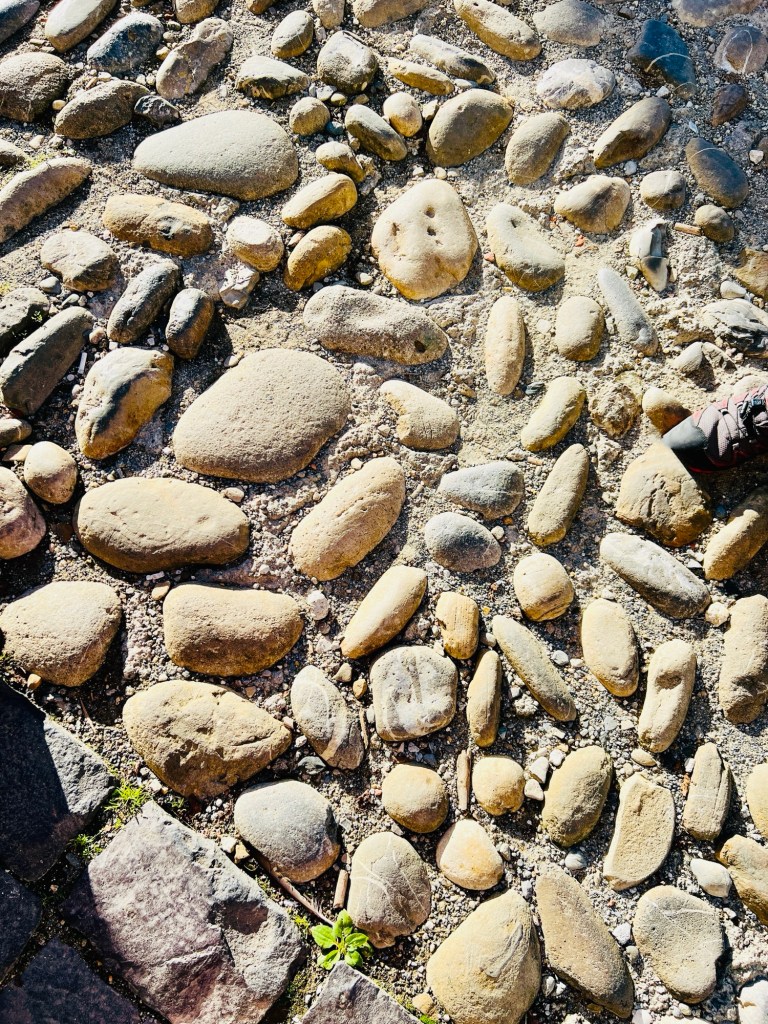
For me, there is just something about cobblestones. I know they have their difficulties but I just love them… they just create such a charming feel, and these were the most ‘cobbled’ cobblestones I have ever seen… very difficult to walk on… but still, I love them.
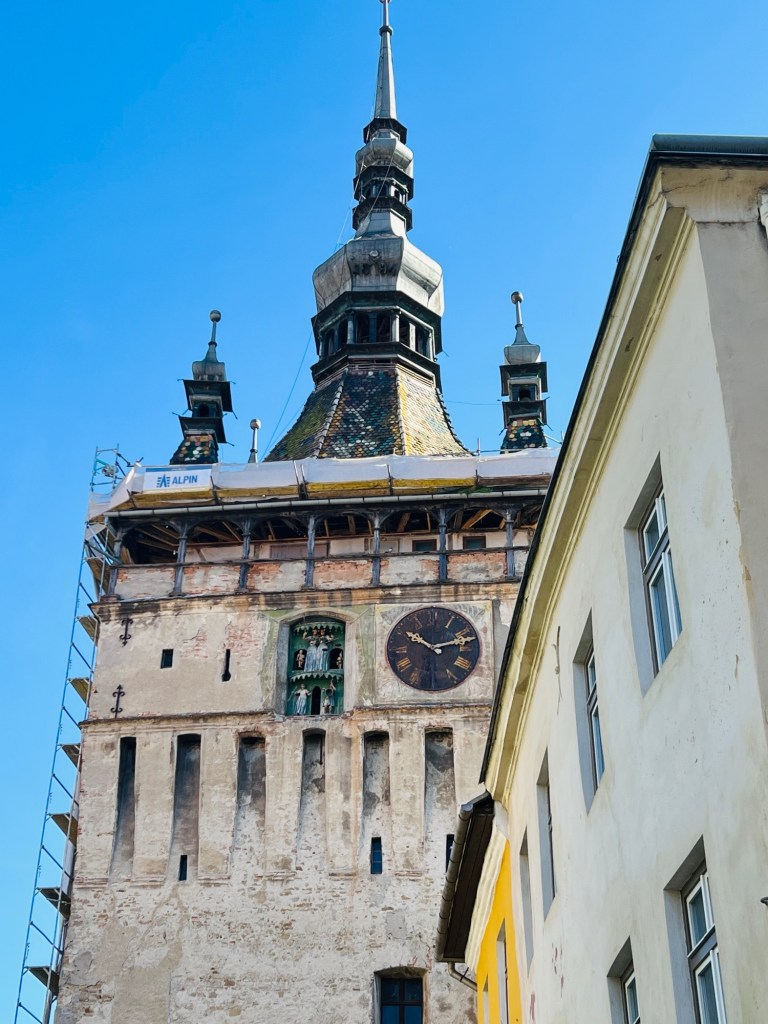
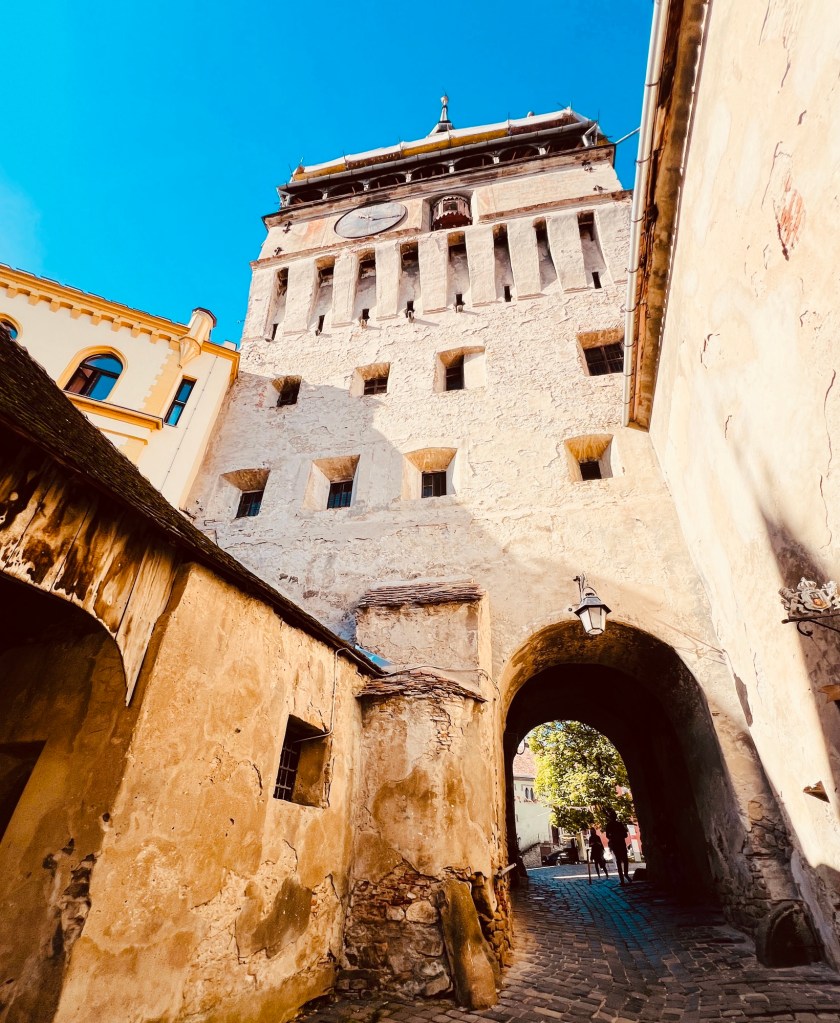
The fortified walls of the citadel are lined with the guild towers of Sighisoara… the most famous, and most stunning of which is the clock tower. You can just feel the history hanging over this part of town and I feel a little of my ‘travel crazy’ coming on as I run around clicking away on my iphone.

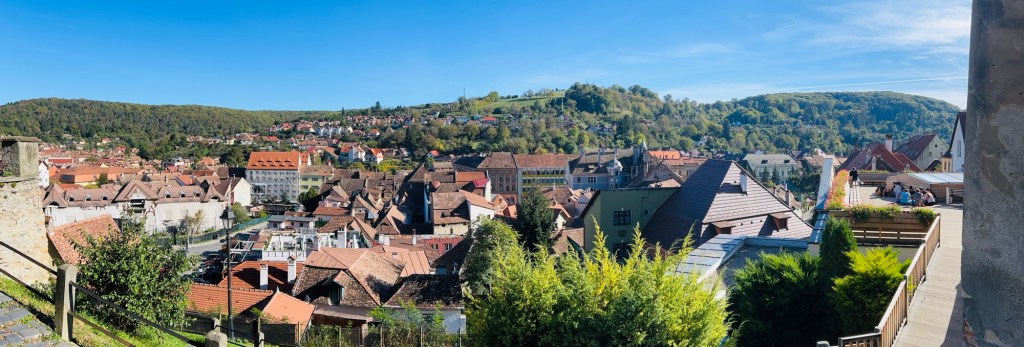
There are also some spectacular views… beautiful red roofs as far as the eyes can see, surrounded by hills of green.
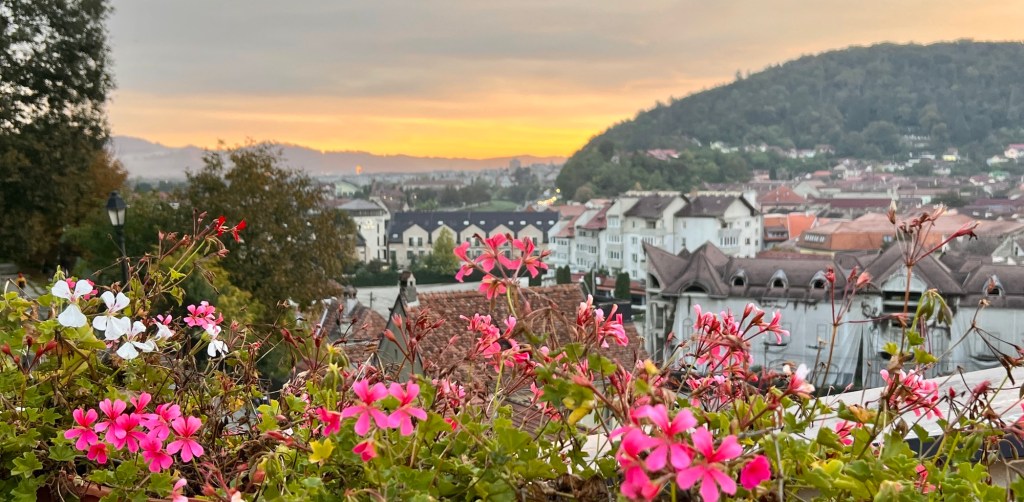
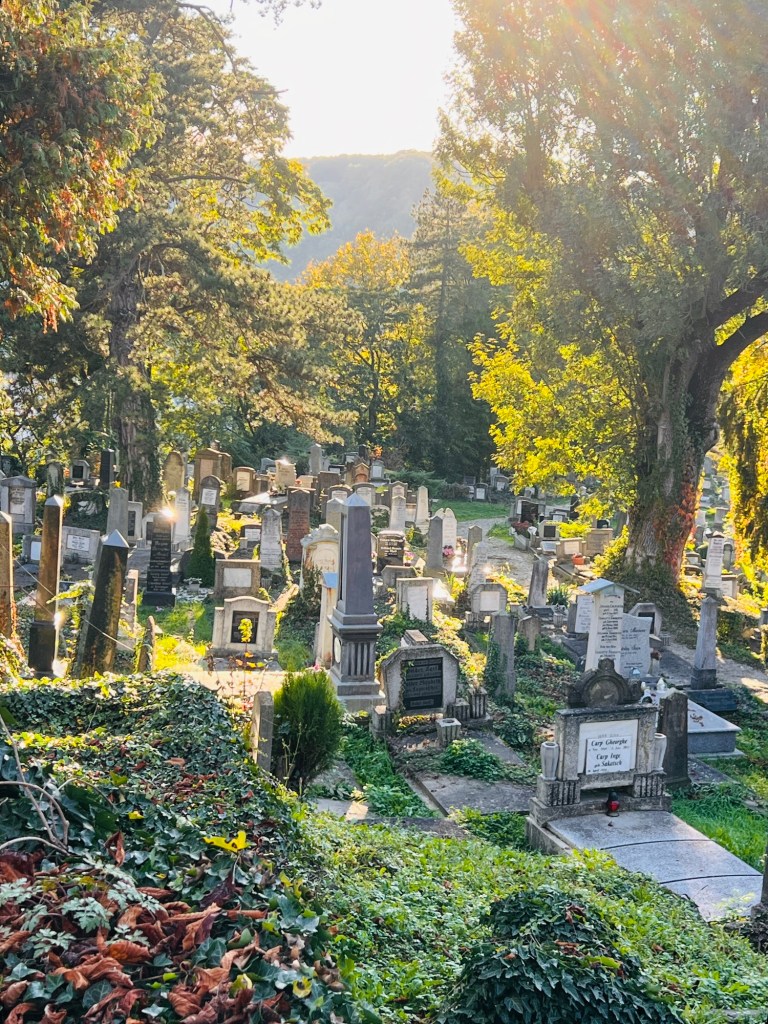
And a beautiful cemetery connected to the Gothic church on the hill.

Lurking behind the gingerbread roofs and turrets of this gorgeous old town is the history of Vlad Ţepeş, the bloodthirsty, 15th-century Wallachian prince. He was allegedly born in Sighisoara, in a house that is still visitable… although most of it has been converted into a touristic restaurant. Ţepeş is best remembered as Vlad the Impaler, or Dracula, fuelling a local industry of vampire-themed souvenirs… everywhere you look. More on that later.

I really loved this place and didn’t feel ready to move on but there is a schedule to follow. So off we go the next morning… touring the surrounding countryside with its rolling hills, to visit some medieval villages, with their authentic Saxon houses wonderfully restored in bright colours…

… and get a true sense of life in this less visited region. Here horses and carts are still the norm, traditional crafts are still practiced and the smell of wood smoke wafts through the crisp morning air.
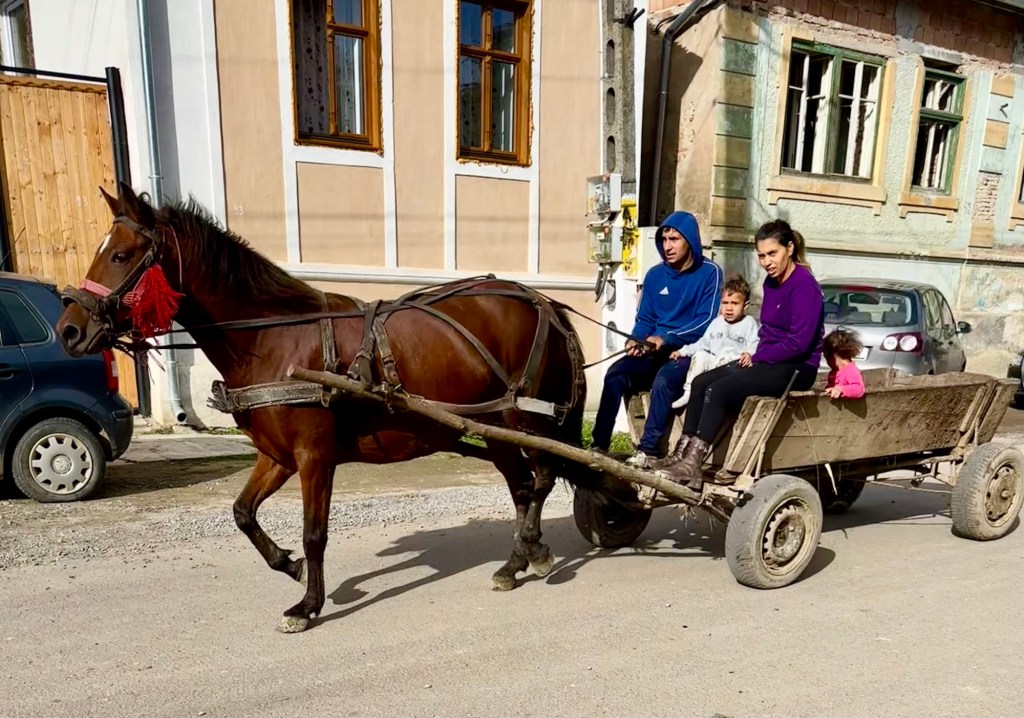
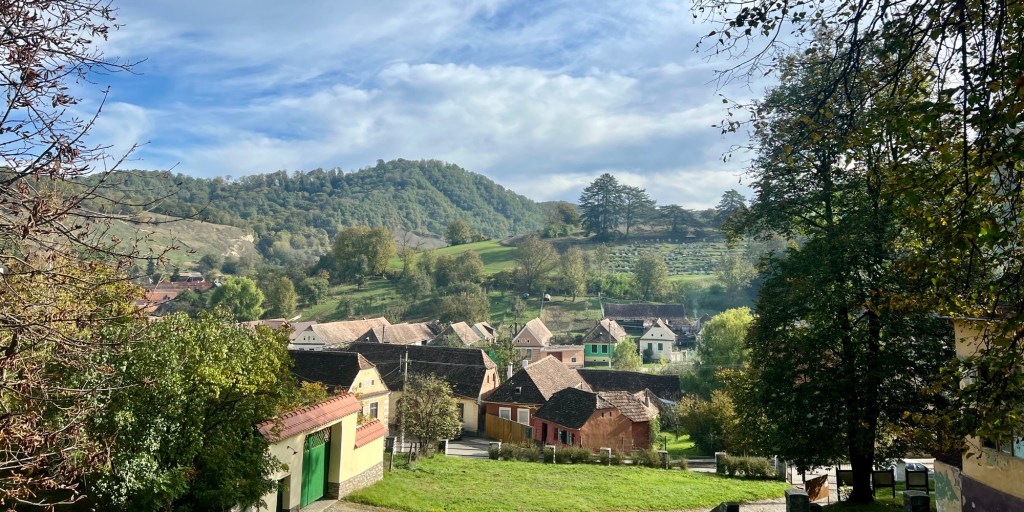
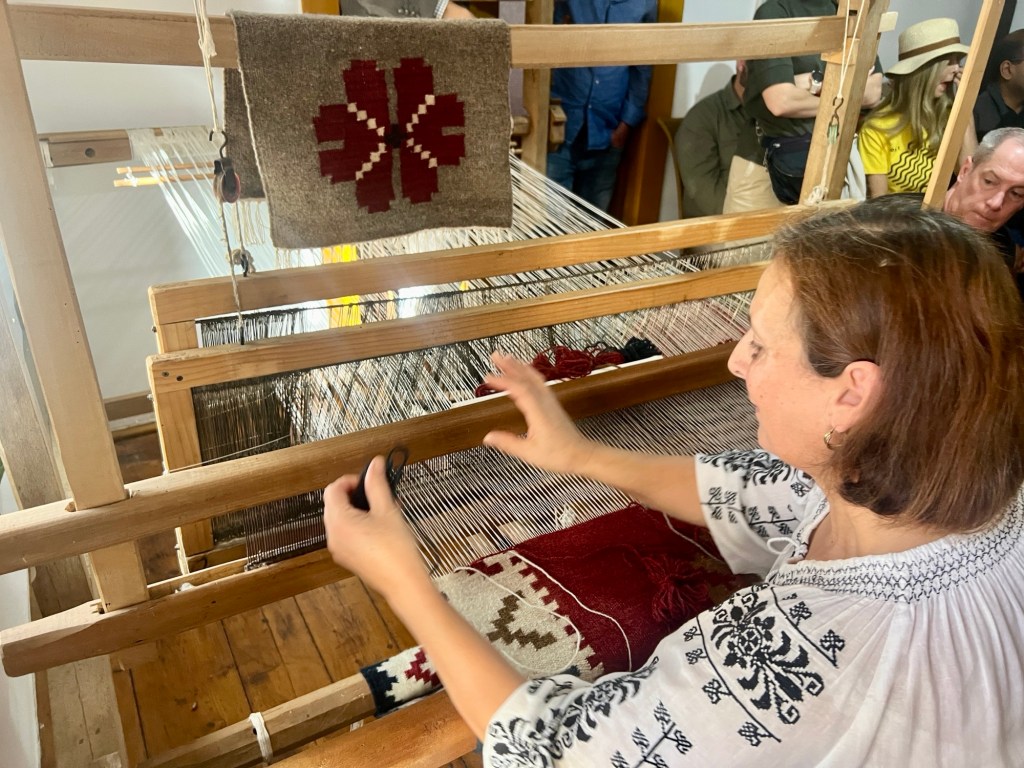
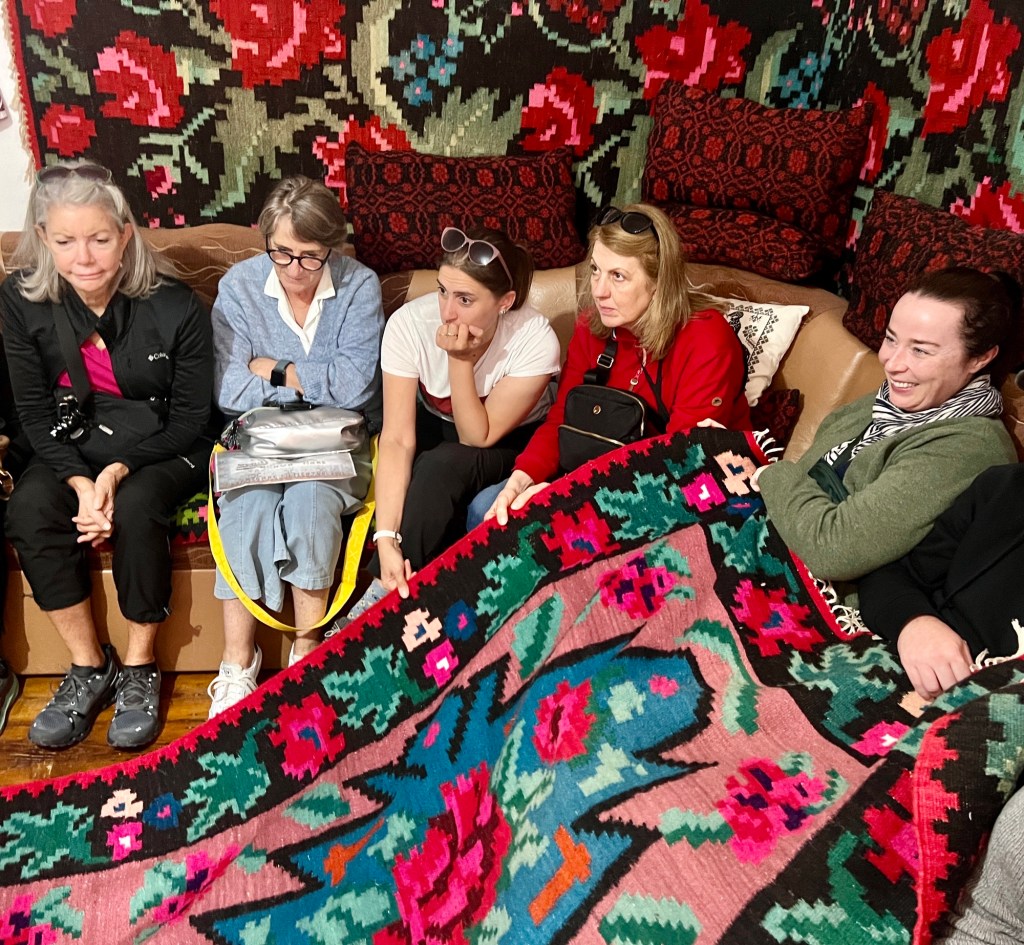
Life seems so idyllic and we have a discussion about “progress” and whether it is really progress at all. In Mâlâncrav, we stop to watch a traditional rug maker, weave her magic with wools all dyed with natural dyes made from beets, mint, grapes, walnuts, red onions and stinging nettles.
Here we also visit a fortified church with fascinating 14th century frescoes decorating the walls and a unique altar… all obviously dearly loved and cherished by the village.
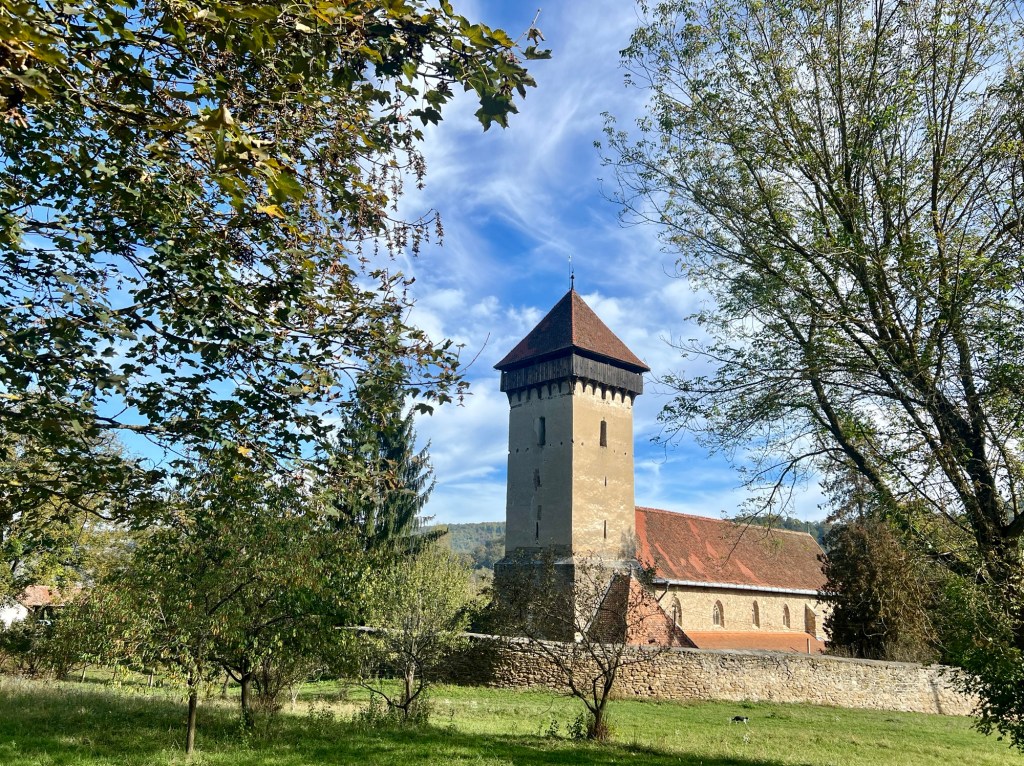
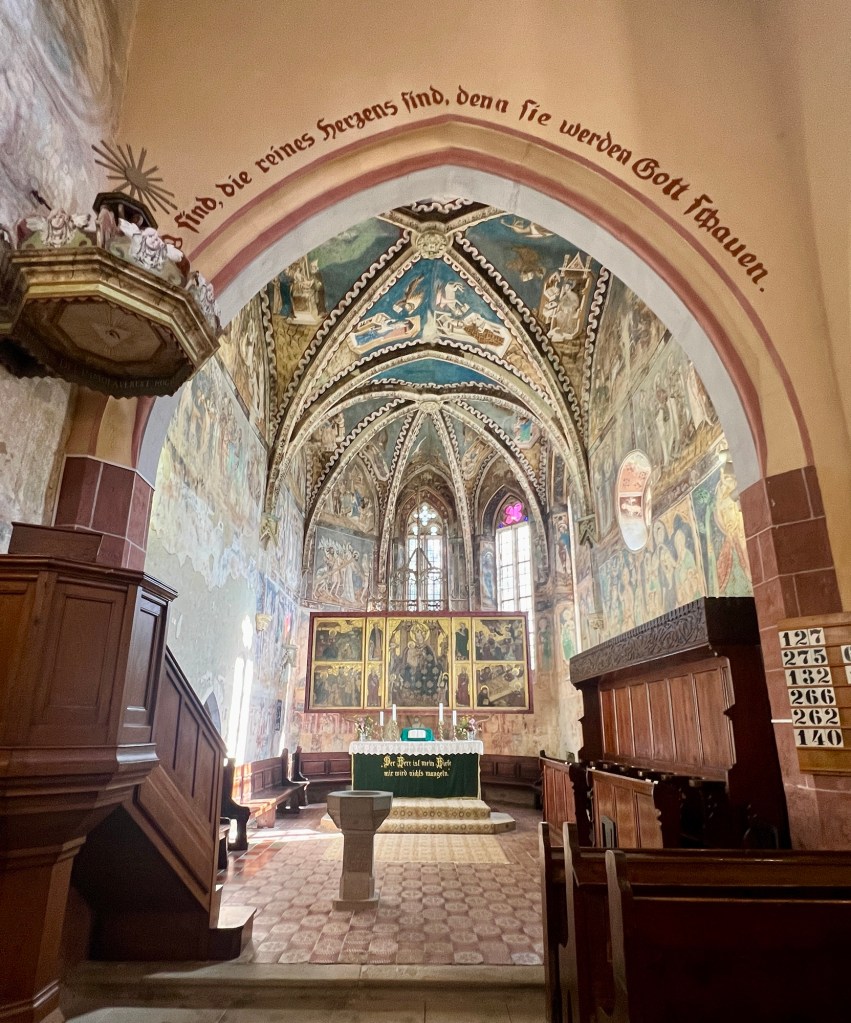
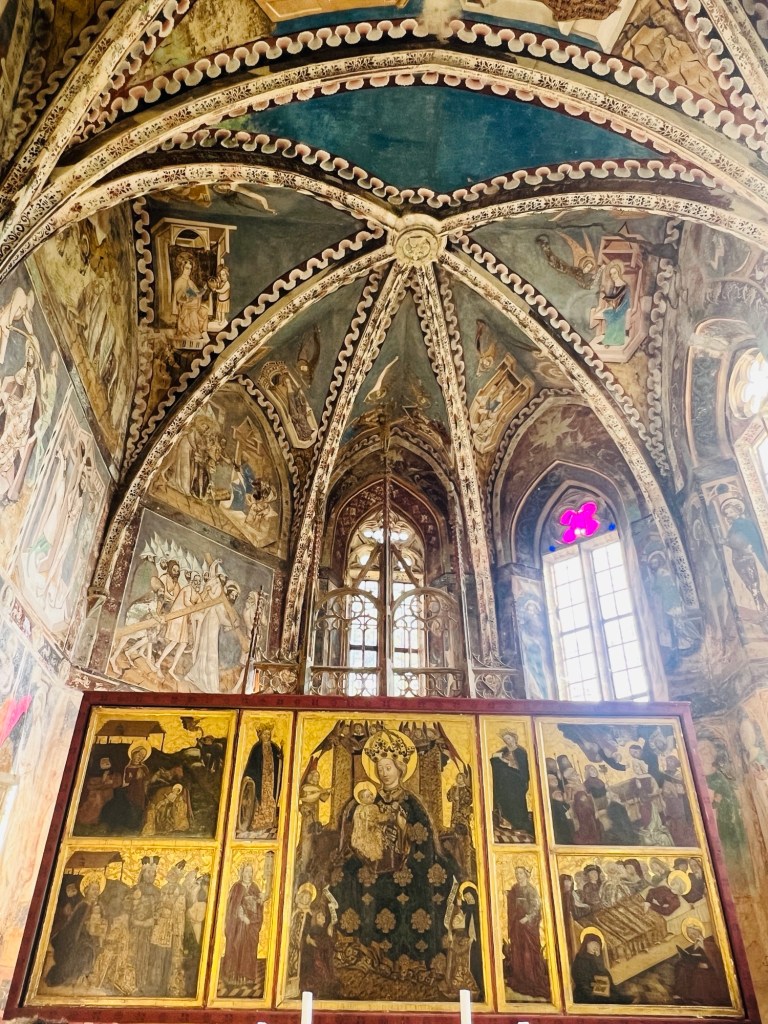

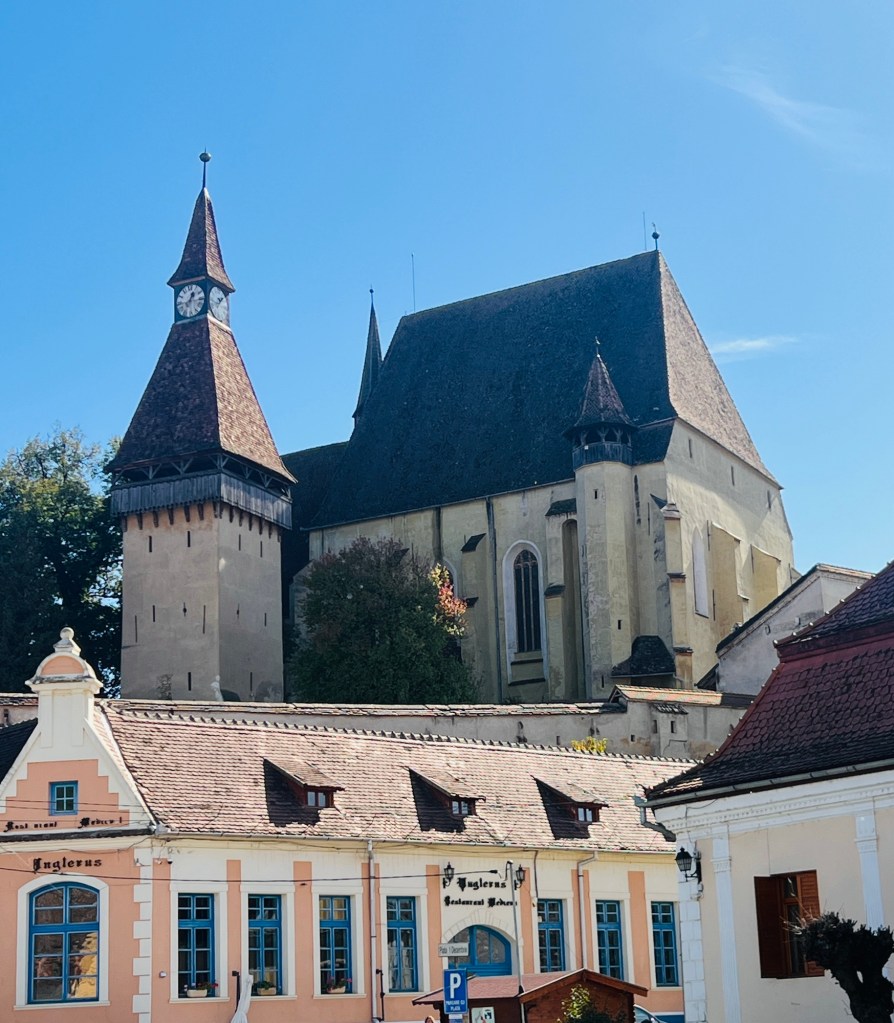
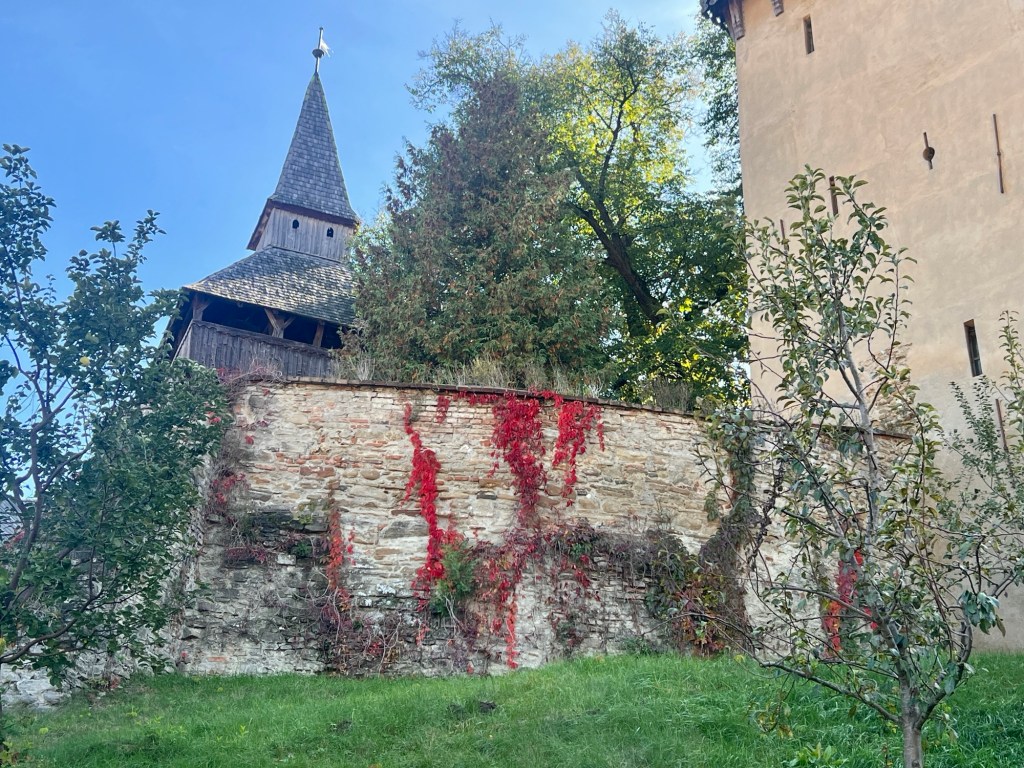
We move onto another fortified church… one with a UNESCO listing. Biertan’s late-Gothic church, ringed by concentric walls and flanked by towers, is among the largest and most impressive in Transylvania (although it’s often the smaller ones that I love the most). The triple-naved church has superbly preserved Renaissance artwork, an intricately carved pulpit and mosaiced door.

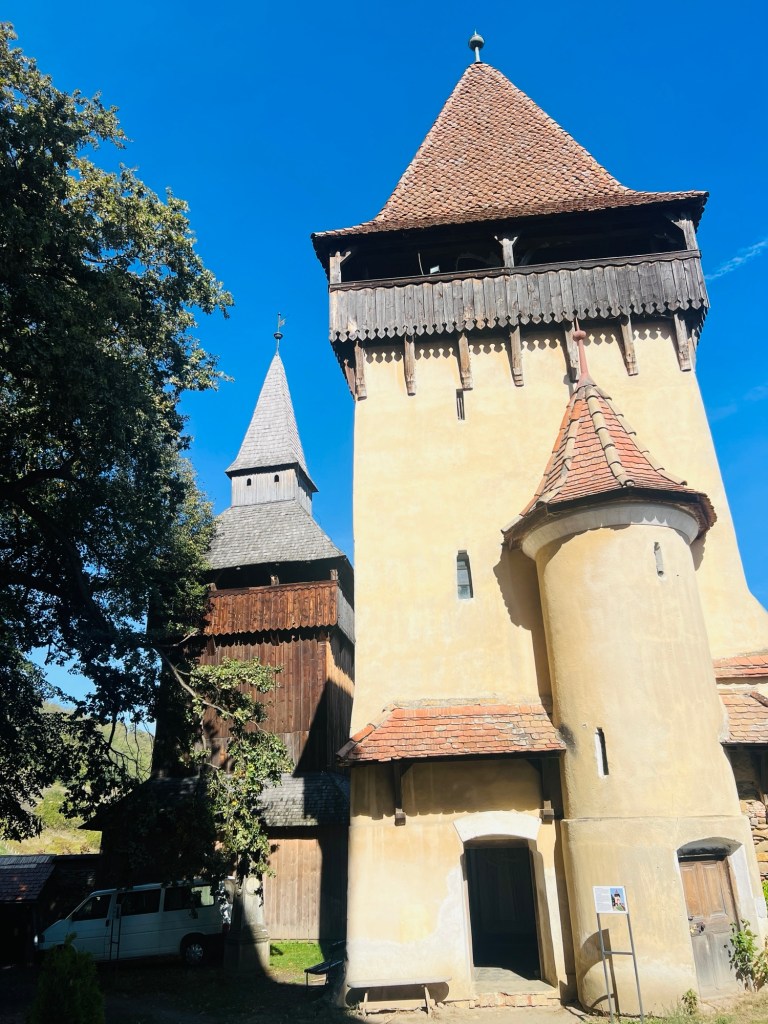
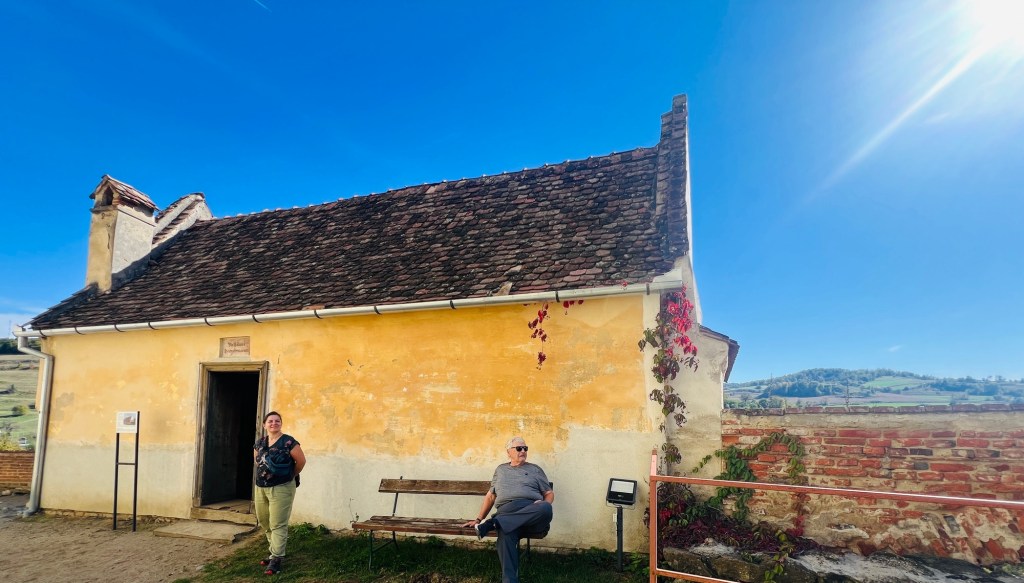
Inside the grounds are many buildings, but the interesting/amusing one was a small bastion, which is famous in local lore: couples wanting a divorce were supposedly locked in here for two weeks as a last attempt to resolve differences. There was only one bed, one table and one set of cutlery. The method has been so successful that stories claim that only one couple decided to go through with divorce in more than 300 years.
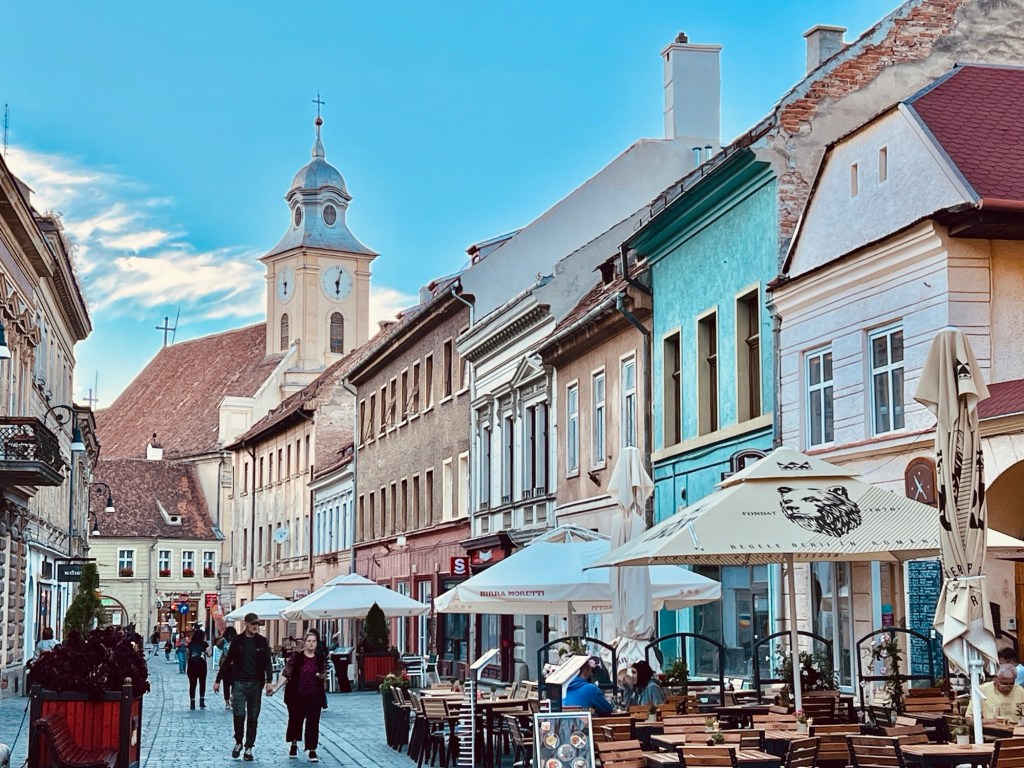
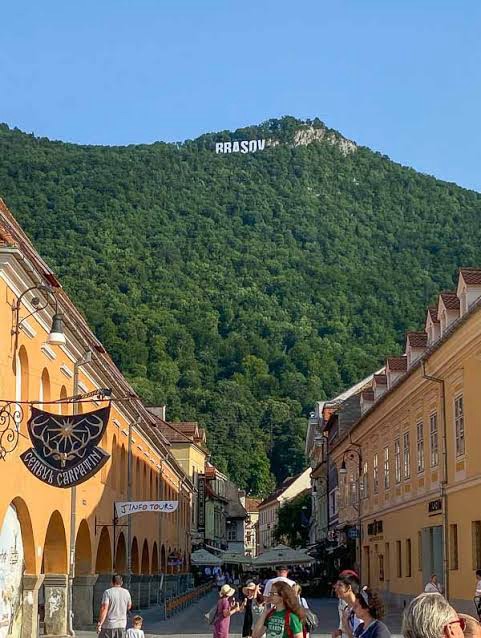
The next couple of days and nights are centered around one of the best-preserved fortress towns, Brasov… picture-perfect with its tall Gothic spires, medieval gateways and watchtowers, baroque buildings and churches, cobbled streets and alleys and orange-hued rooftops.
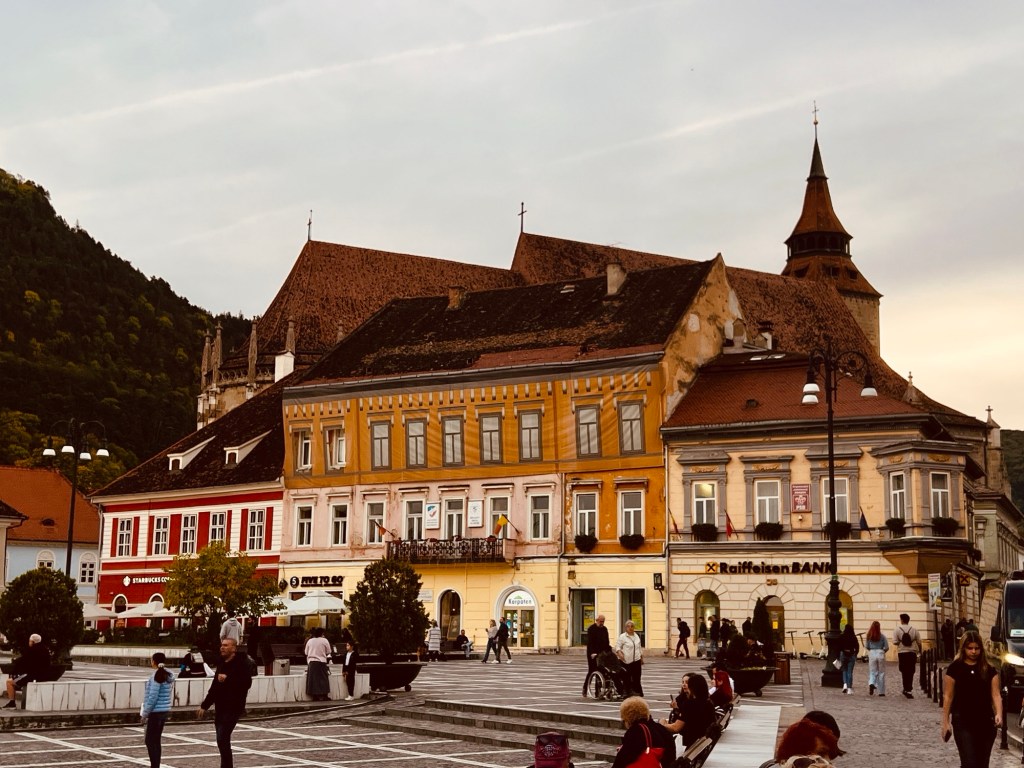
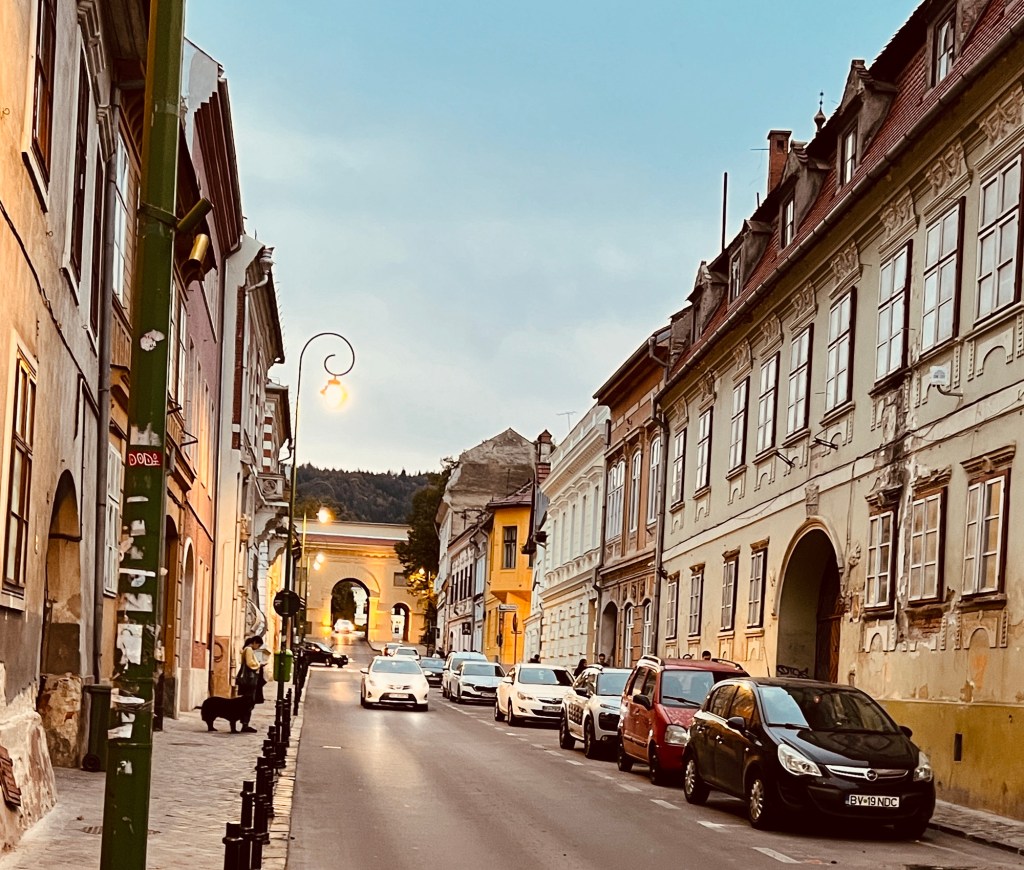

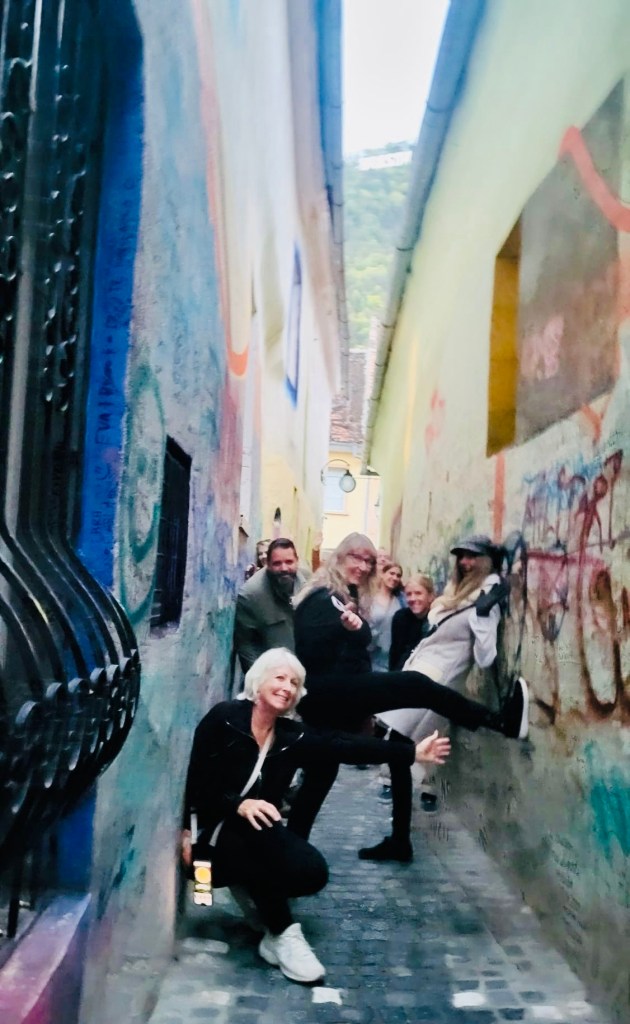
Bustling cafes and restaurants line the main square where we enjoy local wine, food and the delicious Romanian dessert specialty Papanasi… and good company. There’s certainly a medieval charm here although, for me, Sighisoara is a hard act to follow. I always seem to prefer the smaller towns over the larger…
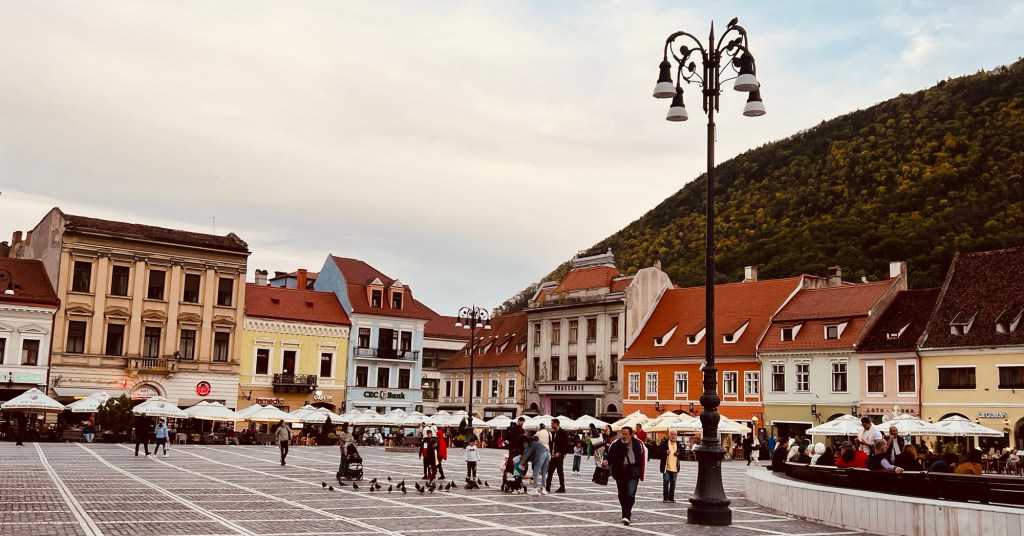
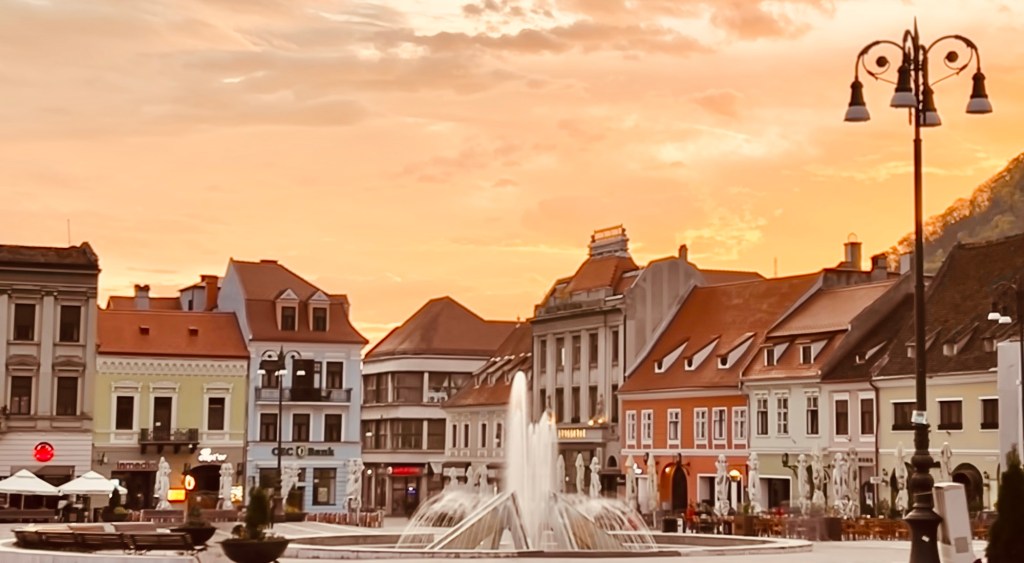
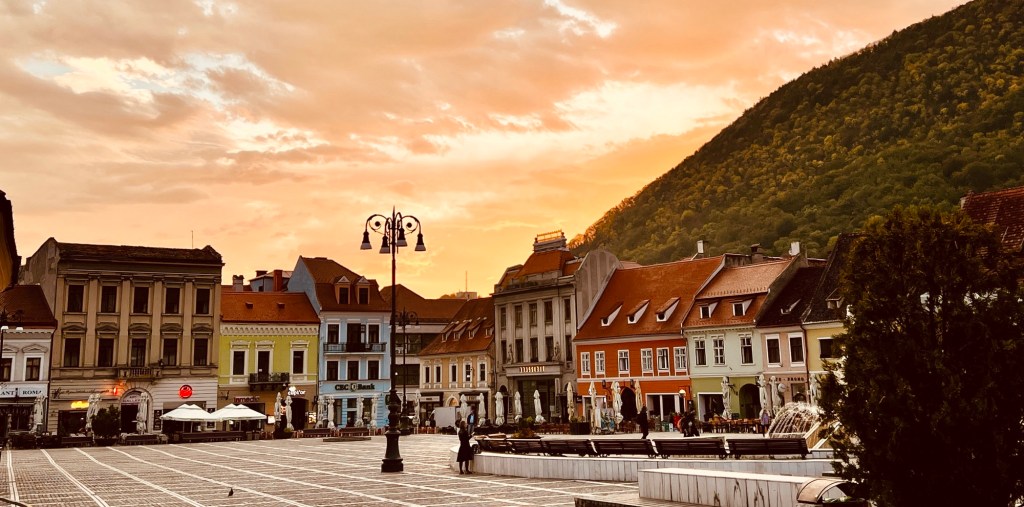
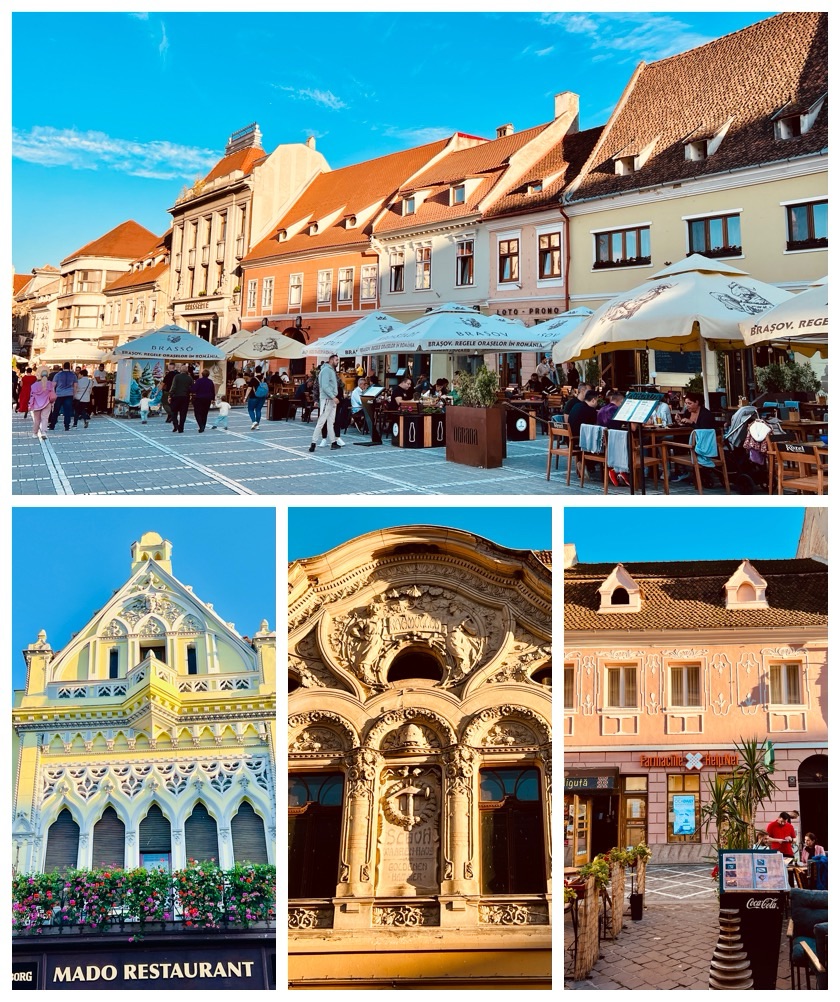
There’s a weirdly Hollywoodesque sign sporting ‘Braşov’ in huge white letters on the forested backdrop of Mt Tâmpa just so there’s no mistake about where you are. Just why…?
We take the cable car to the top for sweeping views over the nearby mountains and the city below…
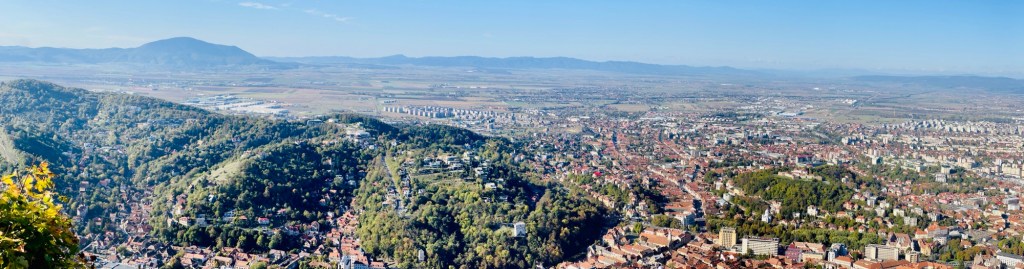
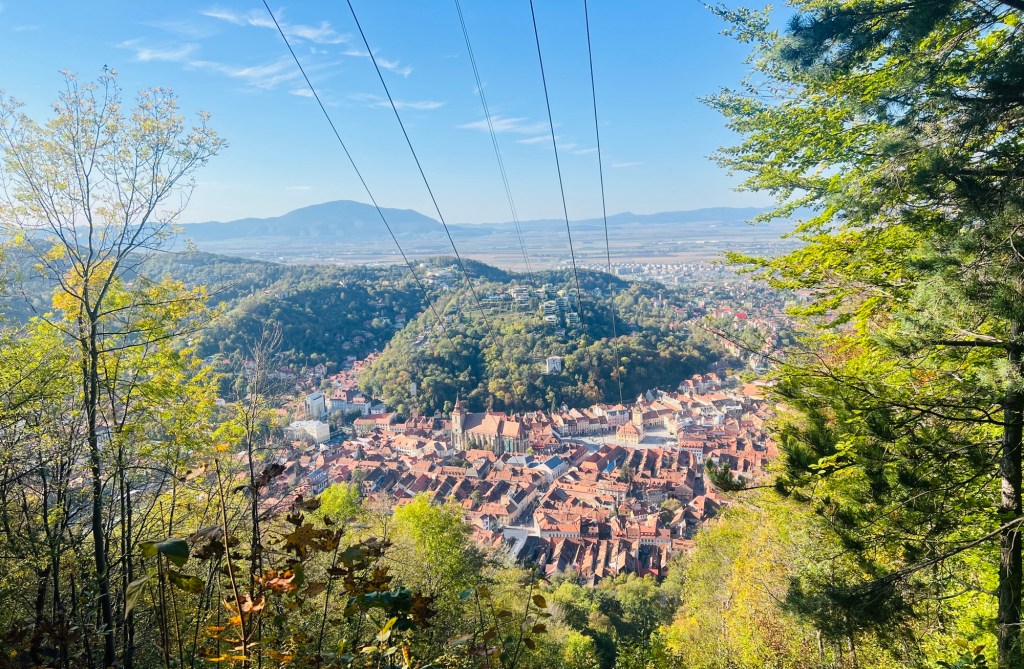

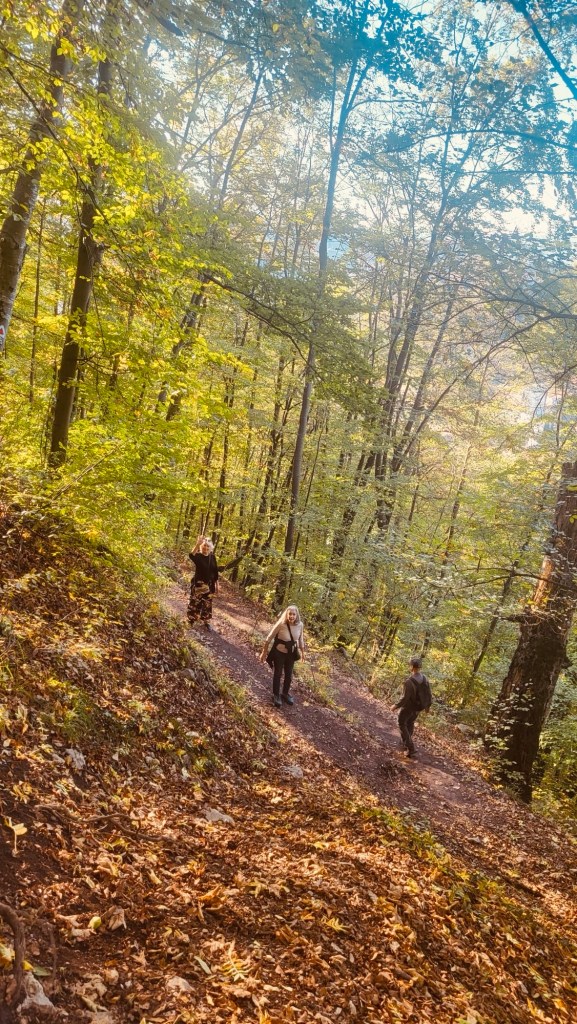
… and then take the long, narrow, rocky, slippery walk with lots of switchbacks… and a bit of scrambling, back down to town… really lovely shaded beneath the cover of the forest canopy, and much-needed after many hours sitting on buses.
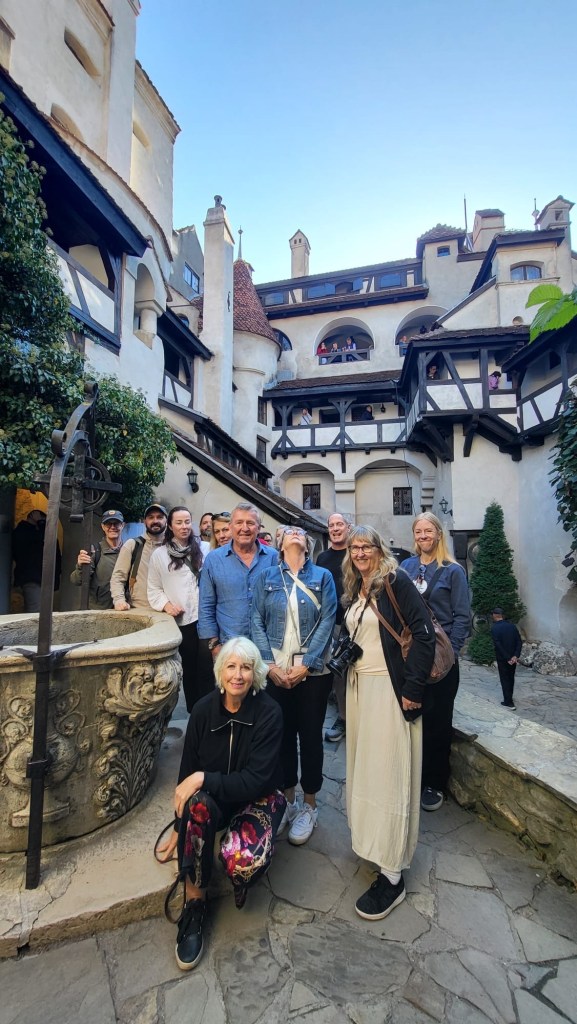
We visit the close by town of Bran where you find the picturesque Bran castle (also known as Dracula’s castle), impressively situated on a rock outcrop…

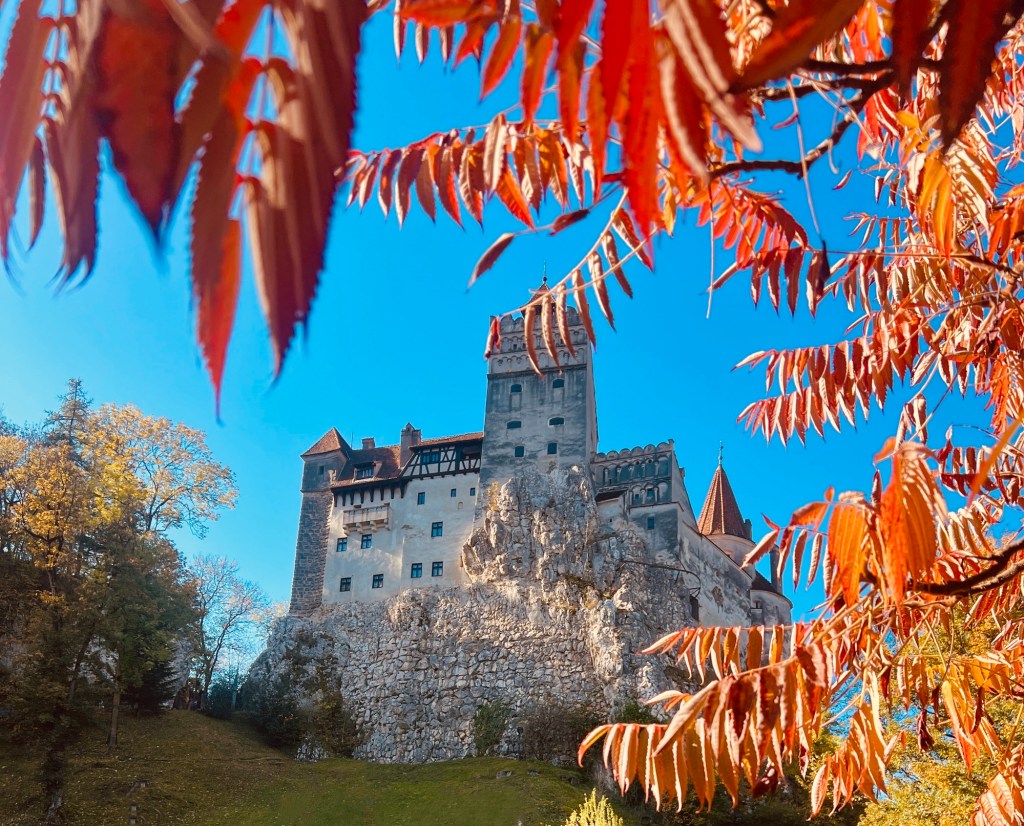
… the most visited attraction in Romania… due to a tenuous link with Dracula. I have never understood the general attraction to horror (isn’t there enough horror in our world without looking for more) or specifically to Dracula but obviously many people don’t agree with me as apparently there have been 431 movies made based on the book by Bram Stoker. And the Dracula angle clearly serves as a good marketing hook for tourism in Romania… it’s admittedly quite fun although even after our tour with an amazing and amusing guide… I am no closer to understanding the link.
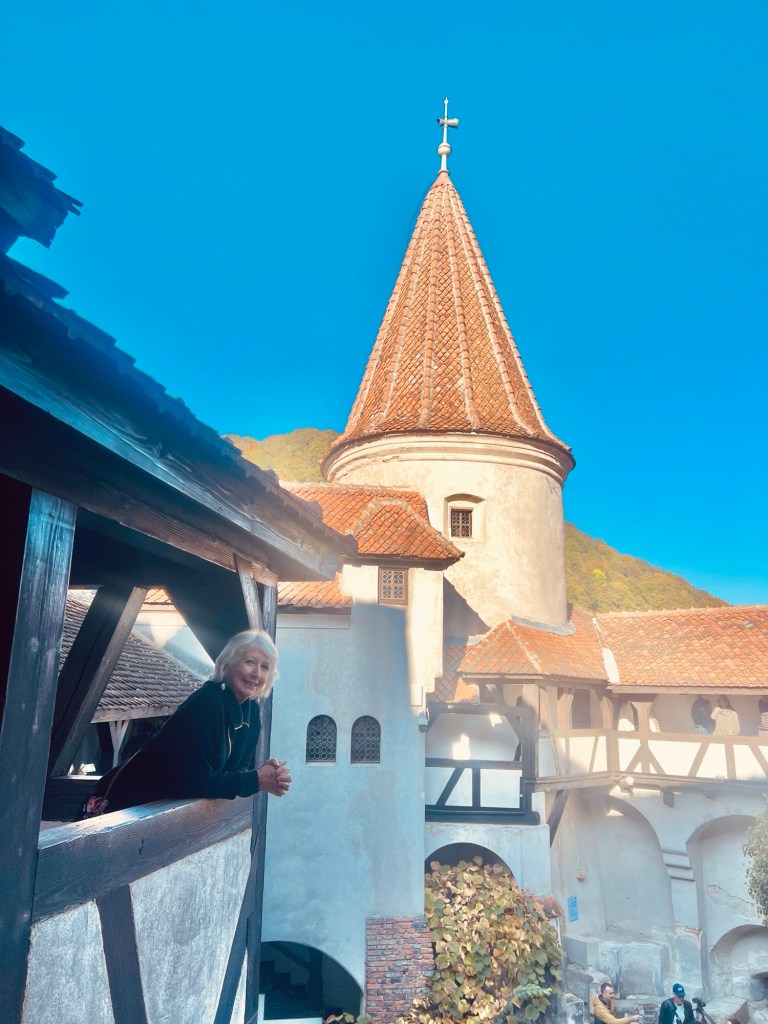
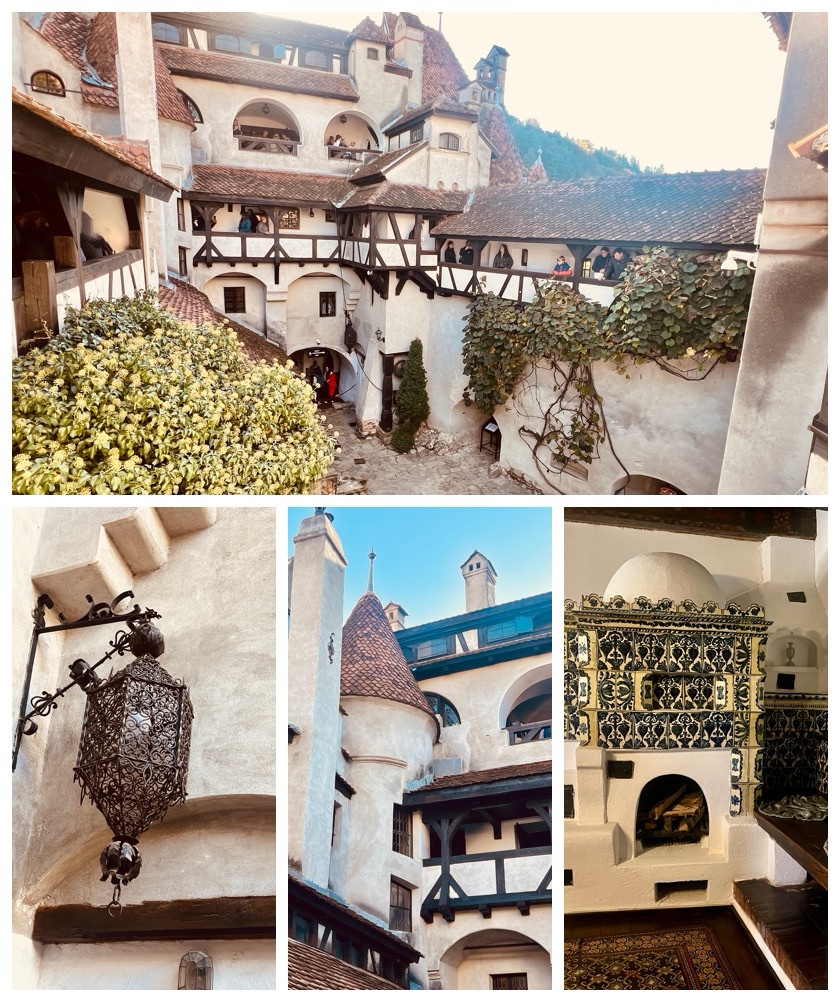
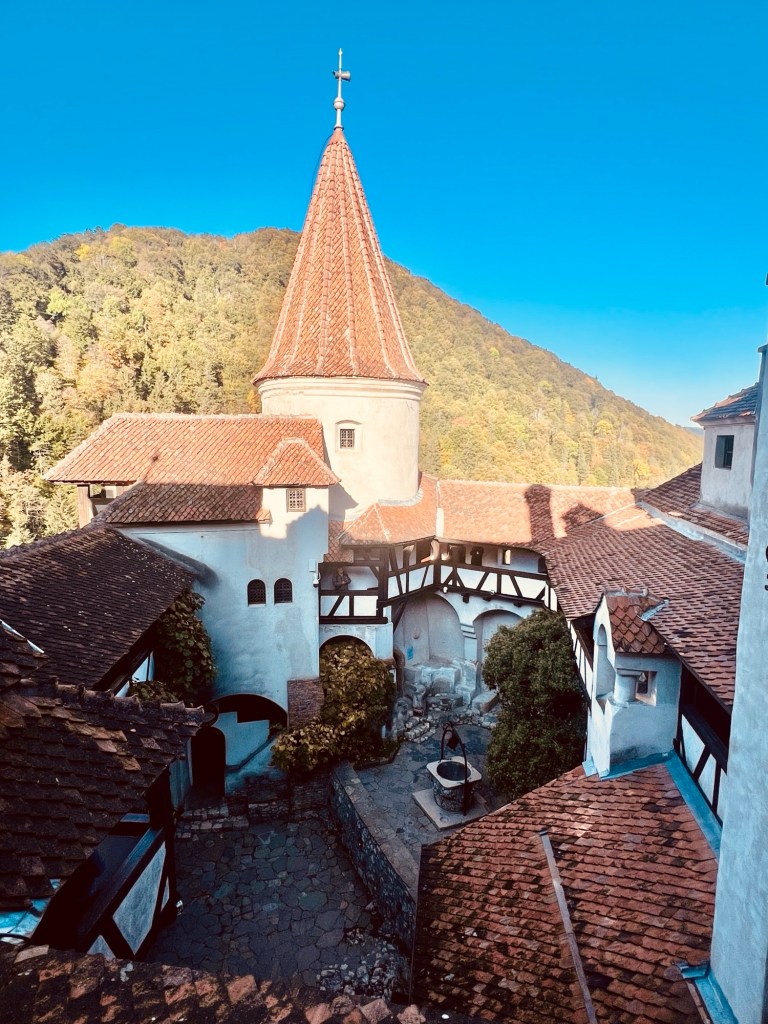
Dracula aside, Bran Castle is quite small with many tight corridors; I’m told it gets awfully clogged up with visitors in the August high season, but as we were pretty much first through the doors, I really loved exploring the castle in the offseason. It is actually very rustic and beautiful with its imposing towers and turrets, secret passages and winding stairways.
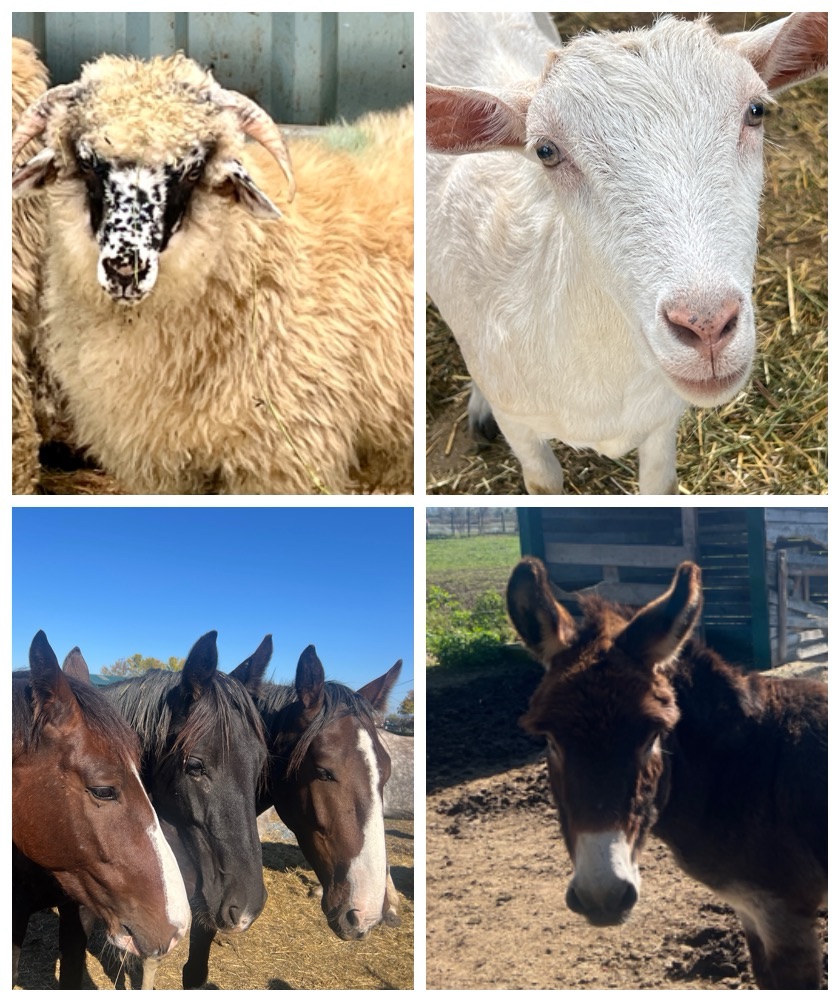
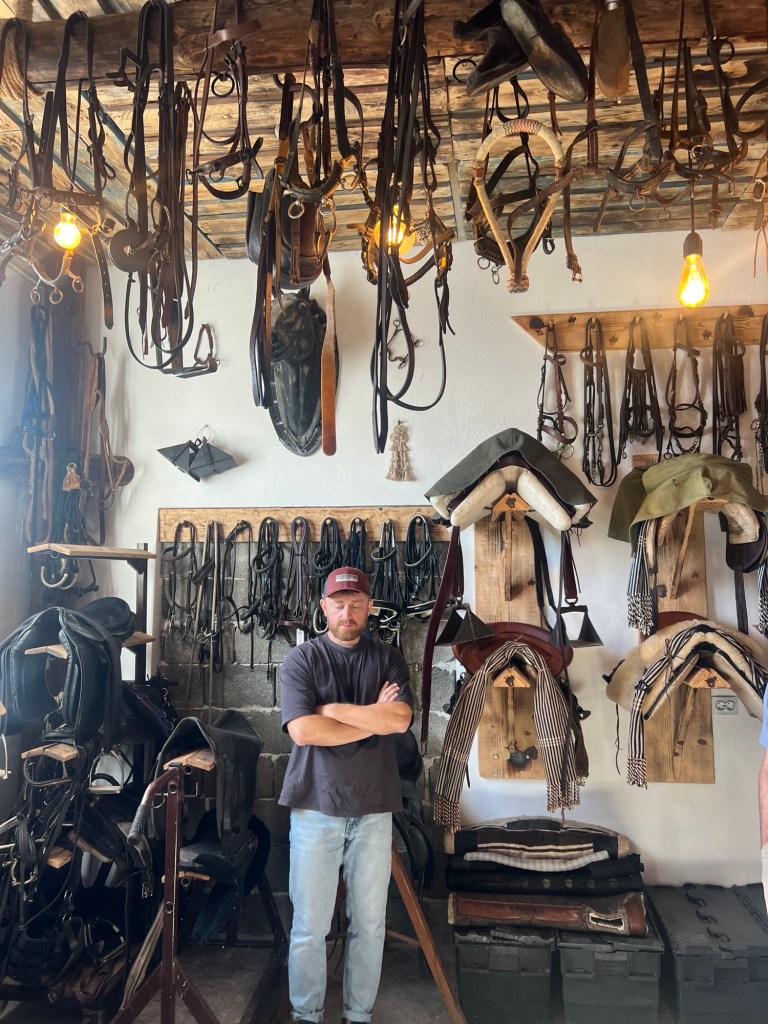
We visit a traditional Romanian farm… Catean in Rotbav, worked by the same family for six generations. Run by three big thinking, well educated innovative brothers with a passion for what they do, the farm produces products of excellent quality using traditional recipes.


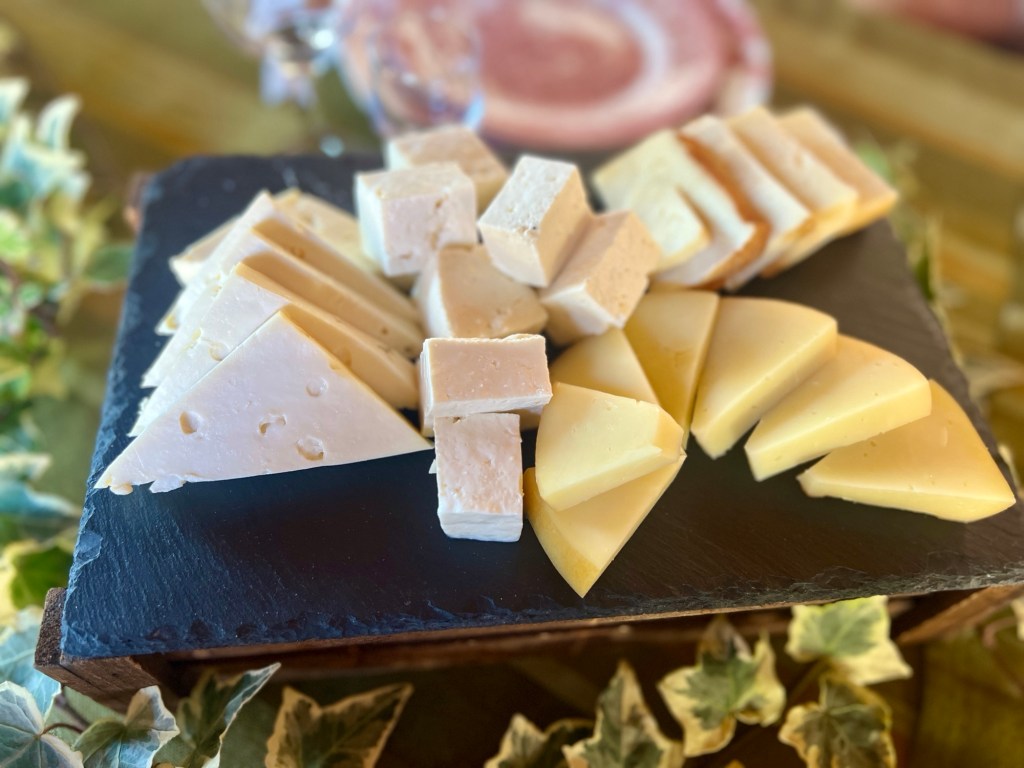
After our farm tour we savoured the flavors of their locally crafted cheese and indulged in a delicious homemade lunch, including wine and the dreaded palinca (Romania’s traditional fruit spirit)… a truly authentic and memorable experience and a fitting end to our Transylvanian journey.

 And I think to myself what a wonderful world