We took a day trip from Paris to fulfil another of my dreams… to an ethereal and exquisitely staged garden in the French-Norman countryside. With the scent of roses wafting in the air, Monet’s garden is one of the world’s most beautiful and popular gardens. For Monet, flowers were his brushstrokes. And I felt as if I’d stepped into a work of art… a utopian Impressionist painting… and I never wanted to leave. How could this beauty be one persons garden?
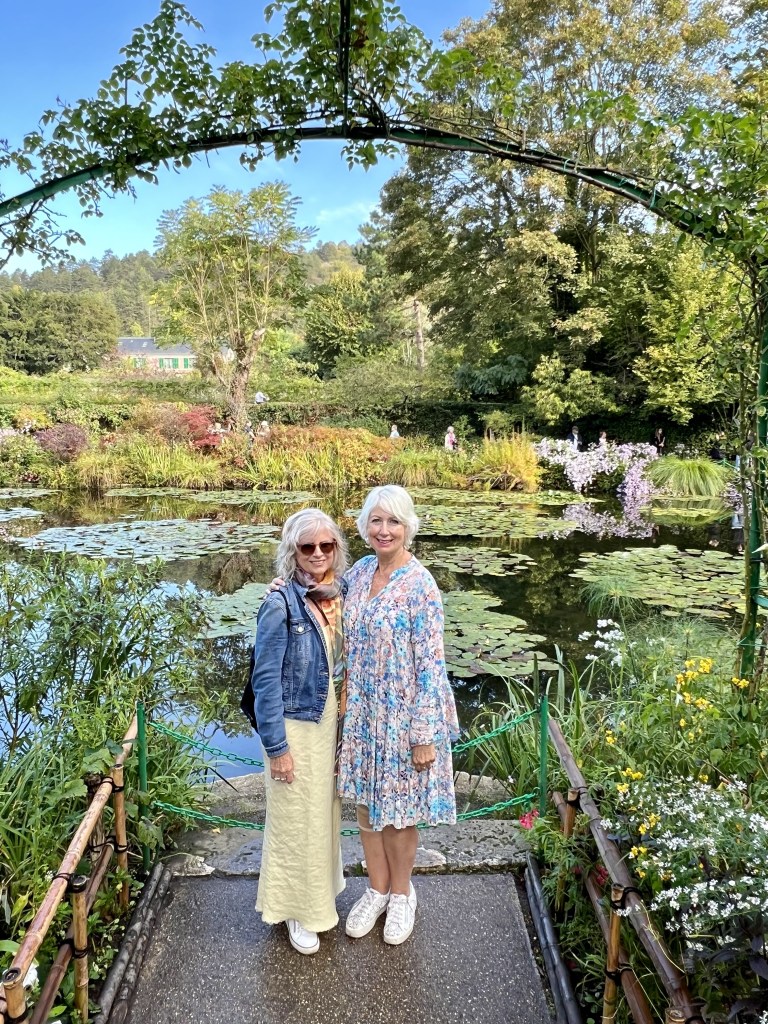
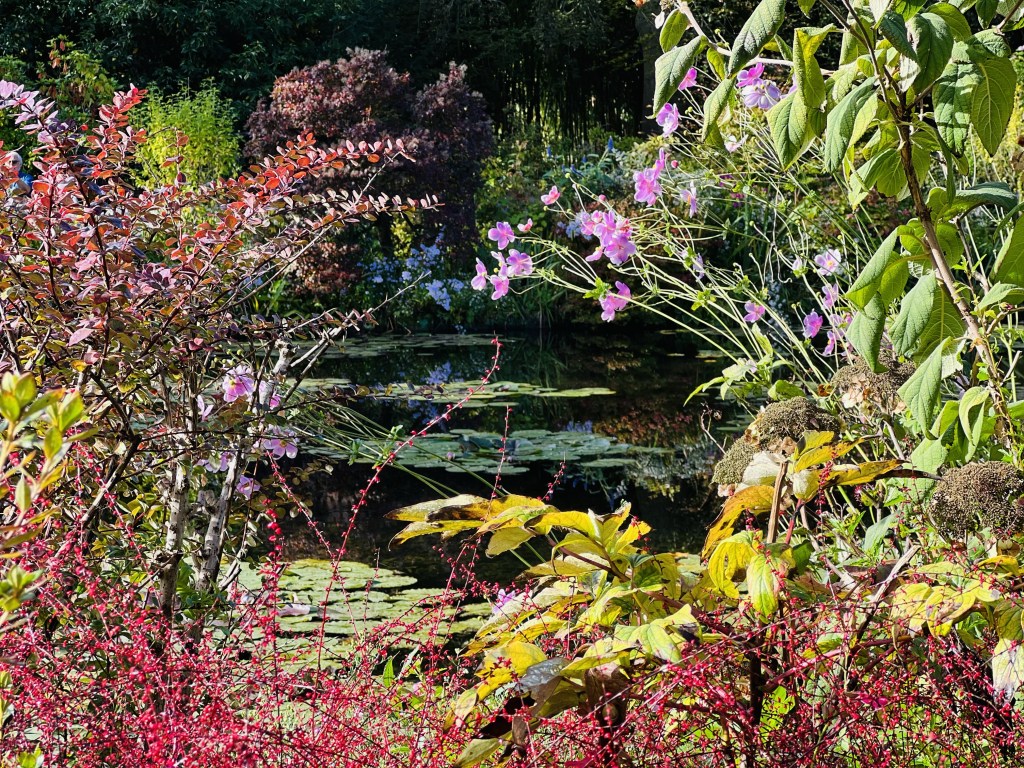
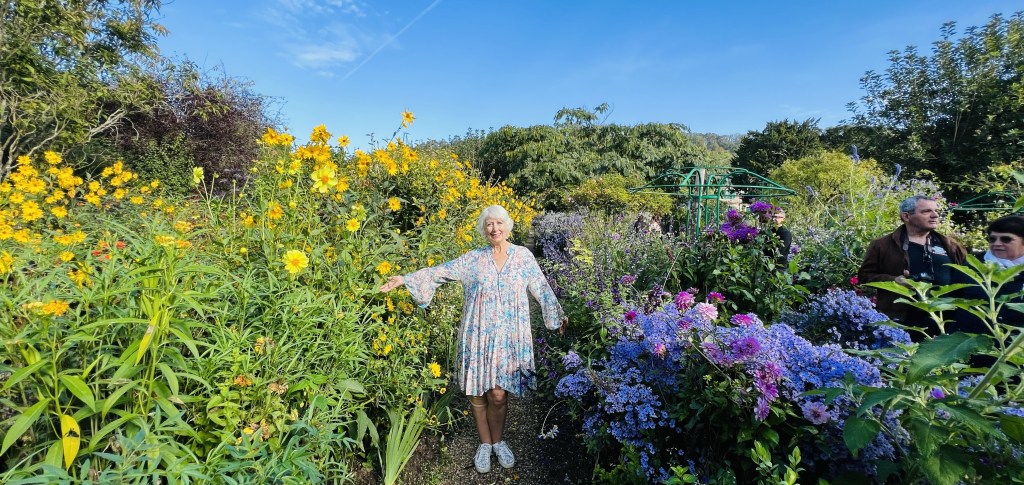
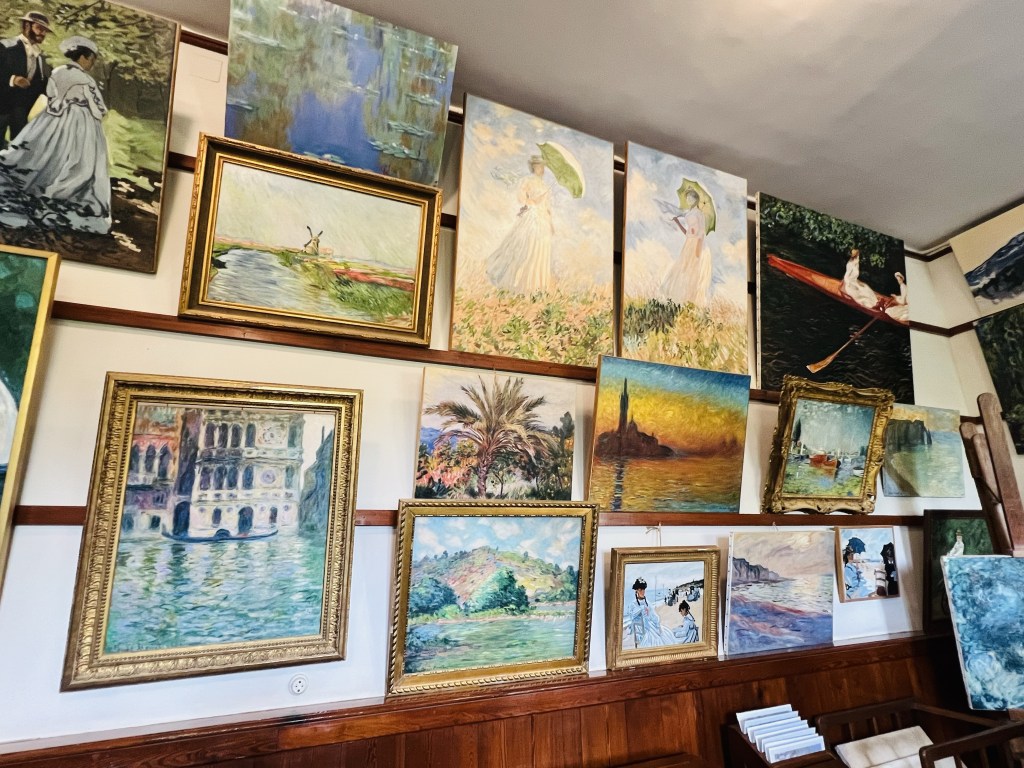
Monet had been my favourite artist as long as I can remember… and Impressionism, my favourite style or period. It is hard to believe that they were once considered rebels in the art world and true artistic success and financial stability eluded Monet for much of his life. Fiercely independent and dedicated to his craft, Monet gave courage to fellow artists in the face of harsh criticism.
He did eventually find success within his lifetime and came to be regarded as one of the most important and pivotal figures in Western art history. He’s the poster boy for Impressionism, and a symbol of French painting. He attained international fame and amassed a considerable personal fortune. Monet funneled his newfound wealth into his other passion, horticulture. At Giverny, Monet created an ideal home for his family, a haven protected from the outside world and surrounded by the countryside that he loved.
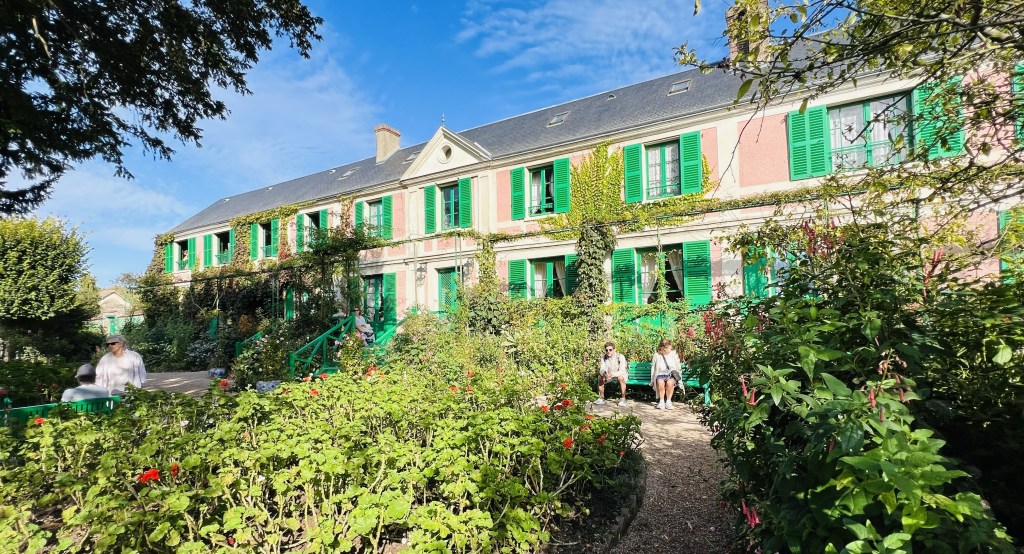
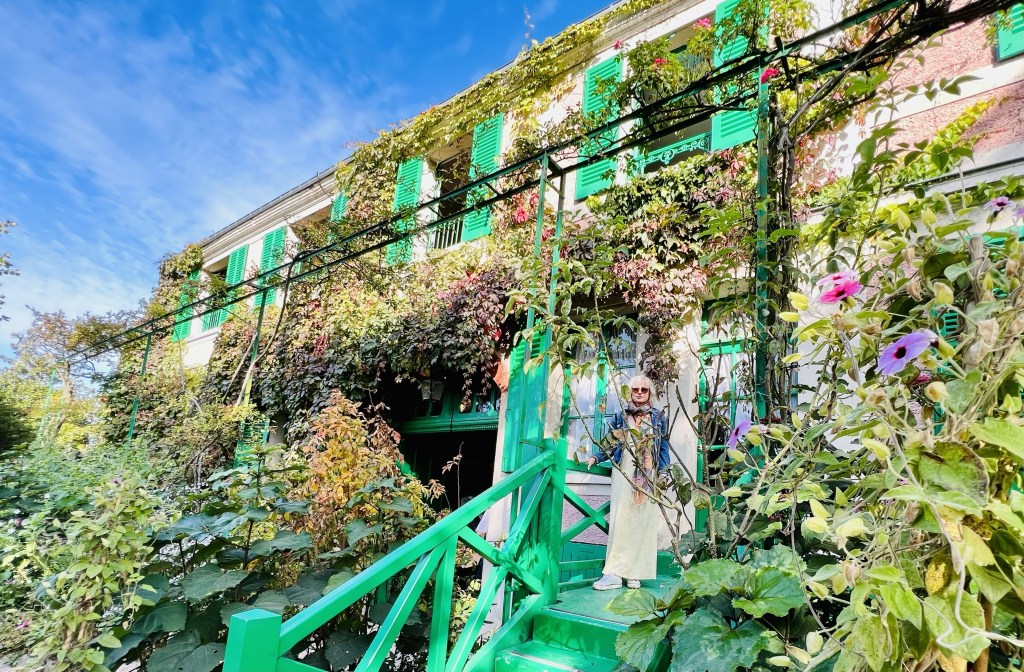
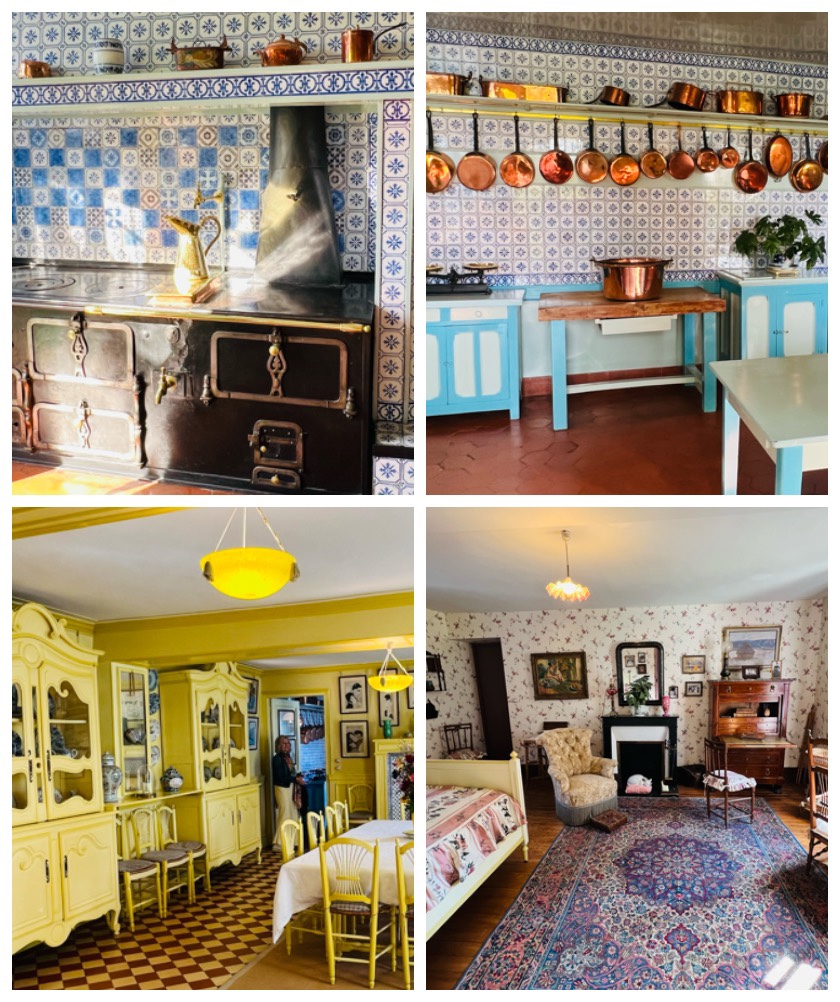
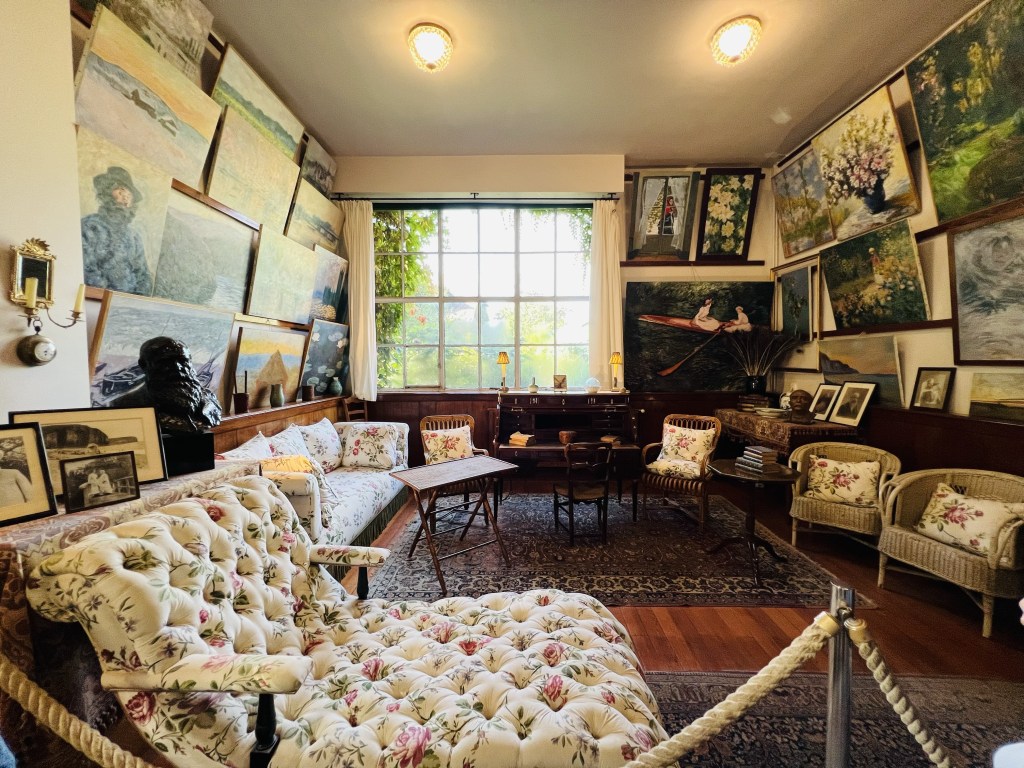
He said “what I need most are flowers…. always and always.”
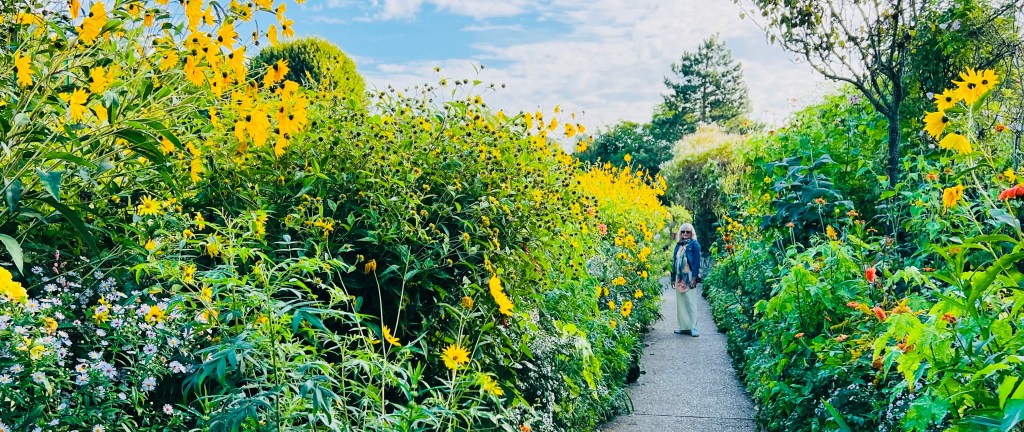
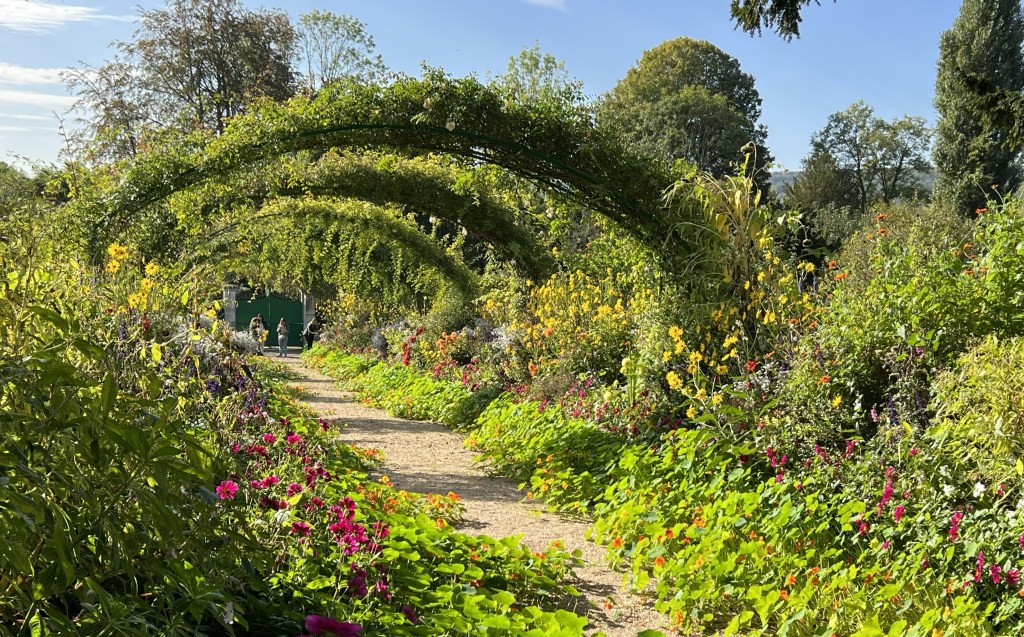
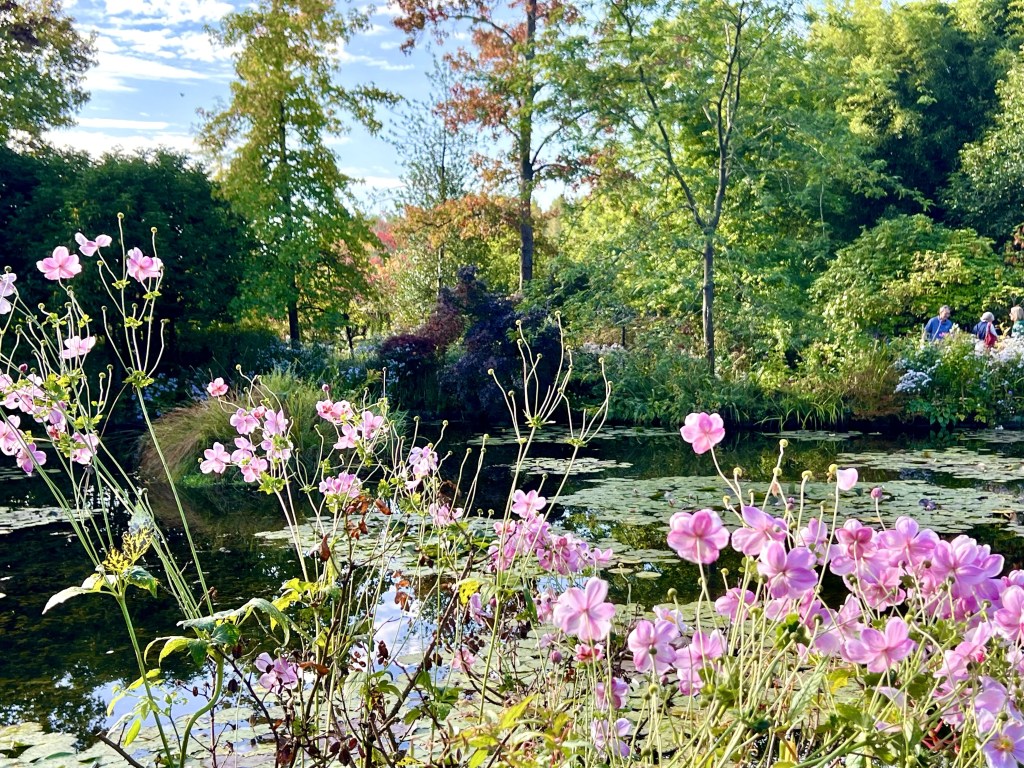
Strolling this garden amongst the flying insects, chatter of visitors and clucking of resident Japanese hens from the garden’s henhouse it is easy to see why Monet loved his garden so much. He did not see it as merely a fashionable flower garden filled with rare species, but rather a painting, becoming a ‘transposition of art’. Perennials and annuals bordered by irises and dahlias gave constant colour and he loved to capture this colour by painting from nature whenever the weather permitted.
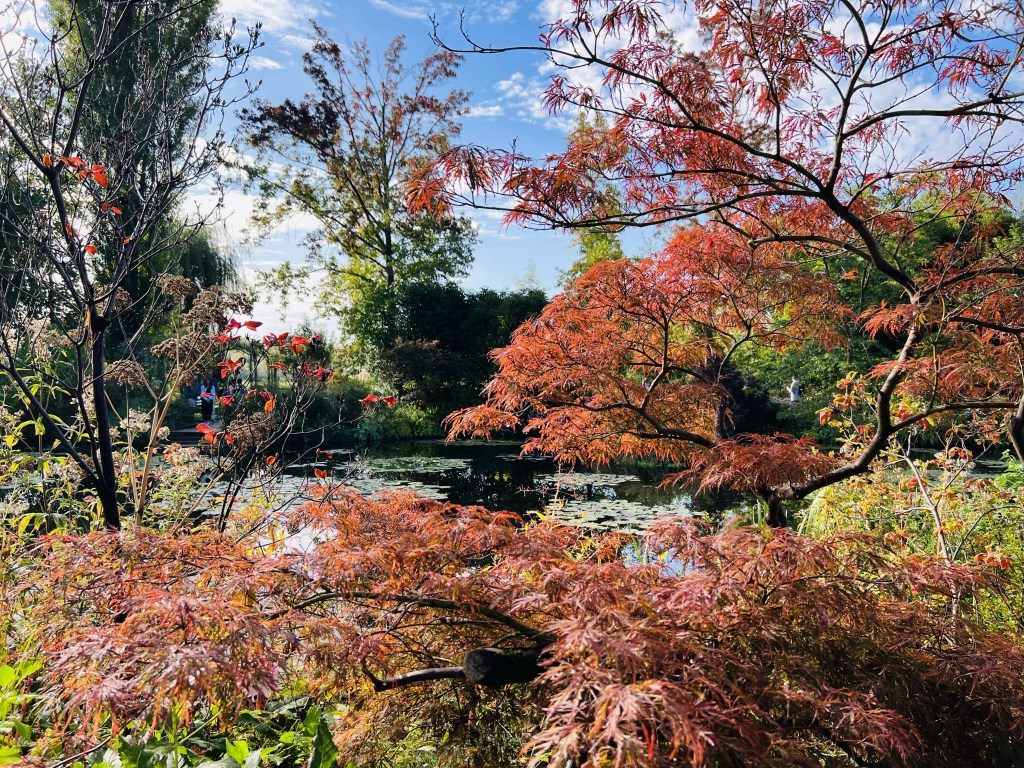

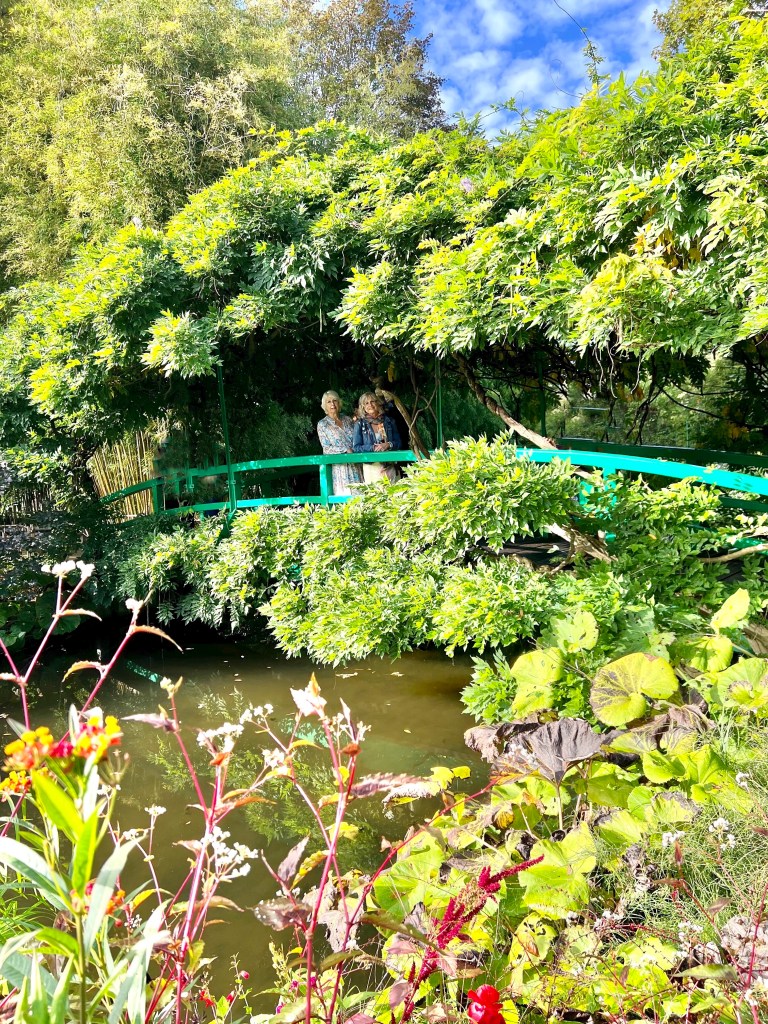
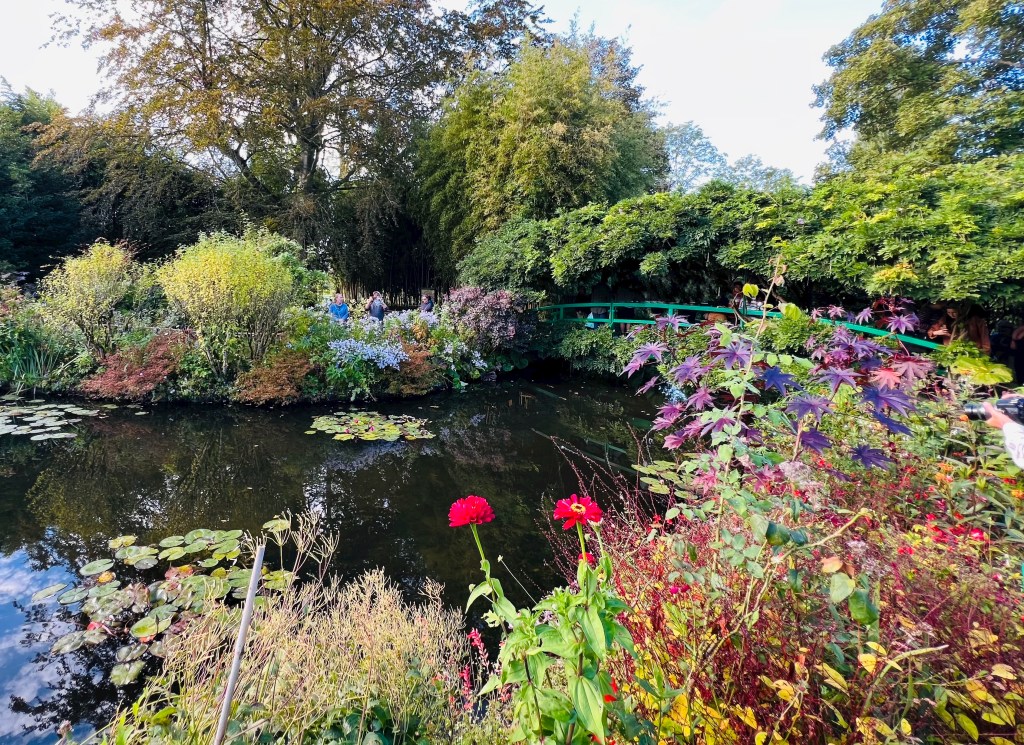
This garden is famous for its water lilies, weeping willows and green painted Japanese Bridge. Monet deliberately didn’t paint his bridge red, as they are in Japan, as he wanted to respect Japanese tradition and so rather chose green. As we walked the winding path around the series of lakes and gazed at the Monet’s masterpiece… water lilies (to my delight there were a few even though we were there out of season), reflection of clouds on the water surface and perfectly placed bridges we could see why Monet was so obsessed with his water garden and painted it so many times… in fact more than 250 times.
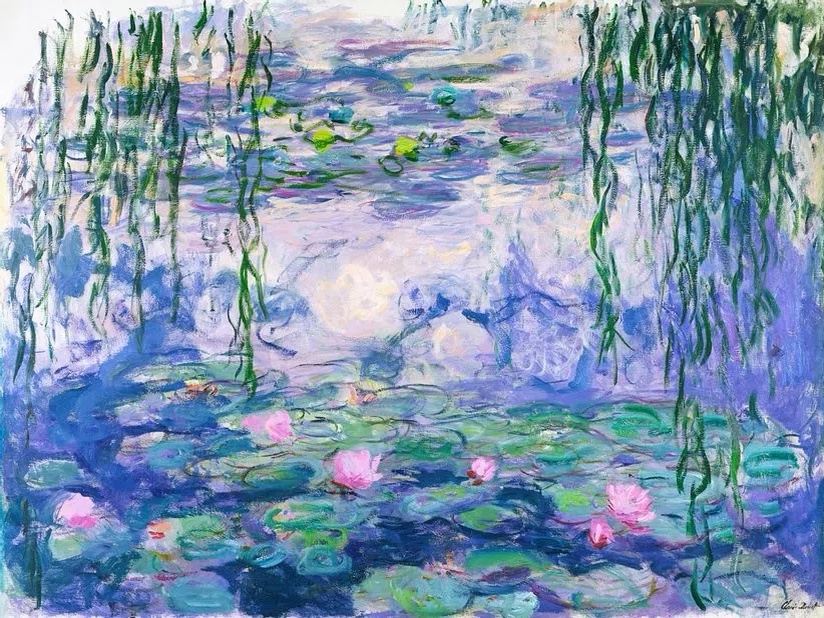

Monet loved his water garden creation and is quoted as saying, “Then suddenly I had a revelation, and I saw all the enchantments of my pond. I took up my palette … Since then I’ve hardly painted anything else.” And I’m so happy about that!

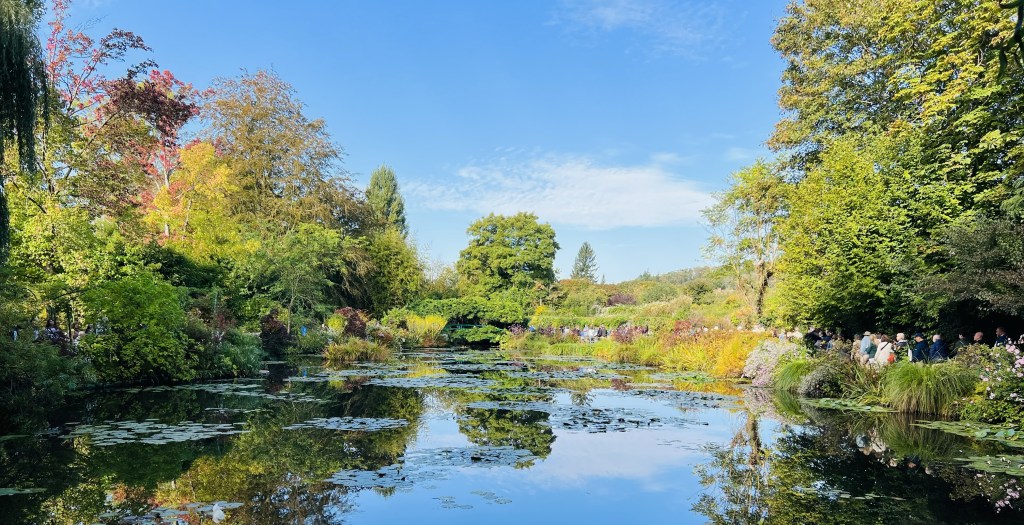
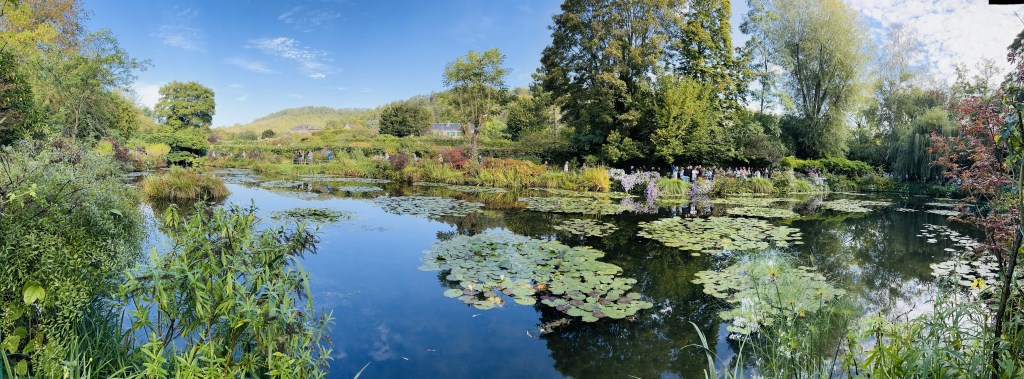
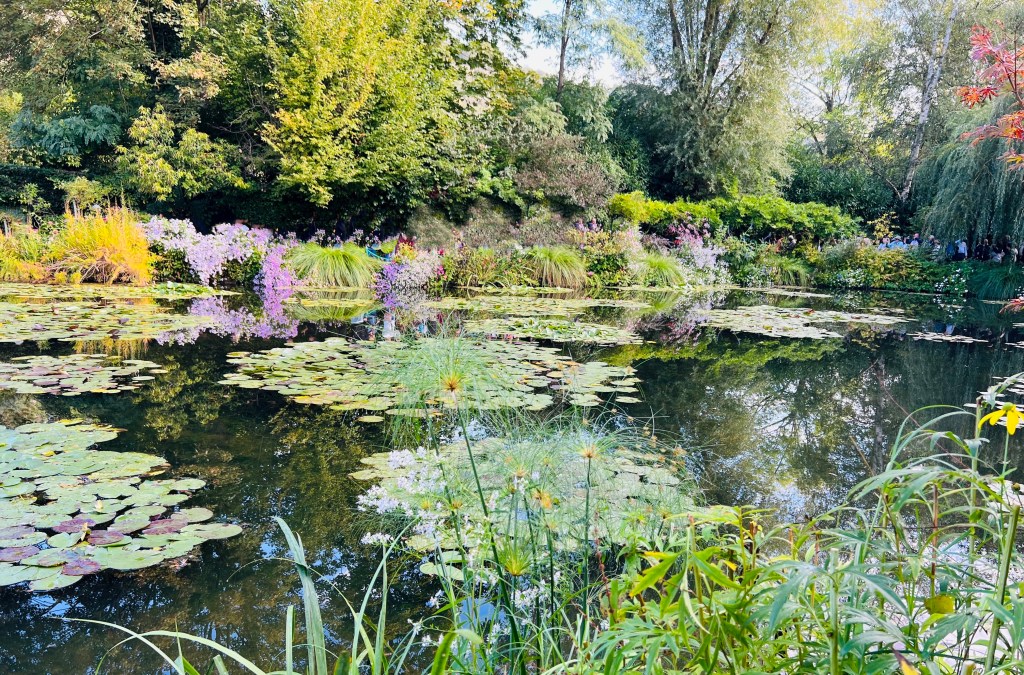
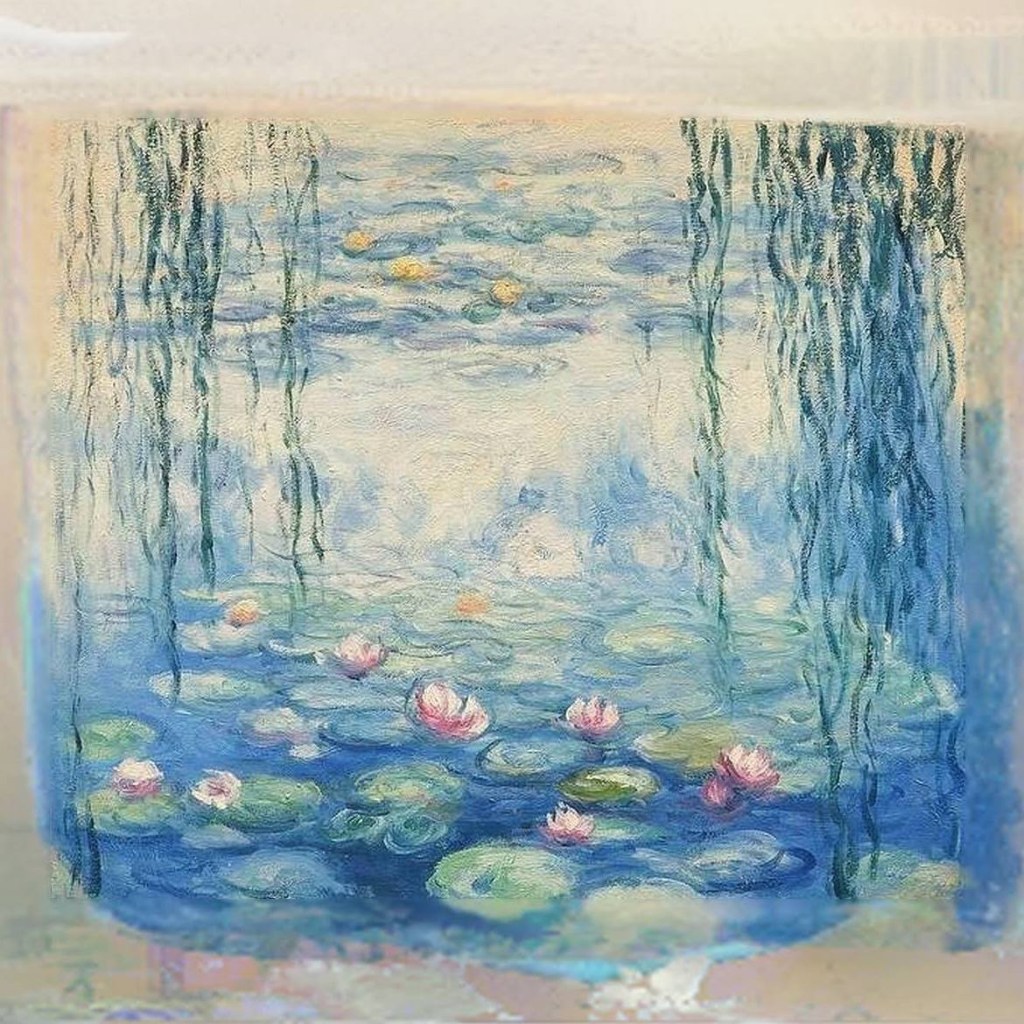
Monet produced many works painting outside… shimmering poplars, glowing haystacks, and my favourite and perhaps his most well known… iridescent sheets of water lilies in a blurry pastel palette. Unlike prior artists, Monet and the Impressionists aimed to capture the ephemeral, sensory effect of a scene — the impression — objects made on the eye in a fleeting instant. They used fast and loose brushwork, a lighter palette, and tried to capture the effects of light. Monet is thought to have “invented” light.
We wandered the small picturesque town of Giverny after we reluctantly left the garden (don’t you just hate time schedules?) and continued to be enchanted. It is a picturesque region of woodlands, pastoral meadows, verdant valleys, small streams, and picturesque ivy-covered houses with gorgeous gardens… a one-of-a-kind pastoral paradise, born from a great artist’s obsession and I think it’s a must see place for art lovers or garden lovers in France… certainly a surreal experience
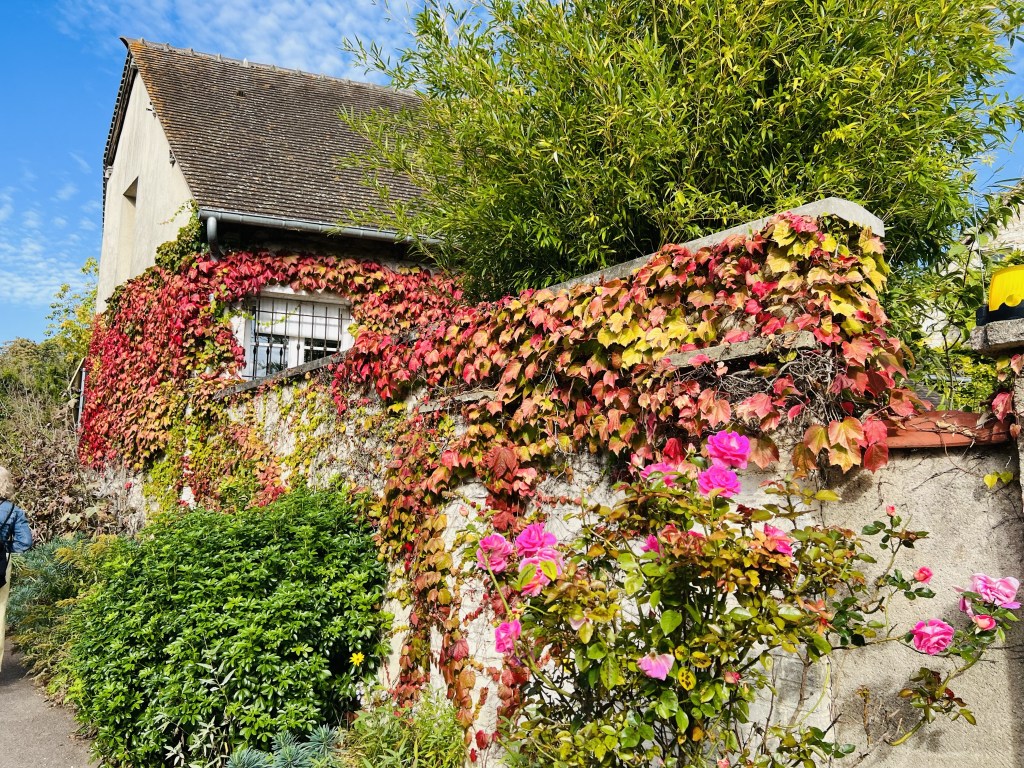

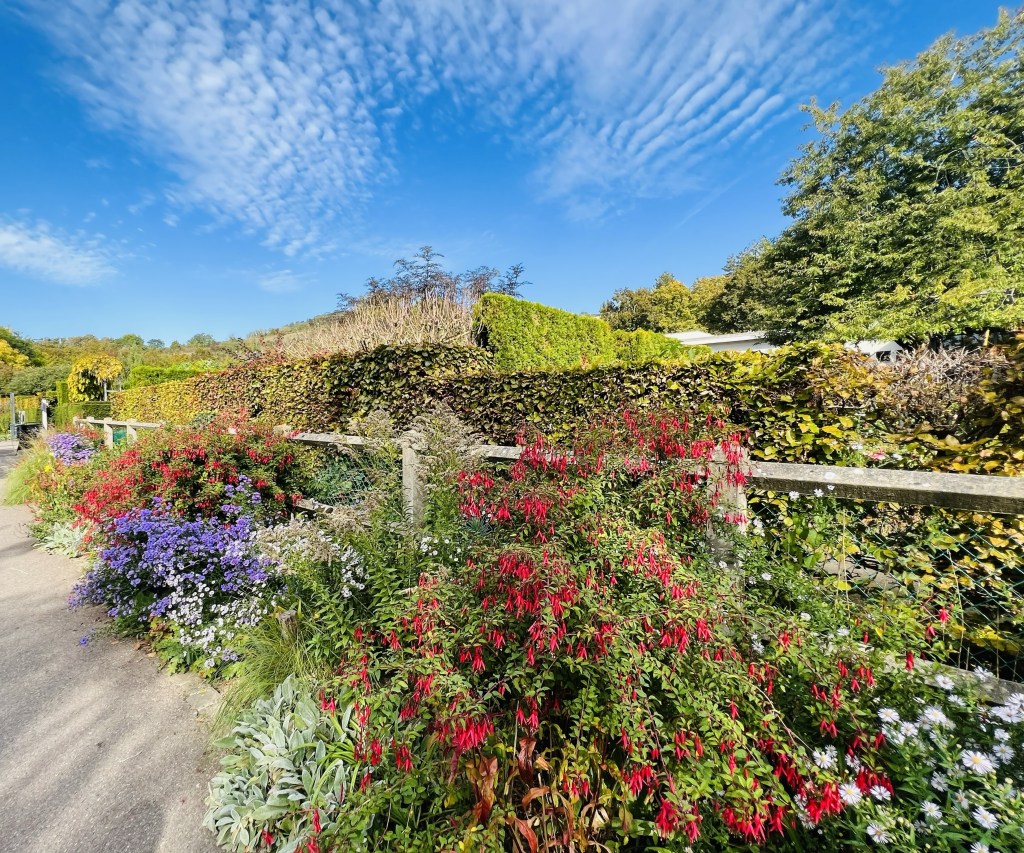
PS- the pictures really don’t capture even a fraction of the beauty we saw. I often just wish that my eyes could take pictures. Don’t you?
 And I think to myself what a wonderful world