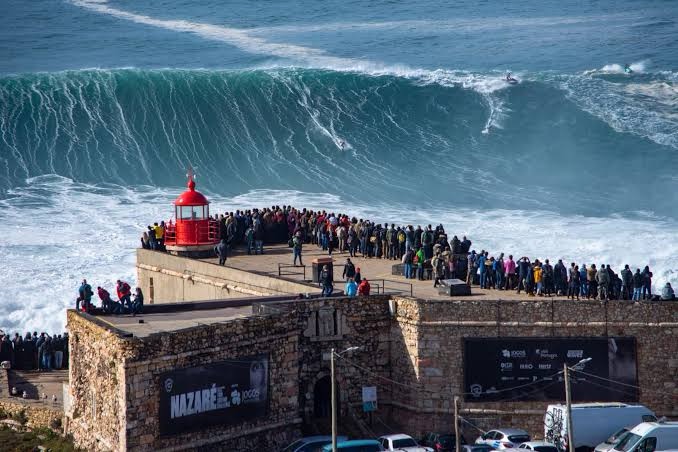
I think Anne had decided after our not so successful escapade to Nazaré, that she wouldn’t follow me on my next one. But oh I wish she had… because it was really picture perfect despite arriving in the rain. It actually reminded me a little of some of the beautiful medieval towns we had visited in other parts of Europe in previous trips.
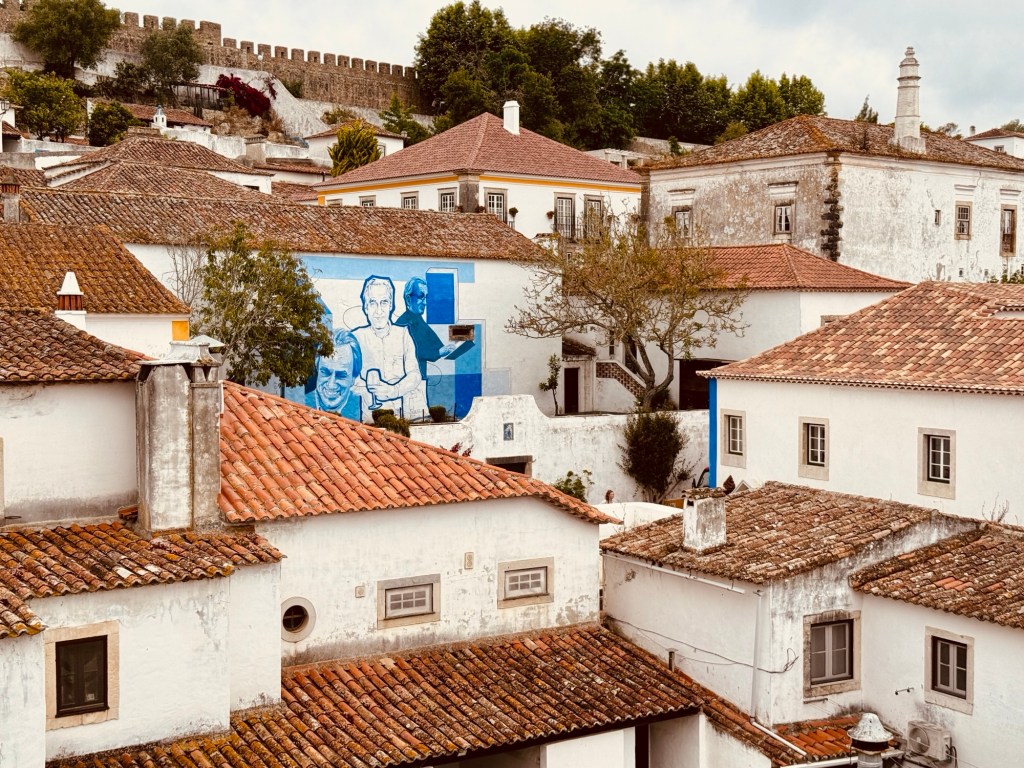
Just an hour from Lisbon, Óbidos is a gorgeous walled town… one of the most intact medieval villages in Portugal- with picturesque colourful artists houses adorned with bright flowers…
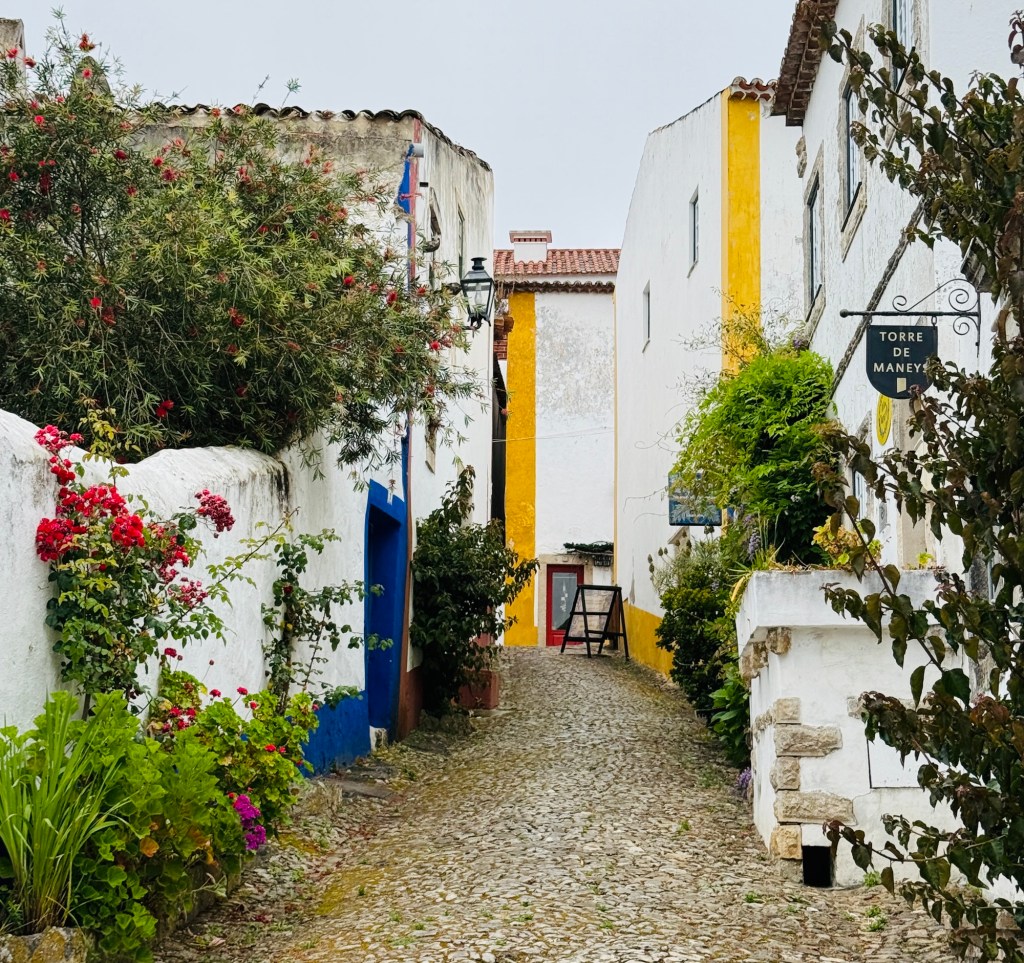
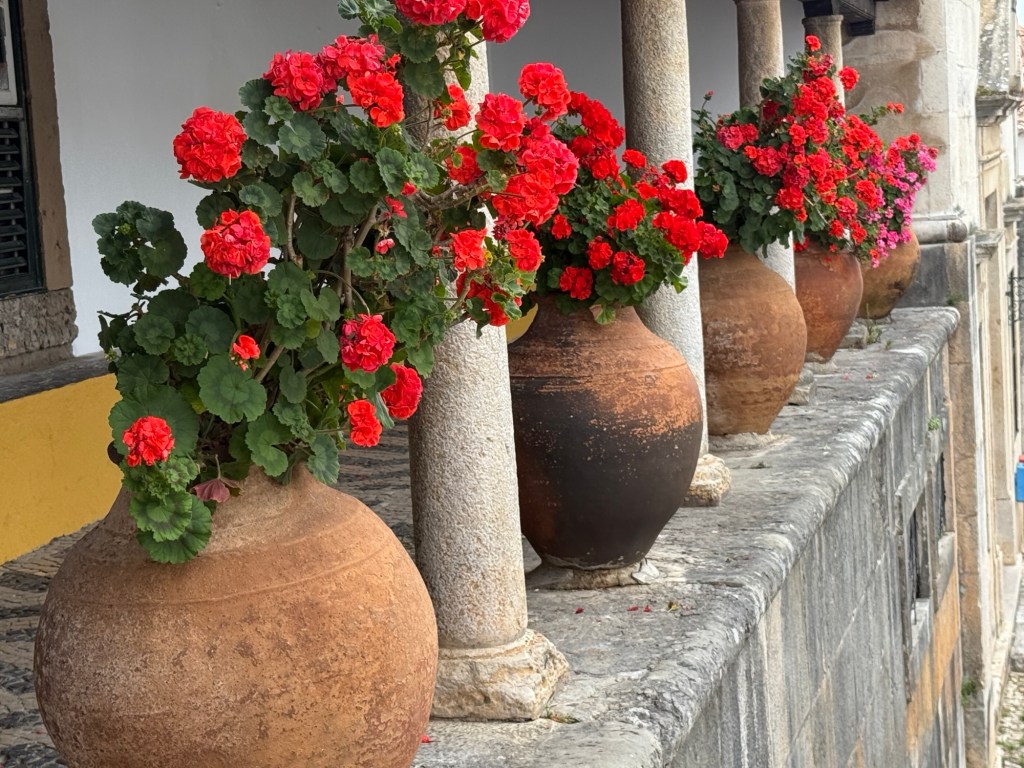
… Gothic passageways and quaint cobblestone streets.

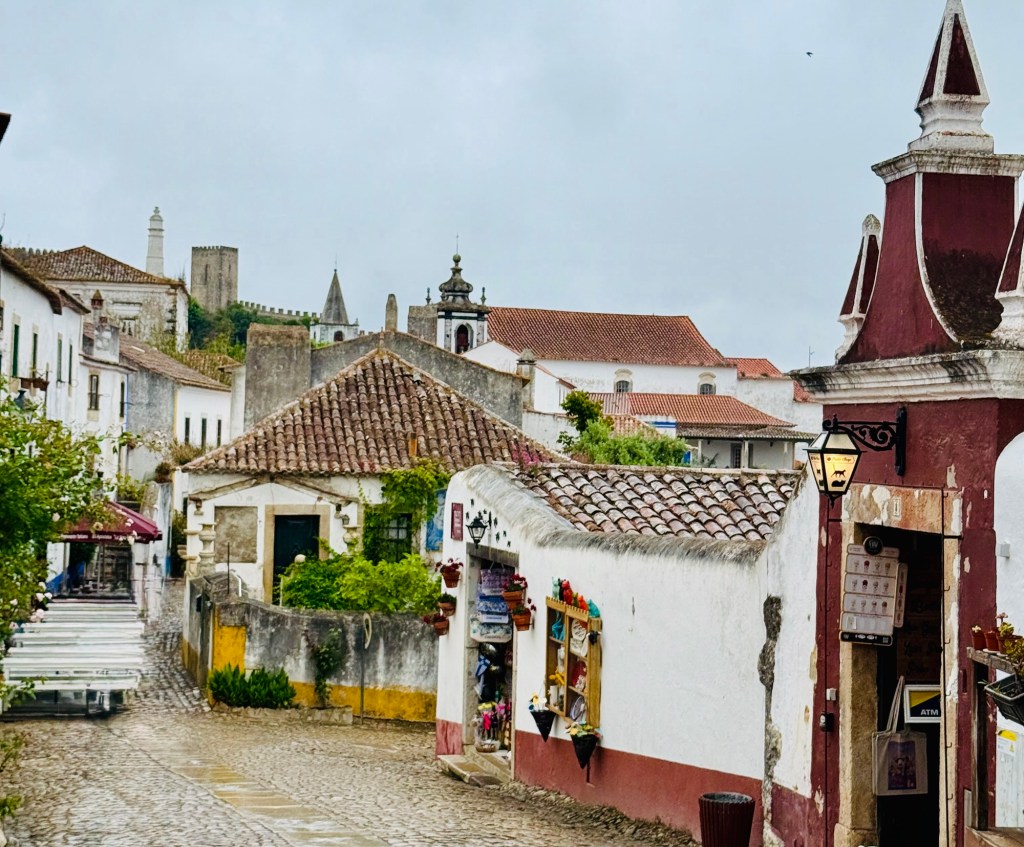
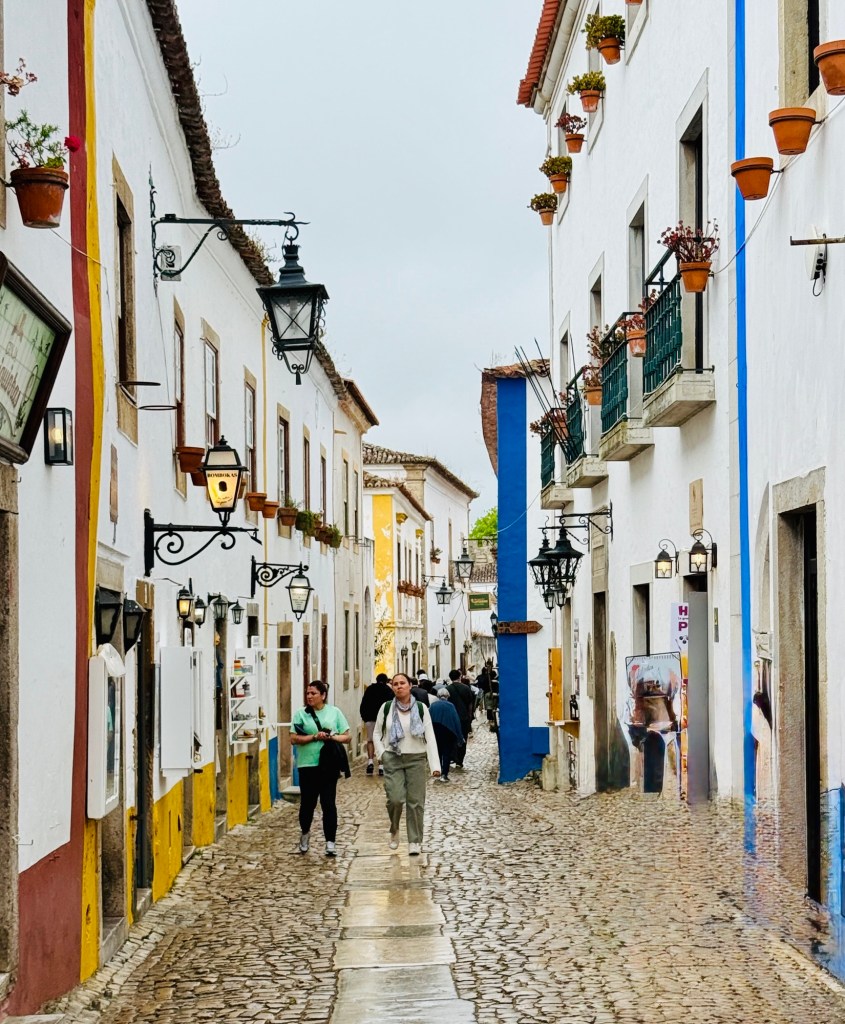
White-washed houses surround its imposing 12th century castle and I meandered down to the historic centre of the village to discover a labyrinth of ancient, cobbled streets with busy squares, inviting cafes and restaurants and a myriad of quaint shops.


Yes it’s a bit of a tourist trap but the city is so pretty that one of Portugal’s kings gave this village to his bride to be, resulting in being nicknamed as “The Town of Queens”.
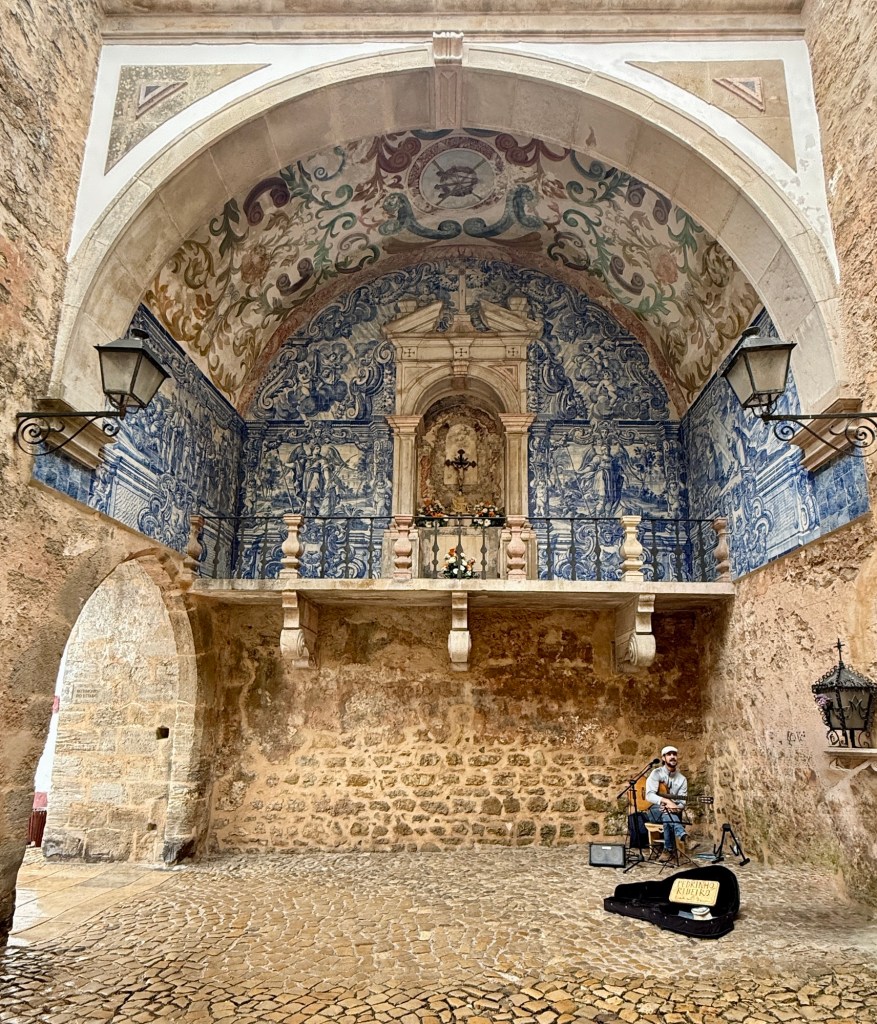
The minute I arrived at the town gate, the Porta da Vila I was already in love. I could hear the mournful sounds of fado folk music even before I walked inside and then I was awed by the artwork of the gate itself.
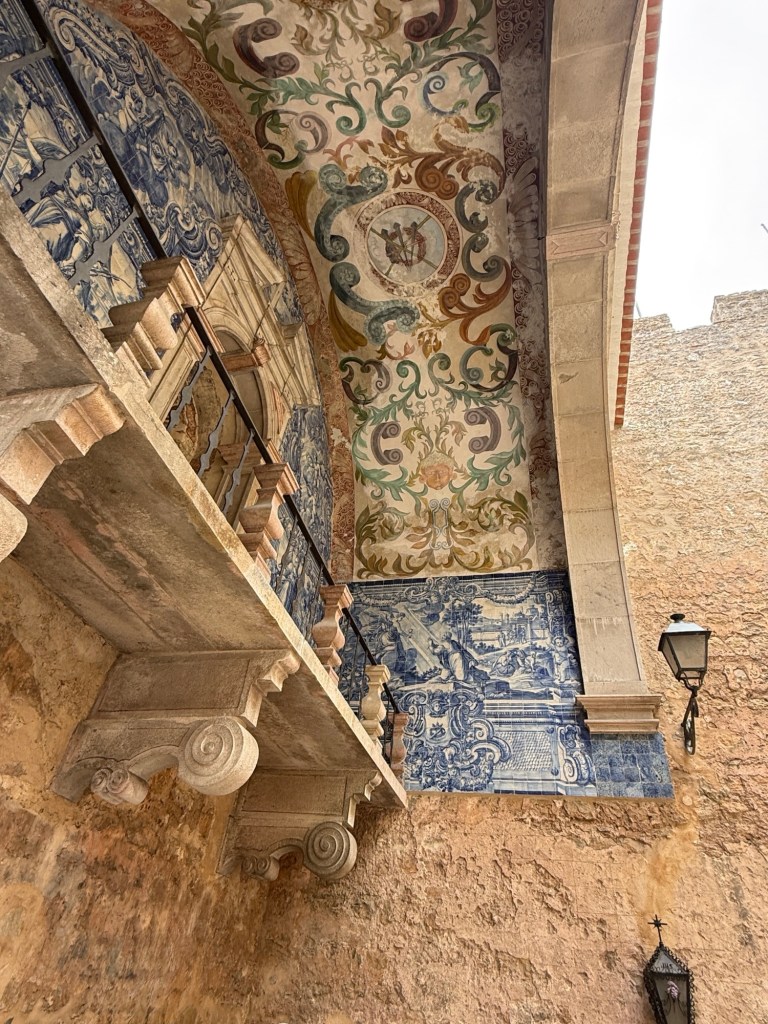
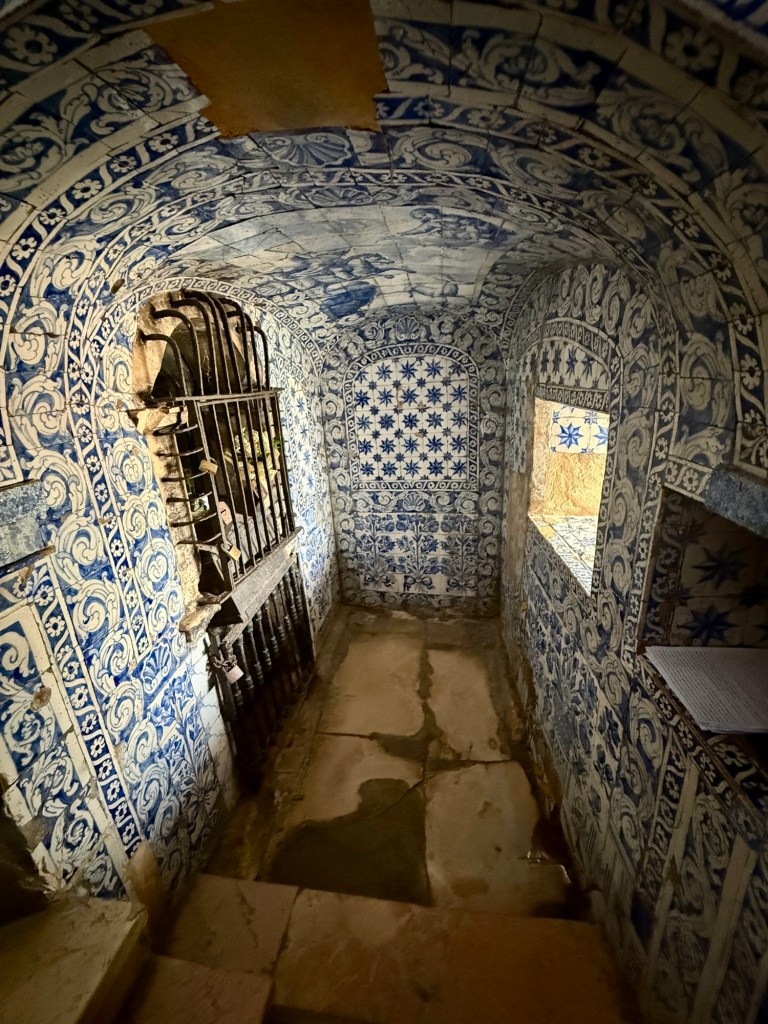
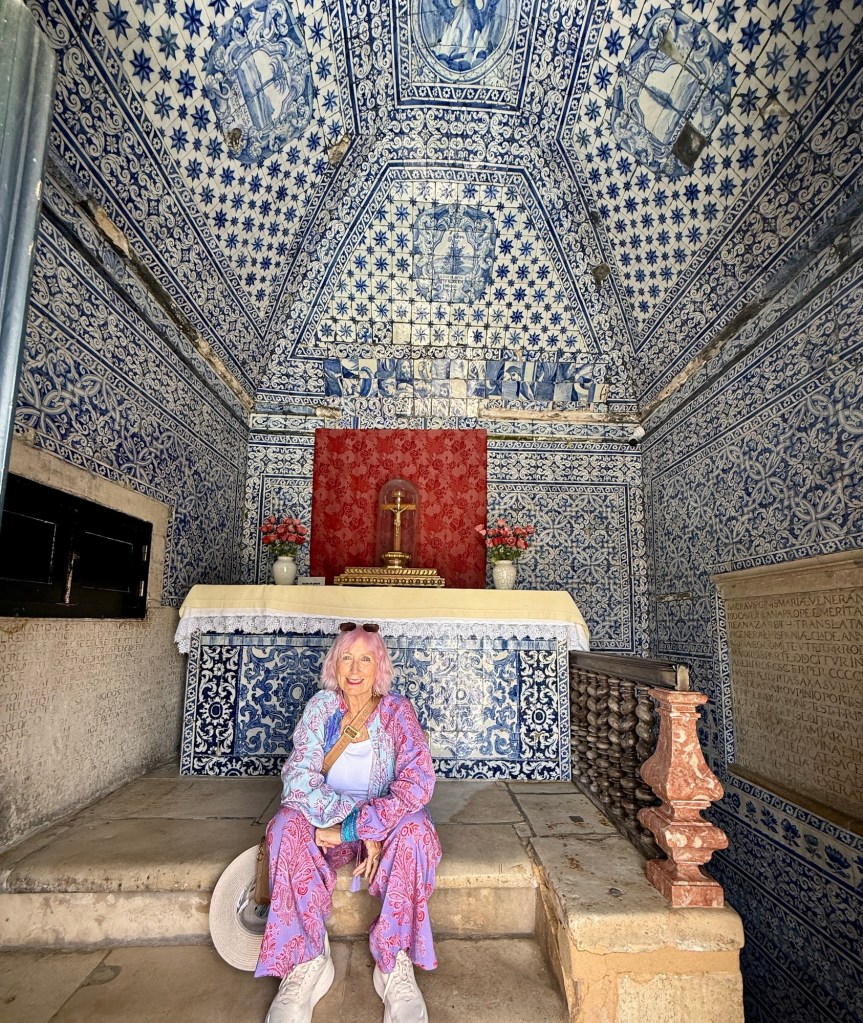
Adorned with stunning blue-and-white azulejo tiles from the 18th century depicting the Virgin Mary and other religious motifs, it symbolises the town’s strong connection to faith and artistry. I stayed for ages listening to the wonderful buskers tunes and to take in its beauty and character of the gate… imagining the many travellers, merchants, and soldiers who have entered the town through this historic gateway.and just to make it even more amazing, it is also a chapel. On the second storey, you can see the famous azulejos tiles that make this town gate one of the most beautiful in Europe!
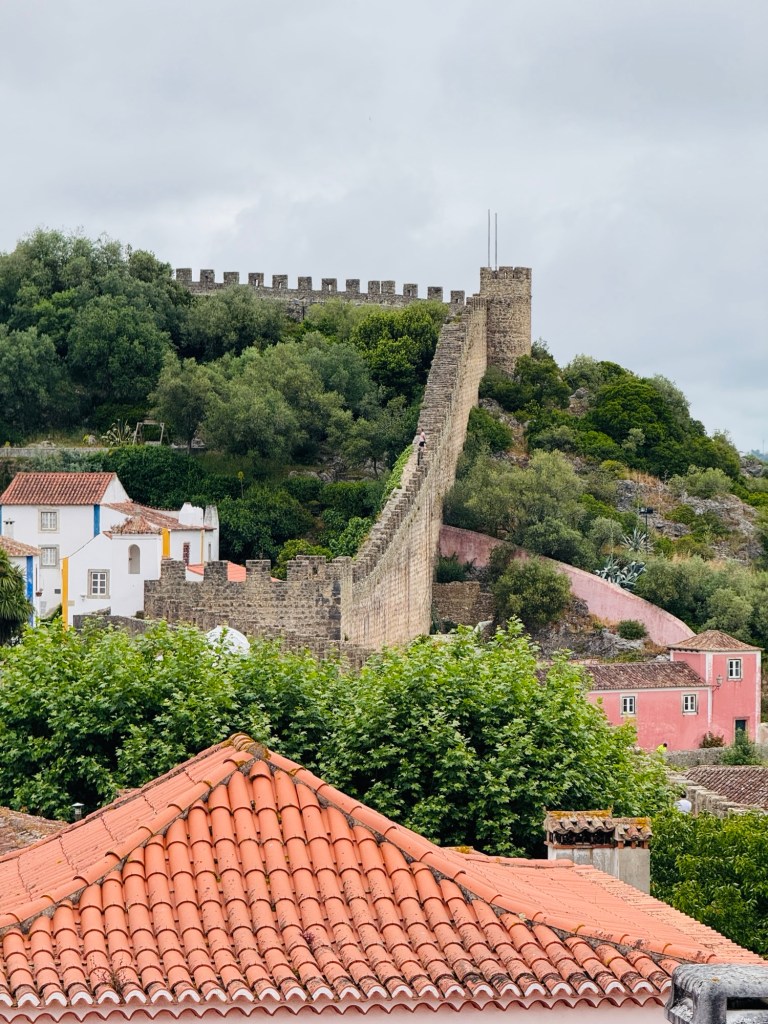
Dominating the town’s skyline, the magnificent Moorish Óbidos Castle is one of Portugal’s most iconic medieval fortresses. With walls so impressive that it was chosen as one of the “seven wonders of Portugal”, The walls are 13m high and an incredible 1.6km in length once a defensive stronghold and royal residence, the castle has been loop transformed into a luxurious pousada (historic inn).
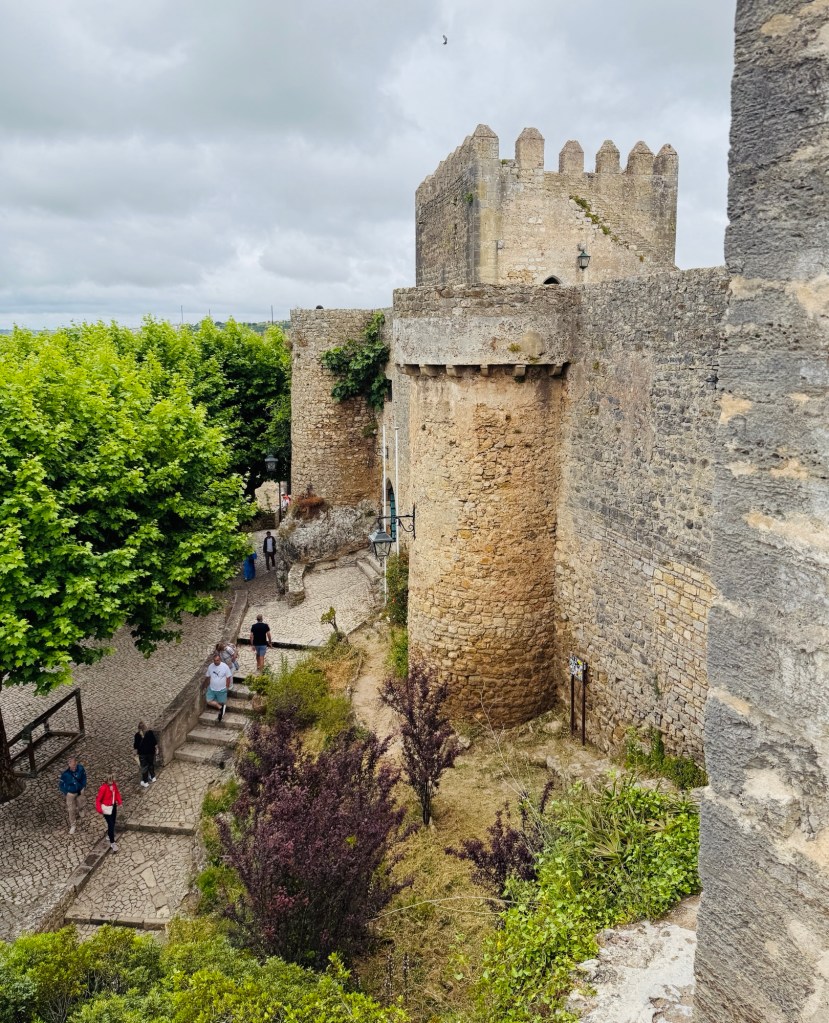
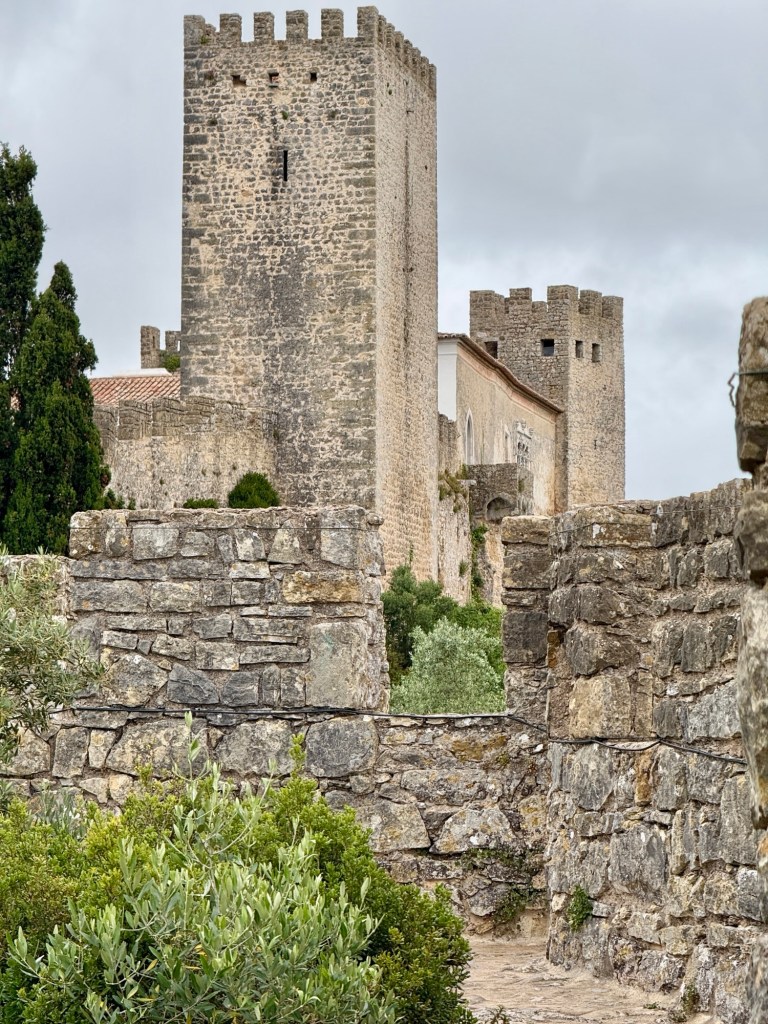
I immersed myself in the history, walking along the castles old but well preserved, fortified walls… like stepping back in time, into the shoes of medieval guards who once watched the town… except I had a camera… that I couldn’t stop clicking.
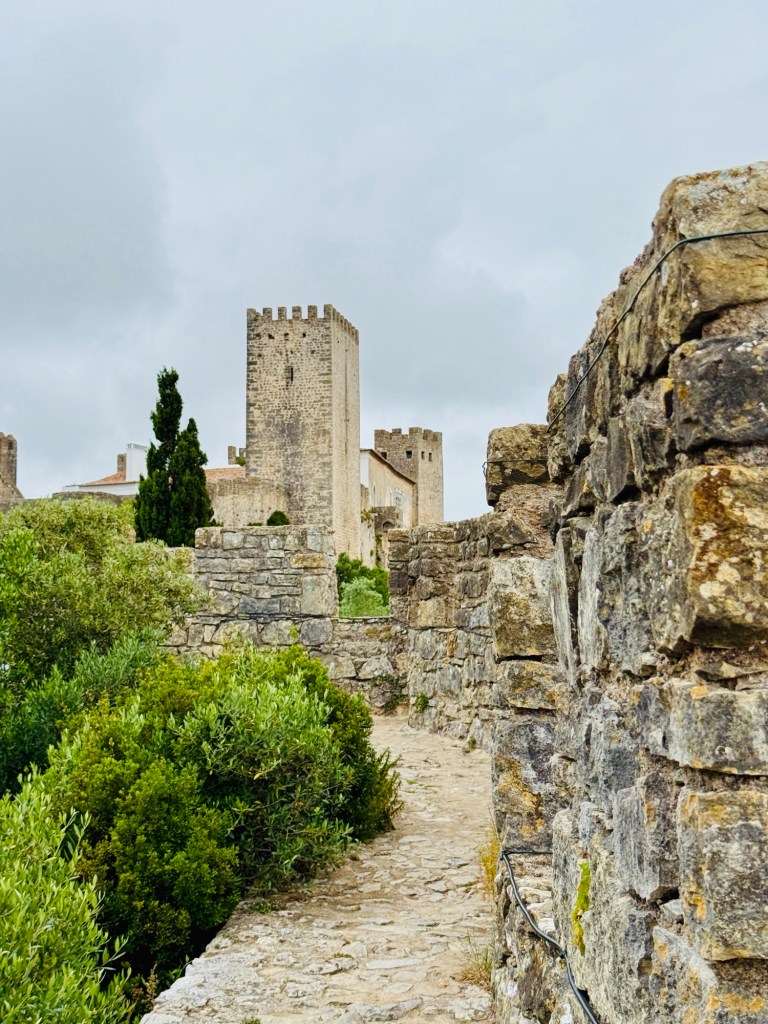


The views from the top are breathtaking, giving a bird’s-eye perspective of red-tiled rooftops, lush vineyards, and rolling hills stretching into the distance.
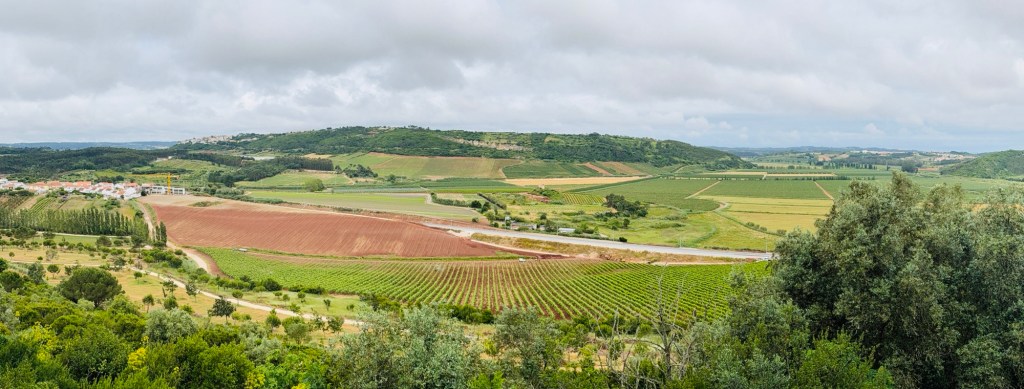

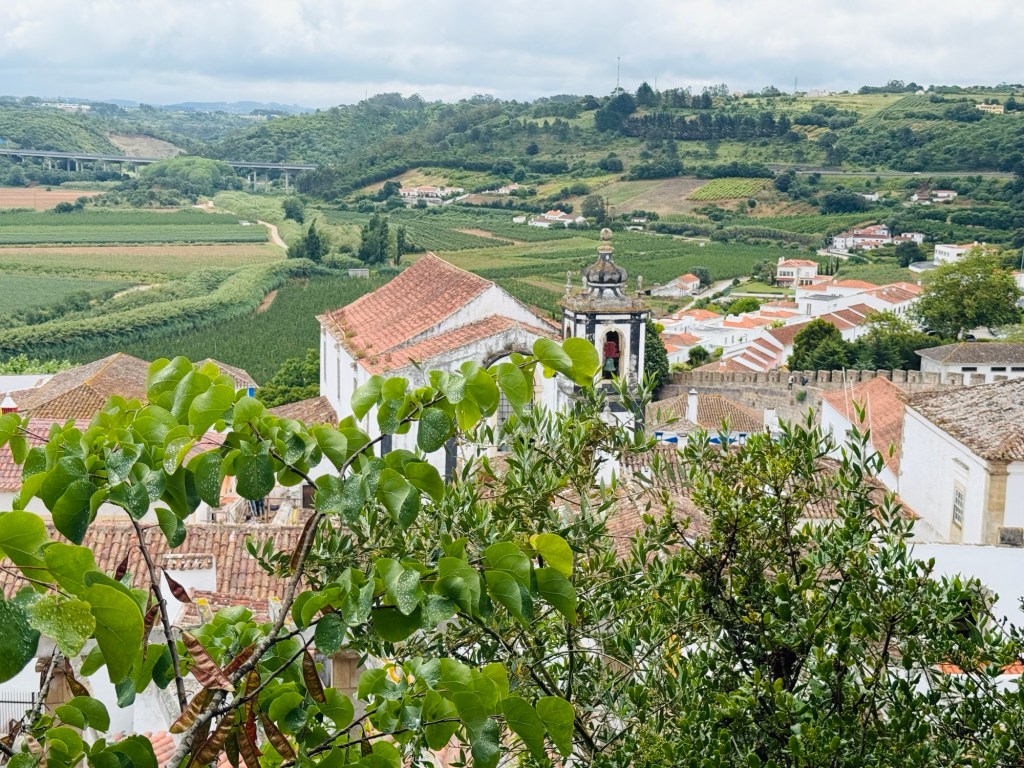
The walls encircle the town, creating a nearly 360-degree panoramic view of the countryside. The walk was steep and uneven, with some sections with no guard rails, and I do have a fear of heights… but I’ve never been able to resist a pretty view.

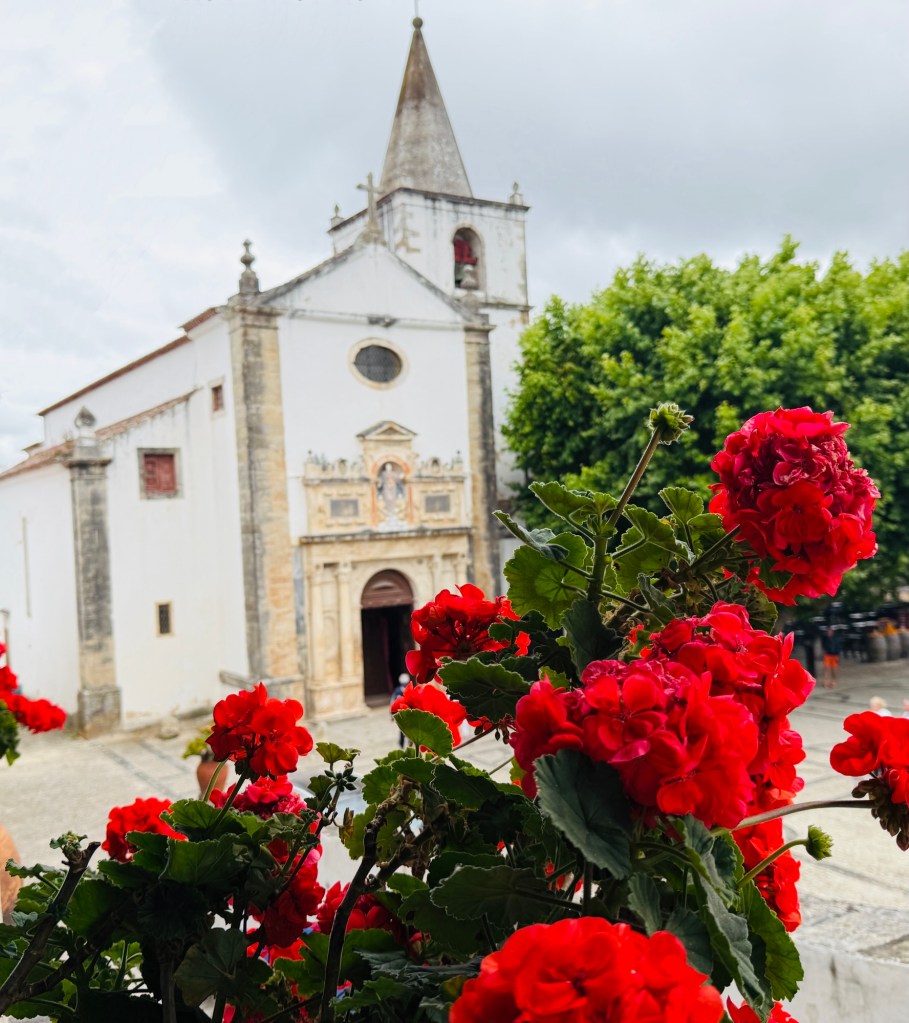
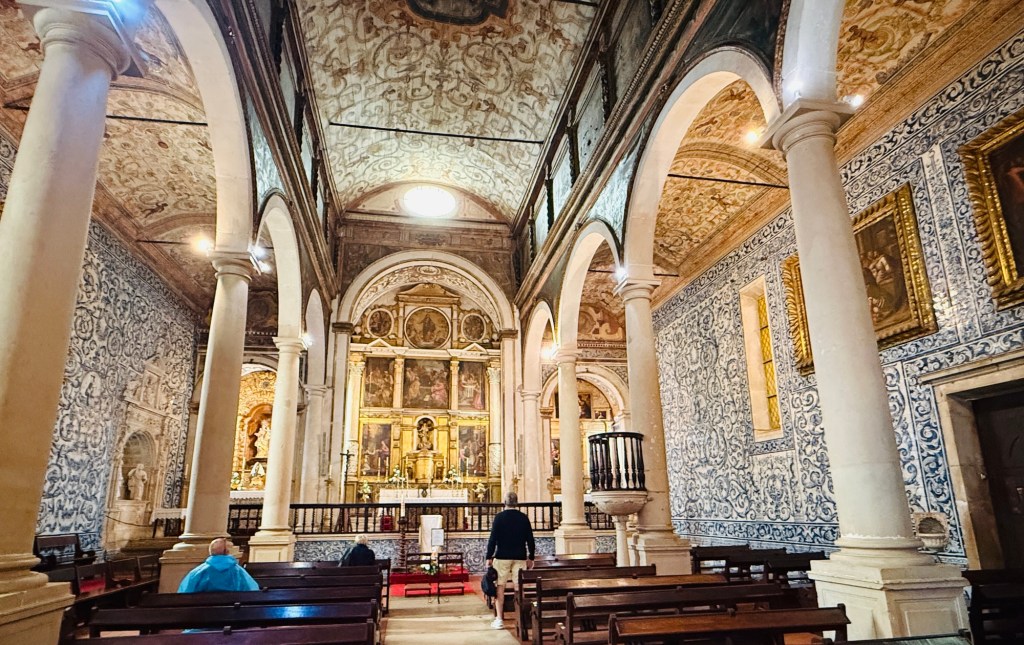
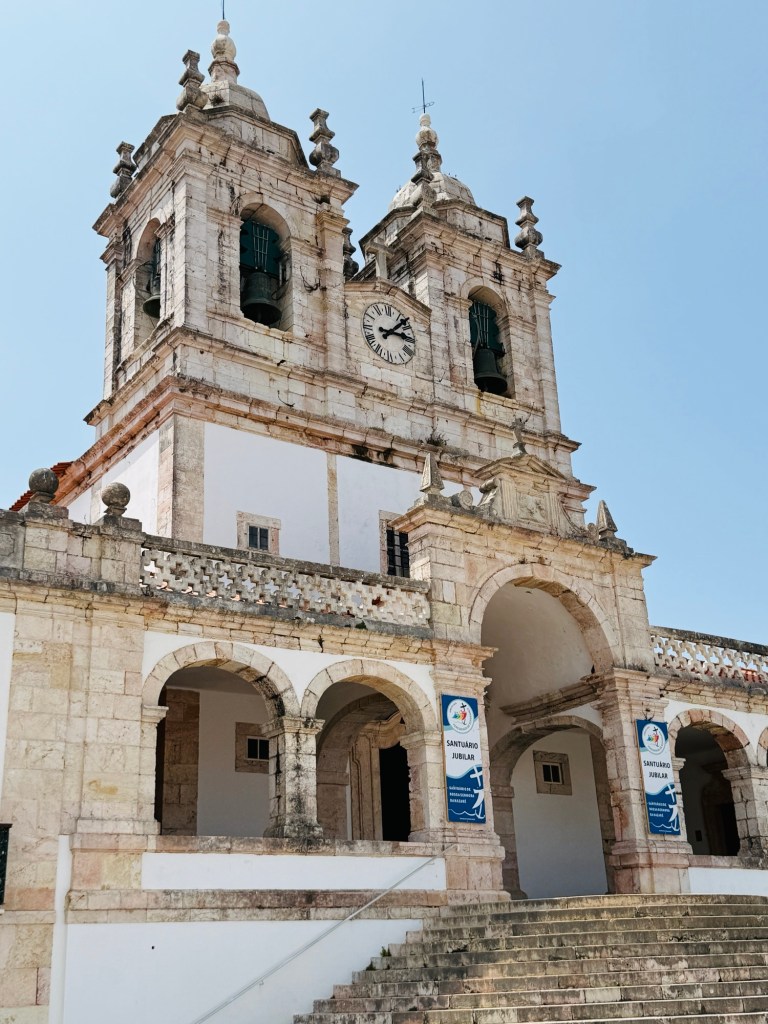
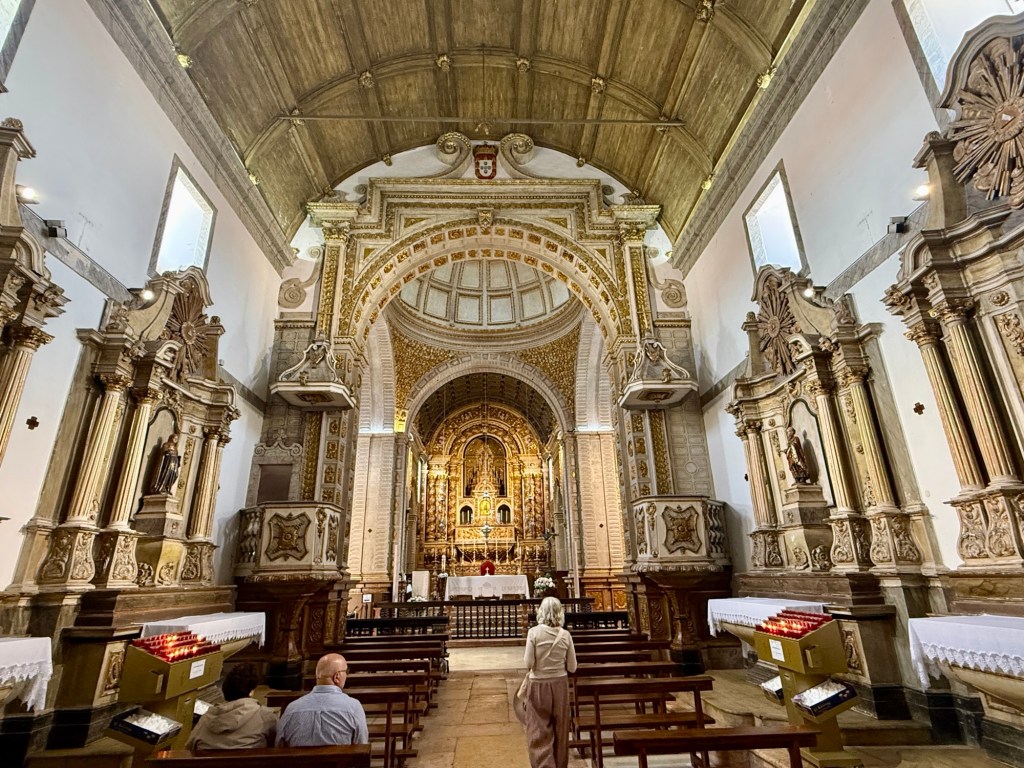
Indulging my church obsession, I visited the Igreja de Santa Maria… a beautiful 16th-century church located in the main square. Its understated white walls contrast with the stunning intricate blue-and-white azulejo tiles adorning the interiors, depicting biblical scenes. The church has a beautifully painted ceiling that inspired local embroidery patterns and also houses a significant Renaissance tomb and exquisite artwork. The atmosphere feels sacred and timeless as you step inside, reminding you of the ceremonies and prayers held here for centuries.
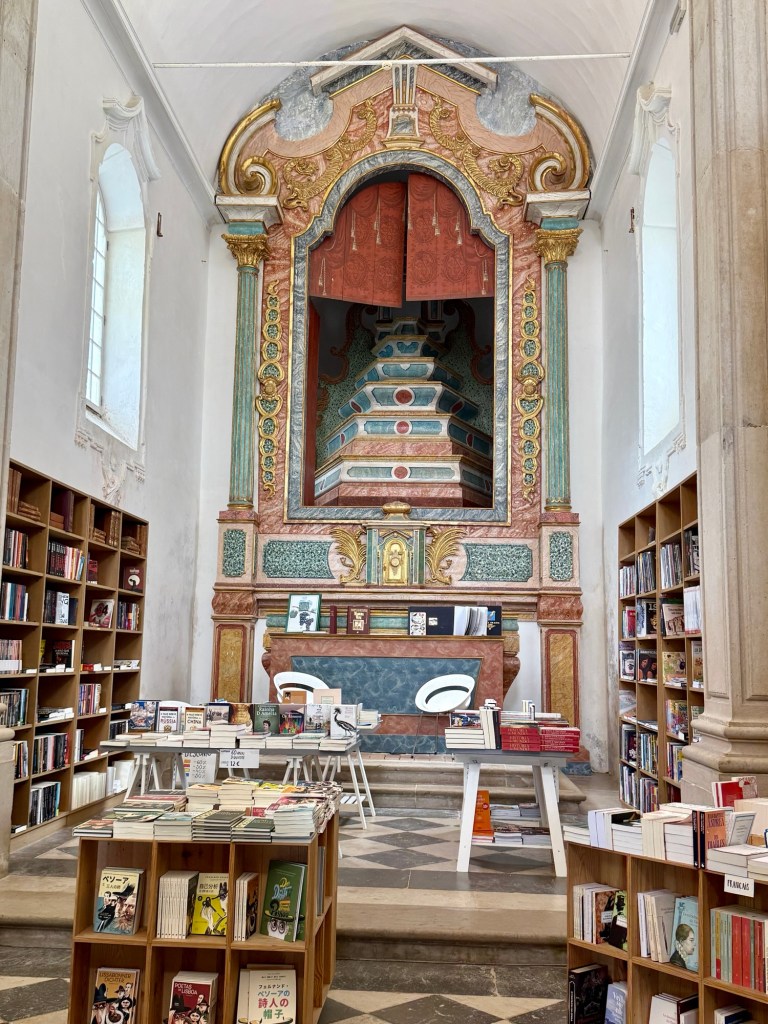
Óbidos is a UNESCO City of Literature, and I stumbled upon unique bookstores in unexpected places, like the Livraria de Santiago, located inside a 13th-century church.
I had a little lunch and then hopped on the bus back to Lisbon as I had organised to meet Anne at the national Tile museum. I imagine that does sound super boring and odd and I’m not really one to spend a lot of time in museums, but the azulejo tiles of Portugal are AMAZING and I was really looking forward to it.
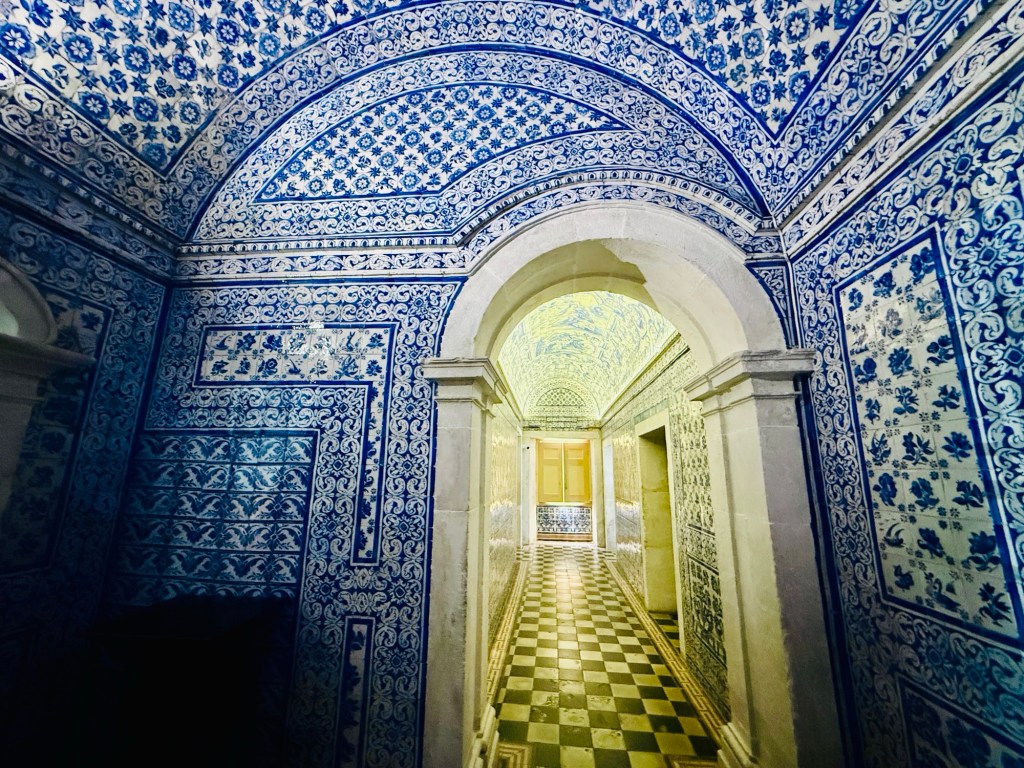
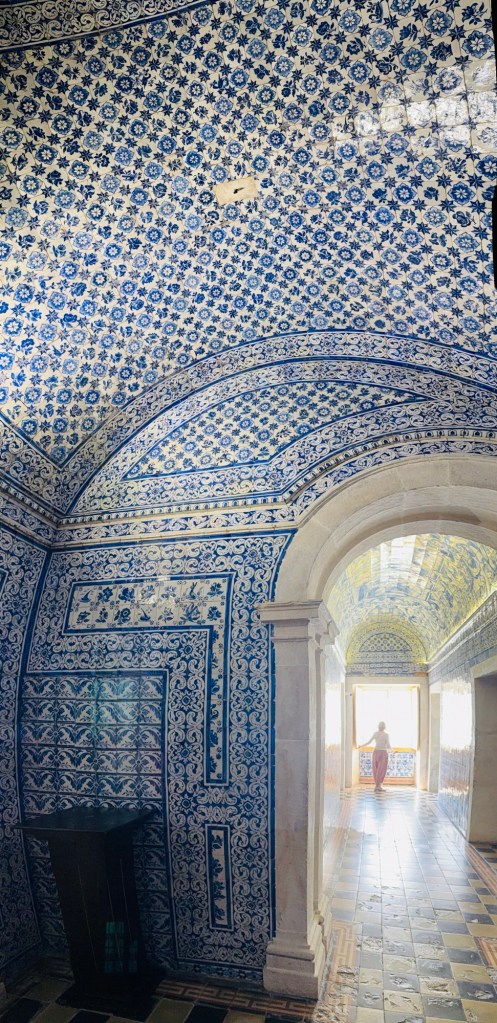
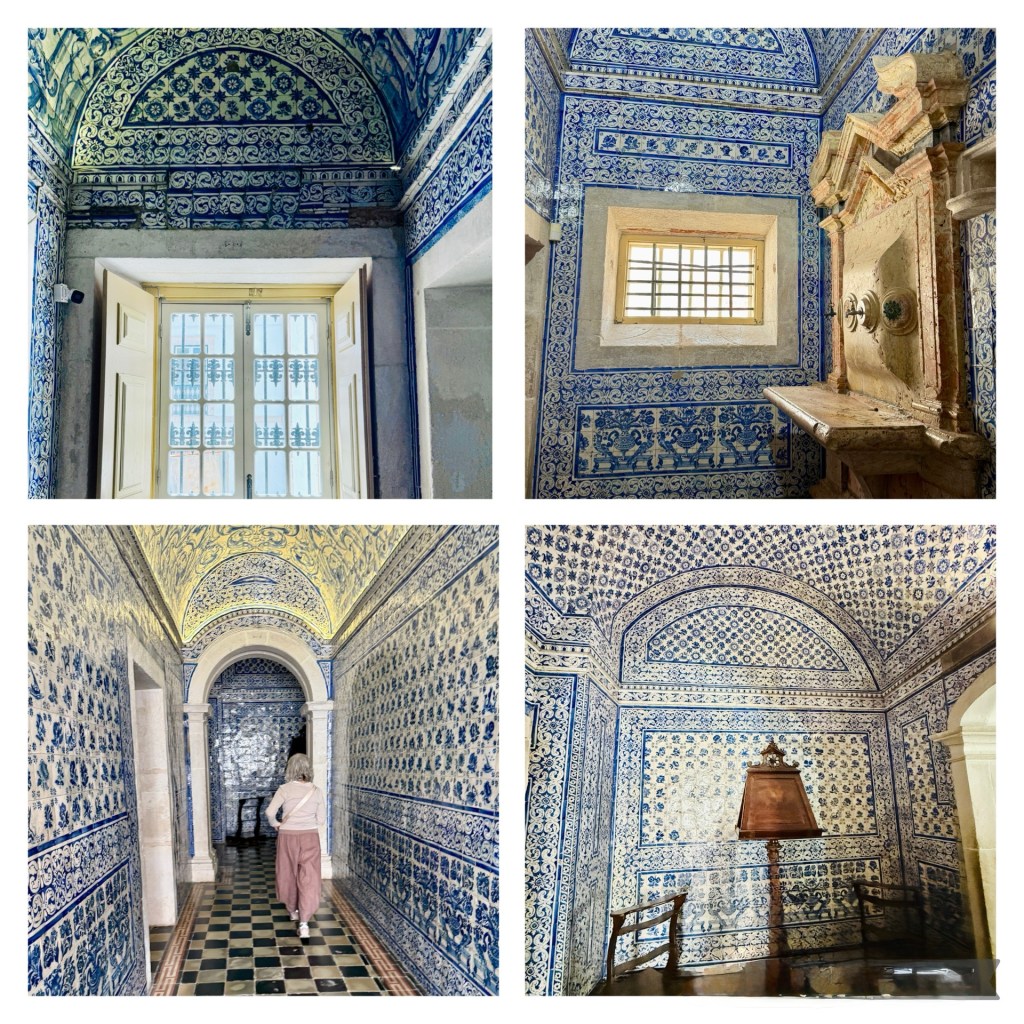
I didn’t really think of tiles as an art form until I traveled to Lisbon, where the buildings are famous for their stunning azulejo tiles. And this museum is the grand central station of azulejos and celebrates their history, creation and artistry. It was quite fascinating to visit with some beautiful examples of tiles from different parts of Portugal’s history.

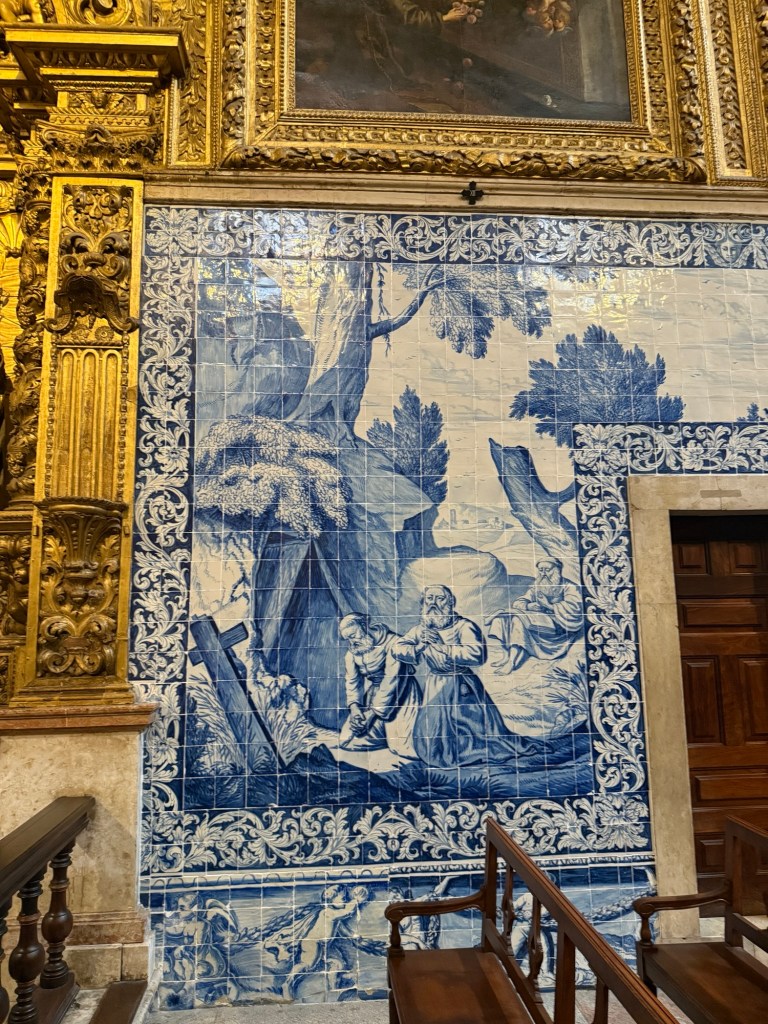
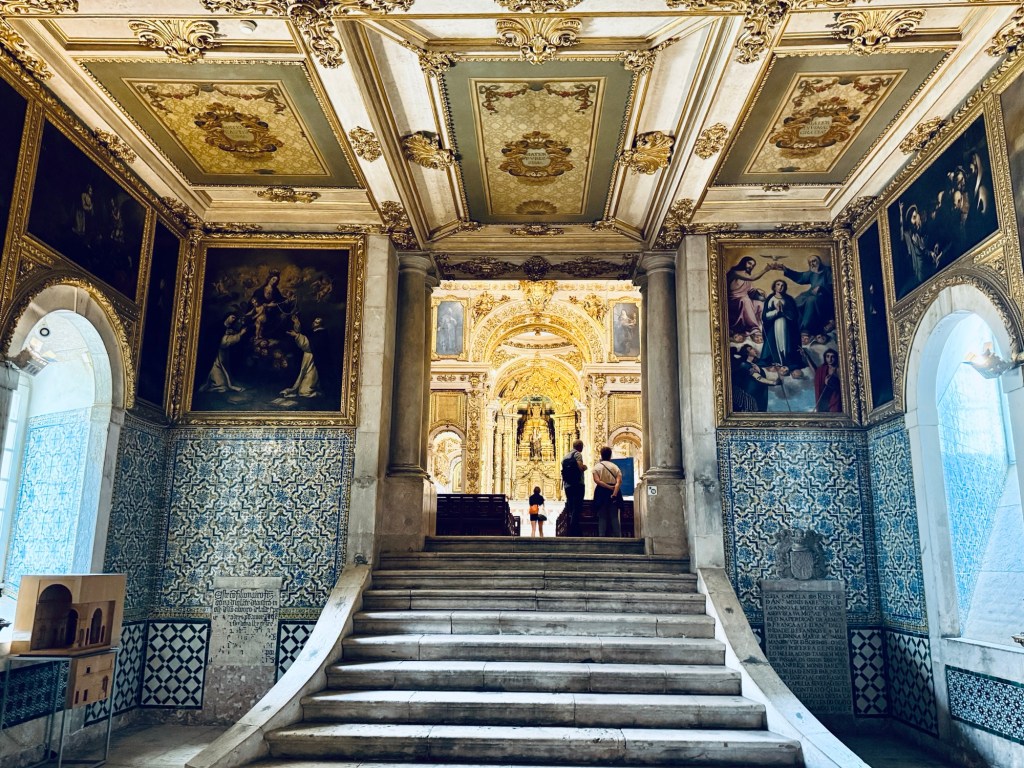
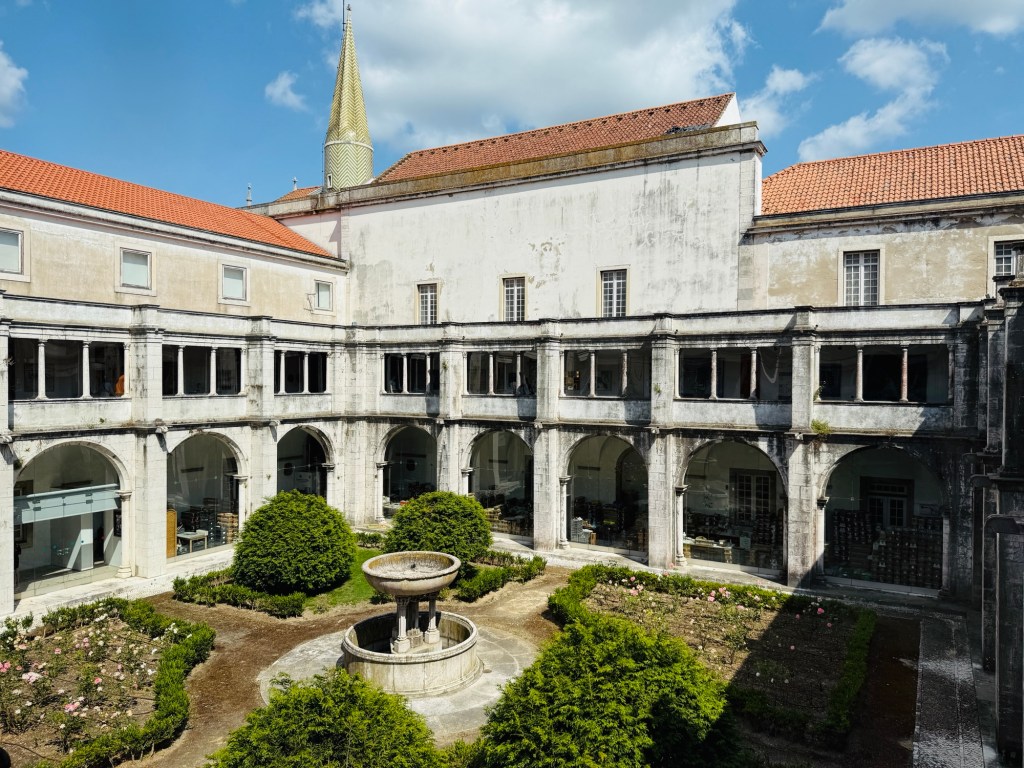
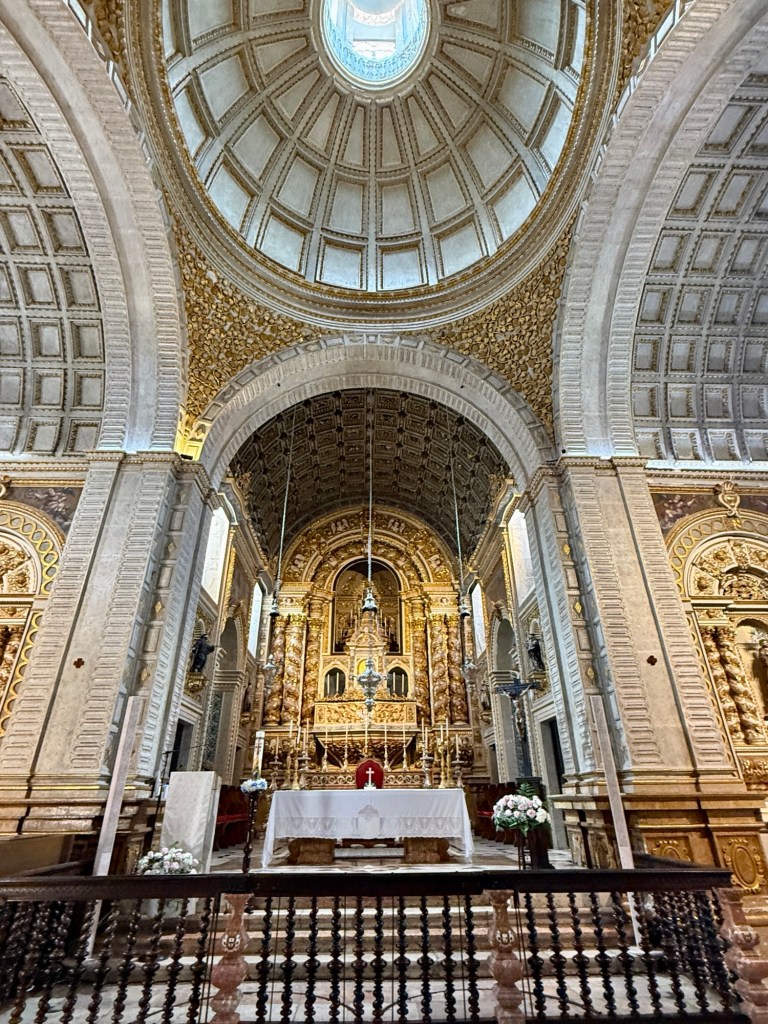
The museum is inside an old 16th century monastery…
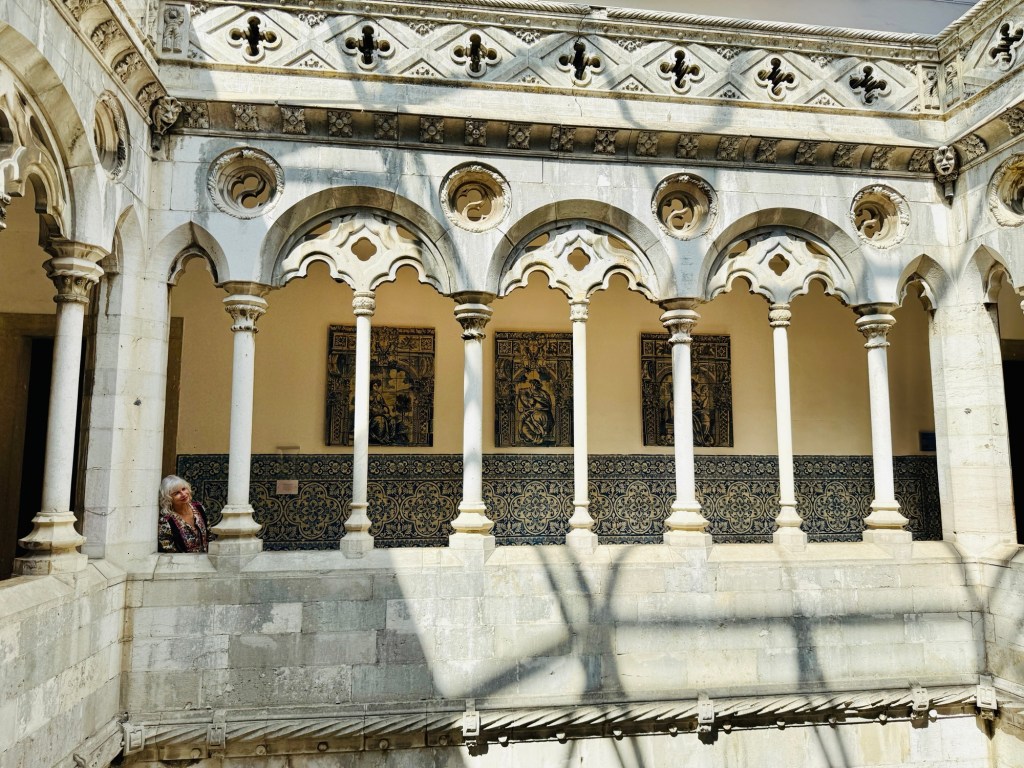
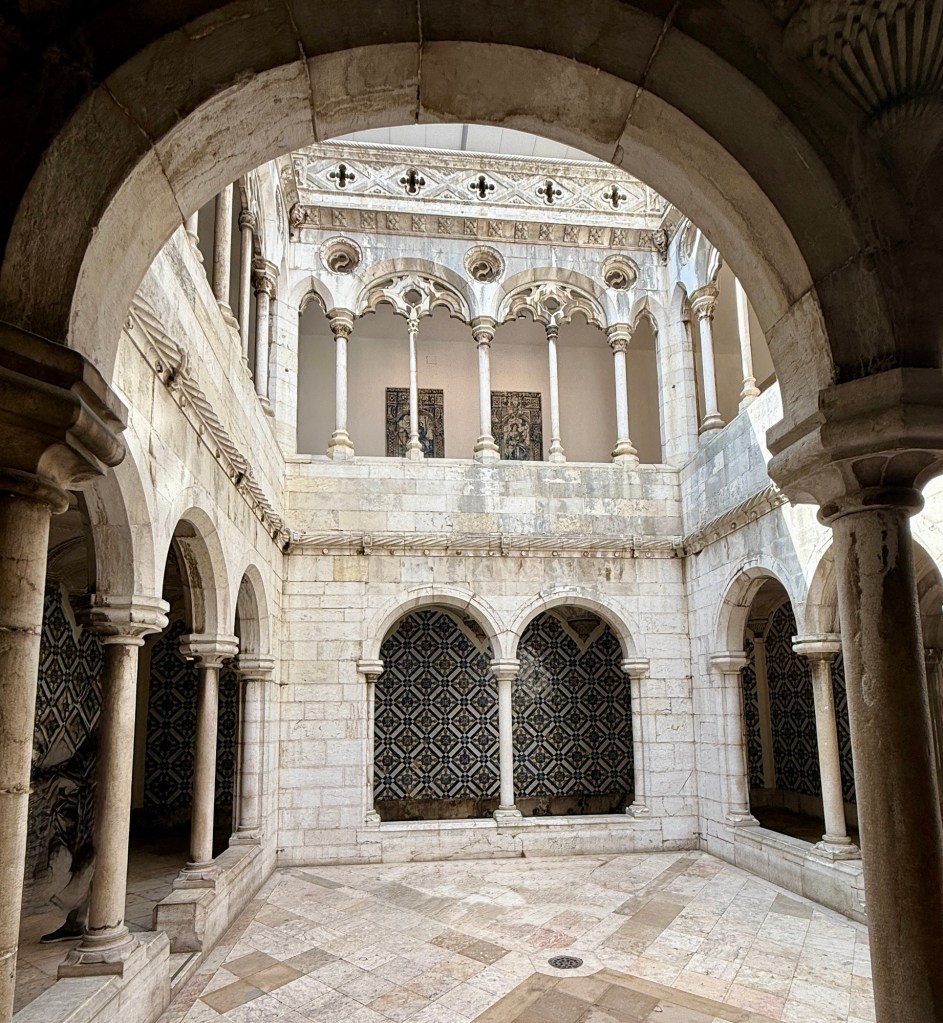
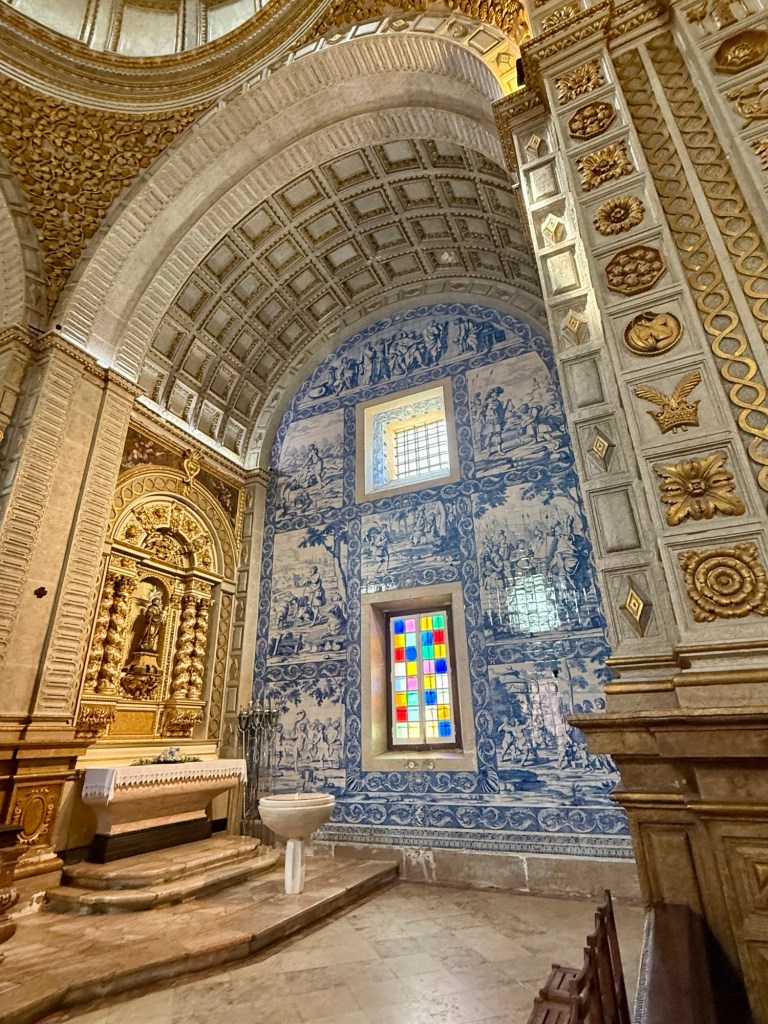
… with a chapel inside decorated in full Portuguese baroque splendour, with gilded and carved wood, paintings and tile panels.
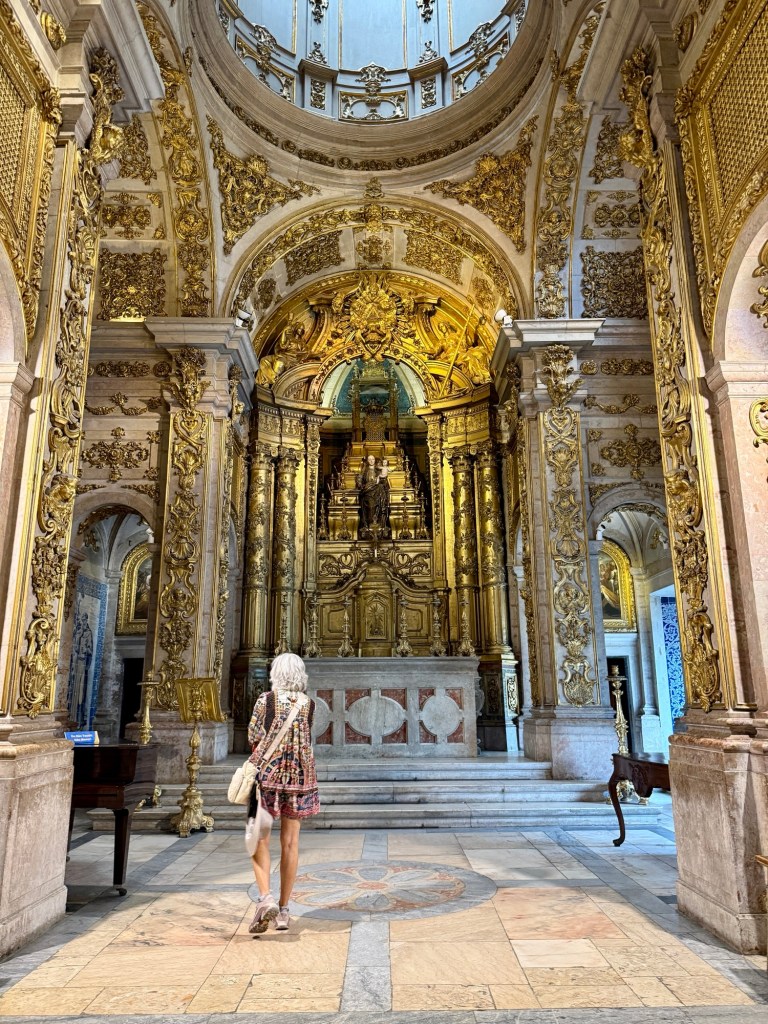
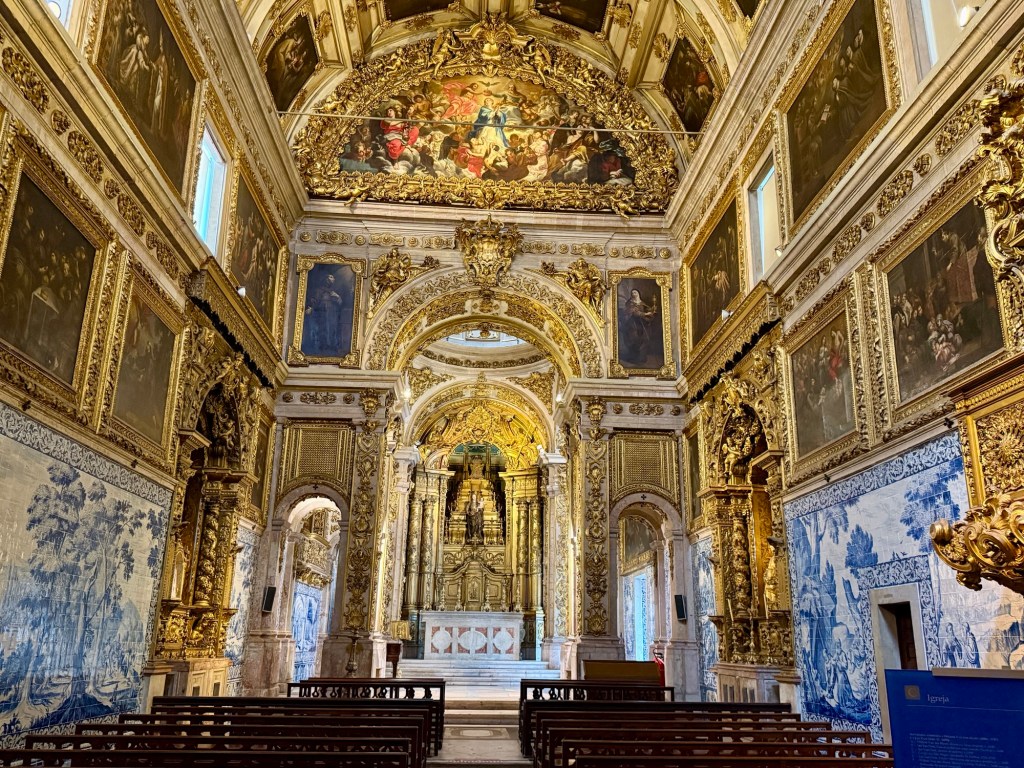
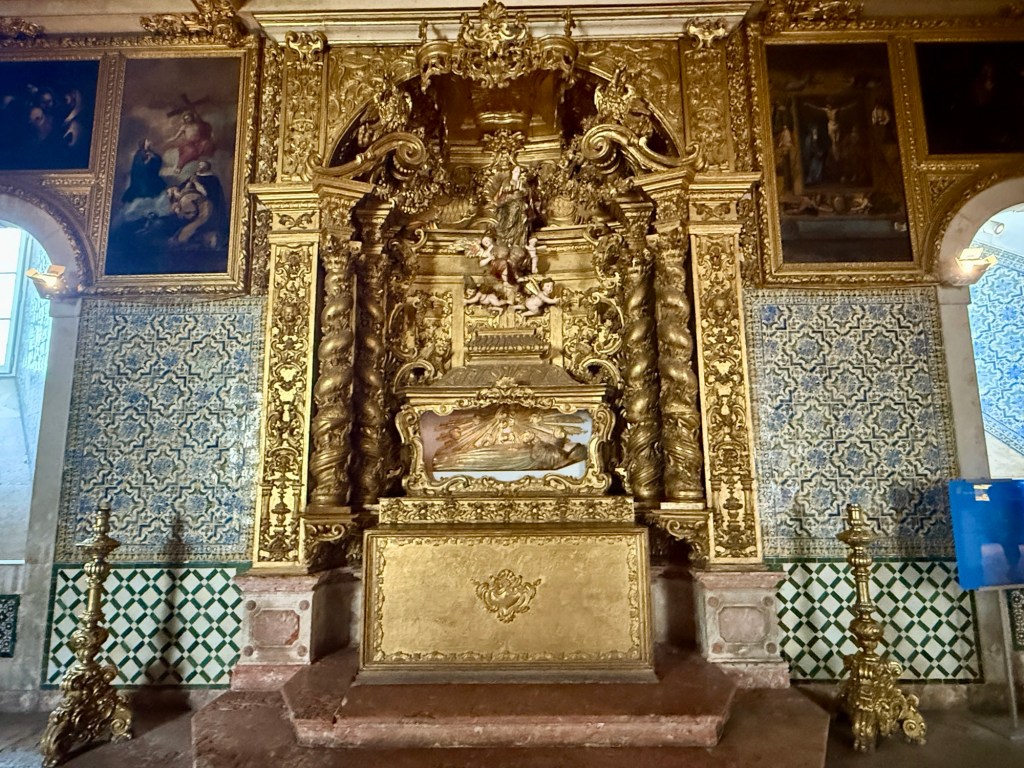
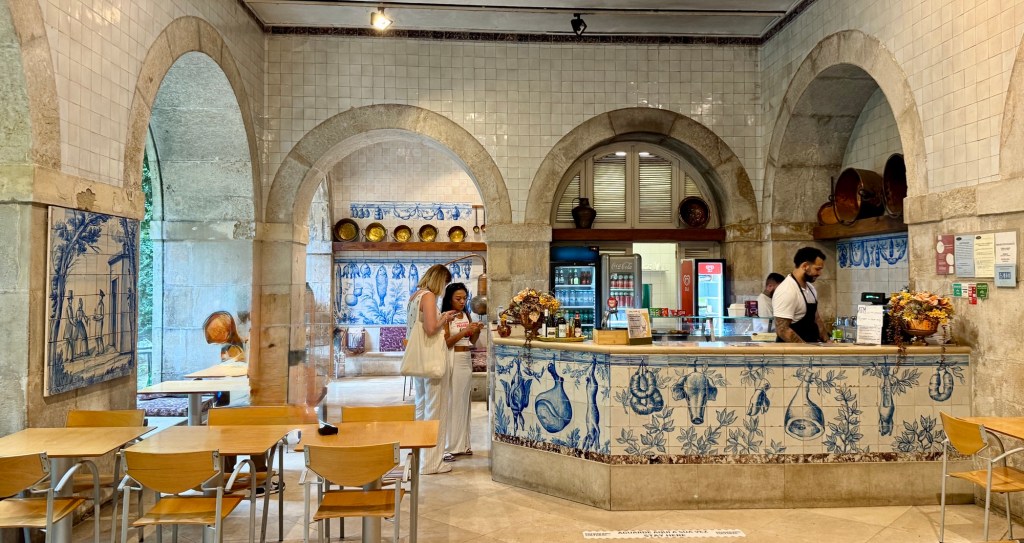
And there was also a gorgeous café inside appropriately adorned with 18th-century tiles.
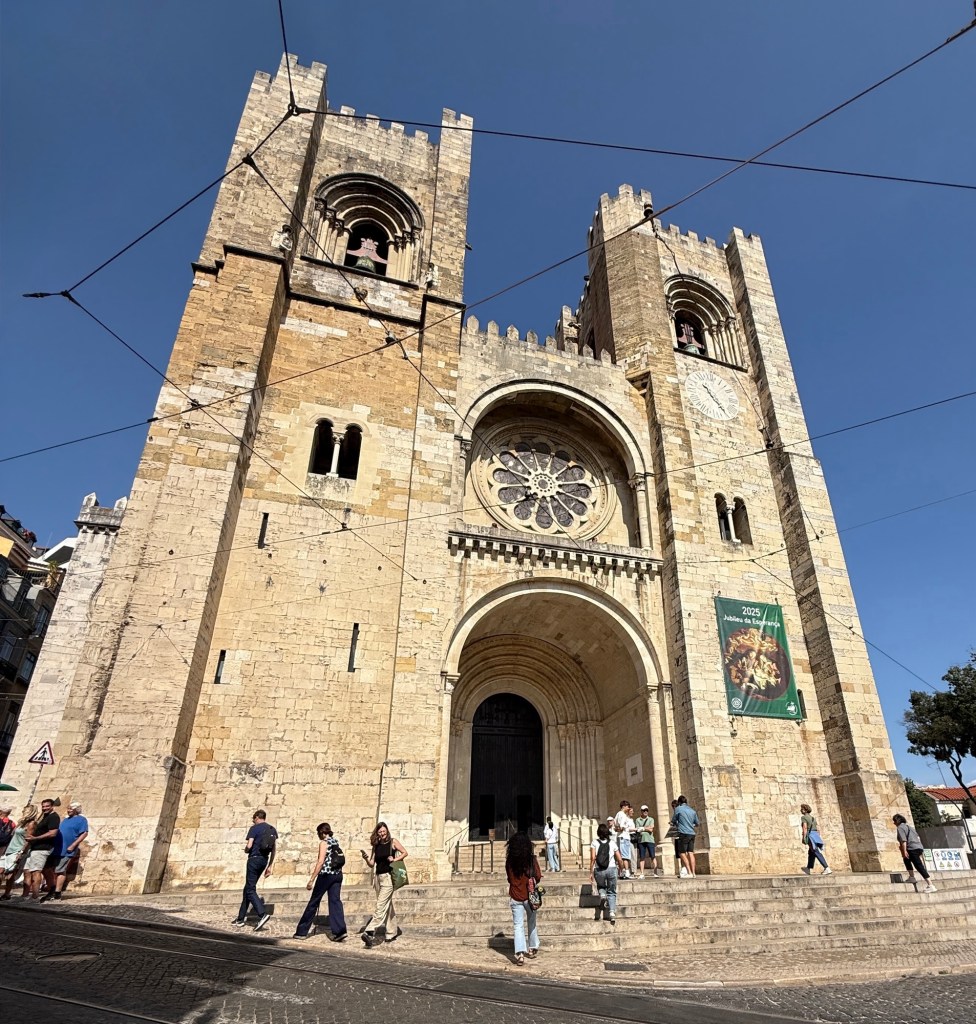
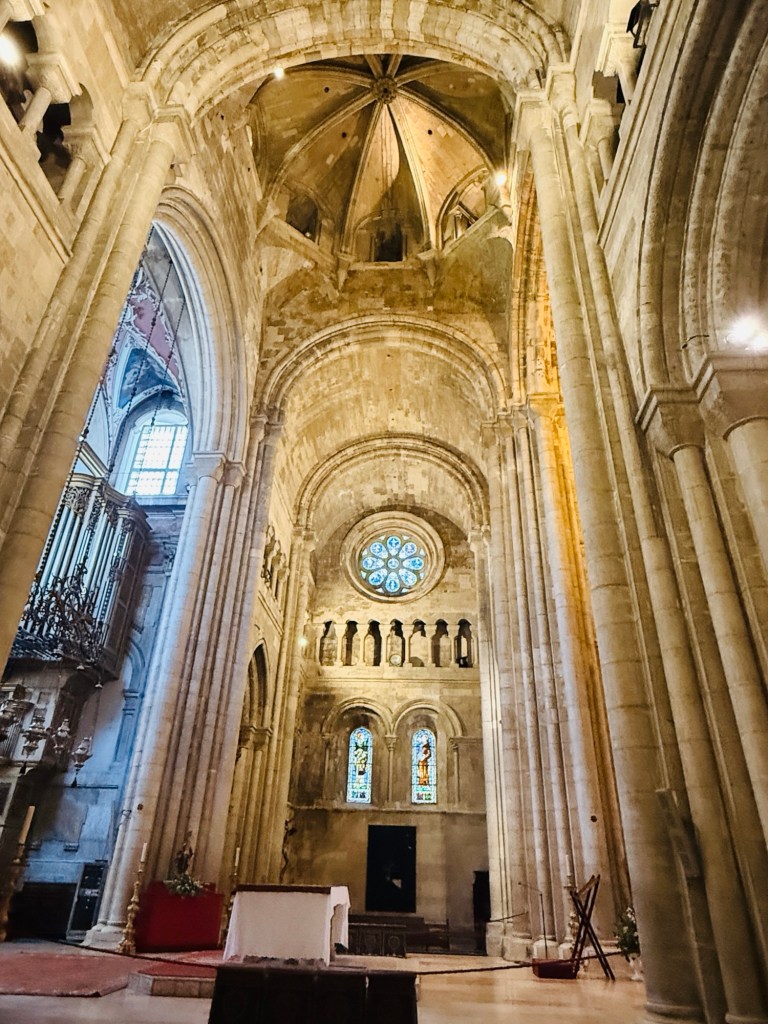
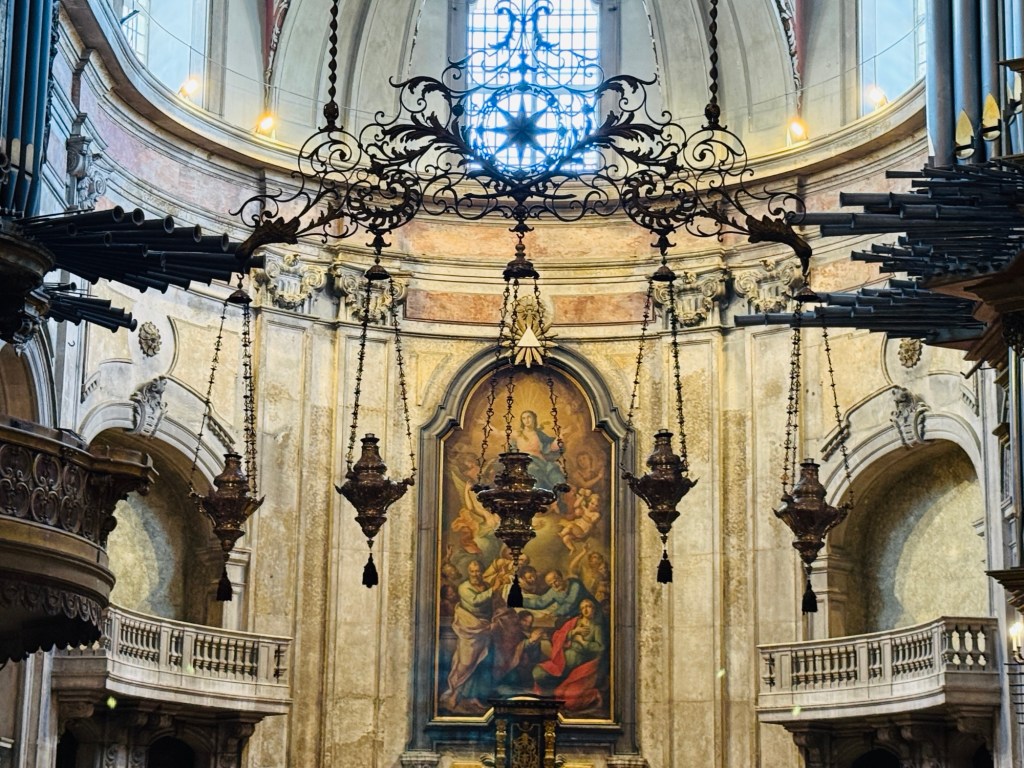
I couldn’t believe after five days in Lisbon, we hadn’t made it to the Se Cathedral so we made a quick visit… which perhaps we could have given a miss. All cathedrals are stunning in their own way… their enormity, ornate details etc etc but have to say I found this one quite uninspiring.
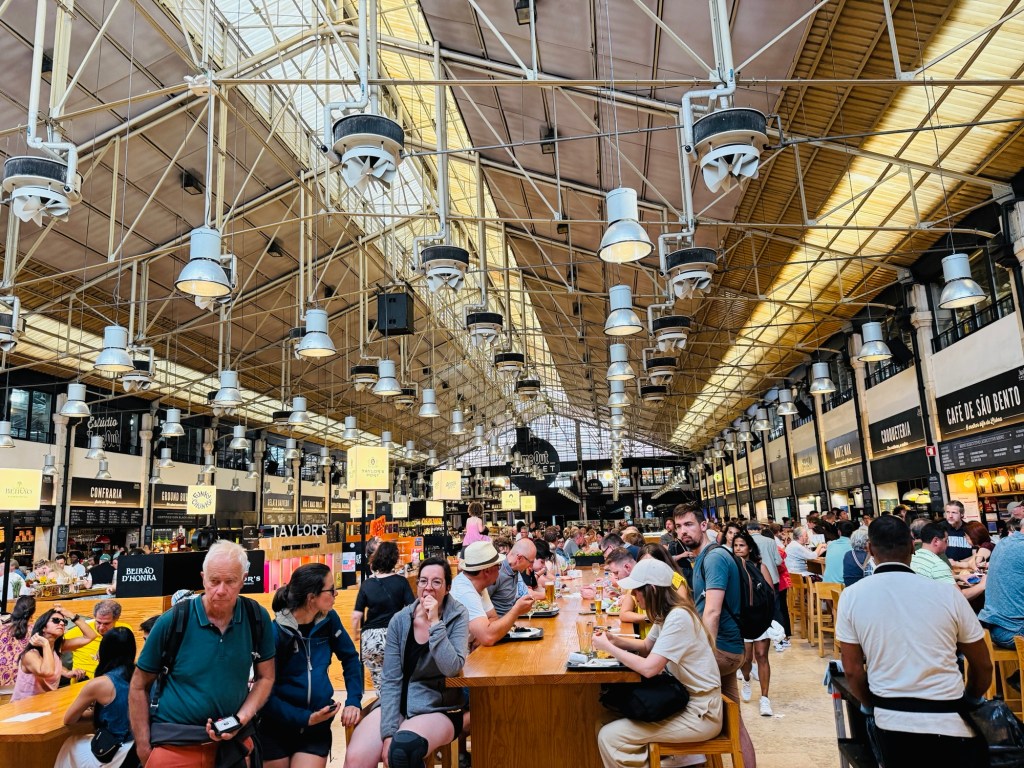
We dined at the Time Out Market… a very bustling, well-curated food court with lots of delicious options: essentially the top restaurants and chefs of Lisbon each have a booth here.
On our way home back in Alfama, Anne felt like a port so we stopped in a little restaurant and once again listened to some wonderful Fado music, which I have really developed a taste for.
A new adventure tomorrow as we leave Lisbon for Sintra, which I believe is magical. Watch this space.


 And I think to myself what a wonderful world