Not that I’m counting 😂. But actually I am… because I have this goal of 70 before 70 (countries) and I really need to get moving if I’m going to achieve that. So Luxembourg is a 2 1/2-3 hour fast and comfortable train ride from Paris… and we thought why not? It’s just a day trip! And a pretty one at that!
Luxembourg is a tiny but gorgeous land-locked country nestled between France, Belgium, and Germany, with an area of only 998 square miles. It is one of the richest, most expensive, and smallest countries in the world. It is also culturally diverse and plays an important role in the United Nations and European politics. Luxembourg belonged to different countries (The Netherlands, Spain, Austria, France, and Prussia) before finally becoming an independent constitutional monarchy in 1839. Random fact- Luxembourg is called the Grand Duchy of Luxembourg and it is the only Grand Duchy in the world!
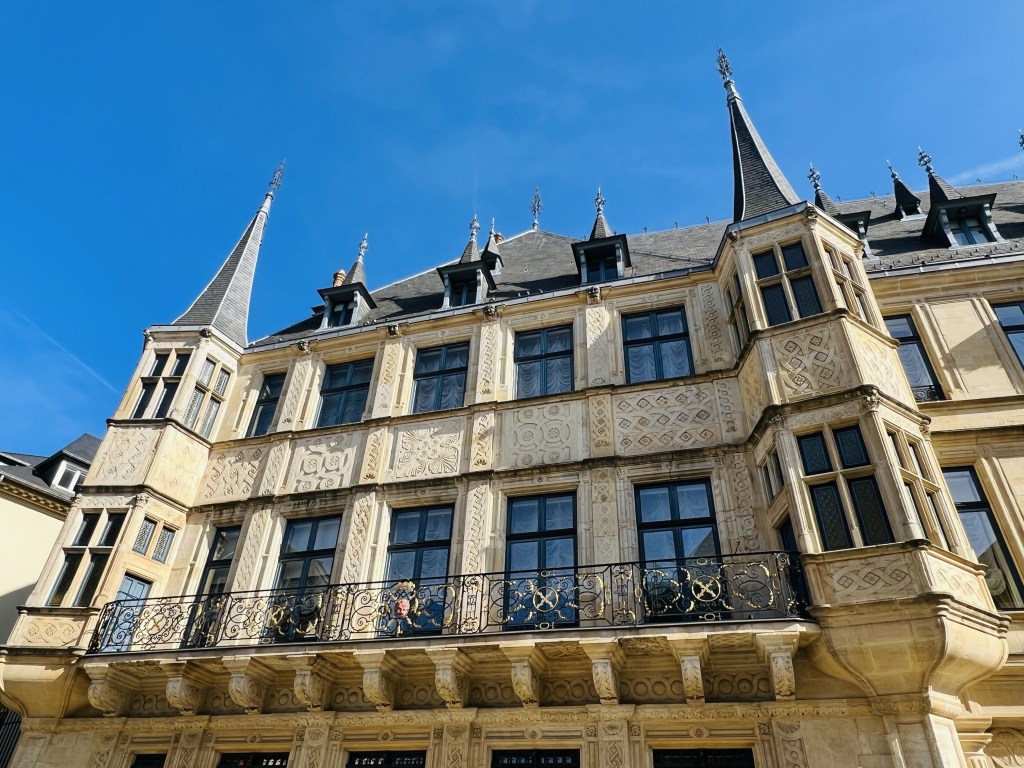
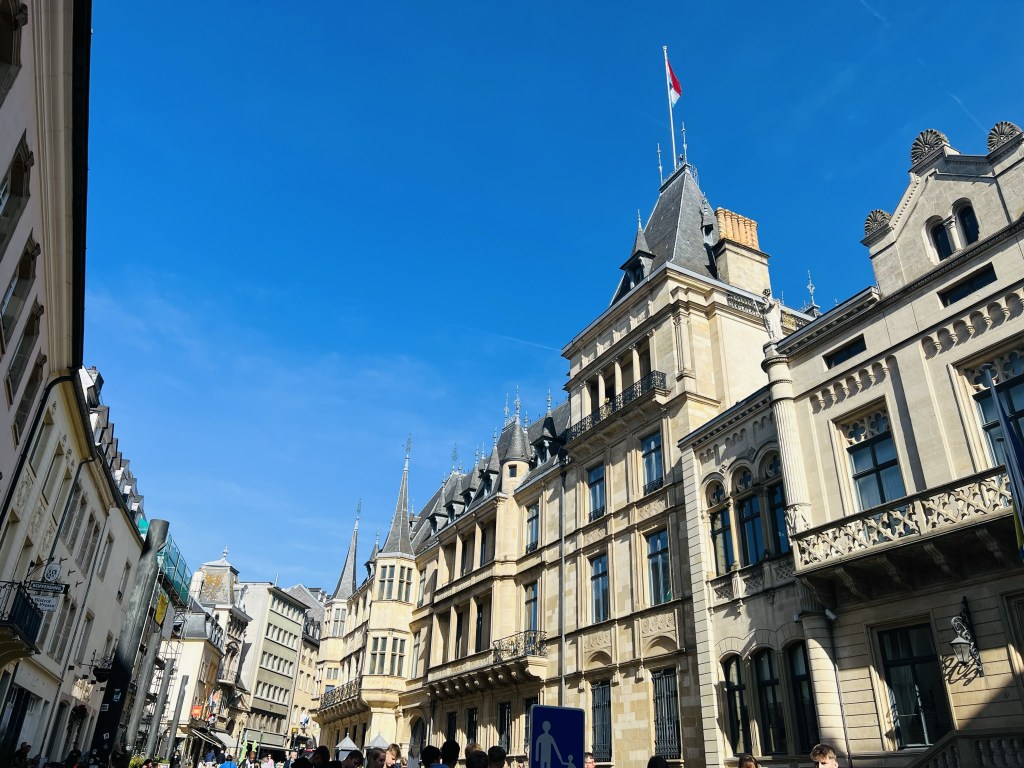
The Palace of the Grand Dukes or the Palais Grand-Ducal is located in the old town center of Luxembourg… and is beautiful but surprisingly unpretentious.
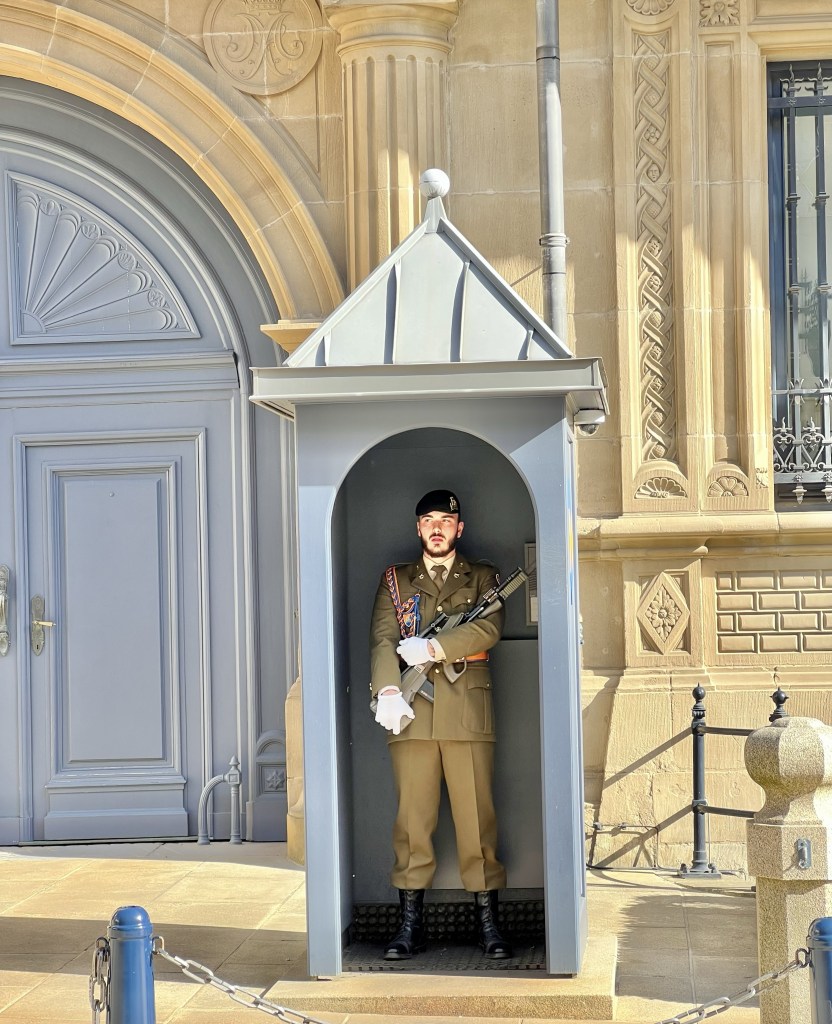
It is the official residence of the Grand Duke of Luxembourg. And this is where the Duke performs his duties as head of state. There are 2 guards at the palace entrance and they do a changing of the guard each day (which again we missed by 5 minutes 🤷🏼♀️).
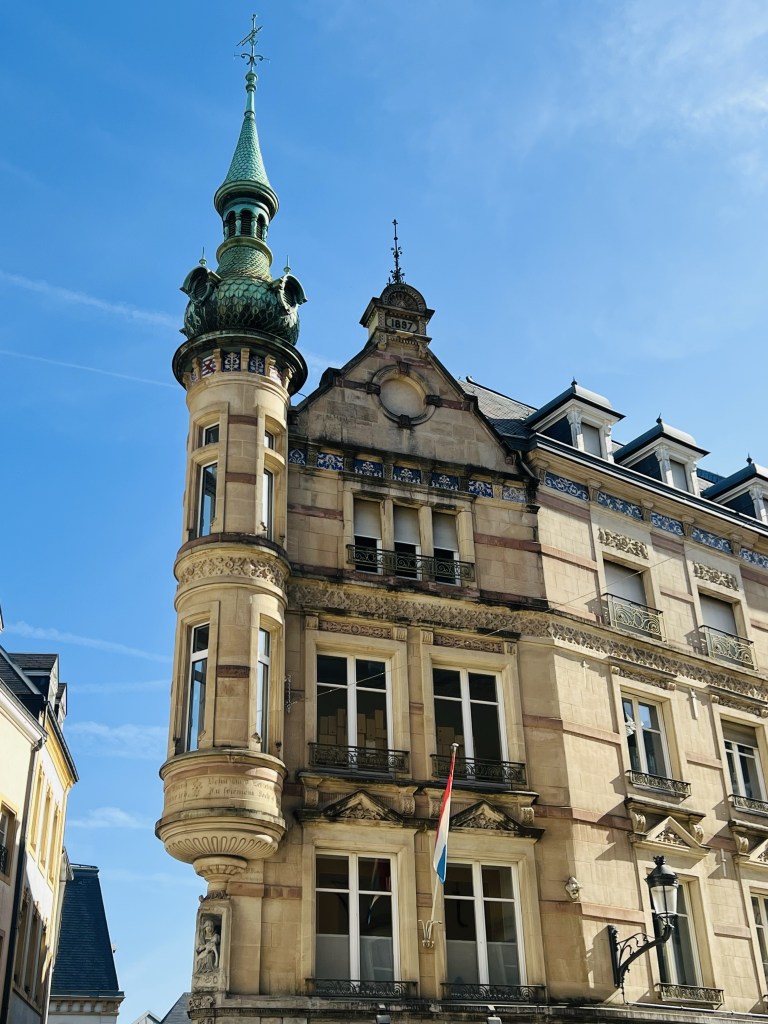
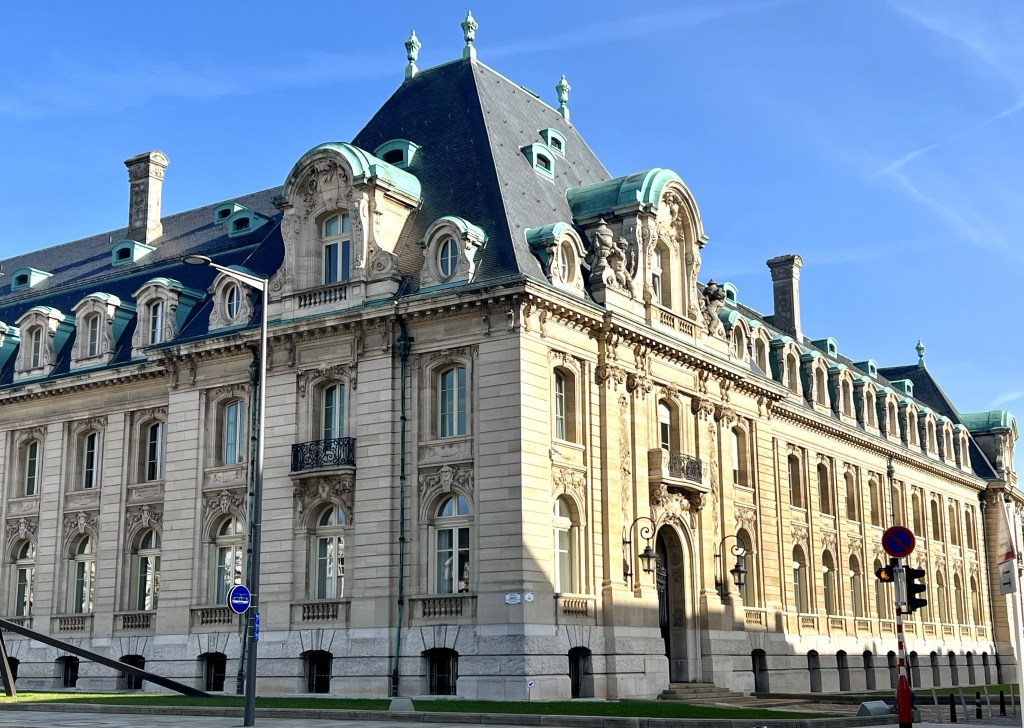
The country has only one major city that comprises that majority of its population- Luxembourg City… and so this is where we headed. The city packs all the essentials of a great place: gorgeous architecture…
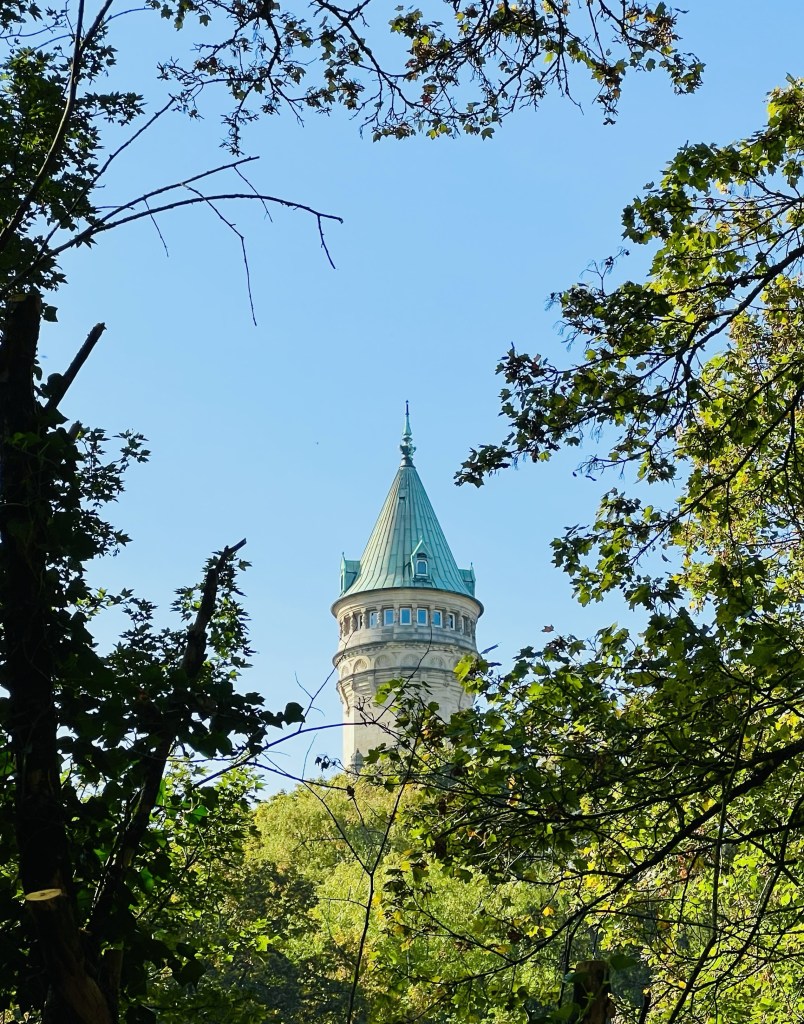
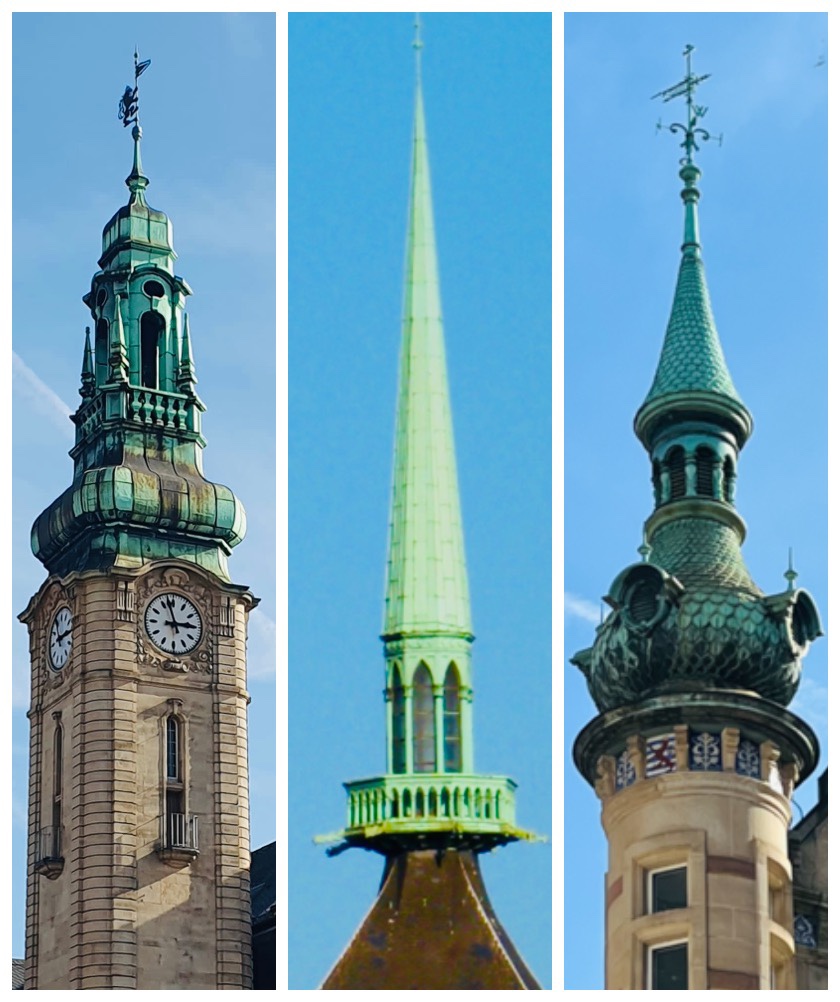
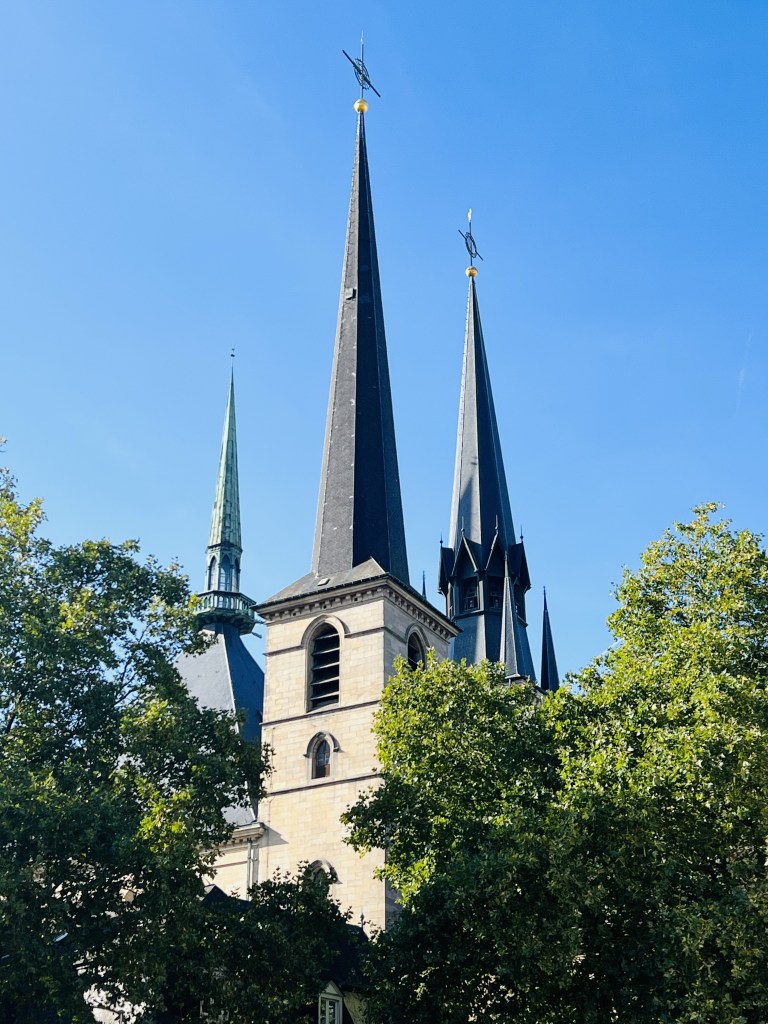
Lots of cool turquoise coloured spires and steeples
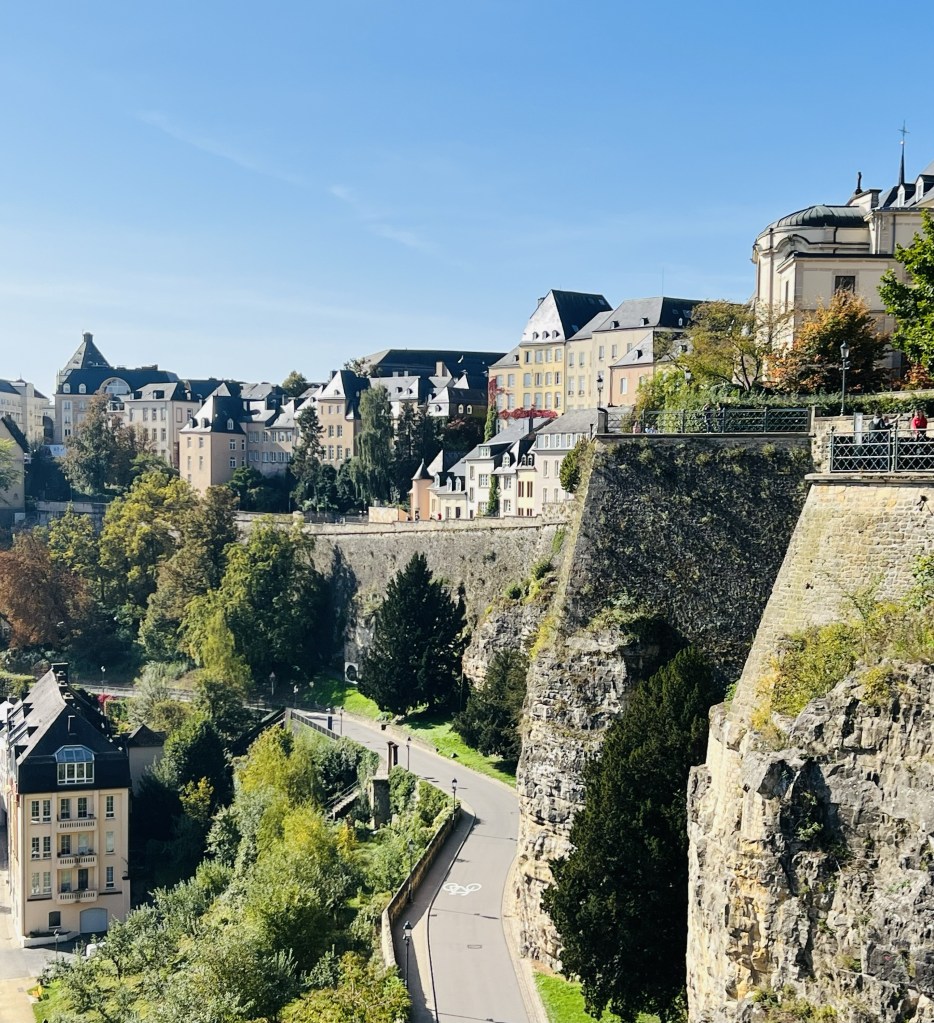
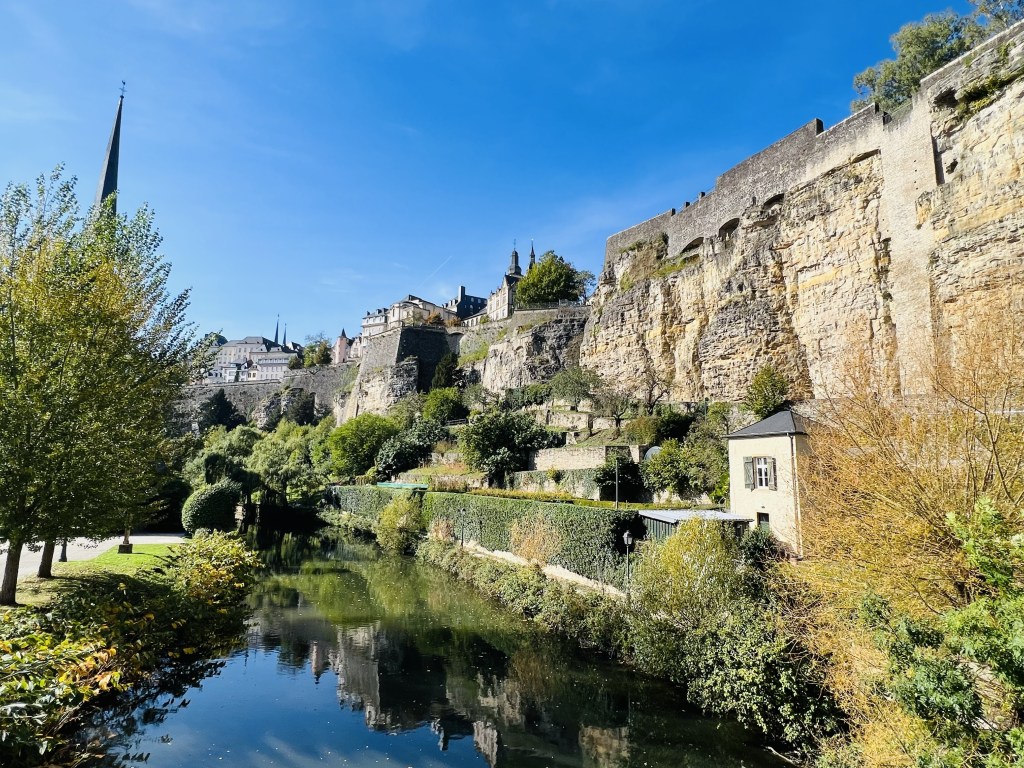
… numerous events and one of the most exceptional fortifications in Europe…
… so its kind of surprising that you don’t hear more about it as a travel destination.
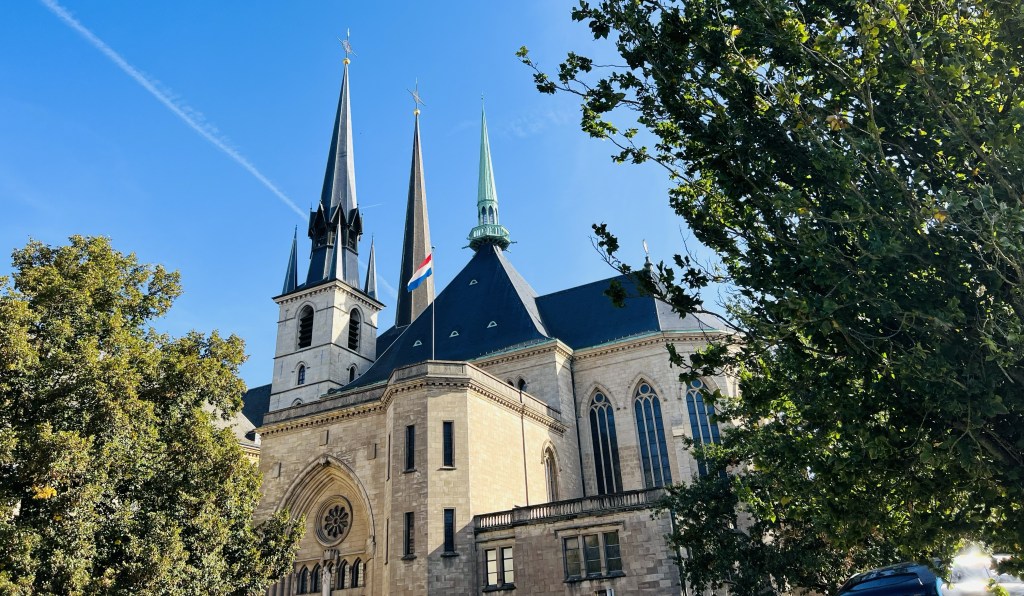
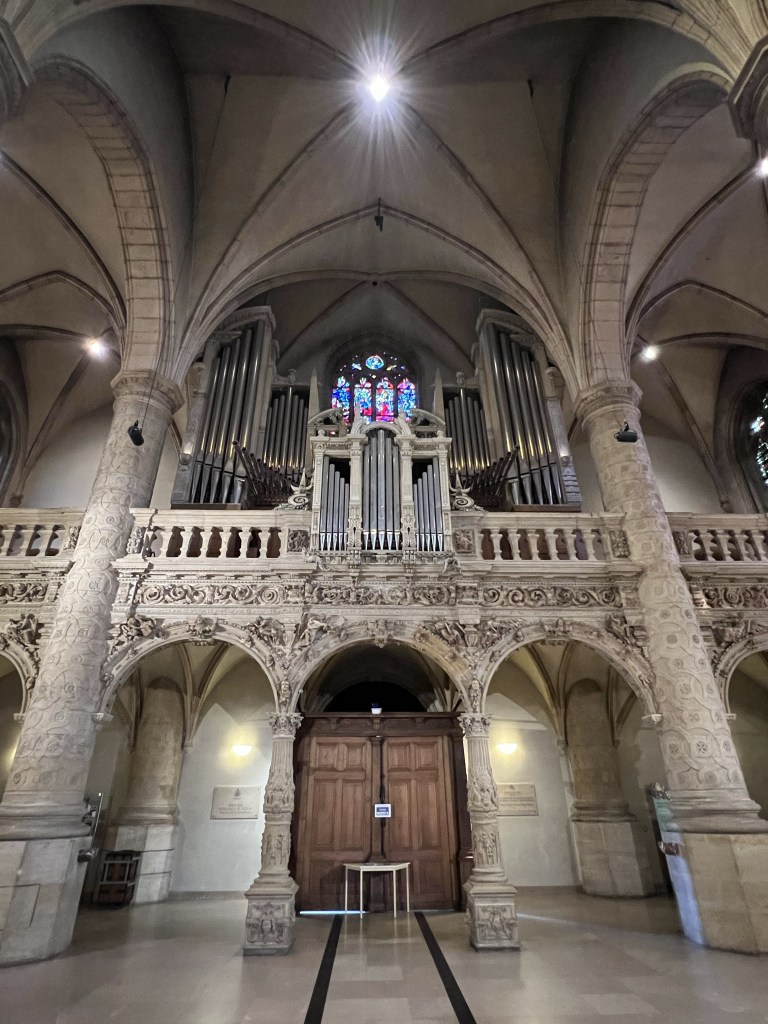
Notre Dame Cathedral is a Roman Catholic Church and is the only cathedral in the country of Luxembourg. The cathedral is really beautiful and is a great example of Gothic architecture intermixed with Renaissance elements.
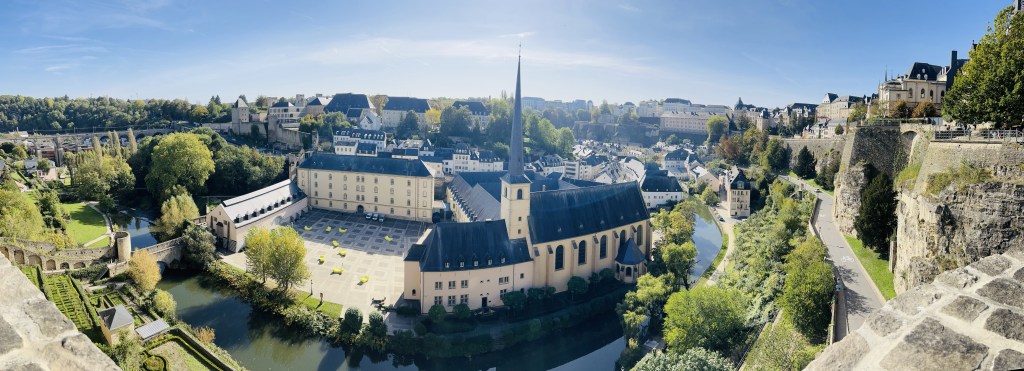
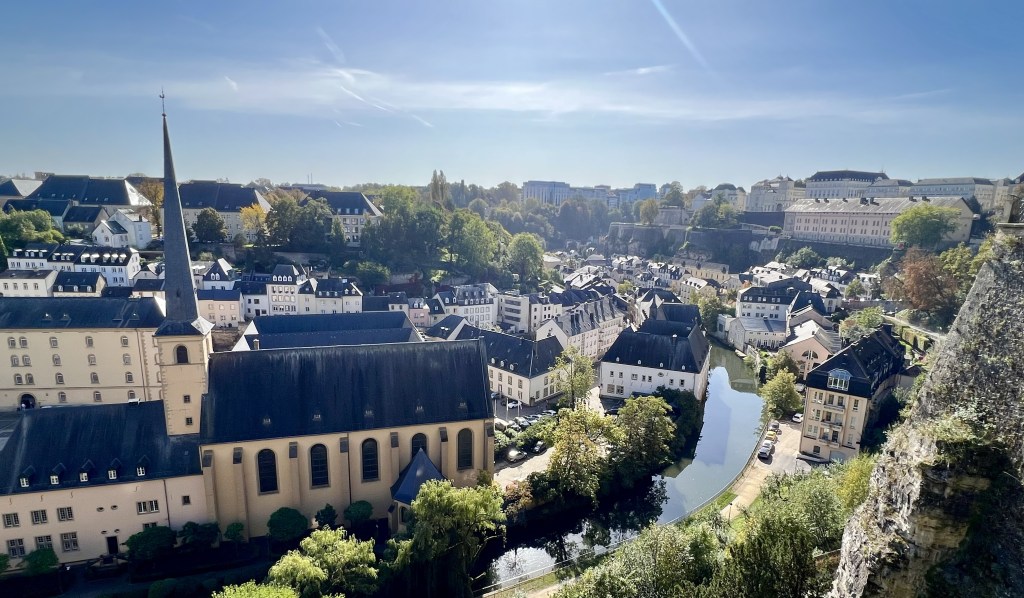
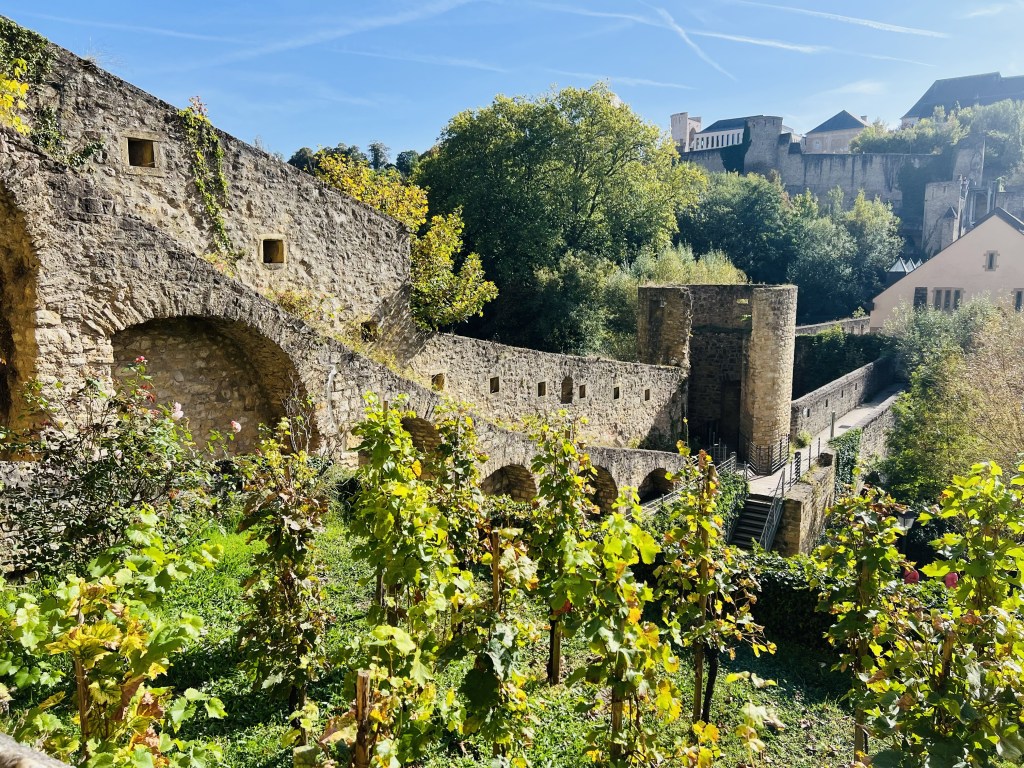
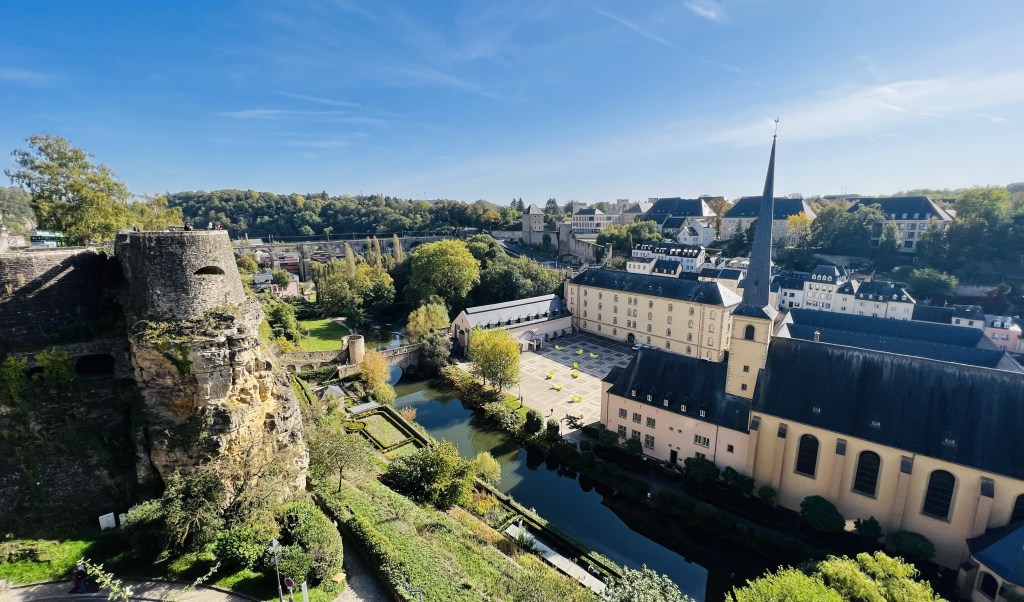
Luxembourg City is a small town where you can visit everything by foot… although not quite in a day but we did our best. It exists on two different levels: the upper town and the lower town. The upper town is the old town, and it was built in the 10th century. We wandered the Chemin de la Corniche which is often called the most beautiful balcony in Europe. It’s a lovely walk on a cobblestone pathway that winds down from above the steep fortified walls that surround the city in the old town, to the lower level. From the top the views of the Alzette Valley, the Grund (lower level) and also the roofs of houses in Luxembourg City, churches and cliffs are postcard worthy, with the quaint town and colourful trees below (as the leaves are definitely beginning to change with the coming autumn). In fact there are stunning views pretty much in every direction.
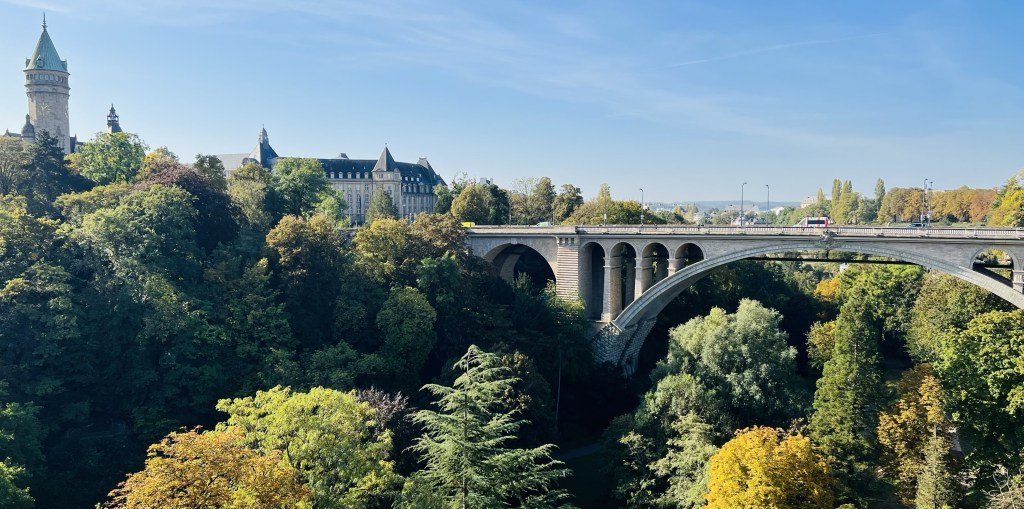
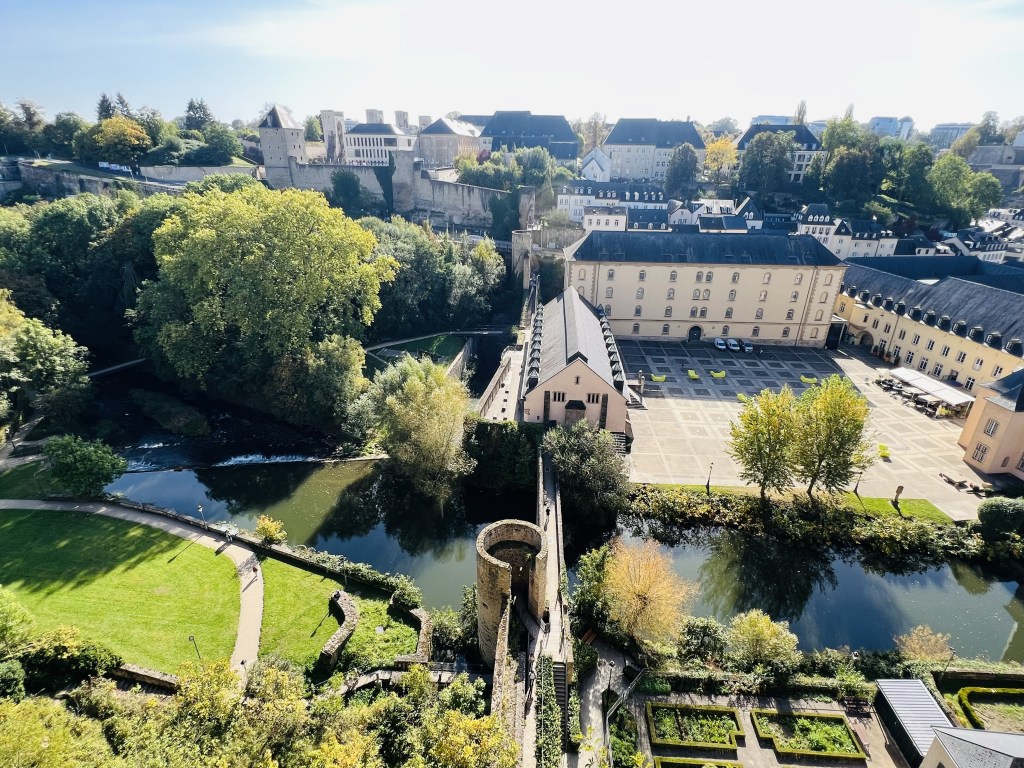
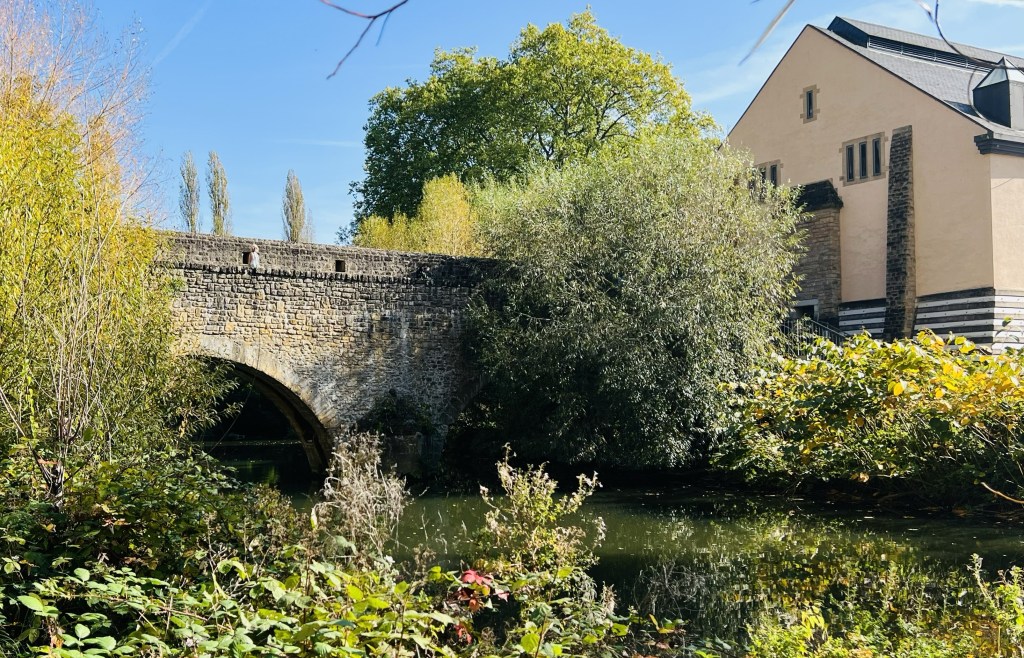
We walked down lots of steps and a steep path to cross a cute little stone bridge…
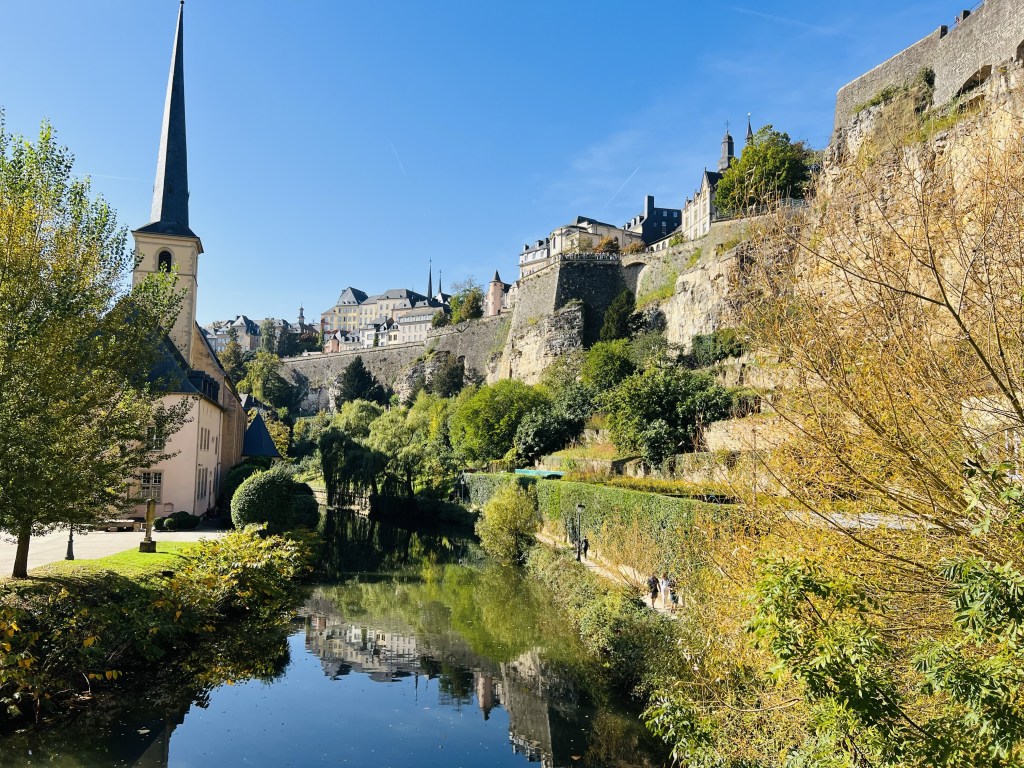
… and take some time to walk a little around the Grund, a famous area in the lower town… actually looking for somewhere for lunch. This neighbourhood is a UNESCO World Heritage Site and a lovely district where you can walk along the Alberts River and see wonderful houses made of stone, gardens, bridges, cobblestone pathways…
… the famous abbey of Neumünster…
You really feel like you’re in the setting of an 18th century epic tale!
We ended up walking back up to the old town for a late lunch and had a bit more of a wander around before heading back for our train to Paris. Definitely worth the effort to visit this beautiful and unique little country.
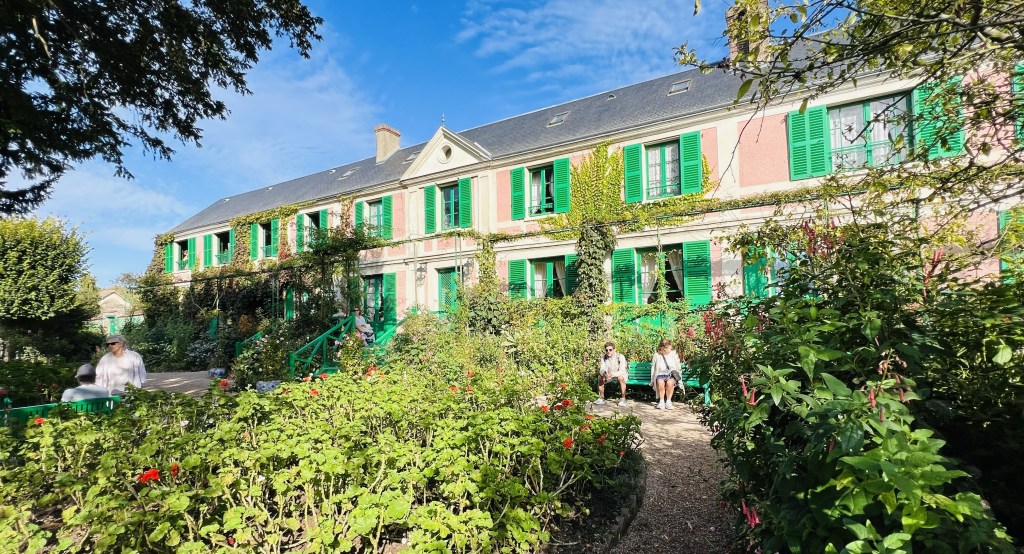
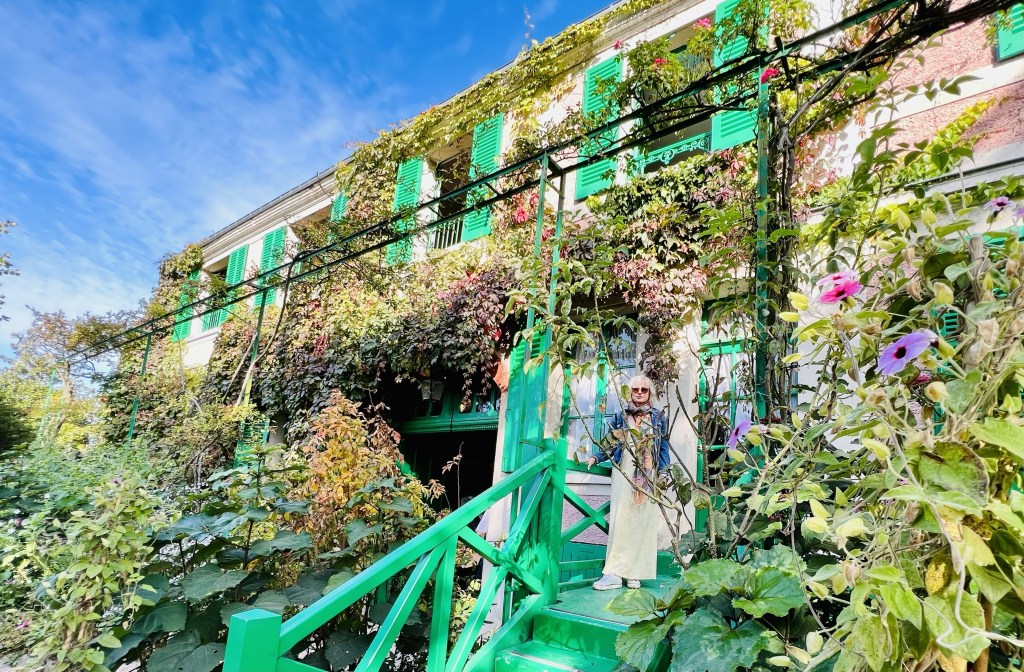
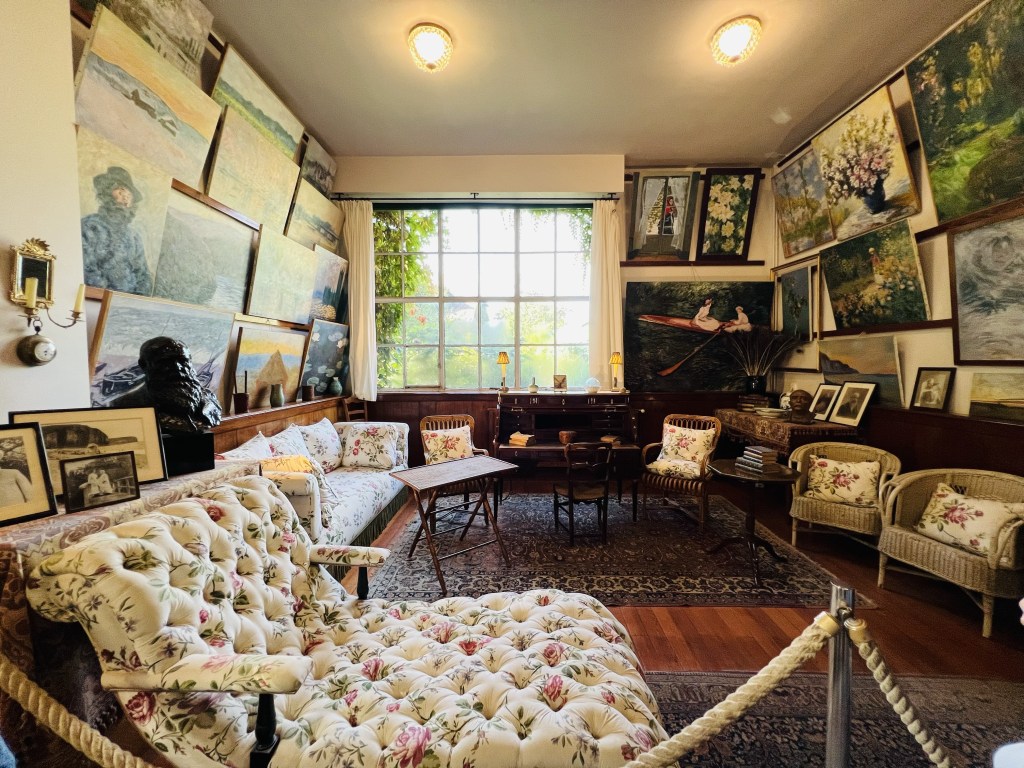
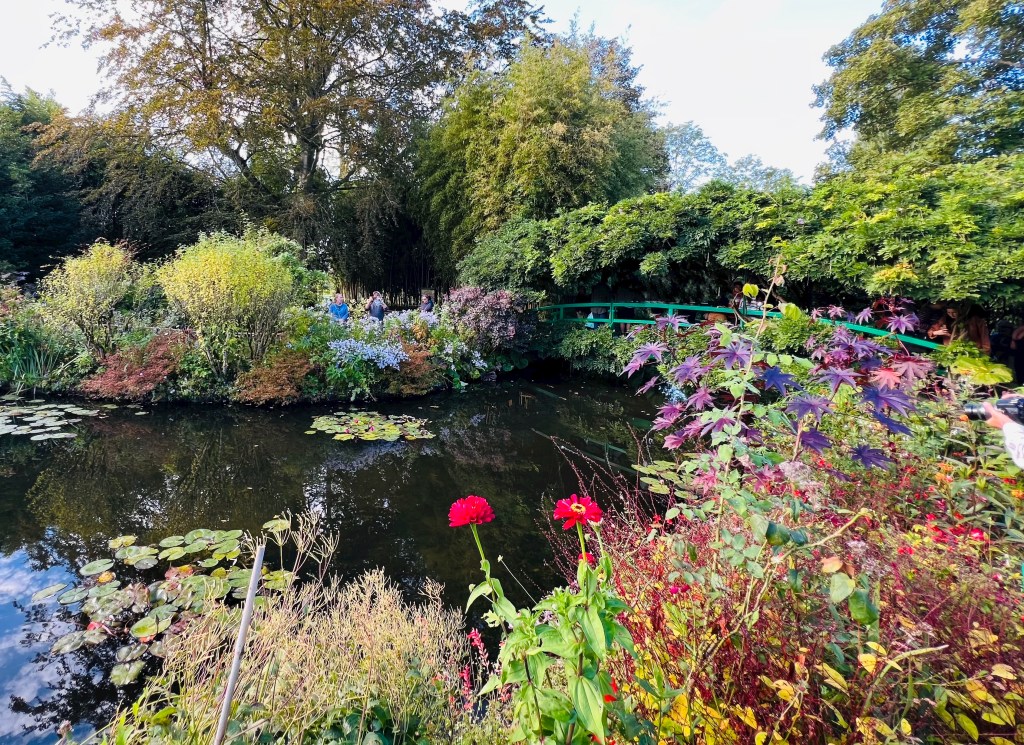
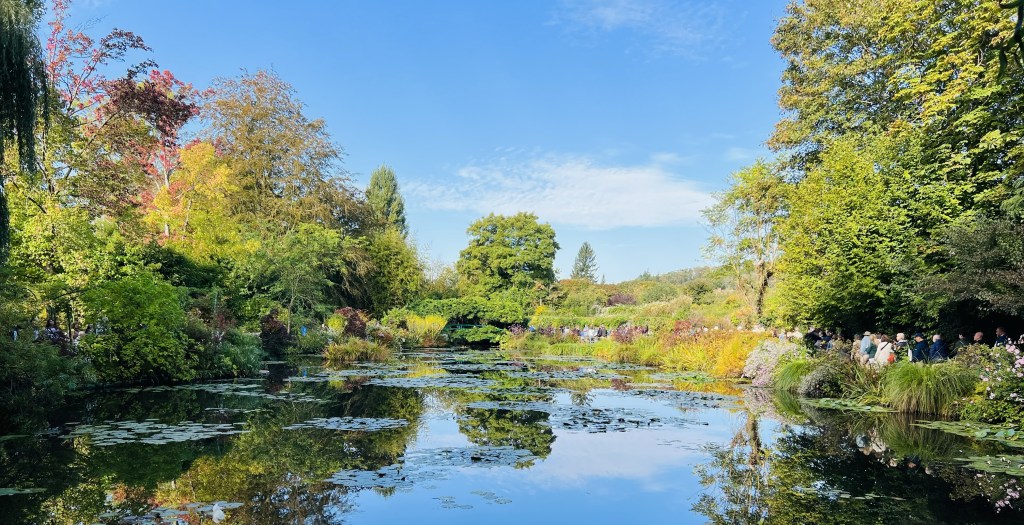
We took a day trip from Paris to fulfil another of my dreams… to an ethereal and exquisitely staged garden in the French-Norman countryside. With the scent of roses wafting in the air, Monet’s garden is one of the world’s most beautiful and popular gardens. For Monet, flowers were his brushstrokes. And I felt as if I’d stepped into a work of art… a utopian Impressionist painting… and I never wanted to leave. How could this beauty be one persons garden?
Monet had been my favourite artist as long as I can remember… and Impressionism, my favourite style or period. It is hard to believe that they were once considered rebels in the art world and true artistic success and financial stability eluded Monet for much of his life. Fiercely independent and dedicated to his craft, Monet gave courage to fellow artists in the face of harsh criticism.
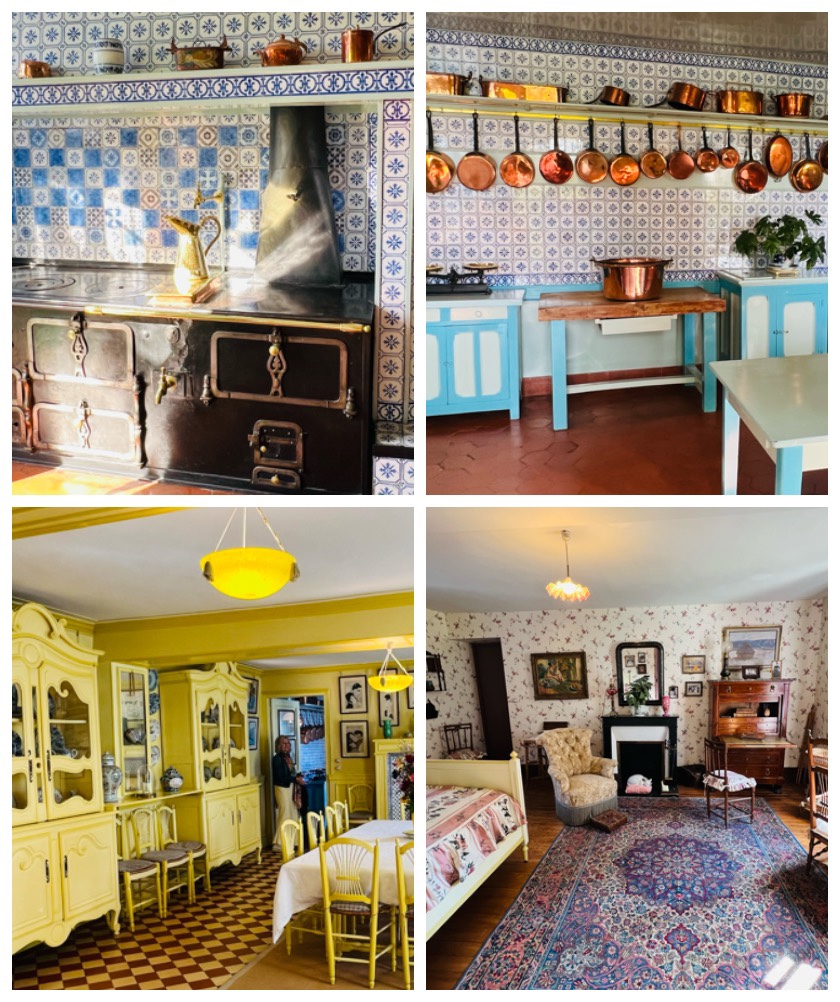
He did eventually find success within his lifetime and came to be regarded as one of the most important and pivotal figures in Western art history. He’s the poster boy for Impressionism, and a symbol of French painting. He attained international fame and amassed a considerable personal fortune. Monet funneled his newfound wealth into his other passion, horticulture. At Giverny, Monet created an ideal home for his family, a haven protected from the outside world and surrounded by the countryside that he loved.
He said “what I need most are flowers…. always and always.”
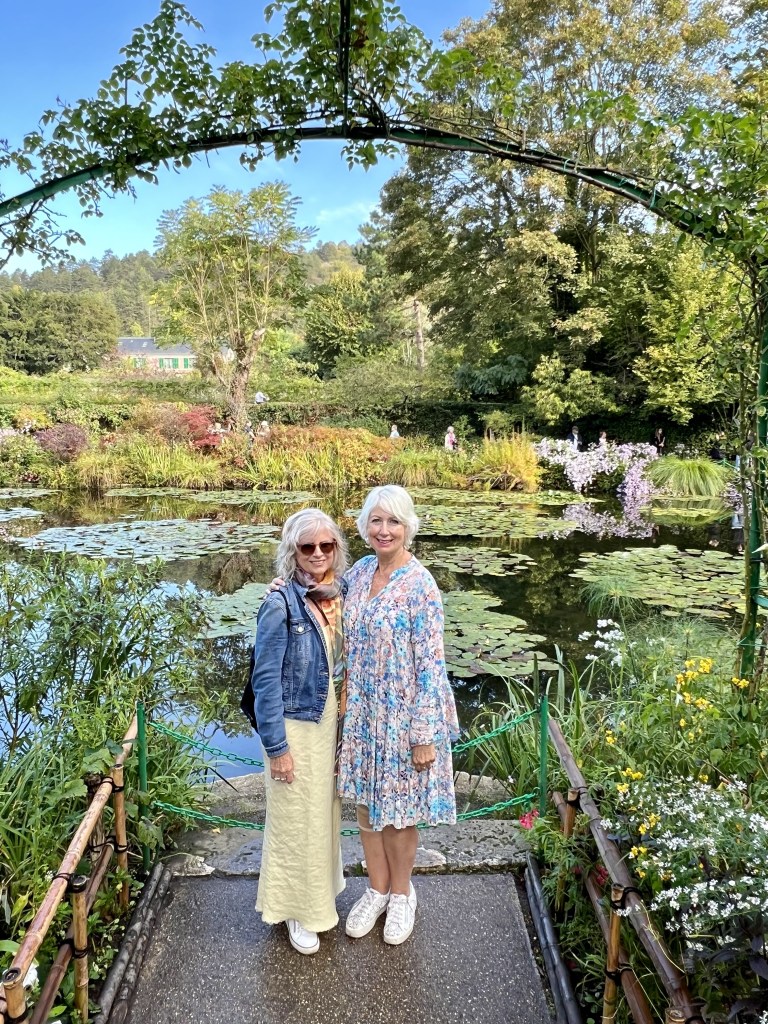
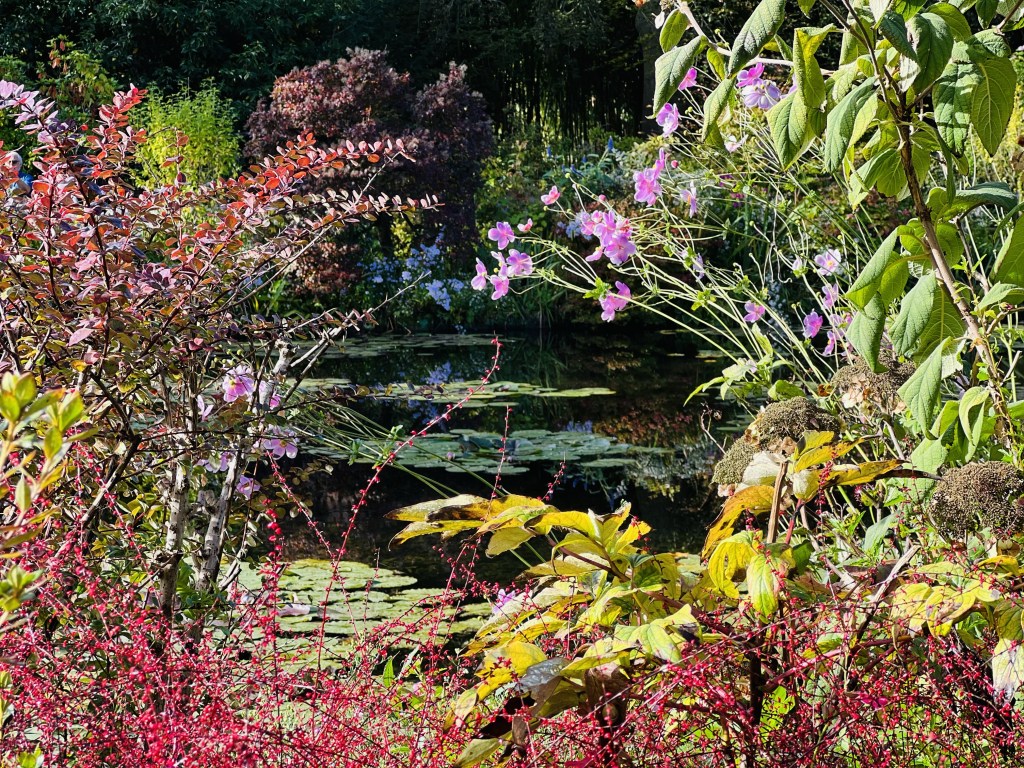
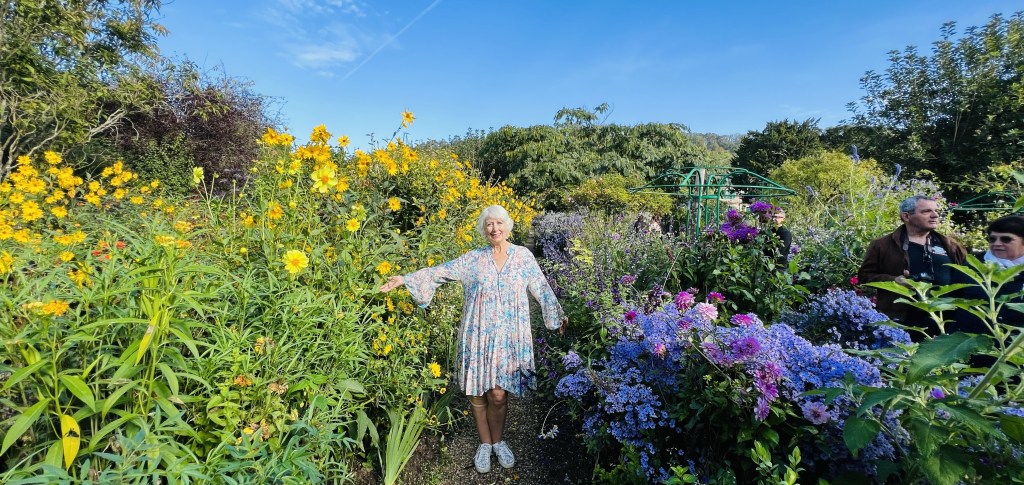
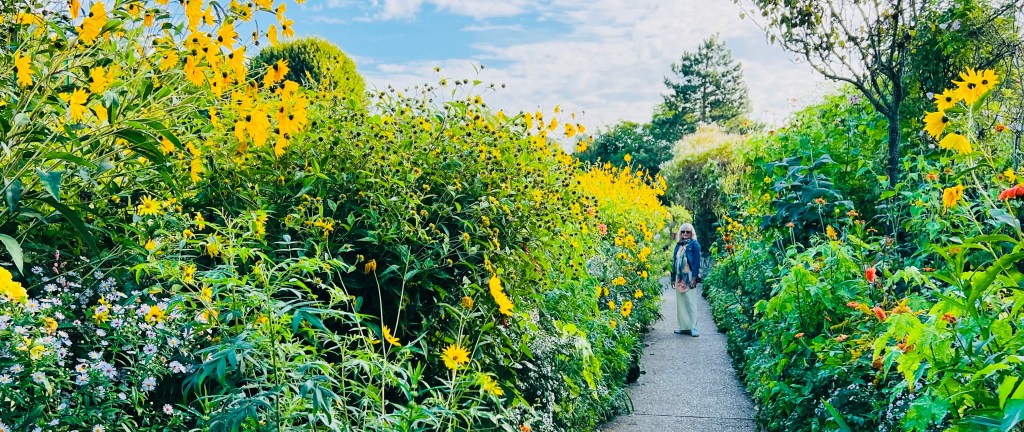
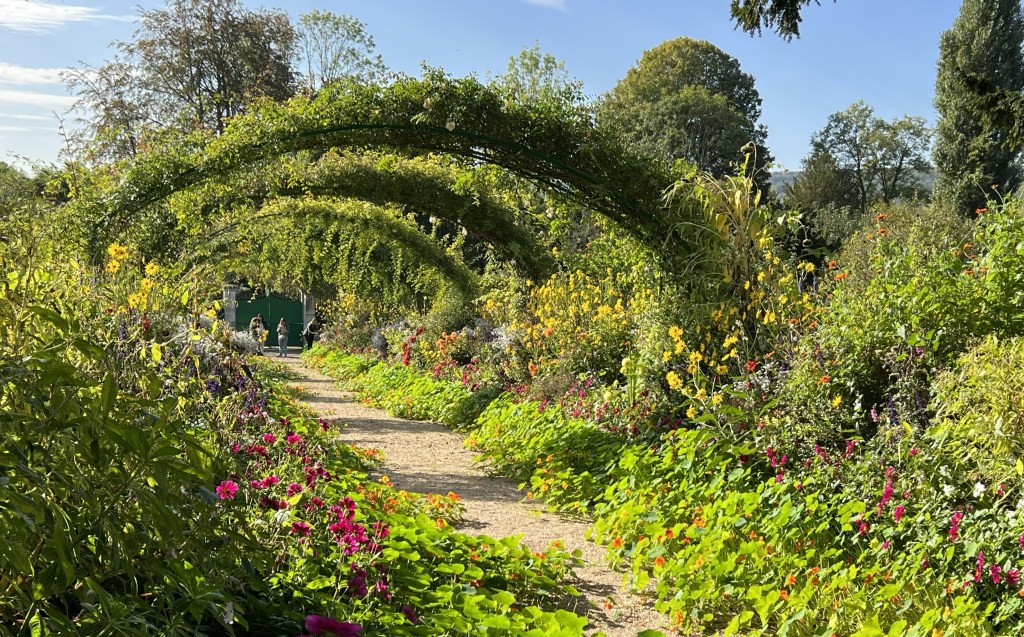
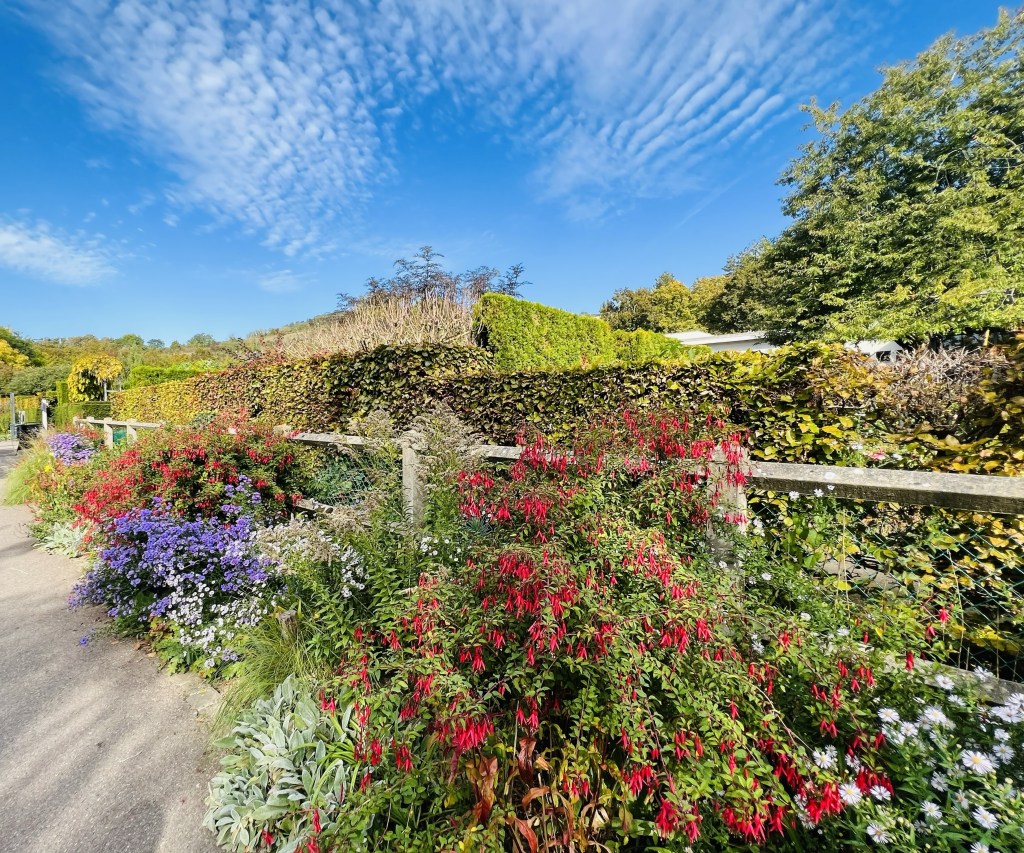
Strolling this garden amongst the flying insects, chatter of visitors and clucking of resident Japanese hens from the garden’s henhouse it is easy to see why Monet loved his garden so much. He did not see it as merely a fashionable flower garden filled with rare species, but rather a painting, becoming a ‘transposition of art’. Perennials and annuals bordered by irises and dahlias gave constant colour and he loved to capture this colour by painting from nature whenever the weather permitted.
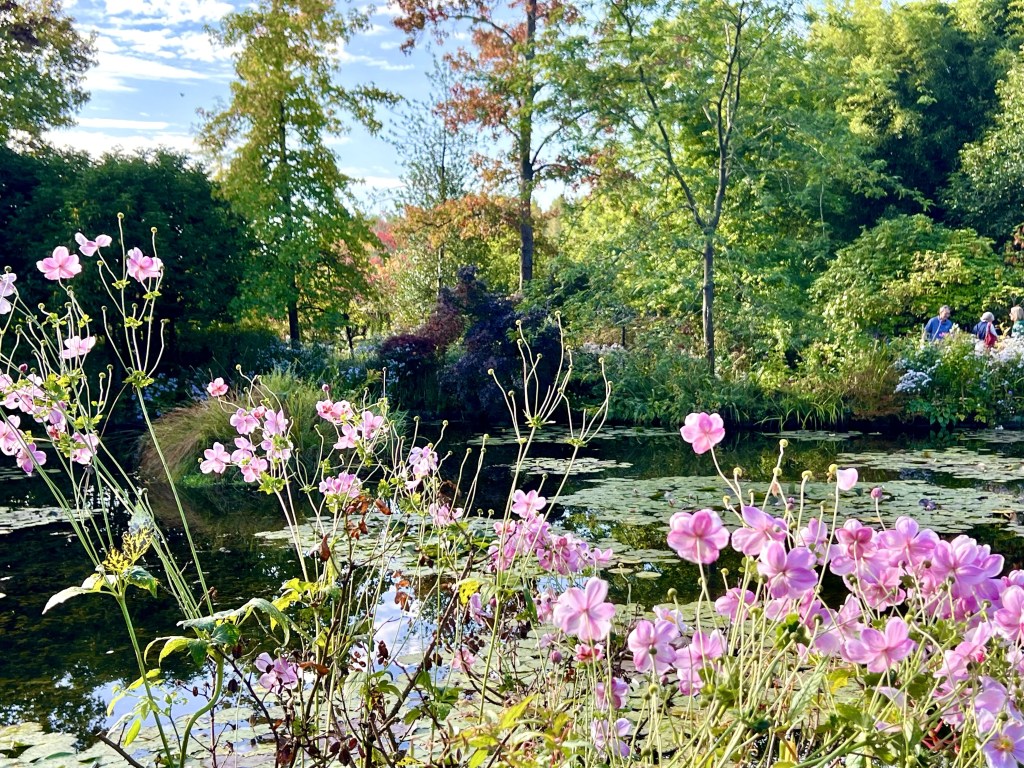
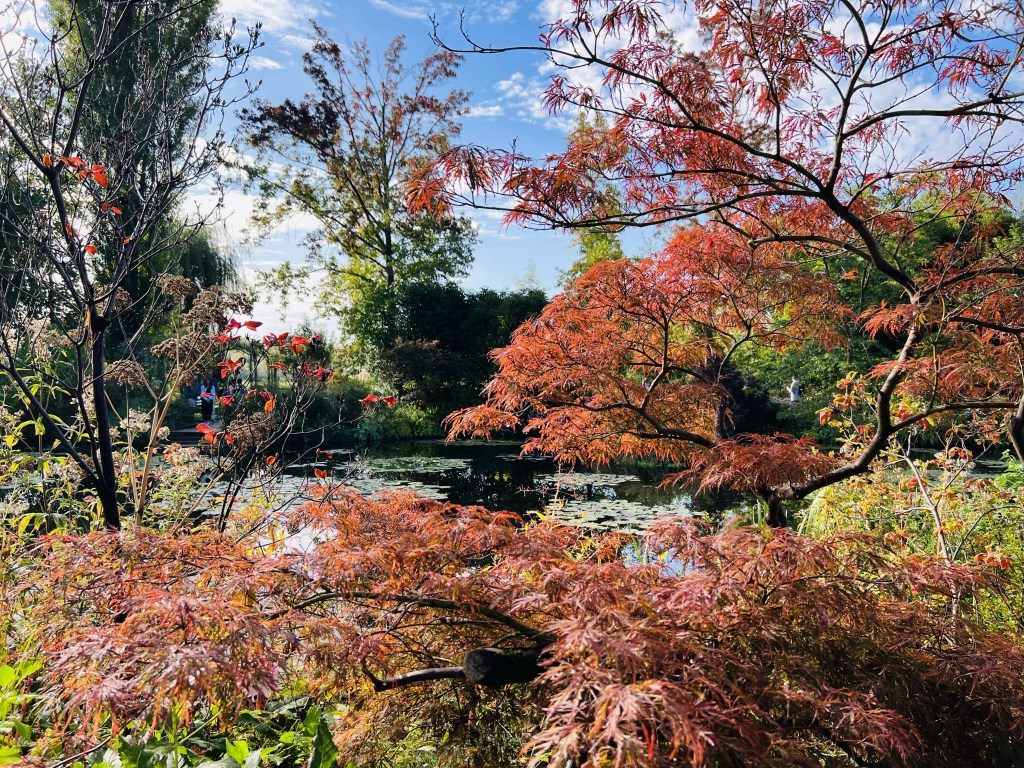
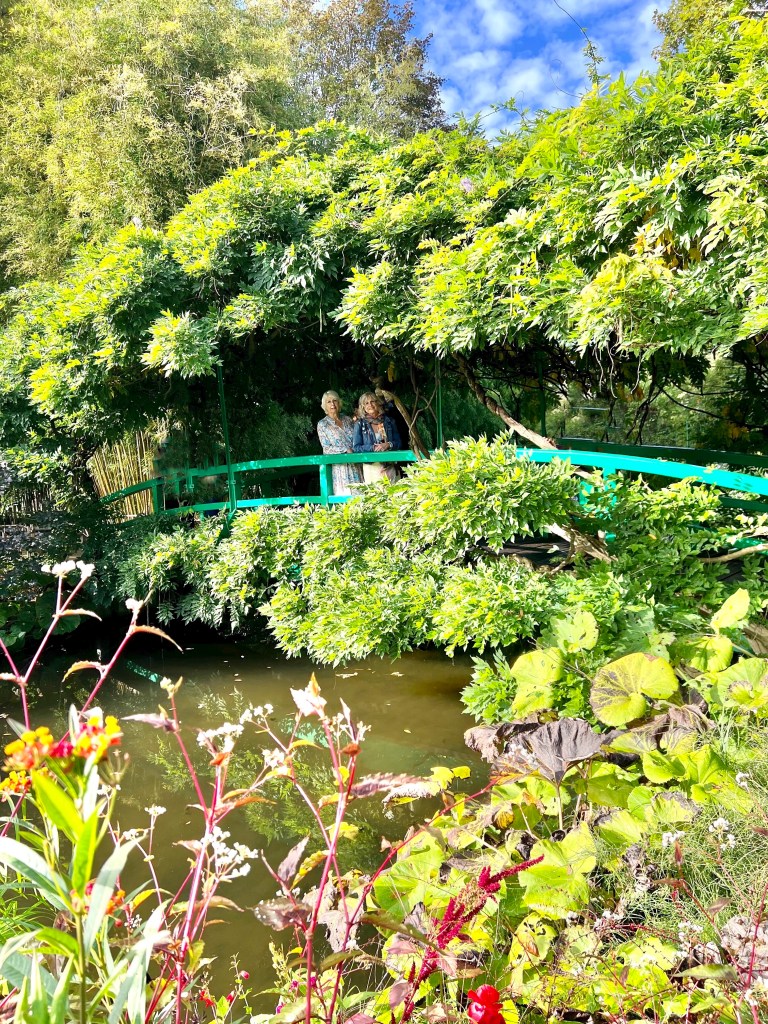
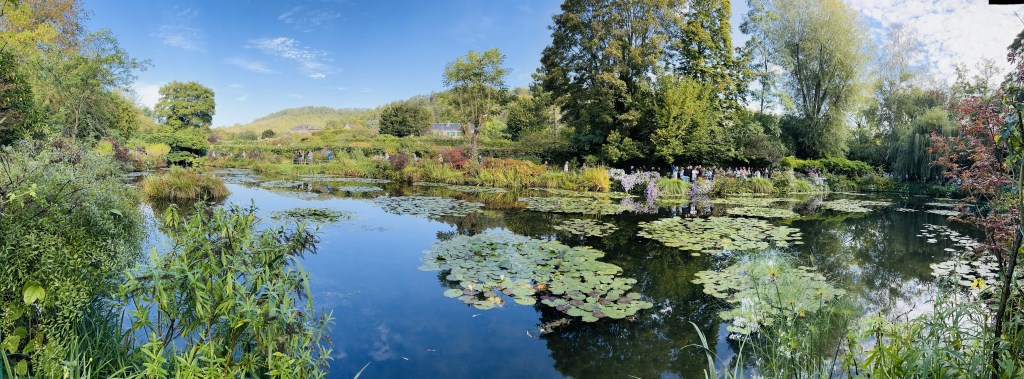
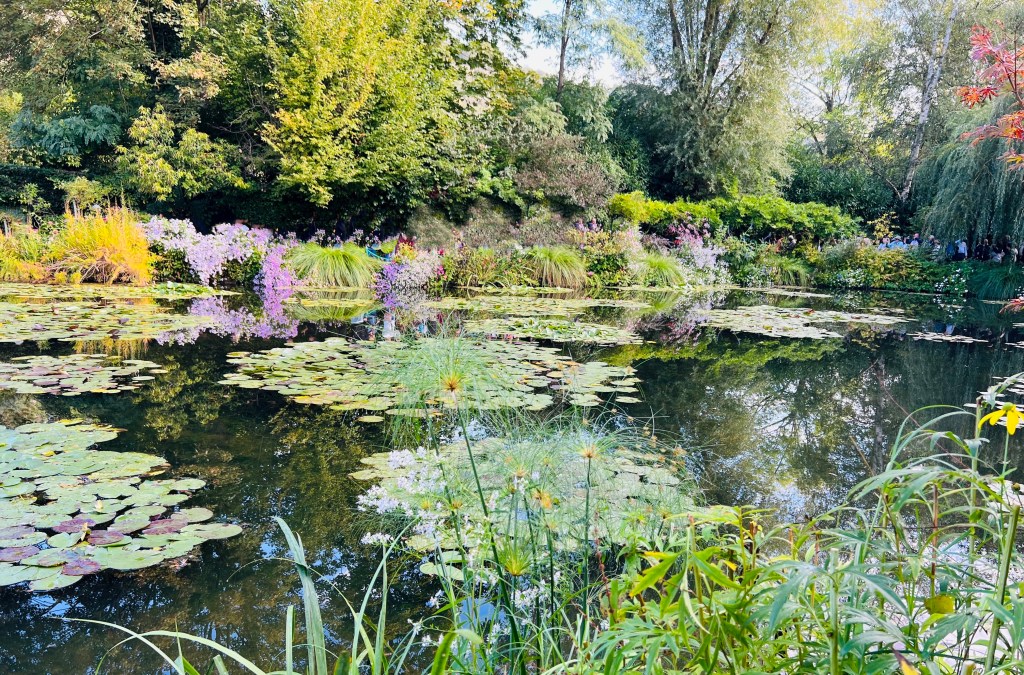
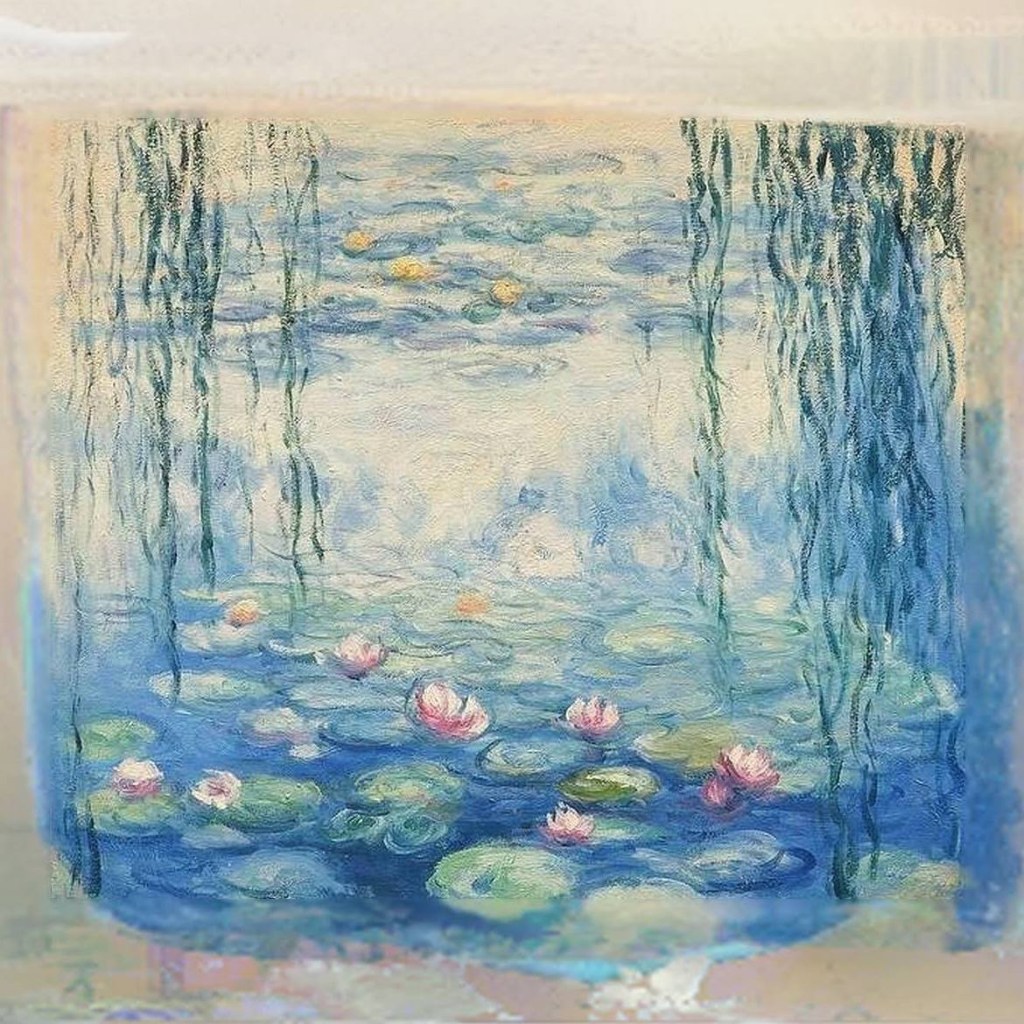
This garden is famous for its water lilies, weeping willows and green painted Japanese Bridge. Monet deliberately didn’t paint his bridge red, as they are in Japan, as he wanted to respect Japanese tradition and so rather chose green. As we walked the winding path around the series of lakes and gazed at the Monet’s masterpiece… water lilies (to my delight there were a few even though we were there out of season), reflection of clouds on the water surface and perfectly placed bridges we could see why Monet was so obsessed with his water garden and painted it so many times… in fact more than 250 times.
Monet loved his water garden creation and is quoted as saying, “Then suddenly I had a revelation, and I saw all the enchantments of my pond. I took up my palette … Since then I’ve hardly painted anything else.” And I’m so happy about that!
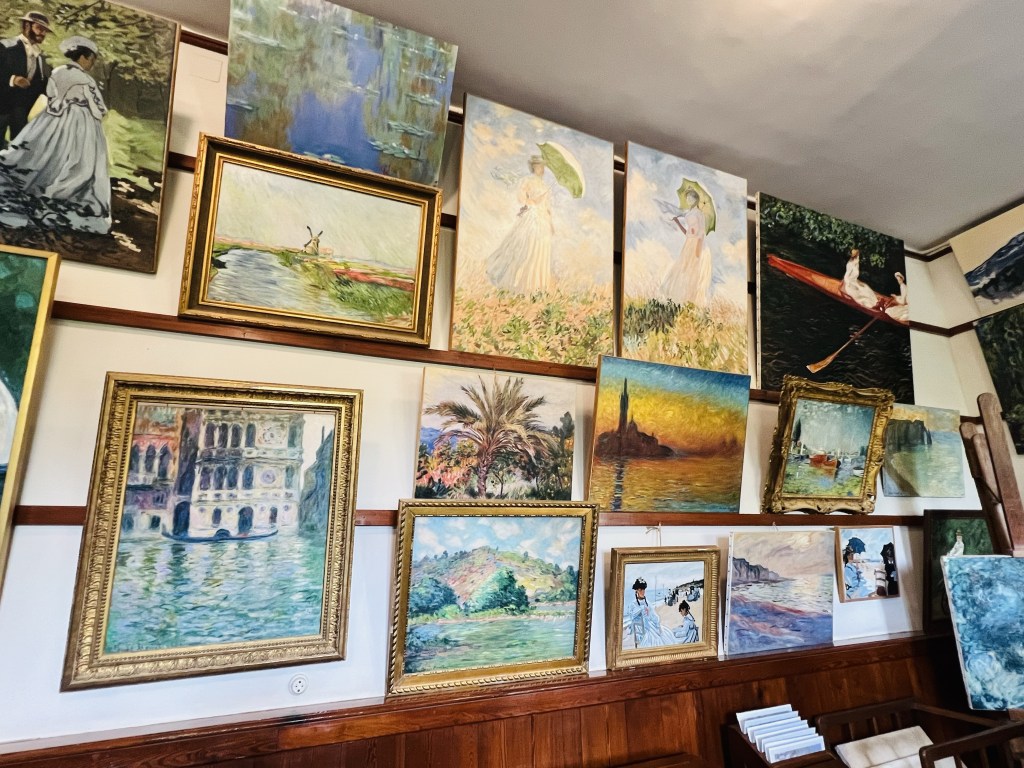
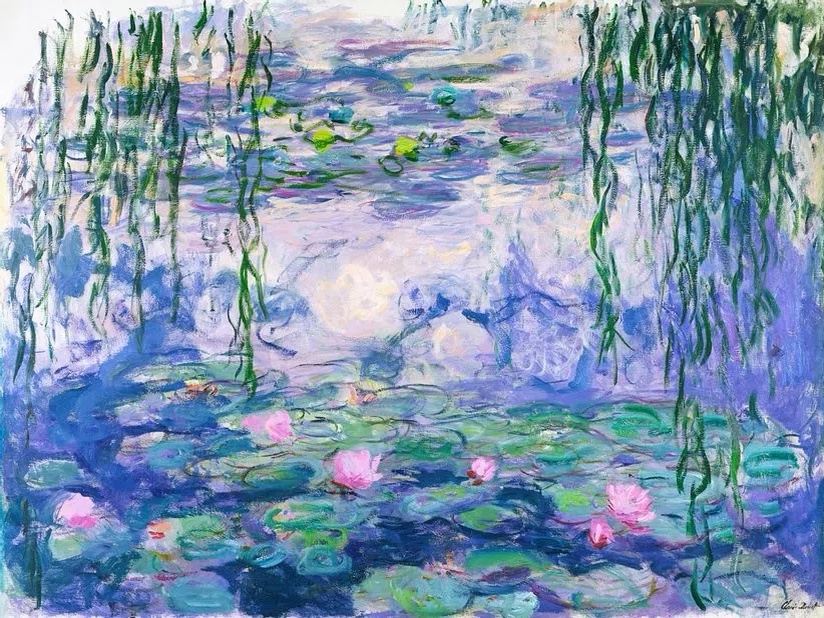
Monet produced many works painting outside… shimmering poplars, glowing haystacks, and my favourite and perhaps his most well known… iridescent sheets of water lilies in a blurry pastel palette. Unlike prior artists, Monet and the Impressionists aimed to capture the ephemeral, sensory effect of a scene — the impression — objects made on the eye in a fleeting instant. They used fast and loose brushwork, a lighter palette, and tried to capture the effects of light. Monet is thought to have “invented” light.
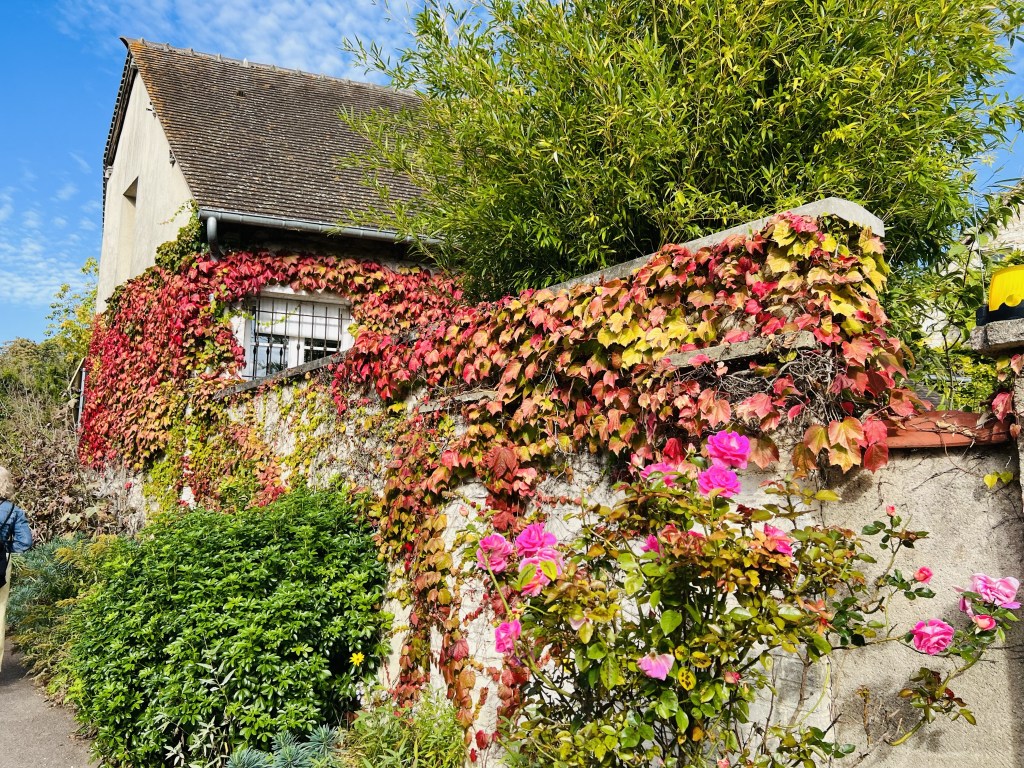
We wandered the small picturesque town of Giverny after we reluctantly left the garden (don’t you just hate time schedules?) and continued to be enchanted. It is a picturesque region of woodlands, pastoral meadows, verdant valleys, small streams, and picturesque ivy-covered houses with gorgeous gardens… a one-of-a-kind pastoral paradise, born from a great artist’s obsession and I think it’s a must see place for art lovers or garden lovers in France… certainly a surreal experience
PS- the pictures really don’t capture even a fraction of the beauty we saw. I often just wish that my eyes could take pictures. Don’t you?
Of everywhere I have journeyed on this trip, Sarlat has been my biggest surprise. I had chosen this place only because I wanted to do a tour to Rocamadour and it seemed like the best option… with no idea how amazing it was in itself. My brother Chris had recommended the region of the Dordogne, and particularly Rocamadour, saying how beautiful it was… but in my research, I found without a car it is quite tricky to explore… but so happy that we made the effort to see what was possible anyway. The Dordogne Valley in south-west France is special. It’s the sort of place that you go to once and always long to return. Luscious landscapes… from scenic rolling countryside to rivers and forests, incredible prehistoric landmarks, vineyards, and walnut groves. Centuries ago, the Dordogne Valley was an important battle area during the Hundred Years War and because of this, the area is dotted with hilltop castles and the prettiest of villages and historic medieval towns. What’s more, the food is sensational, based on locally grown ingredients and specialties like duck, walnuts and truffles… with nine Michelin-starred restaurants in the area.
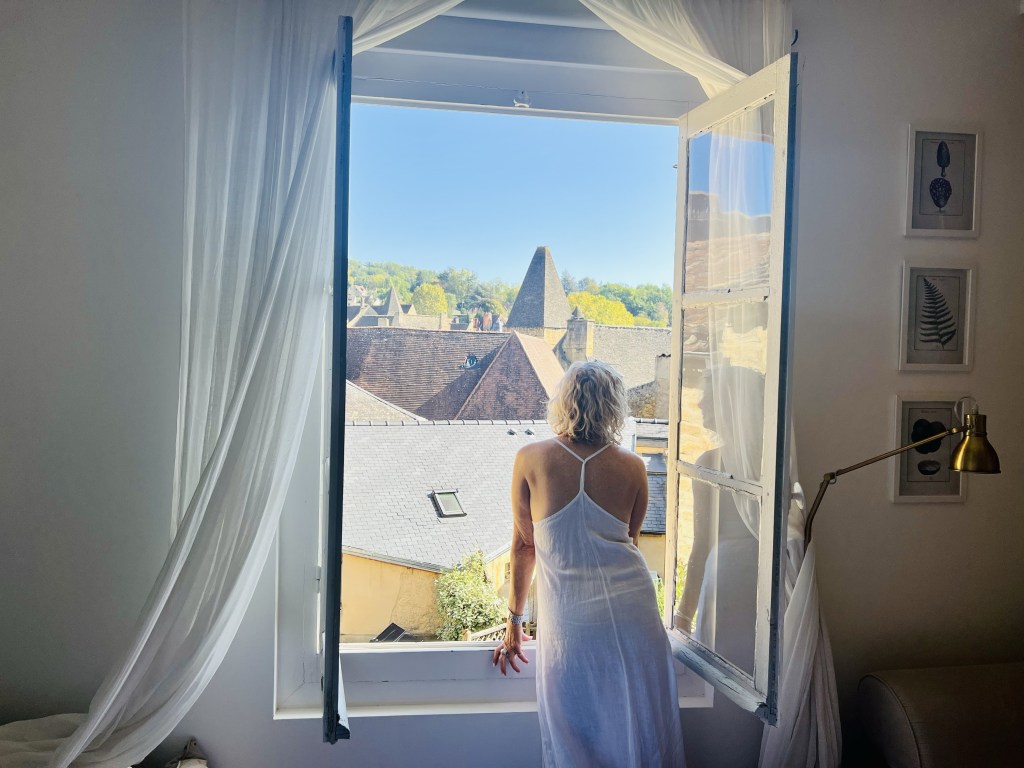
So we left Aix en Provence with our longest travel day of our whole trip ahead of us- four trains and eleven hours on the road (so to speak). The first two trains went smoothly and on time including our longest single train journey of five hours into Ajen. Here we discovered that there was some kind of issue with the trains (not speaking French certainly makes it difficult gathering information) and we would have to get a bus to our next destination, which would take longer than the planned rail leg, meaning we would miss our final connection into Sarlat. Our already long travel day had now turned from eleven hours into thirteen… arriving now at 10.30 pm… certainly too late for dinner. As we would have a nearly two hour wait once we arrive in Siorac we thought we would have dinner here while we waited, but when we arrived, in the dark, we were told it was too far to town for us to walk. Resigned to a long hungry wait, I googled and found it was only a ten minute walk to town..so we left our bags with the lovely young rail attendant (who obviously thought these two sixty something year olds couldn’t walk ten minutes into town 😂) and walked through a very pretty, dark, deserted town and found a little hotel with an open restaurant and had a really delicious meal and much needed wine. Anne put on her google maps (that somehow is determined to lead us astray) and we started to walk back in the dark to the station, using our phone torches to make our way. I questioned when we crossed the railway track as we had not crossed it on our way out… but Anne said , ‘trust me.’ Famous last words! I kept questioning how we would get over to the other side but google was saying there was a way. There wasn’t… and time was getting short. We ended up having to climb a fence, go through a thorny ditch and then walk across the track, all by torch light, to get back to the station. But we did make it onto our last train and finally into Sarlat, where we still had a nearly two km walk dragging our bags to where we were staying. It was certainly a relief when we arrived to our lovely little stone-walled apartment ( which we later realized looked out over the ancient moss-covered rooftops of layered slate)…
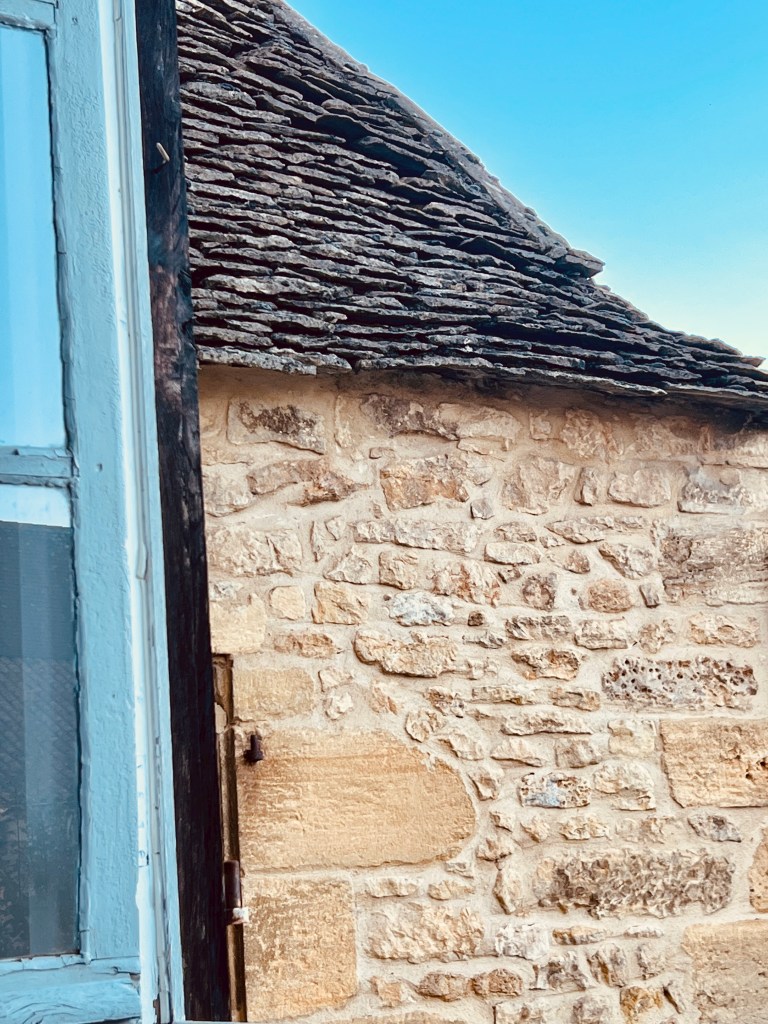
Amazing slate roof right outside our window and very typical of the town.
… and we were quickly asleep.
I woke earlyish and went out to explore the town- sunrise is now not until 8.00am which means there is no hurry… and even at that time the light had not really touched the town.
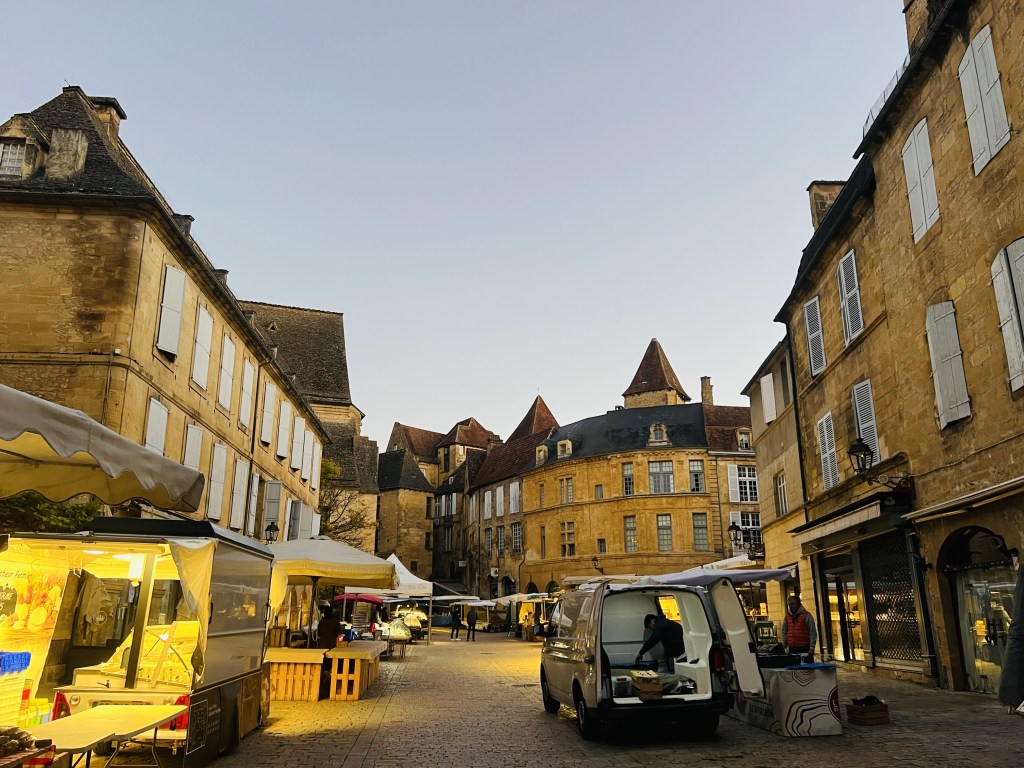
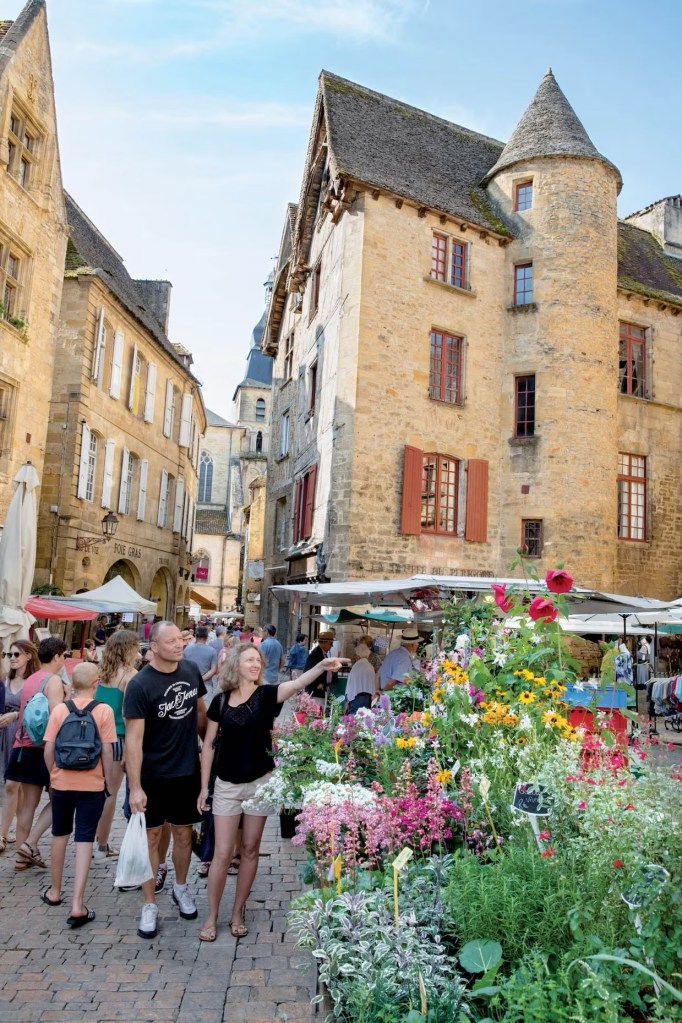
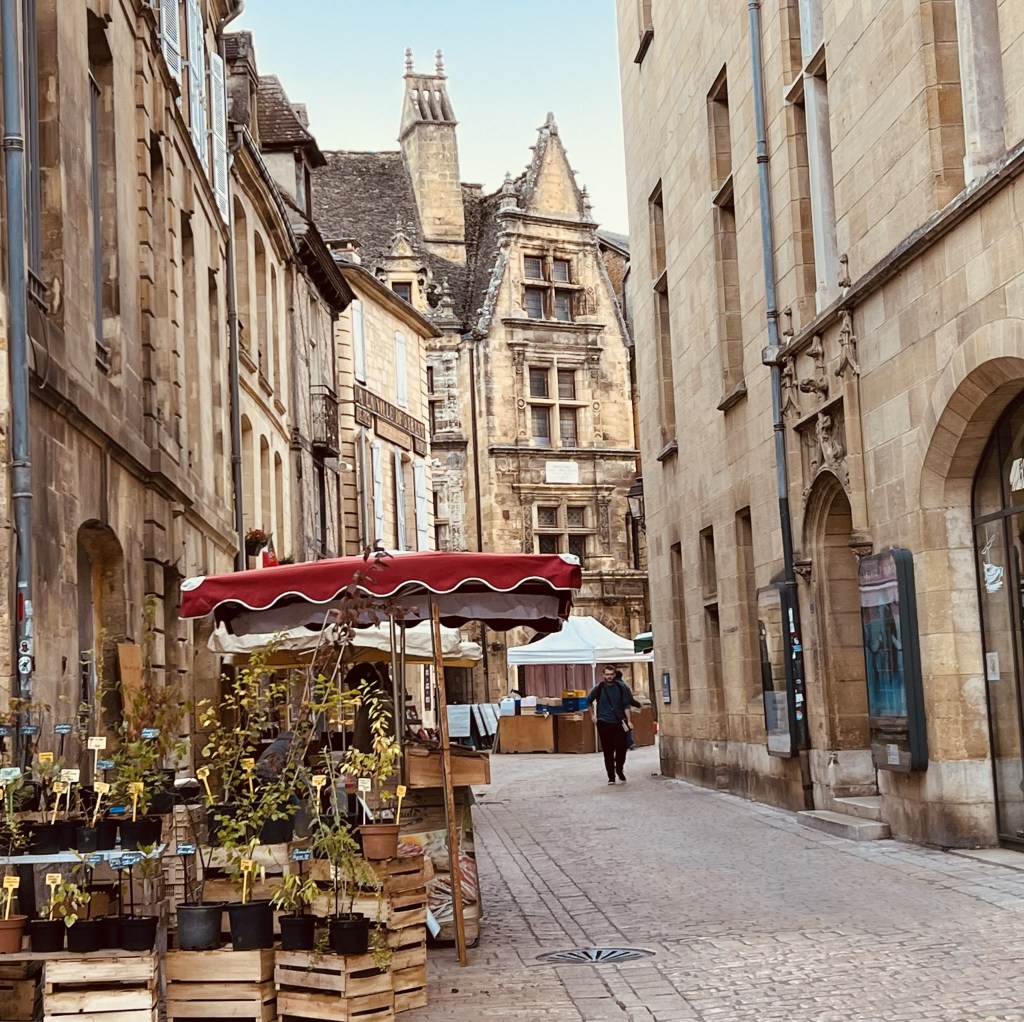
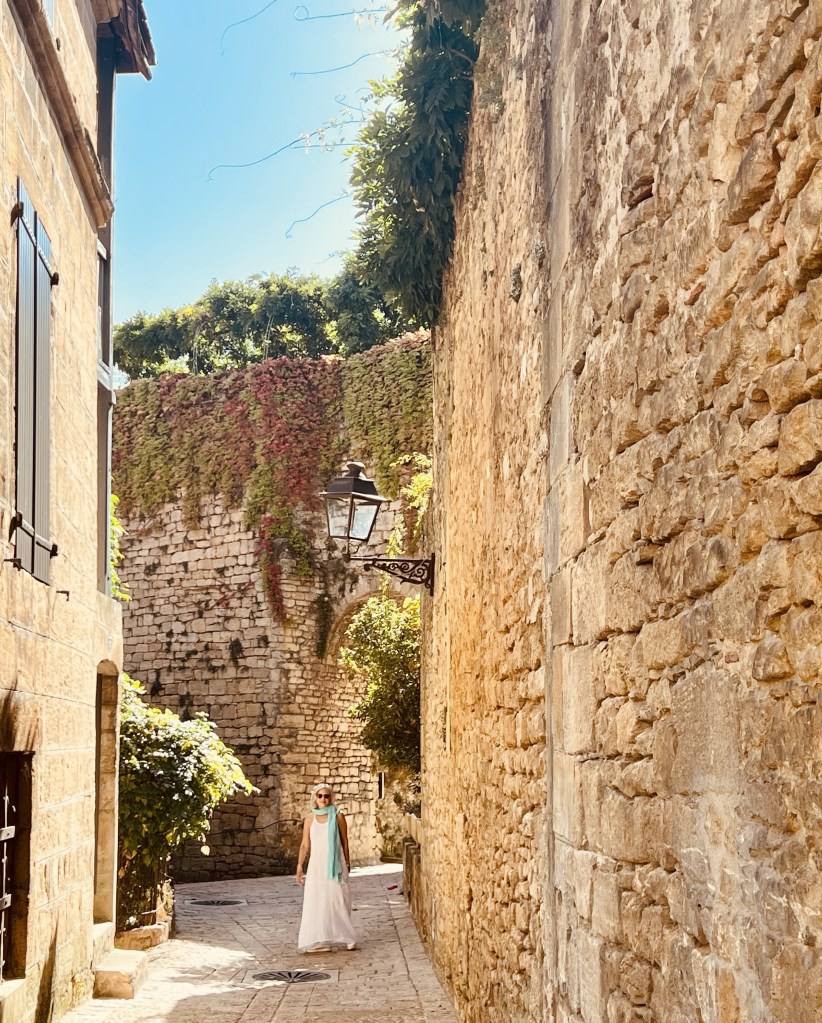
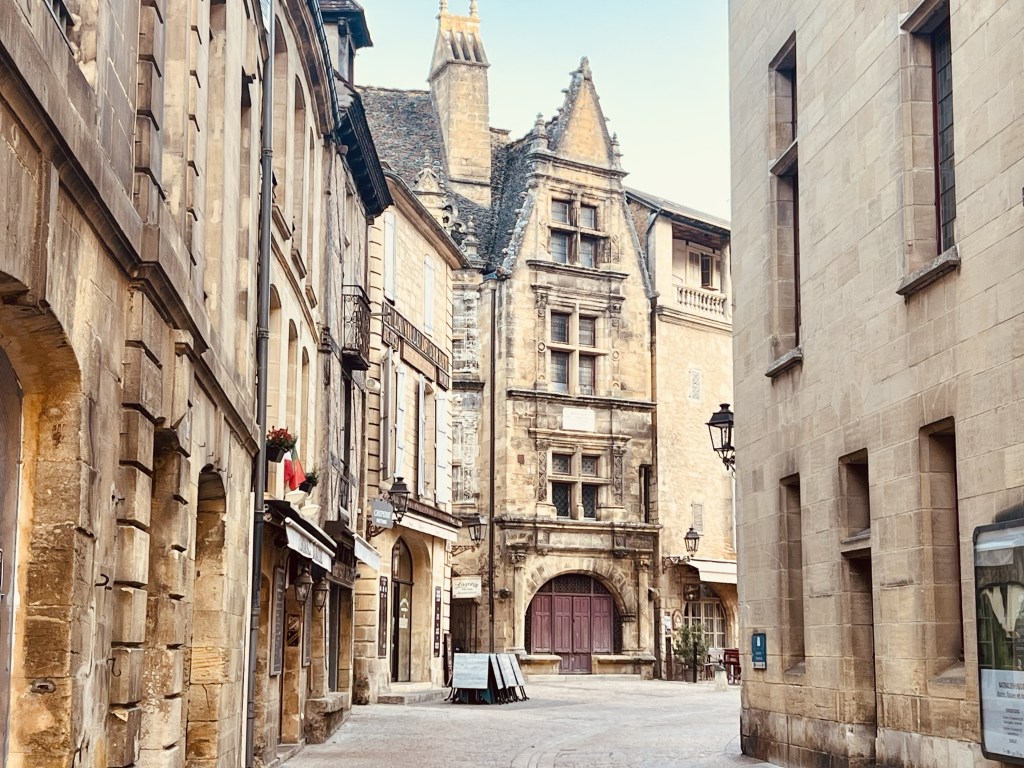
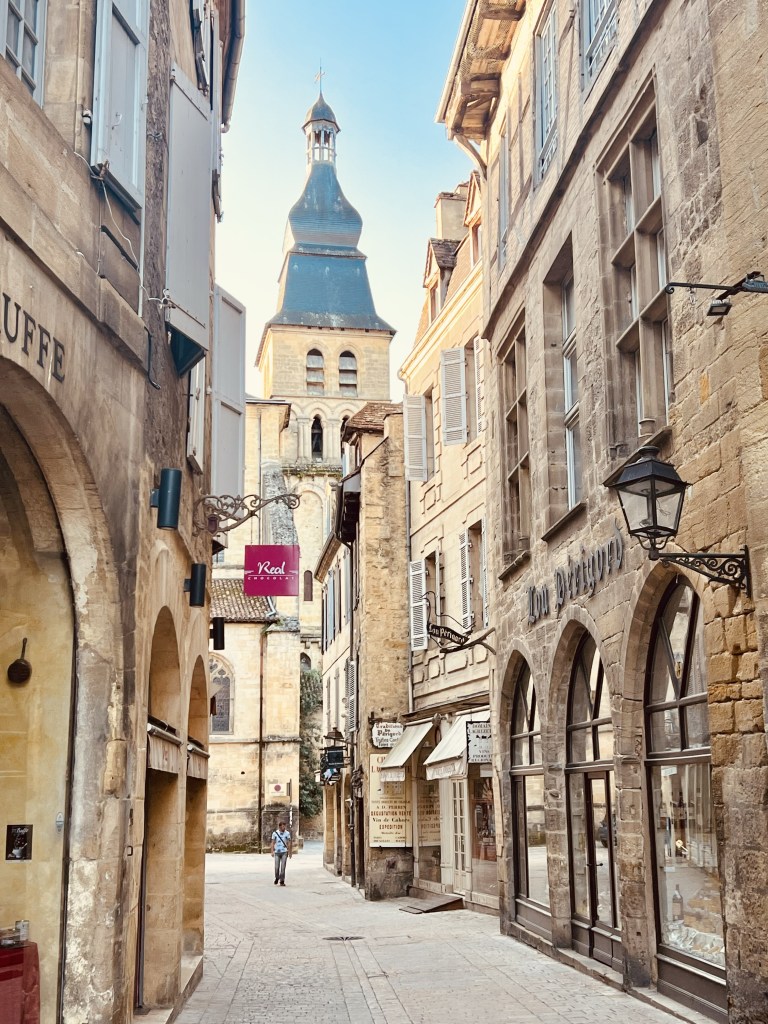
But I could immediately see how fantastic the this place was… that we had completely missed as our tired bodies dragged our bags through last night. I was excited! Sarlat is a beautiful medieval stone town that once again, feels like it is straight out of a movie. Apparently the best preserved medieval town in Europe… in fact it has the highest amount of historical buildings per square foot in the whole of France. Time seems to have stopped still here… with so much virtually unchanged since the days of seige and knights galloping over drawbridges. I have written about other places we have visited where history hangs over the narrow and winding cobbled lanes… the medieval plazas and churches… ancient doorways revealing snippets of bygone eras… but this was next level. The past feels wonderfully present here in this authentic medieval town and as I walked in the early morning, Sarlat’s renowned Saturday market was being set up…
…which offers not just local produce but a genuine slice of French history. As I wandered I imagined how these spaces must have witnessed countless market days since the 14th century, and the tradition continues.
I went back to the apartment to get Anne and we continued our exploration… and by this time the morning sunshine had touched the yellow sandstone buildings so they almost seemed to glow… and we strolled around feeling like time travelers who’d been transported straight into the heart of medieval France.
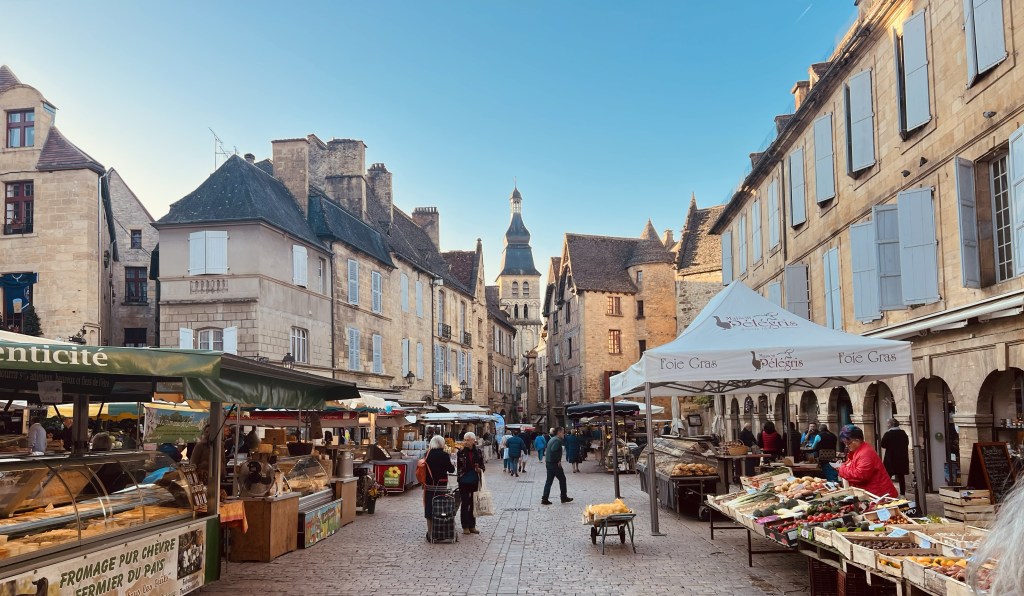
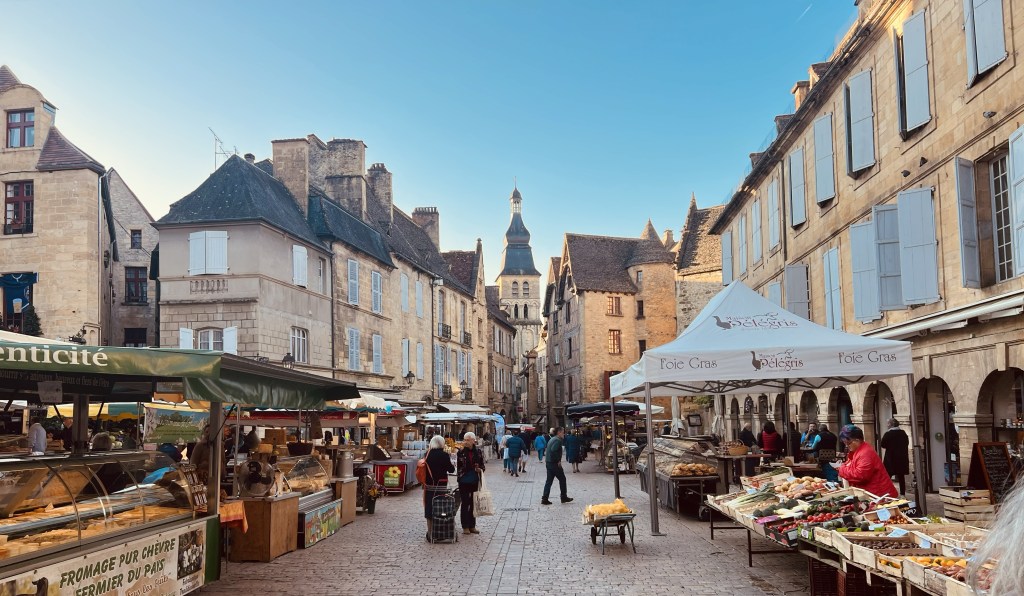
The, by now, very busy market…
… offers a culinary experience that is perhaps unlike any other… where food producers come to sell their culinary delights from delicacies like foie gras to decadent cheeses and breads, pastries and sweets… a gastronomical hub… and what better place than an idyllic and historic setting as the backdrop.
We had a private tour booked today, quite extravagant but all that was available on the weekend, and we were leaving on Monday morning. So we left our exploration of Sarlat and headed off into the countryside towards Rocamadour.
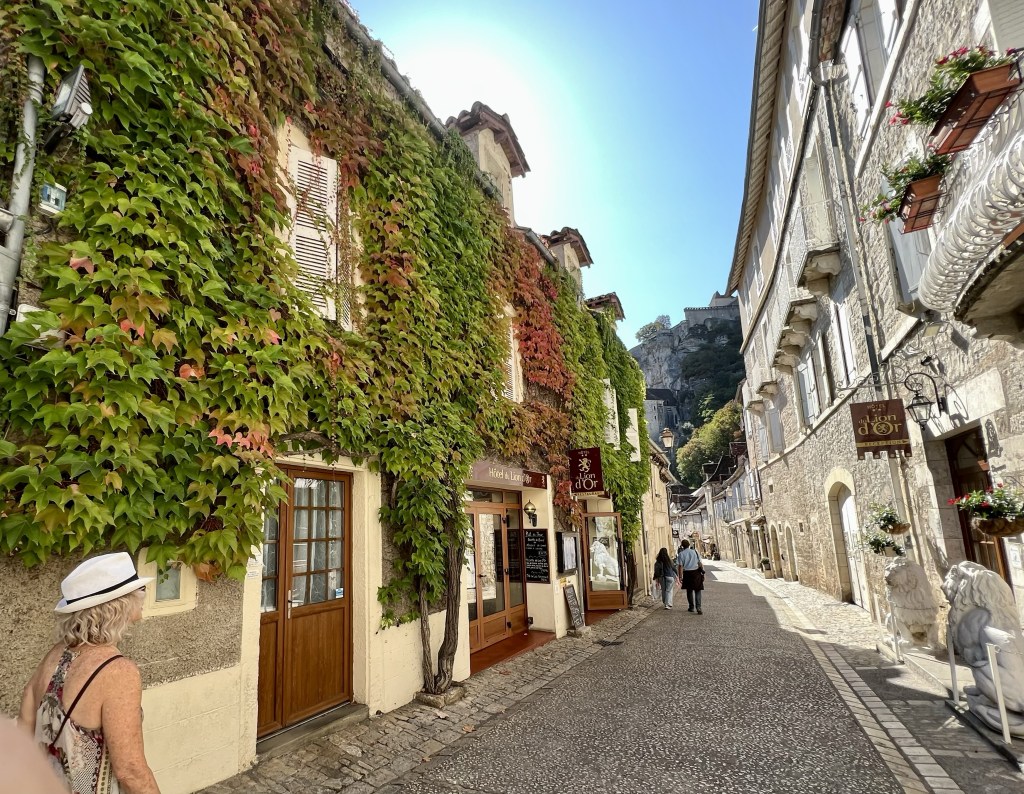
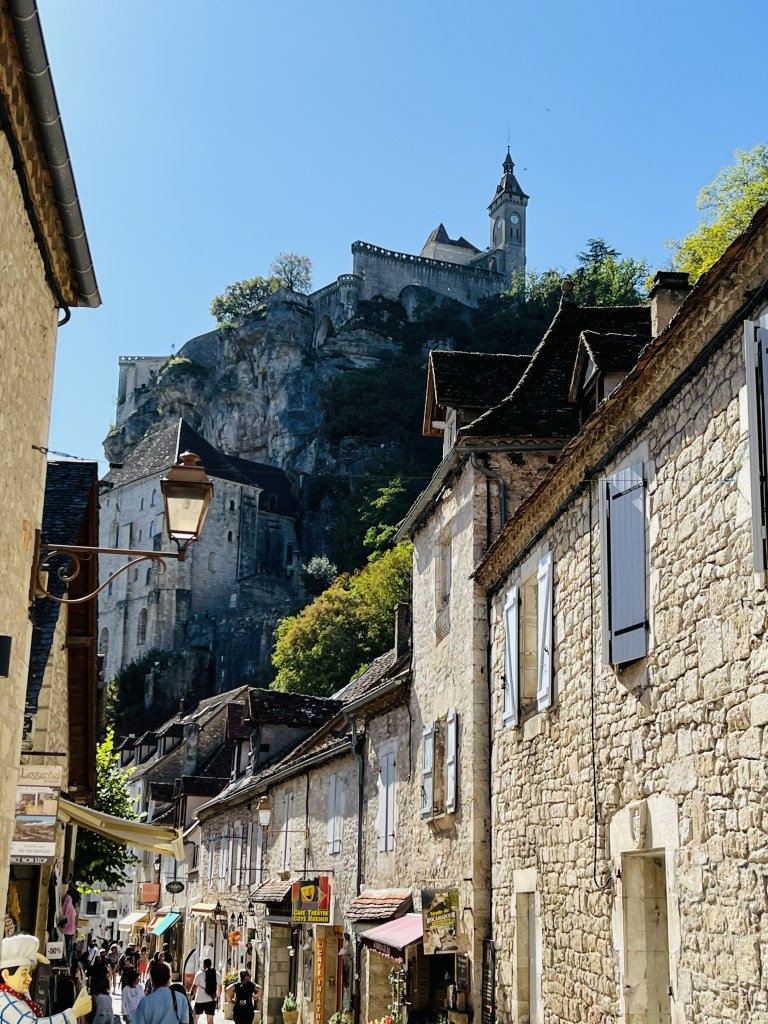
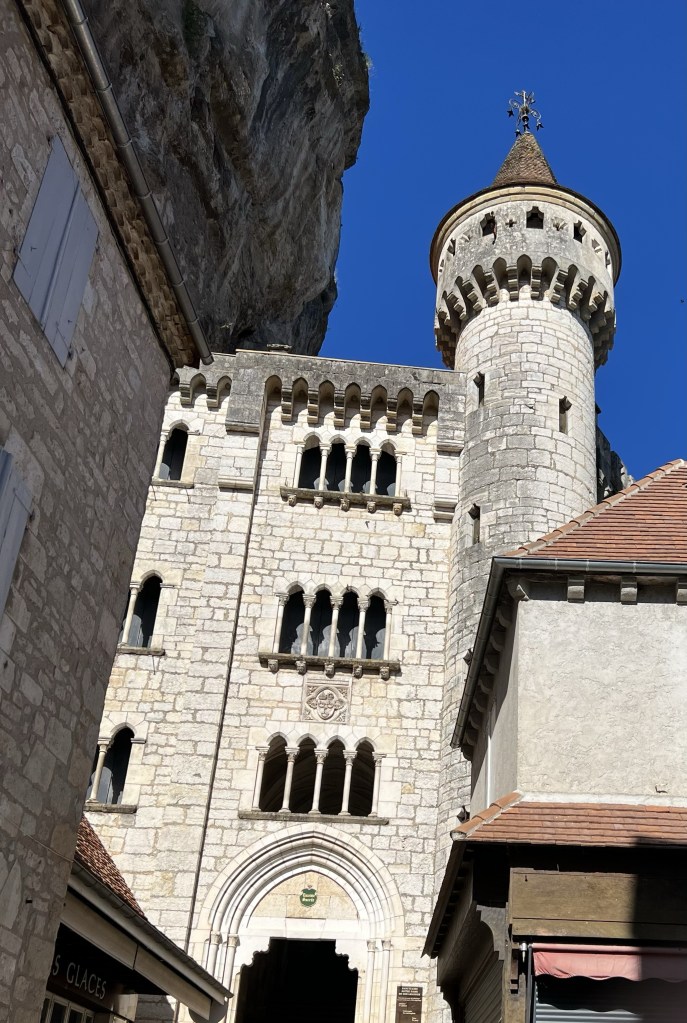
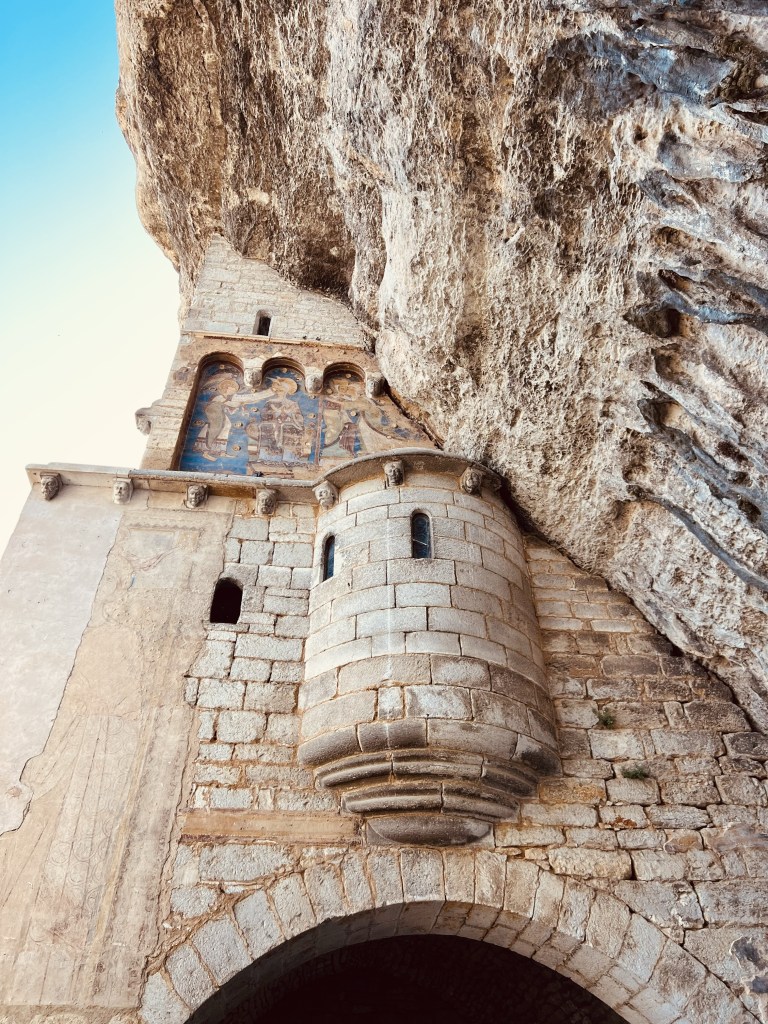
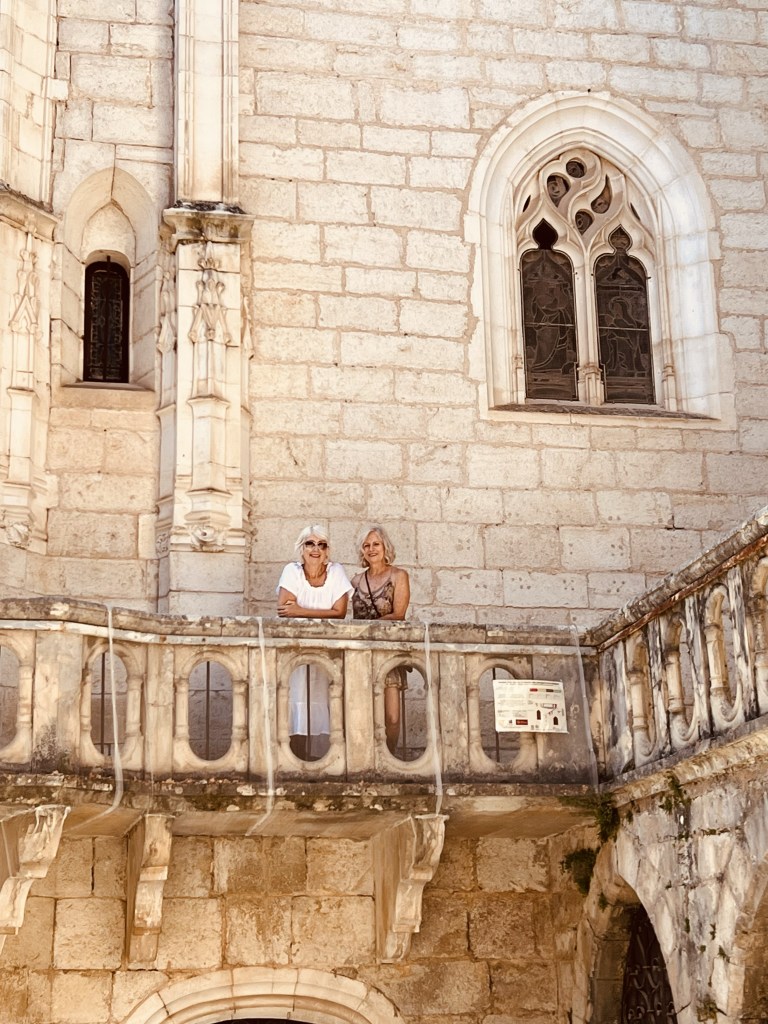
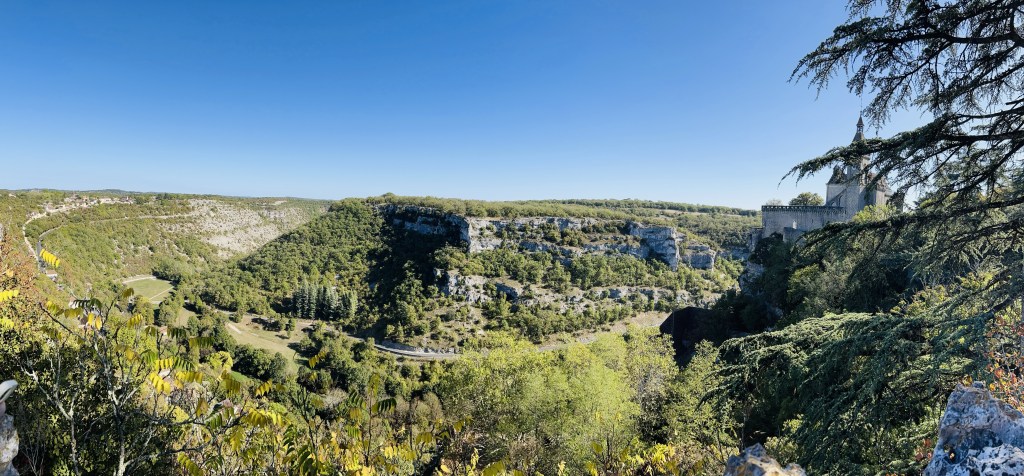
This village, a UNESCO World Heritage Site, is nothing short of spectacular and is one of those unique places you never forget. A major pilgrimage site, and to this day one the most dramatic. During the Middle Ages, it was the ‘Lourdes of its time’, famed for its healing powers and visited by numerous monarchs. Its ancient towers, churches and oratories seem to spill down a sheer cliff face, clinging tenaciously as they overlook a canyon. The village itself is absolutely breathtaking to see… the streets long, narrow, and lined with medieval houses.
The town also forms part of the Camino de Santiago pilgrimage route and many come to see its religious sites.
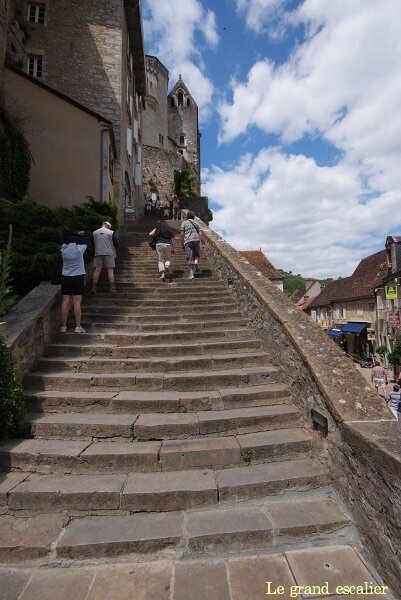
And then theres the Grand Escalier, a series of 216 monumental steps that pilgrims would once climb on their knees…
… that takes you to La Cité Réligieuse, the main complex.
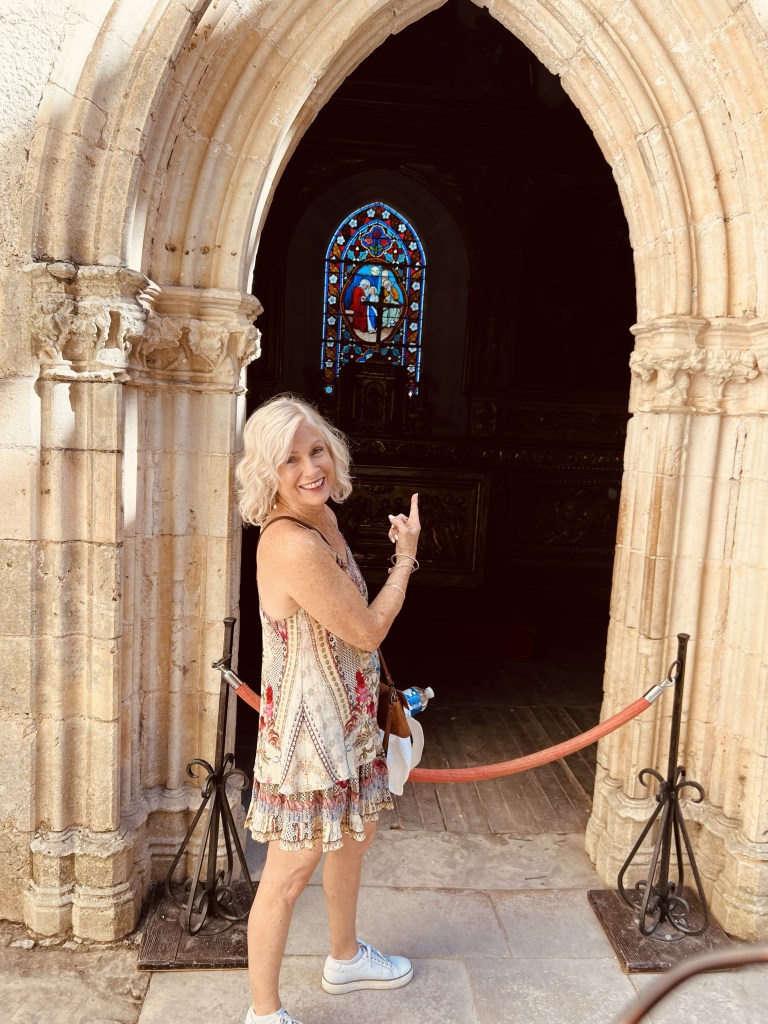
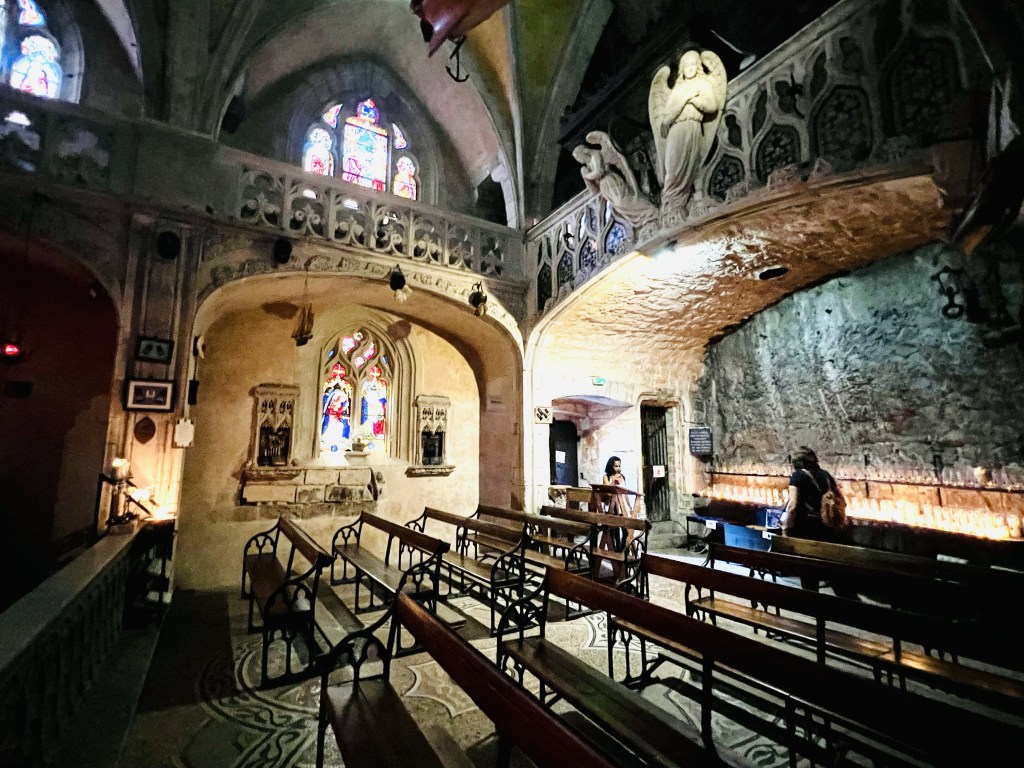
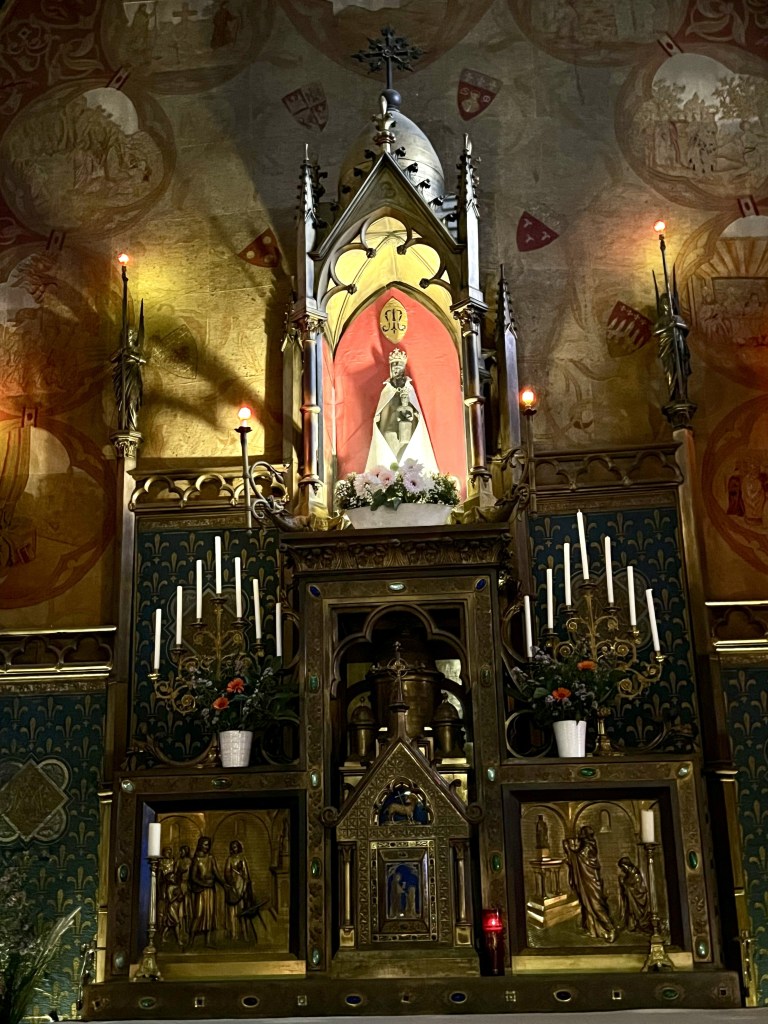
Once you reach the top, the Basilica Saint-Sauveur and its shadowy interior await, a place that has welcomed pilgrims for centuries. Nearby, the Chapel Notre-Dame (where a wedding was being held) and it’s Miracles chapel, holds the esteemed Black Madonna and child statue, a symbol of devotion since the Middle Ages.
Around the central Parvis des Eglises square, various chapels each tell their own tale. The Chapel Saint John the Baptist, with its historic pilgrim portraits, and the stained-glass adorned Chapel Saint Blaise reveal insights into ancient religious practices. High above, the Chapels of Saint Michael and Saint Louis showcase medieval frescoes and there was even a chapel dedicated to Saint Anne…
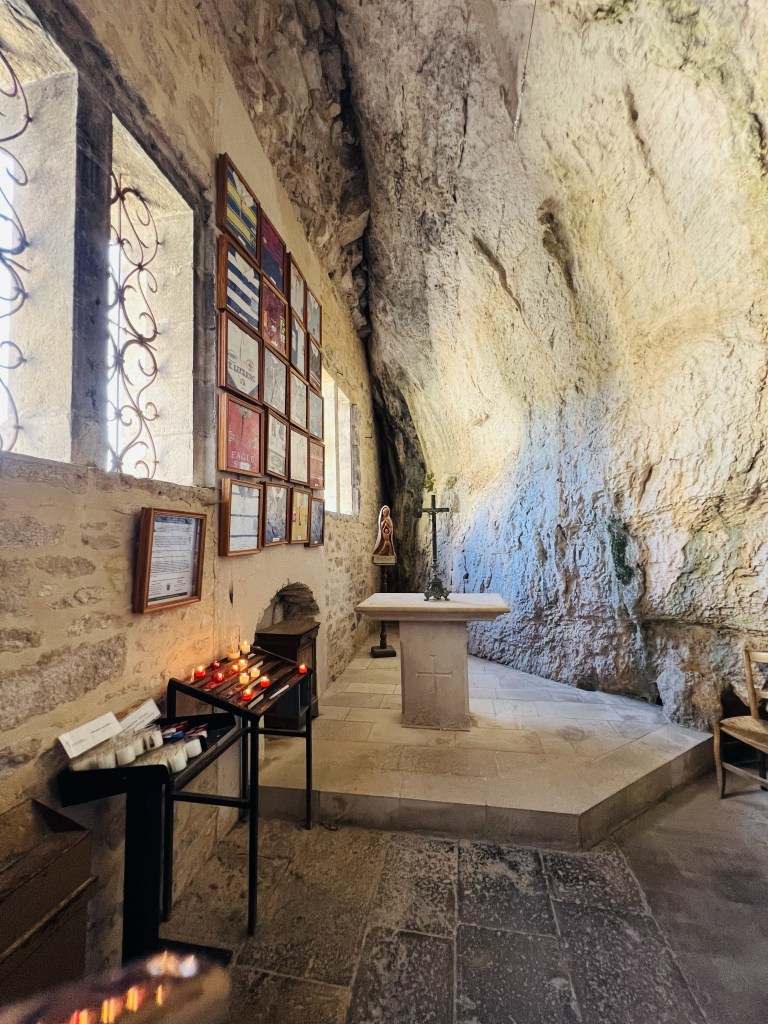
… and one, of all things, dedicated to rugby 🤷🏼♀️. That’s just weird!
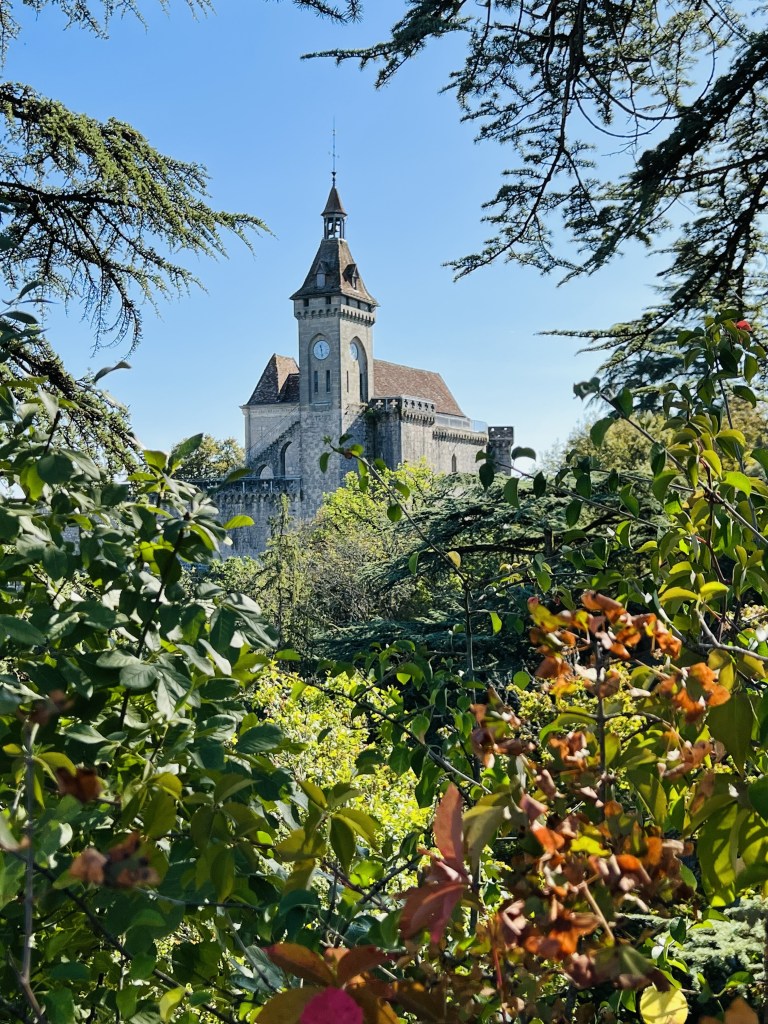
Rocamadour’s stunning castle, used to defend the village in the Middle Ages, balances proudly at the top of the village. The castle’s ramparts are open to visitors and the views are spectacular.
The town brings in over one million tourists and pilgrims a year… and in some ways did feel quite touristy, which I found a little disturbing. Our guide explained that it was always like this… even back to the Middle Ages when the streets were lined with stalls selling religious trinkets to the pilgrims. But despite this there was something so special about this place… something spiritual that goes beyond the obvious stunning physical features of the town… beyond the history… and beyond religion or denomination… so many fascinating stories of miracles… healings and lives saved. This place was steeped in generations of prayer and the presence of God was palpable. I don’t remember ever feeling it so strongly anywhere I have been before and I felt quite overwhelmed and teary… particularly in the Miracles chapel…
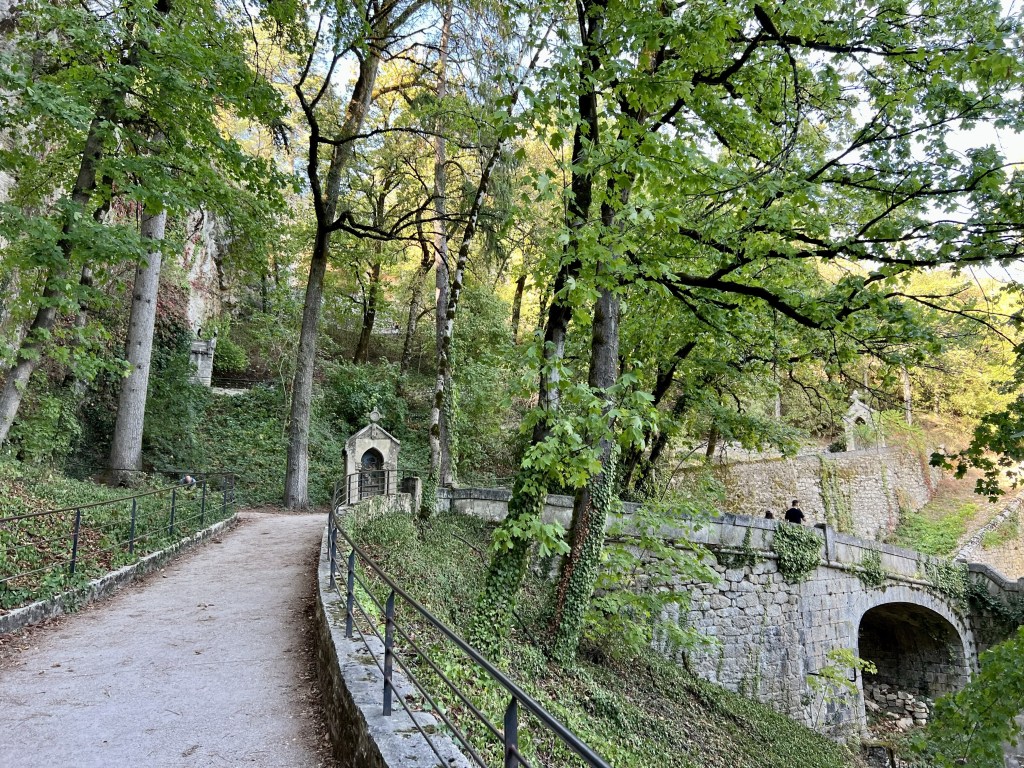
… and on the stunning Stations of the Cross walk (which definitely took me back to my Catholic roots… but in a good way).
It absolutely stole my heart… but in a different way to so many of the stunning villages we have visited on this trip.
Leaving, we drove quite silently, both caught up in the atmosphere of what we had left behind. But what an amazing drive the next hour was… with castles, both ruined and restored appearing around every curve (and that is not an exaggeration).
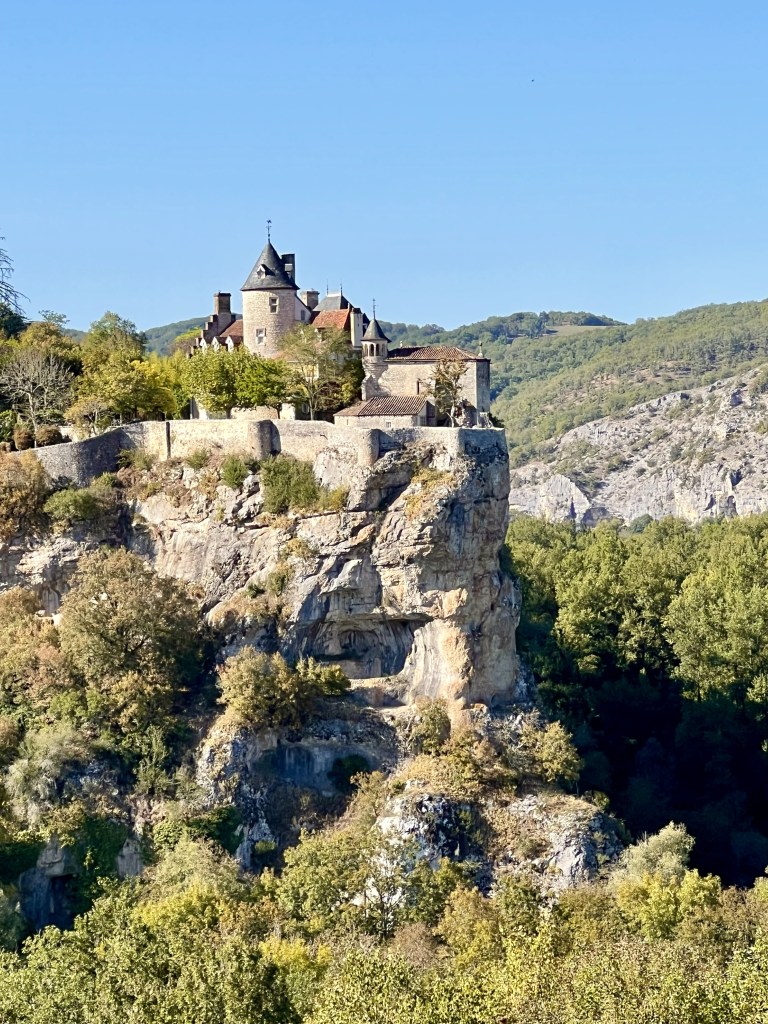
Beautiful Belcastel
Chateaus straddled vertiginous cave-pocked limestone cliffs attempting to outdo each other in beauty. We drove through destinations that were each more stunning than the last… stunning hilltop vistas… any one of them could have been the highlight of our trip but there was only time for quick photo stops and no time to explore. But the drive itself was simply breathtaking.
The pretty village of Beynac-et Cazenac sits on the northern banks of the Dordogne river, with an imposing and incredibly well preserved castle perched above. Richard the Lionheart, King of England, once walked the halls of the castle, gazing out at his French enemies in Castelnaud. The river’s edge is lined with a stretch of wonderful stone homes, and there are a number of restaurants and bars along the cobbled streets that rise above… another fairytale like village.
We moved onto La Roque-Gageac with its dramatic setting built into almost vertical cliffs rising from the lazily curving river… and it’s castle… again this fairytale like land looks like something out of a story book. Another one of the ‘most beautiful villages’ in France, it features a maze of cobbled streets, a Romanesque church and a troglodyte fort. A line of restaurants runs along the rivers bank and it would have been wonderful to take one of the guided sightseeing trips in the traditional riverboats called a gambarre (that used to be used for trading). You can also paddle down the river on a canoe down one of the most spectacular river passages in the world with a half dozen castles looming in the hilltops high above the caves inhabited since prehistory poking into the cliffs over the water. Sounds like an adventure I would love but for now it will have to be added to that never-ending unachievable bucket list.
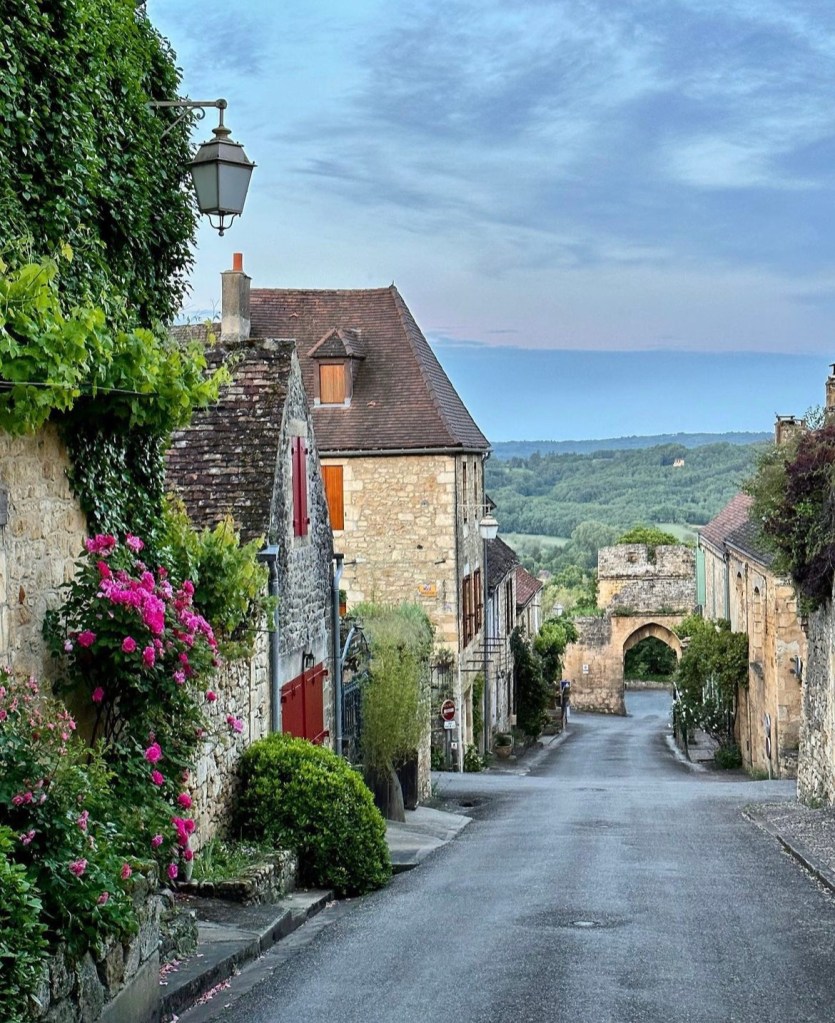
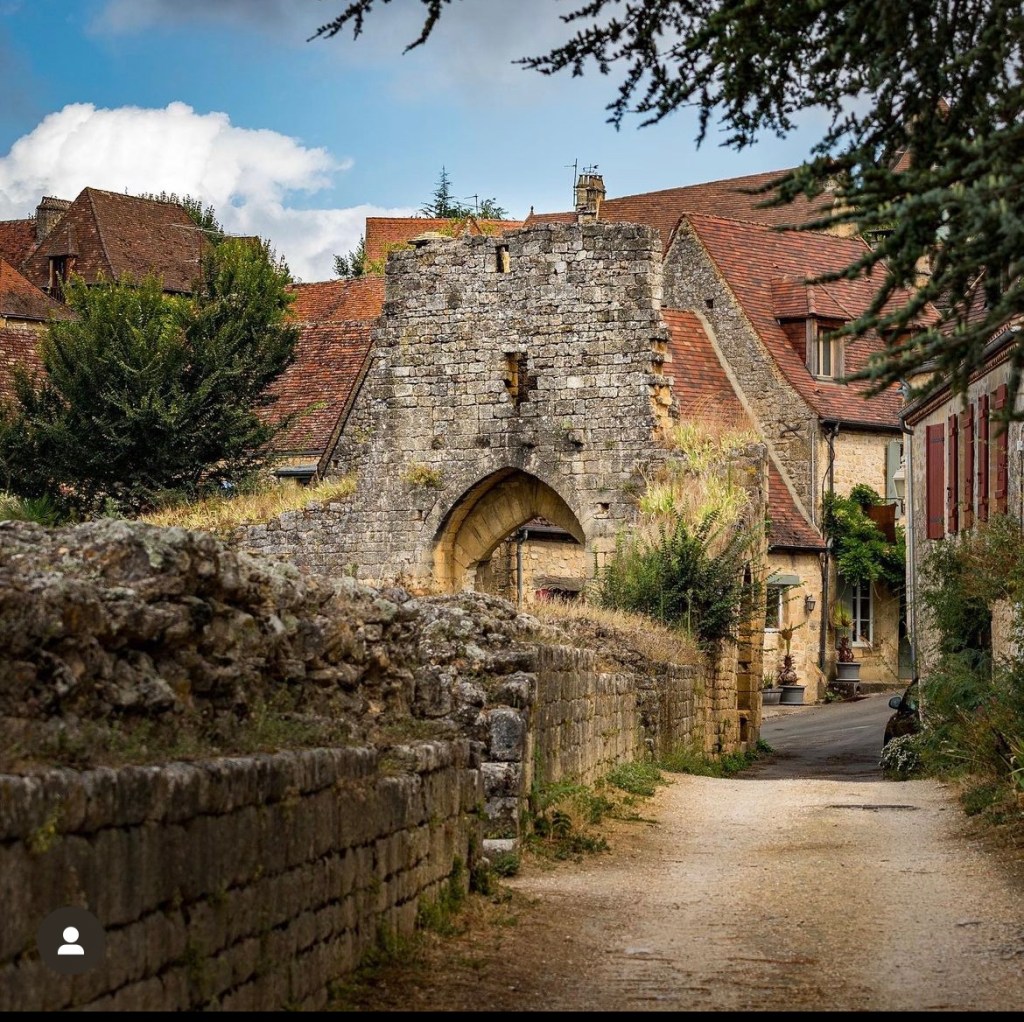
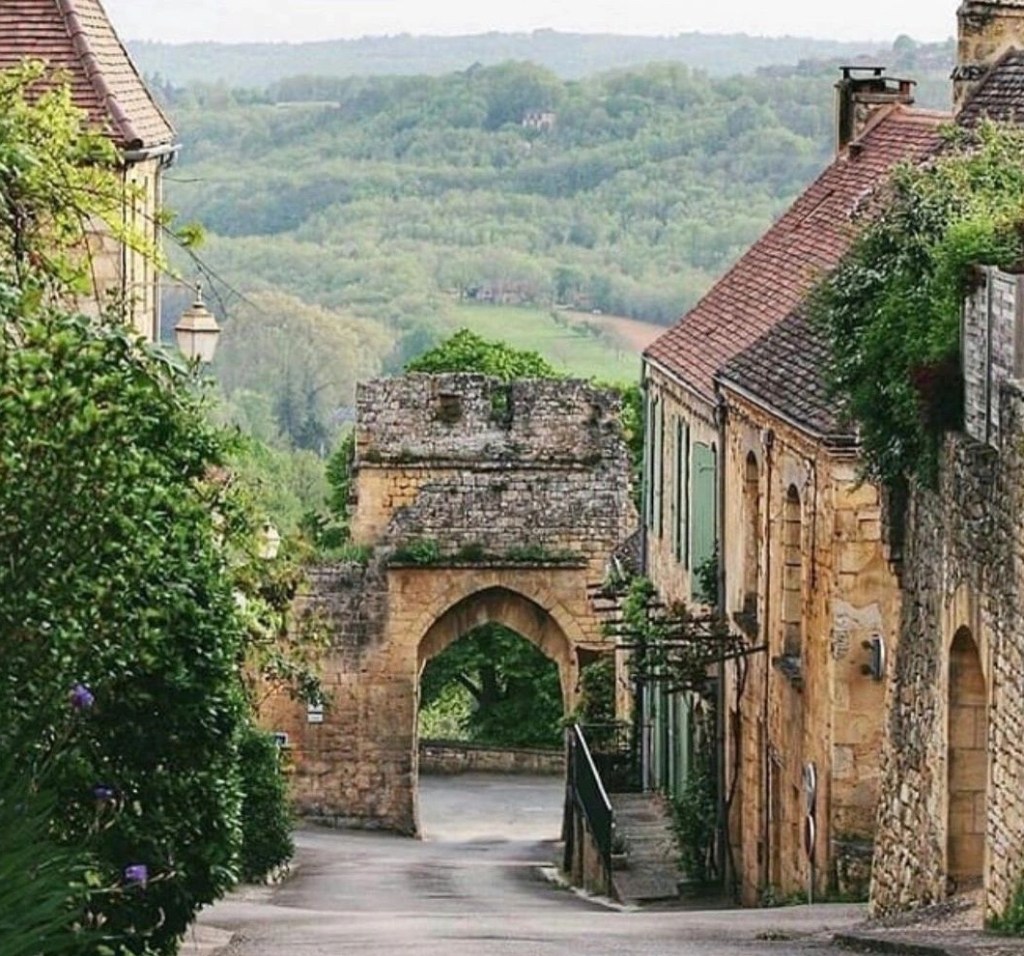
Our last stop for the day… another of the ‘most beautiful villages’ of France… Domme- offering a truly magical experience that is straight out of a fairytale. I sound like a broken record… I know… but it’s true. Domme is perched on top of a hill that overlooks Dordogne Valley nearly 250 meters above the flowing Dordogne River and so, offers incredible panoramic views. A naturally fortified village (bastide) built in the 13th century on the steep sided hilltop… it was fought over repeatedly during the Hundred Years’ War between the French and the English and it’s easy to see why when you consider the vantage point.
When you enter the city, you go through a large, double towered gate…
… which leads to the town square. And the main part of the village lies at the very top of the hill along the edge of a sheer cliff commanding sight lines along the entire valley. The market square where locals once gathered to watch public executions, is now home to many artisanal shops, cafes and restaurants full of breathtaking architecture and golden stones.
Tired after such a fantastic and emotional day, we returned to our base at Sarlat, with its honey-coloured buildings glowing in the sunset light.
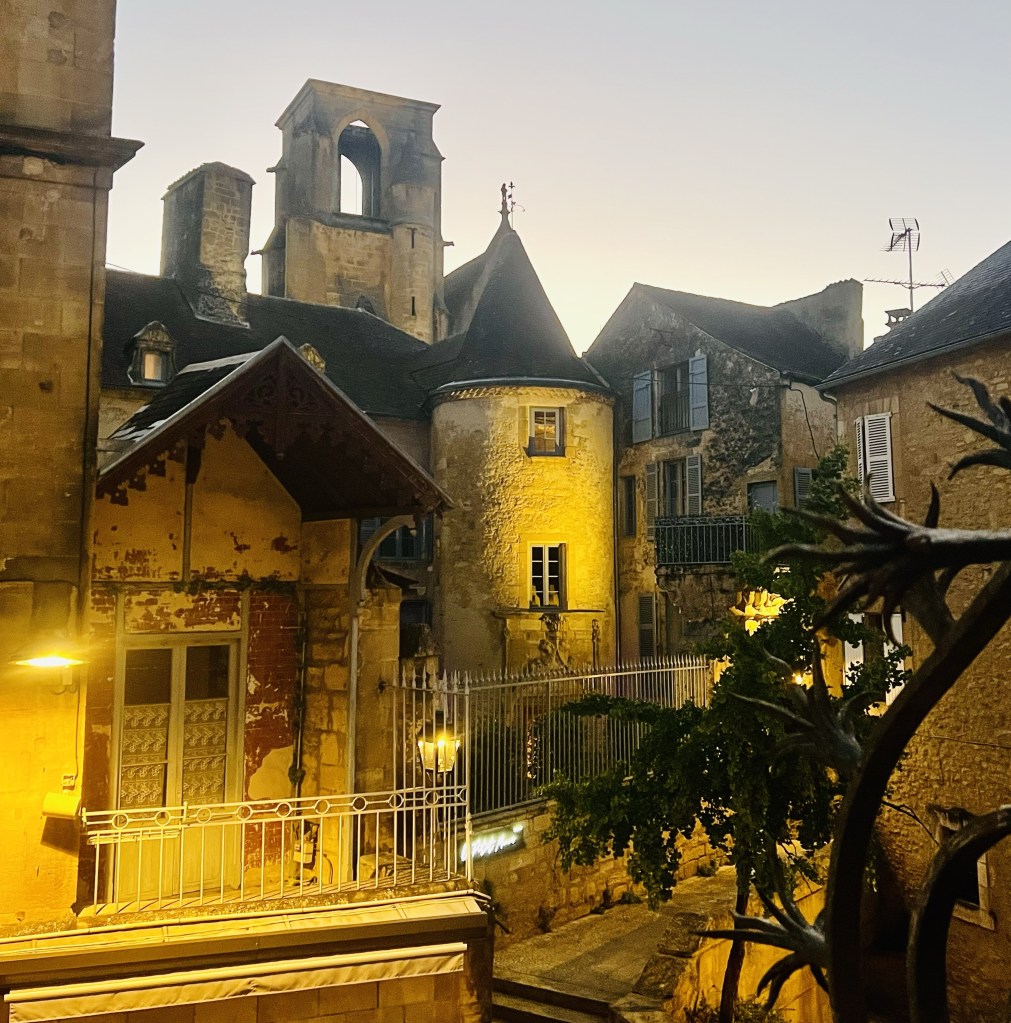
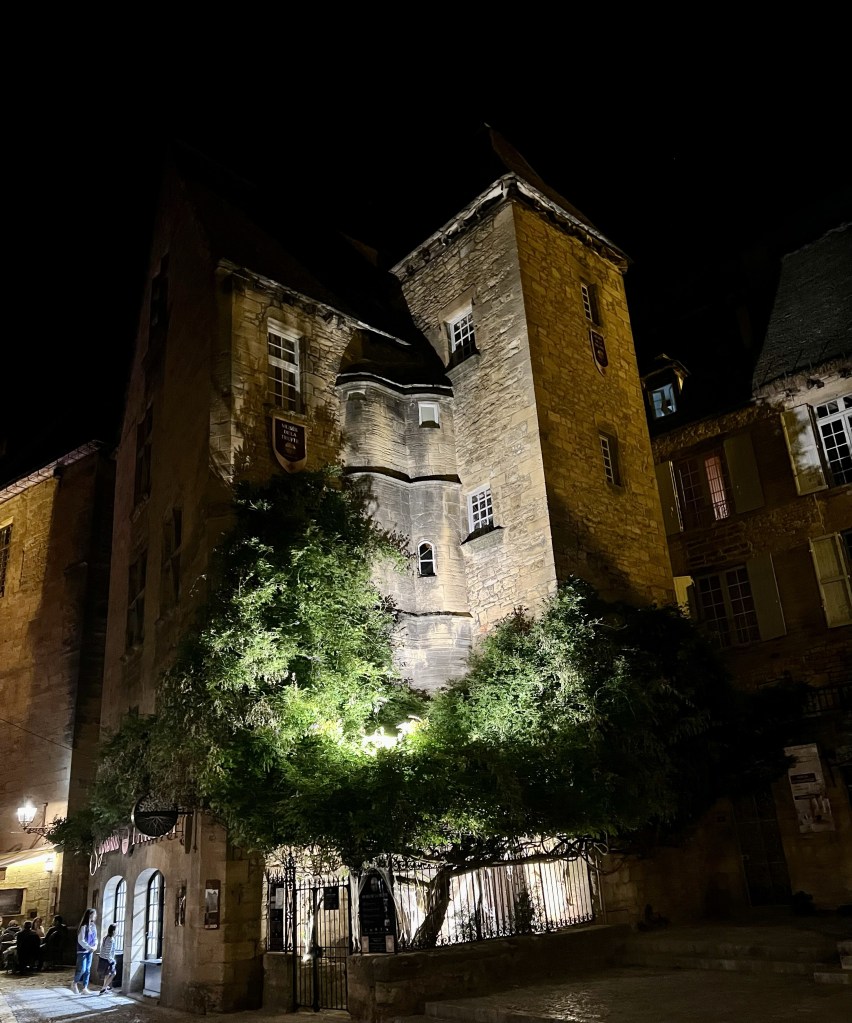
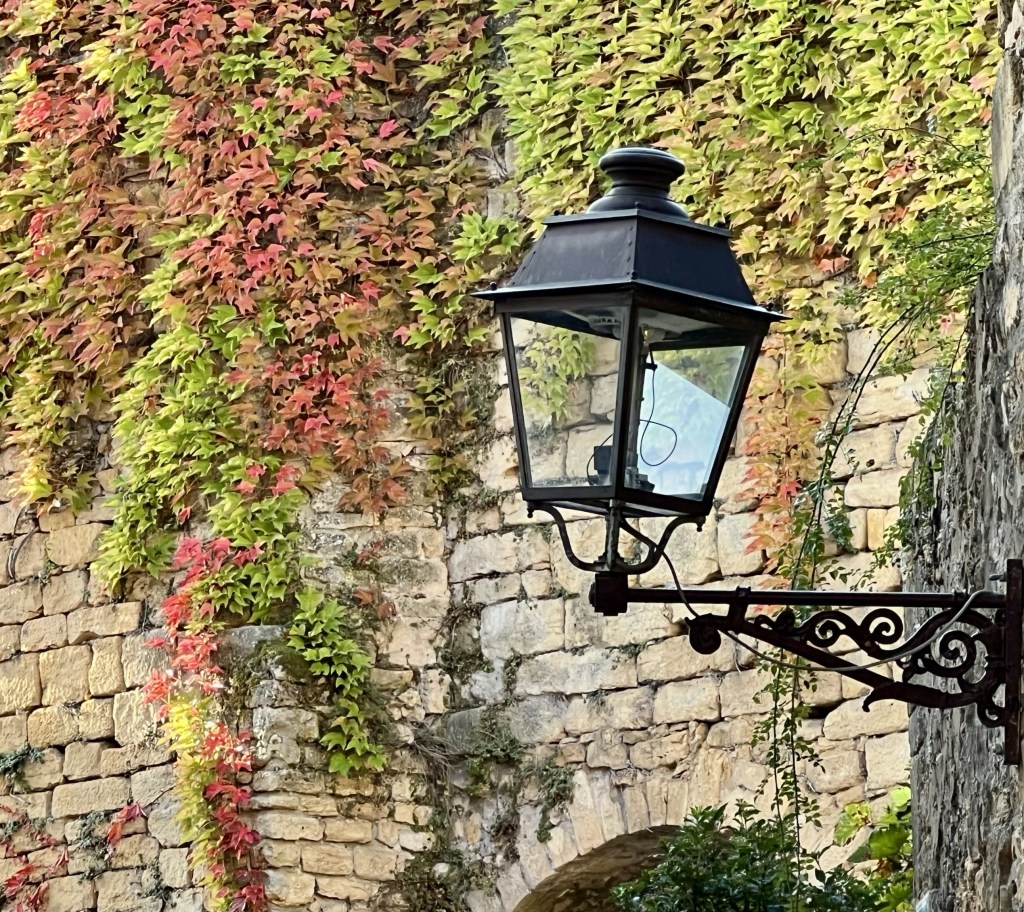
Sarlat by day is wonderful, but Sarlat by night is an unforgettable experience! The streets come alive with a warm glow from the traditional gaslit lamps, making it feel as if you’ve stepped back in time… perhaps even more so than during the day. It’s almost spooky!
There is no shortage of restaurants in Sarlat… most serving classic french cuisine with a local accent and some even extending into natural caverns… but we sat out on one of the many bistro terraces, eating delicious duck and foie gras, drinking wine under the romantic lighting.
Empty and still quite light when we arrived… it didn’t stay that way and was quickly full
Such an amazing place… hard to leave. But new adventures await in Paris!
As I have said in an earlier blog, our week in Provence was based in Aix-en-Provence… not really where I would have liked, but without a car, we needed to be somewhere central to be able access the beauty that Provence has to offer as easily as possible.
Located just off the main drag, the famous Cours Mirabeau, in the heart of the old town, our hotel is set within the walls of a 12th century convent with a subtle blend of modern and historic architecture- just my kind of thing.
Aix-en-Provence, known simply as ‘Aix’ (pronounced ‘X’) by the locals is a beautiful golden-hued city in the heart of Provence, known as the capital of culture. A beautiful classically Provencal town that is charming… elegant 17th century Baroque architecture…
… churches…
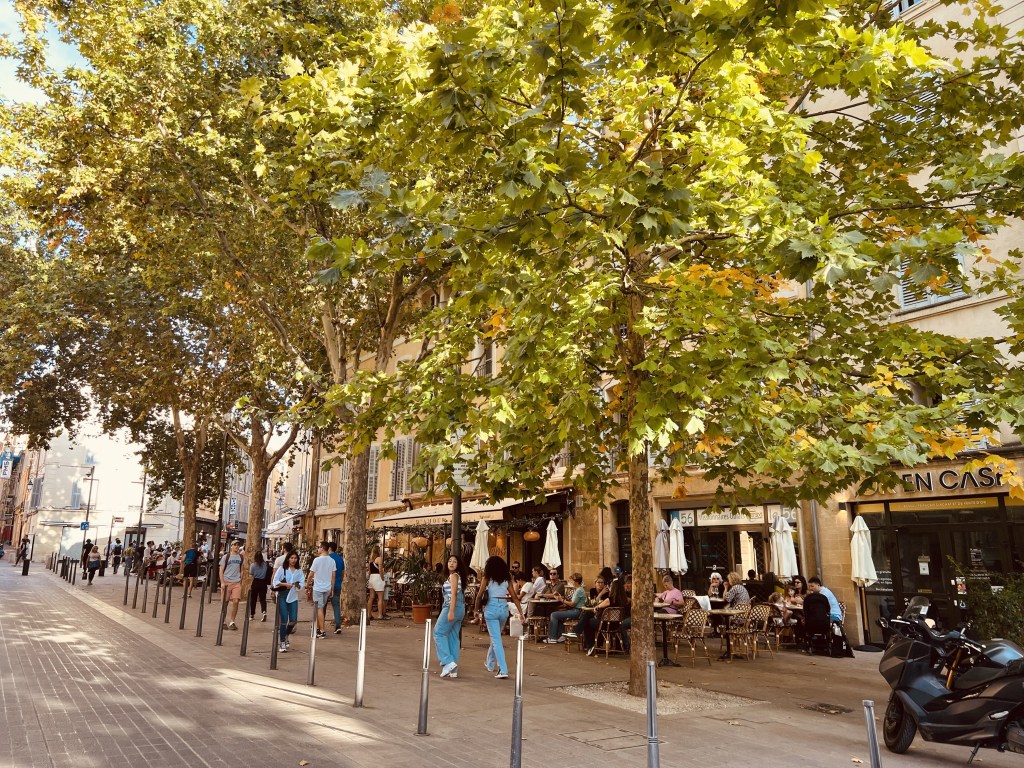
… a pedestrian friendly centre, the wide tree-lined boulevards…
… full of pastel-coloured buildings…
… and numerous fountains, and is often referred to as ‘The City of a Thousand Fountains’.
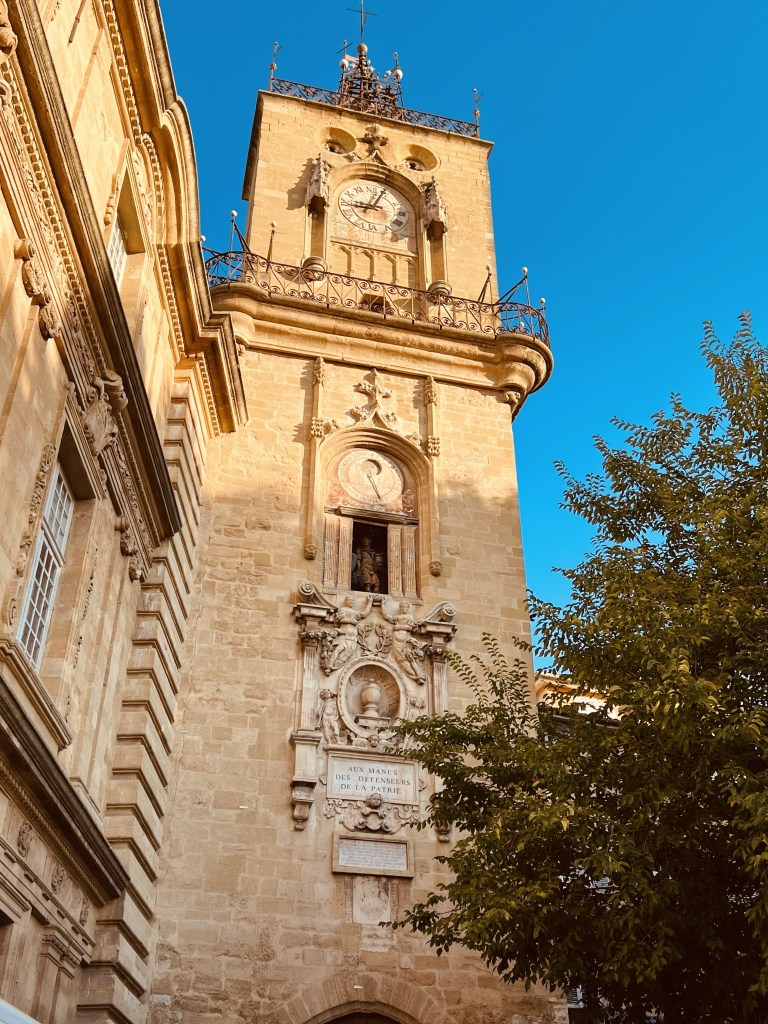
Hôtel de Ville’s astronomic clocktower dating from 1661 was cool.
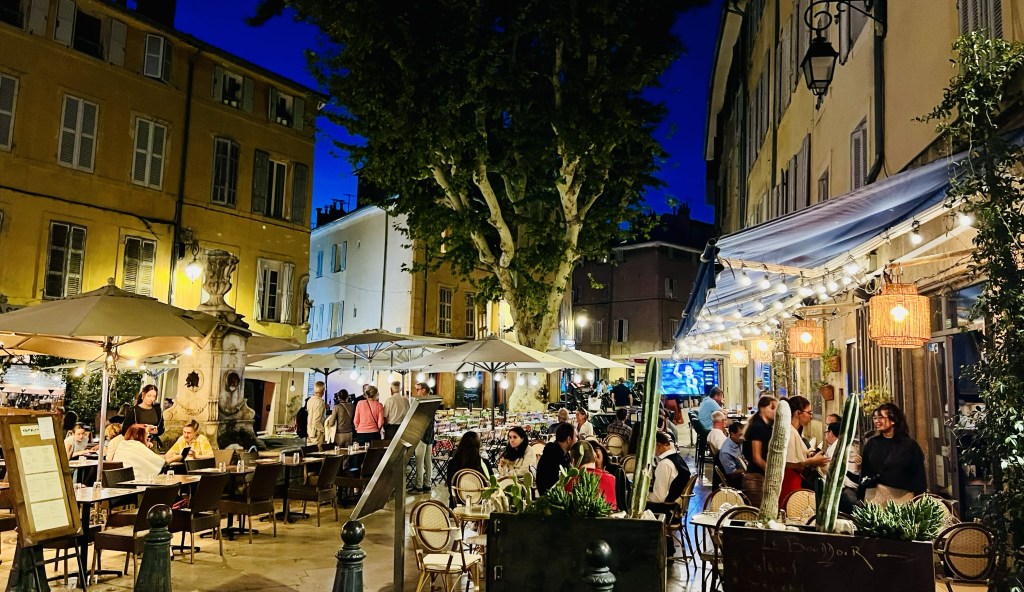
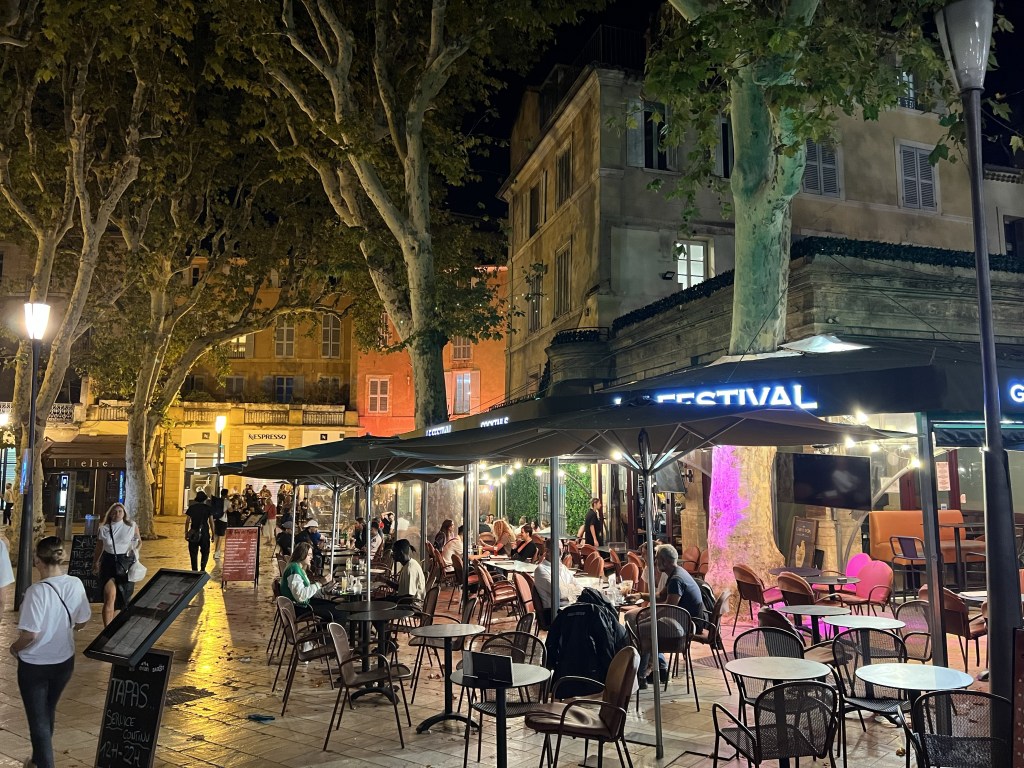
It is also a university town with a thriving student population (40,000 of its 140,000 residents being students). It was busy and bustling with a very vibrant nightlife…
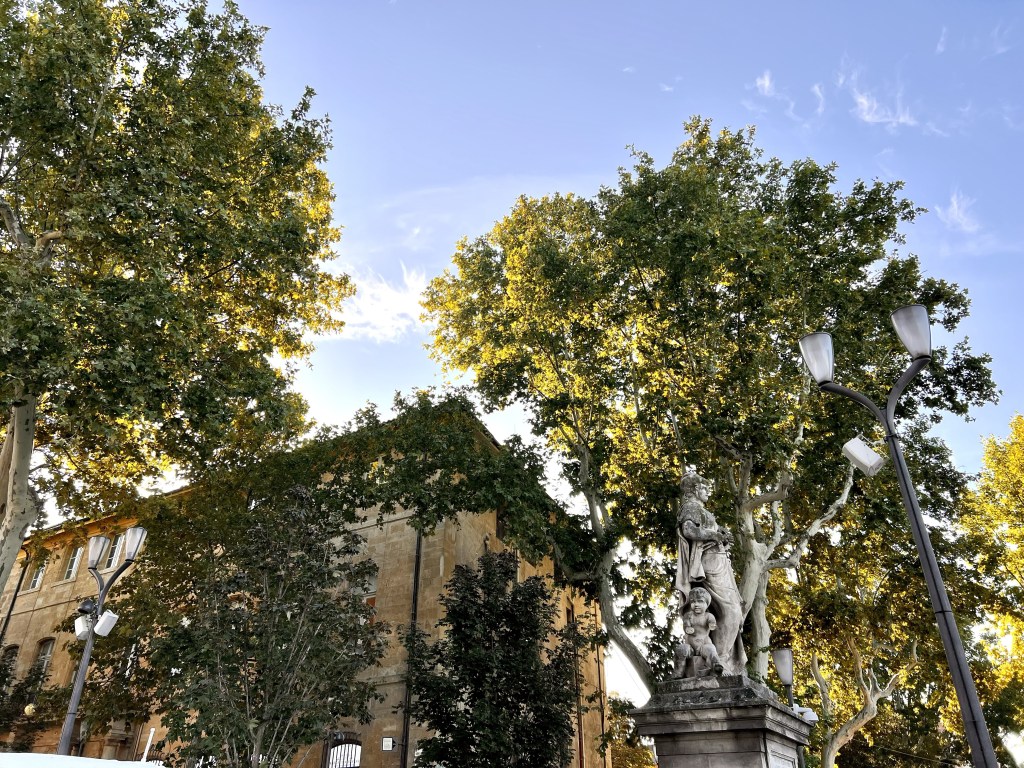
… and honestly, we didn’t love it. Too big and city like with chain stores and huge wide streets which didn’t have the colour and character of many of the other places we had been. I guess it all depends on what you’re looking for? I did love the impressive shade canopy of Plane trees (whose bark looks like camouflage) that were apparently planted by Napoleon 250 years ago to shade his troops. The light coming through their beautiful foliage was stunning and we were also often grateful for that shade as it is still unseasonably hot!
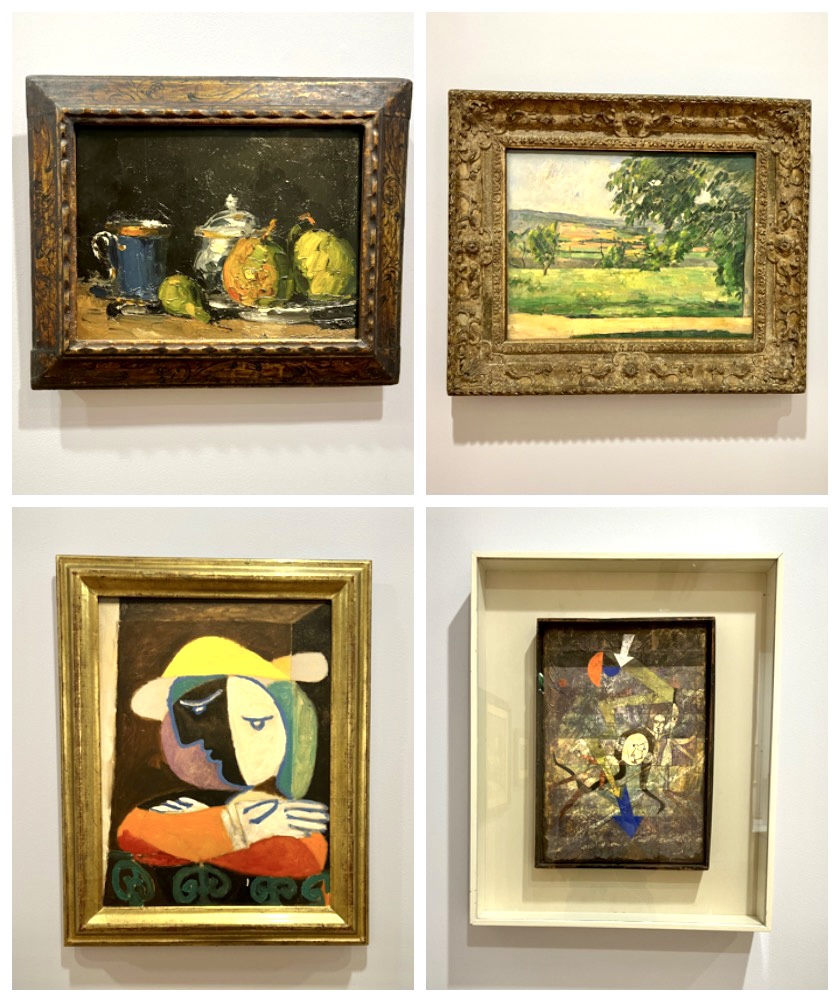
It’s apparently the place to go if you love galleries, museums and the history of some of France’s most famous artists. It was the birthplace of Post-Impressionist painter Paul Cézanne and you can visit Cezanne’s studio that remains as a perfectly preserved moment in time or see some of his works and of others at the Musée Granet (which was quite disappointing to me 🤷🏼♀️).
The white limestone mountain Sainte Victoire overlooking the city, as well as the surrounding countryside, were frequent subjects of his works.
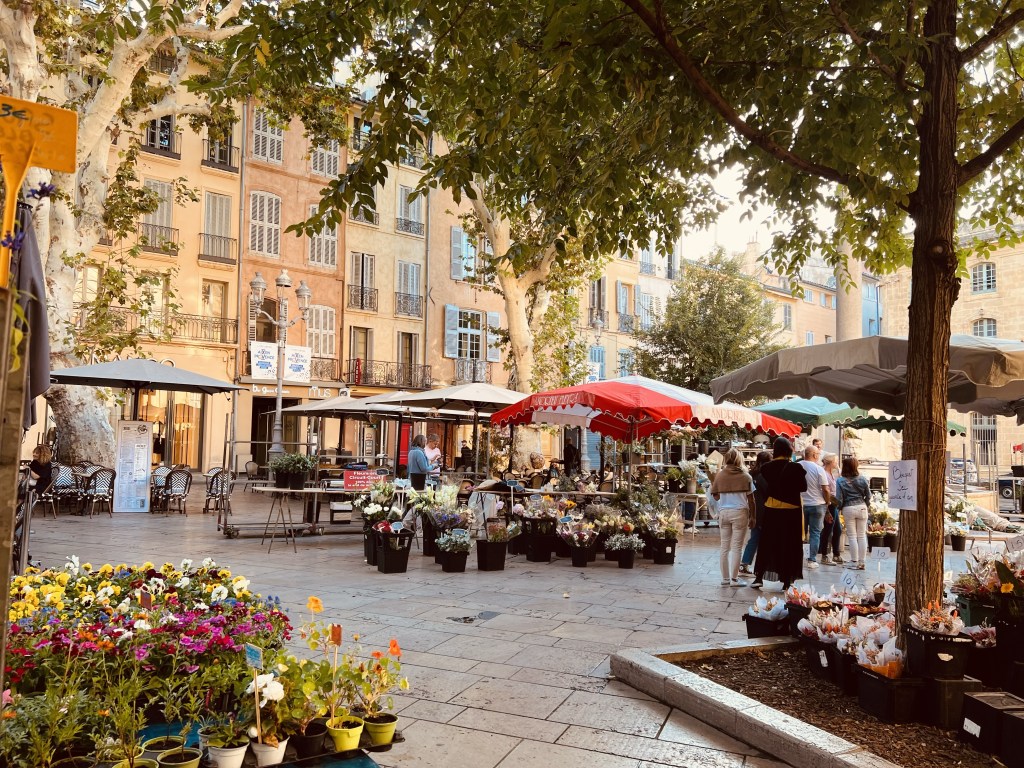
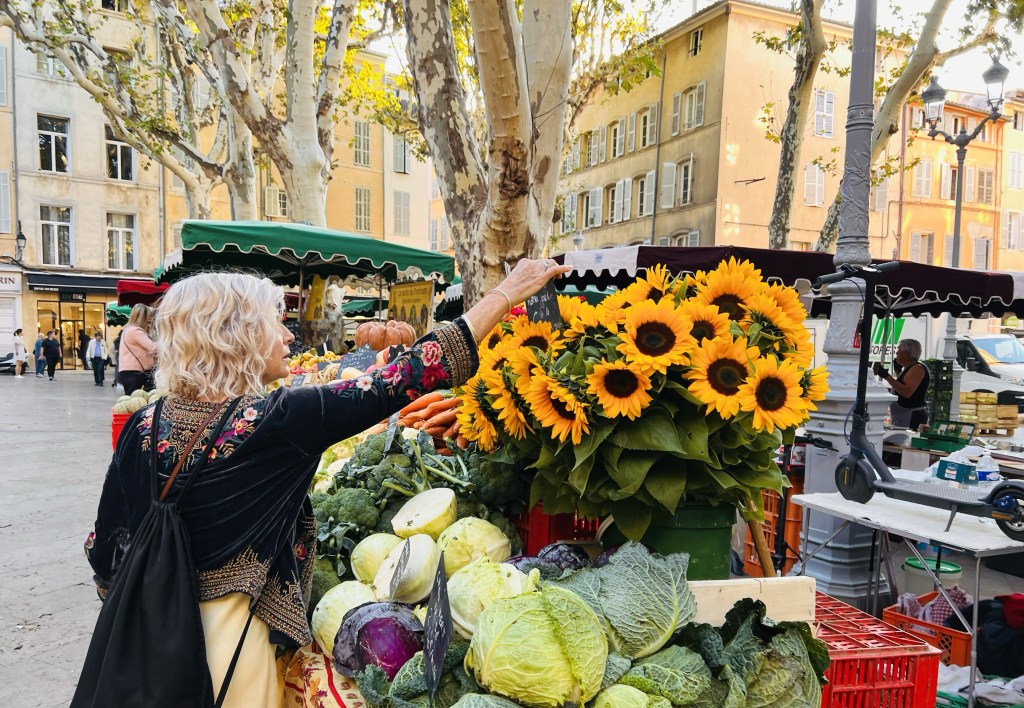
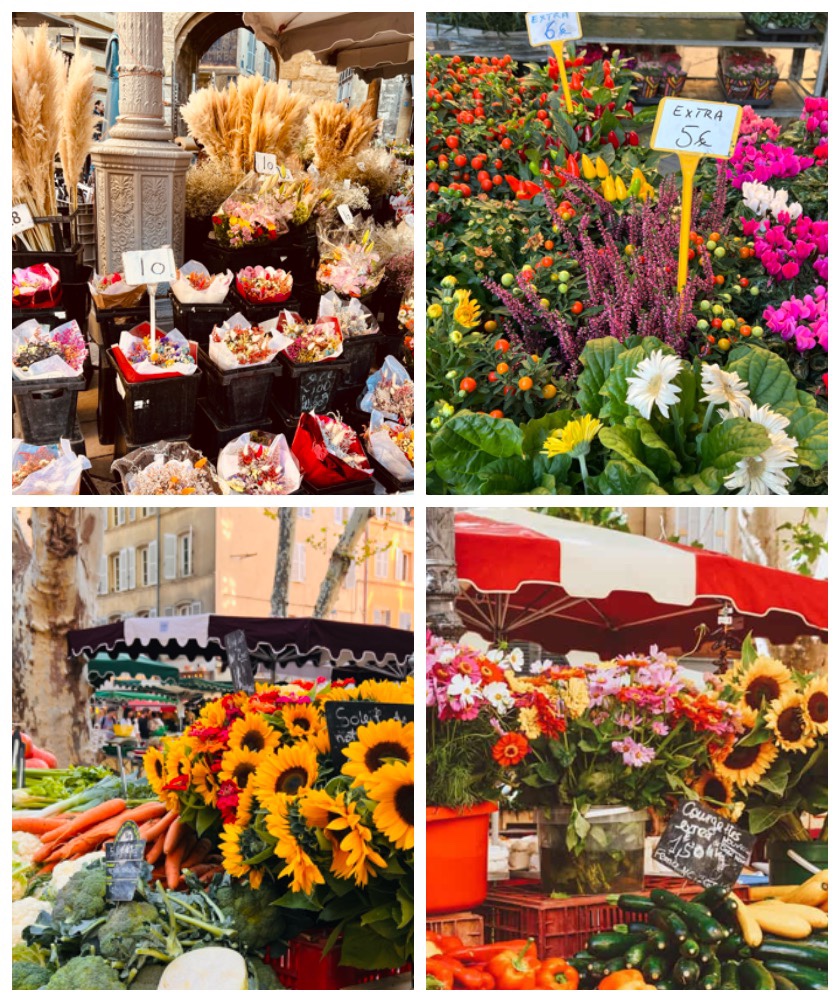
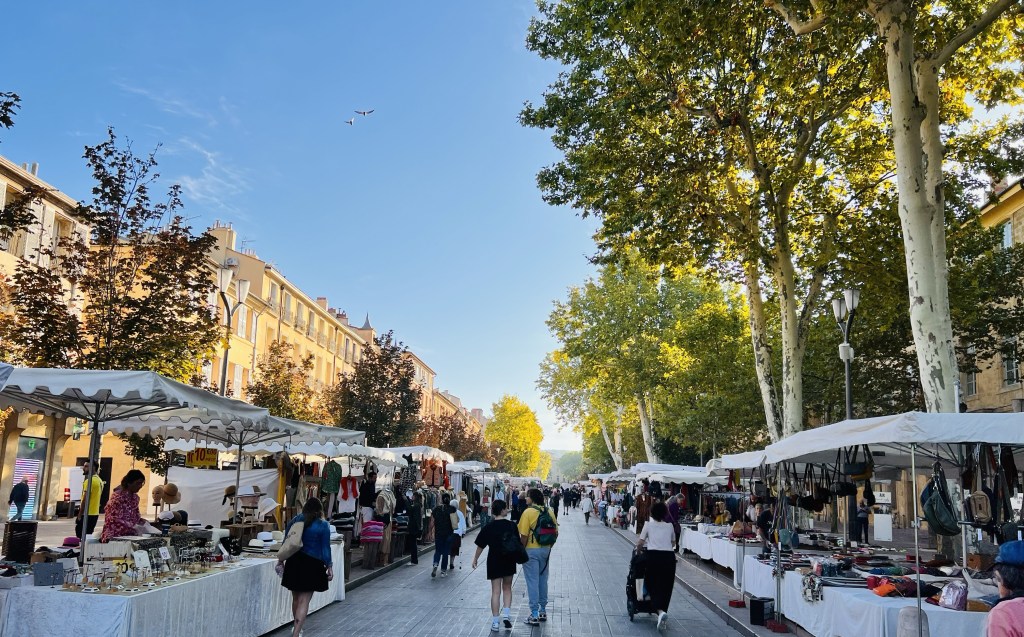
The famous Aix markets take place most days and span the length of the majestic Cours Mirabeau as well as the nearby plazas. In fact, it seems every spare square in the city is bustling with market stalls selling everything from beautiful linens to antique books, clothing, flowers and the freshest and most delicious strawberries.
We did enjoy a down day strolling the markets and the smaller alleyways a little out of the way of the main hustle and bustle.
Our last (but certainly not least) day in Provence was certainly a highlight… one not easily forgotten and hopefully to be repeated again in my lifetime. I booked myself an extravagant birthday lunch at the Michelin starred Le Saint Esteve- a first for me.
But first we had to get there! Another adventure without a car as it is situated in a small town close to Aix. All dressed up with Anne in her heels (not me these days) we hopped on a bus and headed out to the sticks. The lovely bus driver was not keen to let us out where we requested, obviously with our safety at heart, telling us it was a dangerous road. What do you do? Following Google maps we came to a goat track and Anne said no. So we followed the ‘dangerous’ road… dangerous because there was literally nowhere to walk but right on the road, until we got to the property. But they say nothing good comes easy! We are probably the only people to ever arrive somewhere like this on the bus 😂.
Amidst vineyards and olive groves, this restaurant lies within a luxury hotel with real Mediterranean charm…
… and abuts the icon Paul Cézanne’s beloved mountain Sainte Victoire. It is now the home of chef Julien Le Goff, fresh from Porquerolles in 2019… Fish and seafood enjoy a special place with langoustine, line-fished seabass and lobster, but turf produce is equally well represented with pigeon, beef and venison.
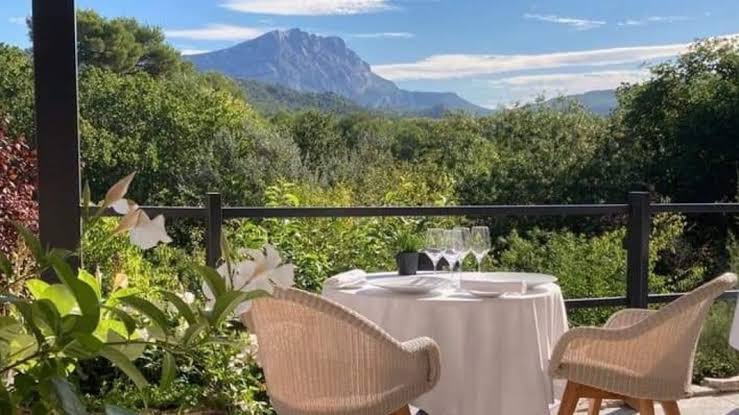
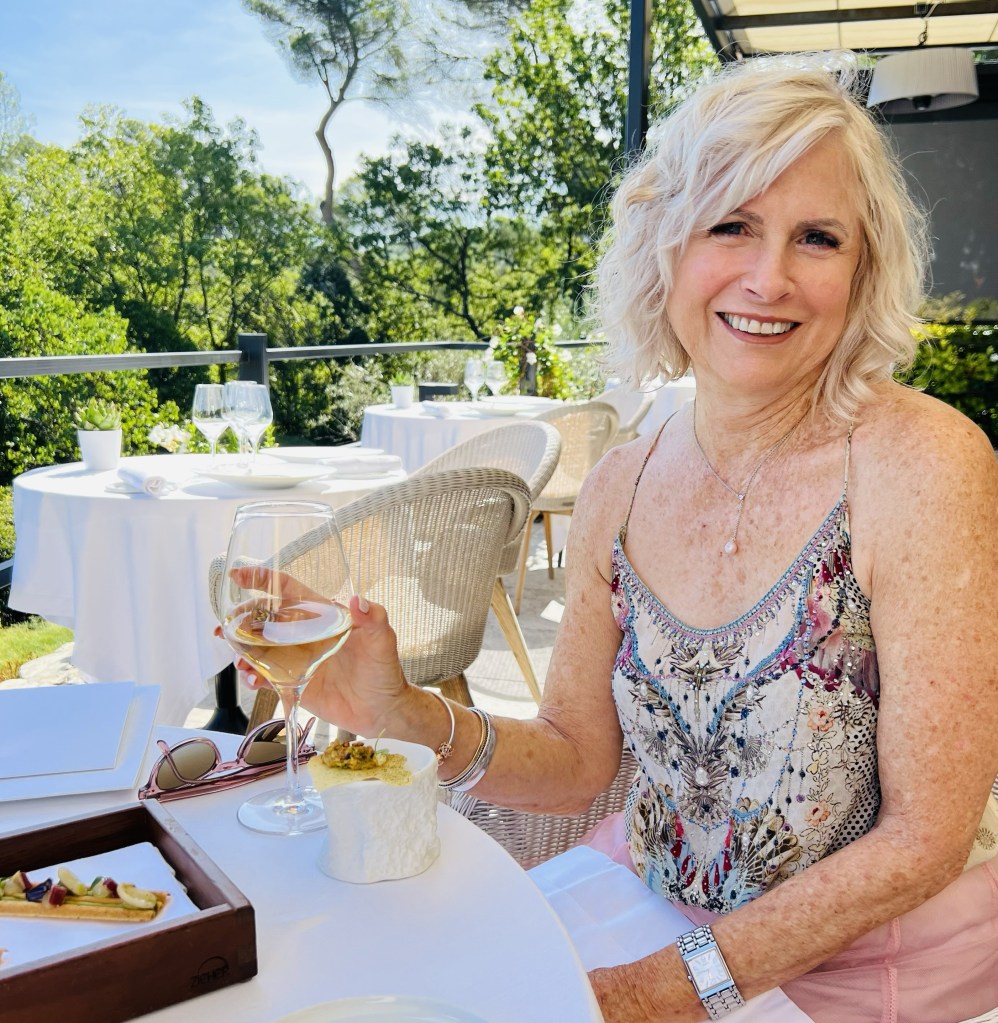
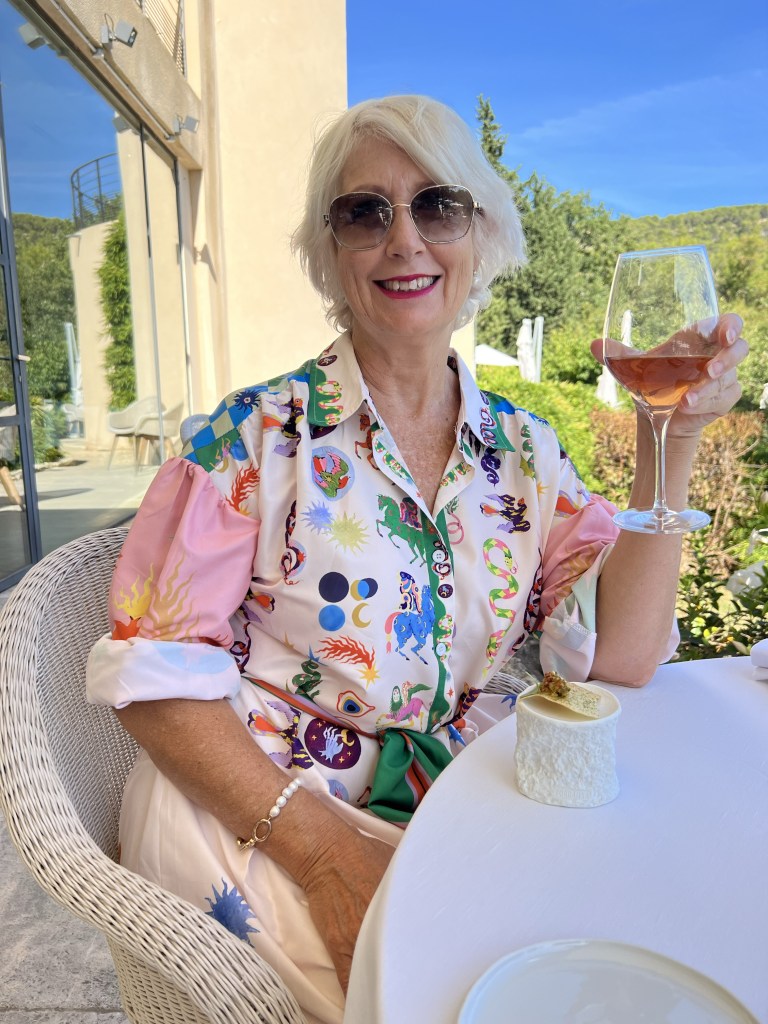
This was a fabulous fine dining experience for us in every way, in a magnificent setting. The view of the mountain St Victoire from the outdoor terrace is beautiful and peaceful with birdsong and butterflies and the sound of running water.
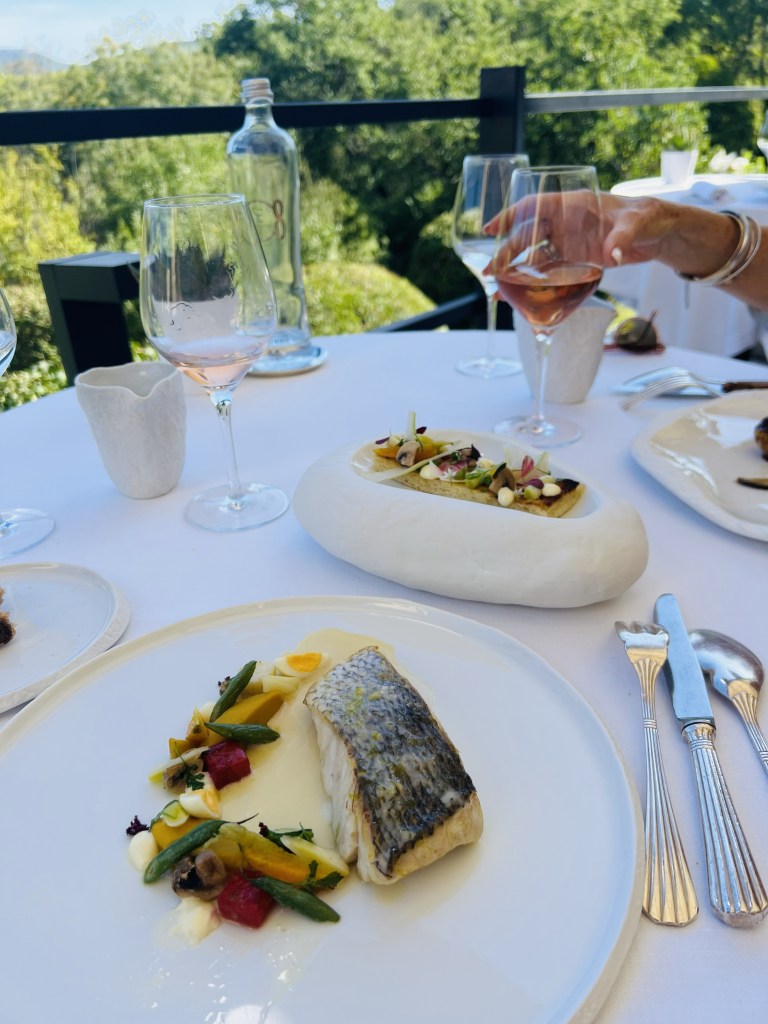
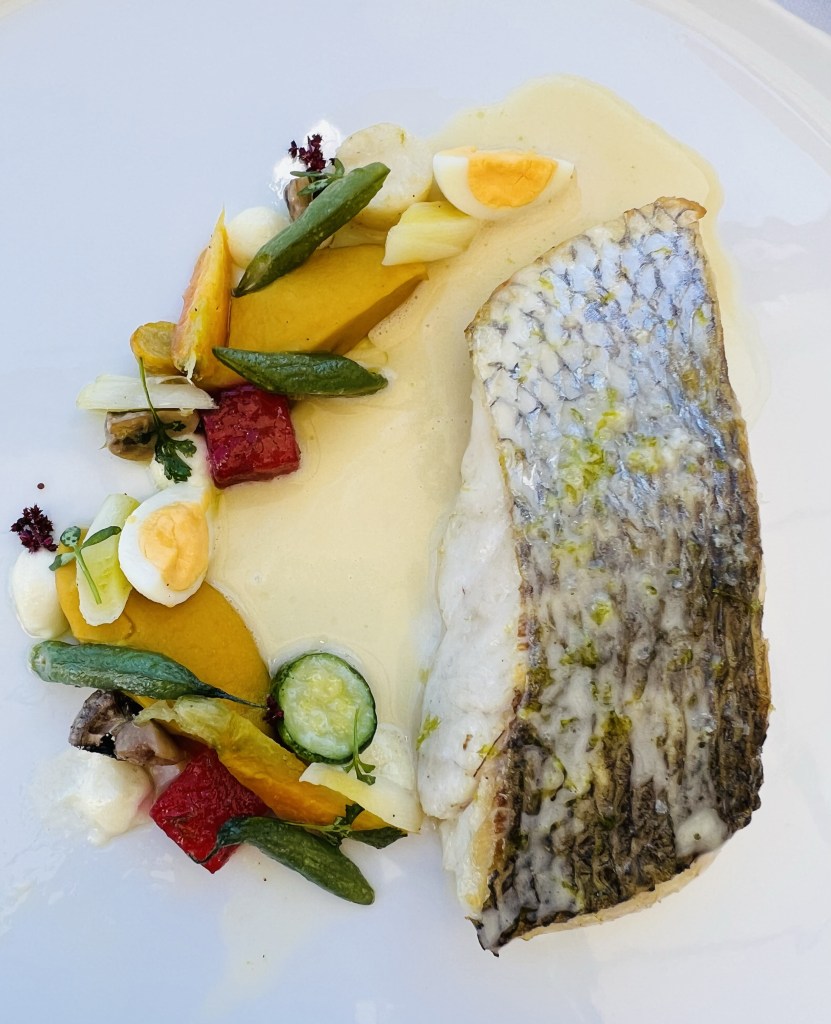
The staff are excellent and very professional but also very fun and friendly. The food was outstanding with a large, fresh, locally-sourced seasonal menu and beautifully presented in every course… and appeared almost sun-soaked…
… and the wine selection extensive.
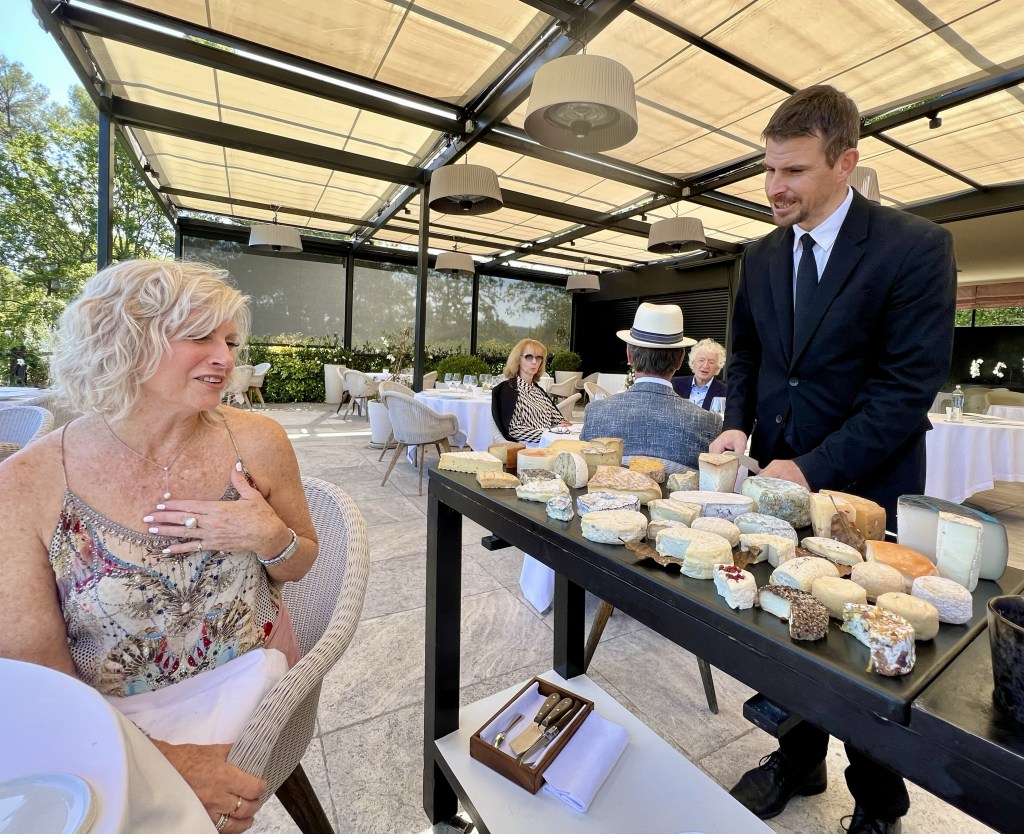
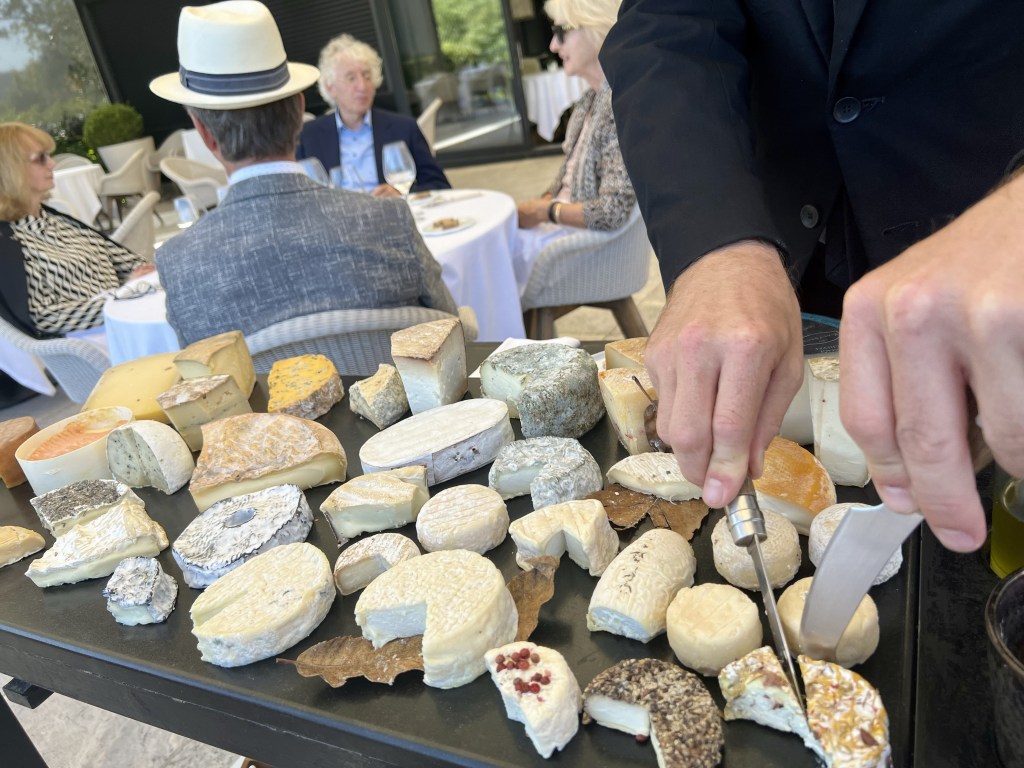
Anne experienced the cheese trolley- something neither of us had seen before… so many delicious types of cheese!
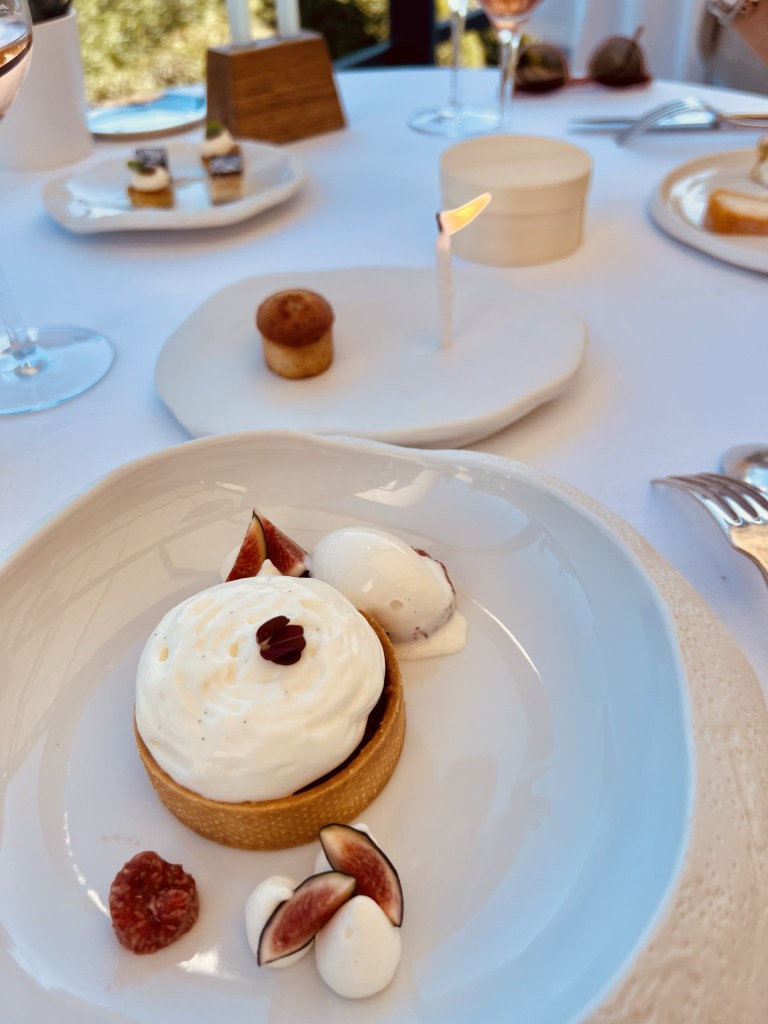
… while I, of course had dessert!
Sadly we did have to rush off to make the return bus as the next one was two hours away and we would have missed our next activity. We had really been looking forward to our fun and unique evening activity of grape stomping. Sounded like so much fun! So we were terribly disappointed to realise that there was just no way for us to get there without a car without spending another $300 for a driver. I had thought the vineyard was in Aix (or at least on the outskirts) but it was miles away with no transport at night. No grape stomping for us 😩. What a waste… and we could have sat longer and enjoyed the ambiance in our lovely restaurant.
So farewell to Provence… to its peaceful and romantic countryside, miles of vine covered hills and fruit trees, it’s ancient towns and perched villages… rustic and quaint where every corner bears new treasure… every cobblestone a gem…. that stunning golden afternoon light and faint breeze that makes you want to skip through the fields or linger on a terrace amongst the streets with the wafting air of fresh pastries…. its plunging gorges, blue lakes and cool mountains… Landscapes so stunning that the beauty overflowed our eyes and rolled down our cheeks. Ahhh Provence- you have filled our hearts and made dreams come true!
What an amazing day! I woke to music playing and a light in beside my bed and in my sleepy state I couldn’t quite work out what it was… and then I realised it was my iPad beside my bed and someone was trying to call. It was my precious friend Sue calling to wish me a happy birthday… thinking I would be up for the sunrise. But it was 6.00am… still pitch black as the sun doesn’t rise here atm until about 7.30. Oh well- I was awake now. And almost as soon as I hung up, there was a call from my daughter Jade and Andy and later from Alex, Liz and the kids and then Chrissy, Danique and kids. So lovely to have contact after a month away now!
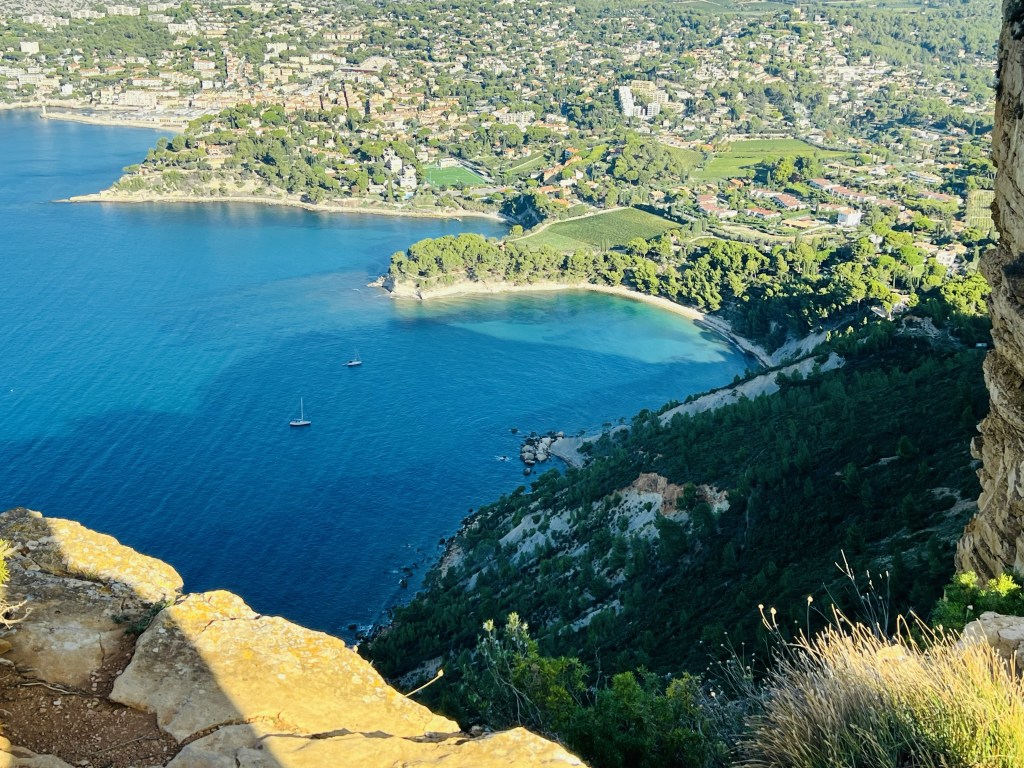
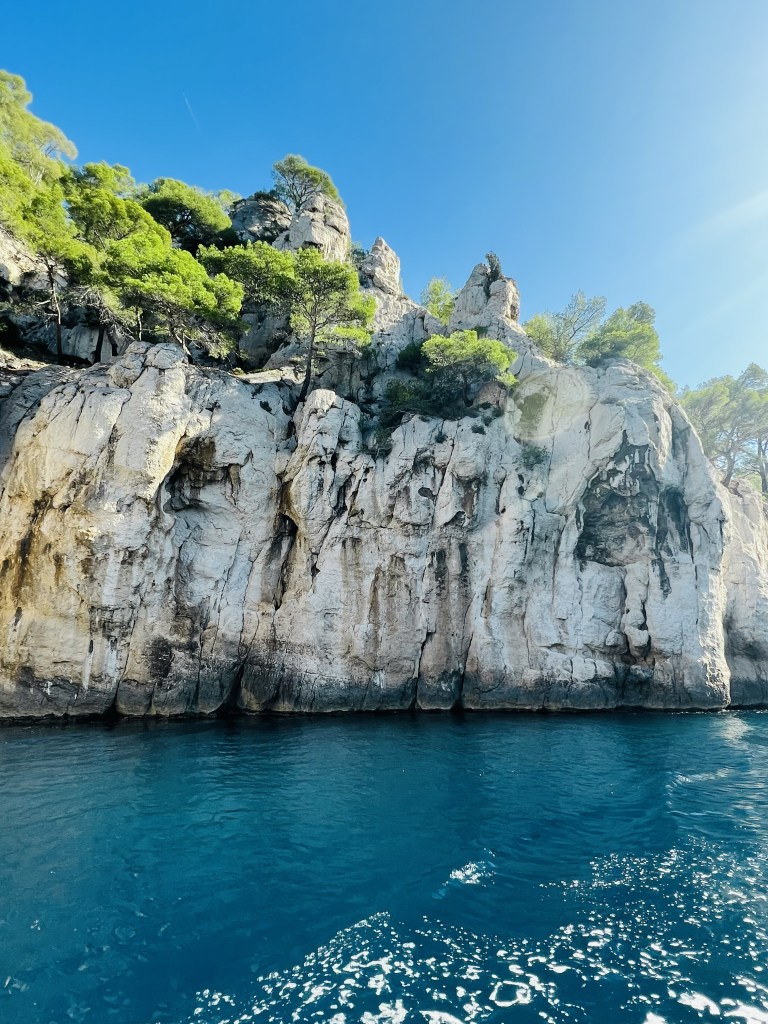
So, we had a very big day planned on a small all day tour with lots of stops filled with the beauty of Provence. First stop Cassis… a picturesque Mediterranean fishing port. The area is known for its calanques… stunning narrow inlets framed by dizzyingly steep, rocky limestone cliffs and crystal-clear turquoise water.
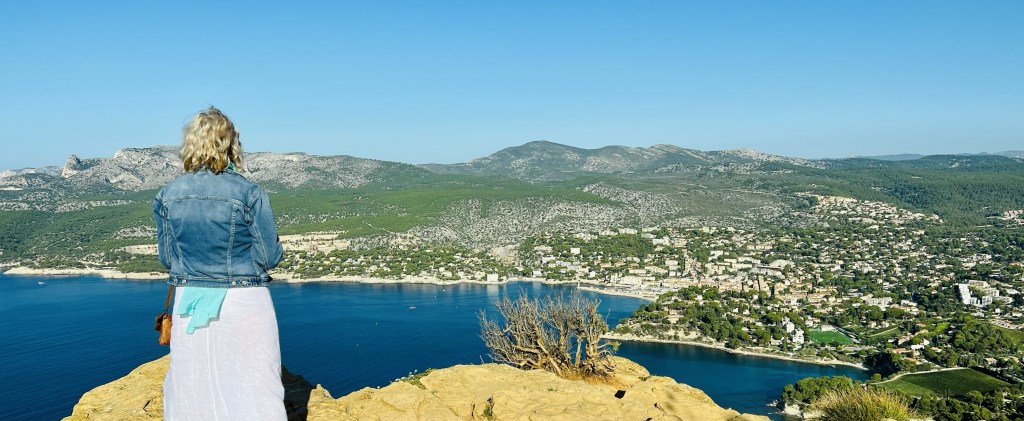
So even before arriving in Cassis, we make a quick stop at the lookout at Cape Canaille for a breathtaking view of the coast and of the coves and the town of Cassis. At 394m, it is the highest sea cliff of France.
Even the ‘non’ view side was stunning!
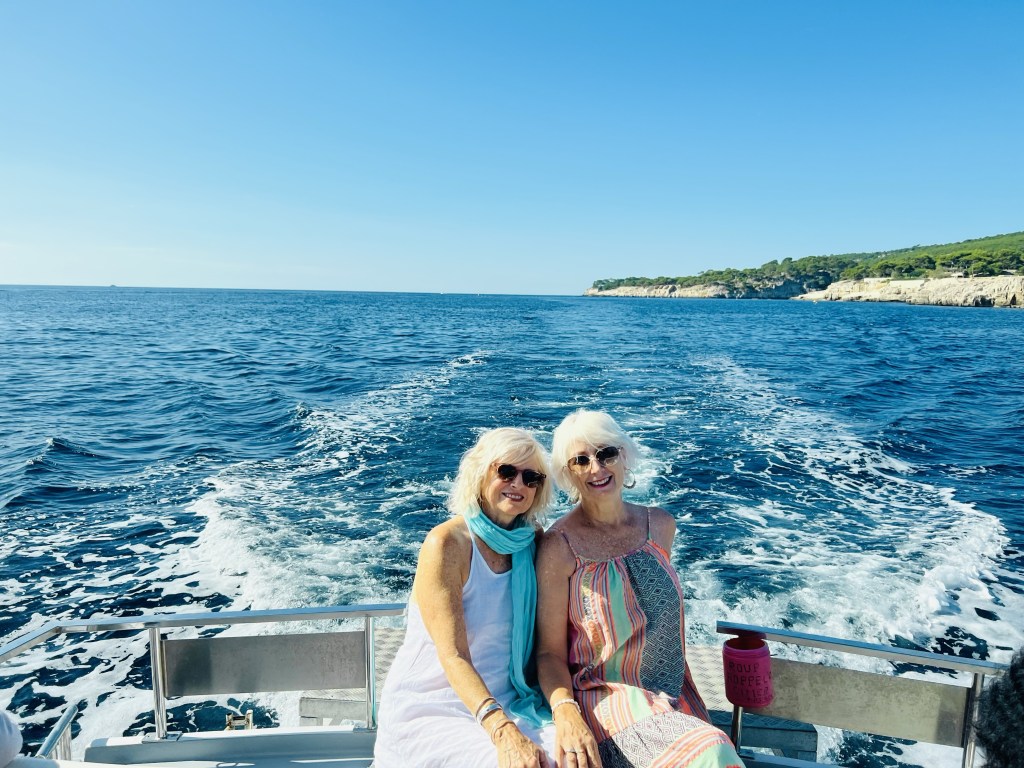
Onwards to Cassis where there are lots of boating tours that leave from the harbour that visit more of this Provençal wonder of the Calanques. We hopped on a small boat for a relaxing hour long journey alongside the incredible beauty of this rocky national park with its extremely diverse and fragile ecosystem. With colourful hills in the background and a soft sea breeze, we visited this little corner of paradise, between the blue sky and turquoise sea. Such a lovely start to the day before heading back to the town to explore.
I had considered this colourful ancient fishing port when looking at coastal towns to stay on the riviera and had decided it was not central enough to get around and do all the things I wanted yo do- and had eventually settled on Villefranche sur Mer. While I don’t think this was a mistake, as soon as we arrived in the delightful fishing village, I knew I would want more time here. It was a bit like stepping inside an impressionist painting.
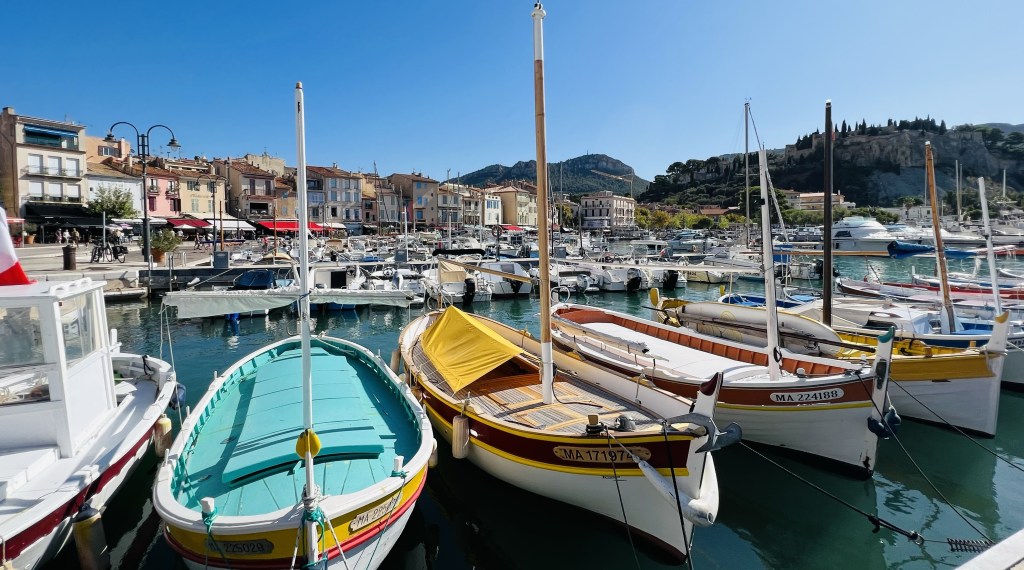
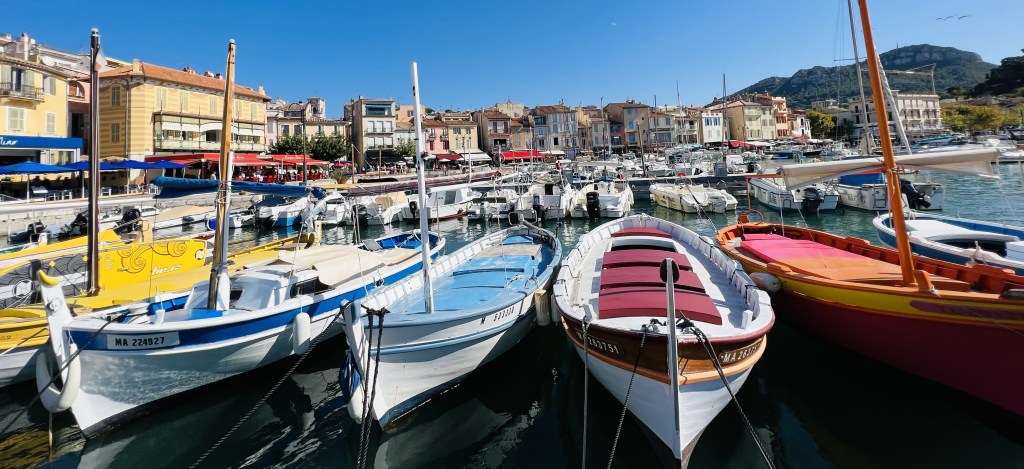
From the pebbly beaches, the shimmer of the water in the port, the array of colourful fishing boats and pleasure boats that fill the pretty harbour…
… to the many restaurants bursting with noise and colour serving locally caught seafood…
… to the photogenic architectural jumble of buildings painted in shades of Provence…
… and the pretty leafy back alleyways…
… and from the towering centuries-old chateau that overlooks the town…
Cassis is a treasure for the eyes and had a really lively vibe especially with the bustling weekly market on in the middle of town.
I ran around madly trying to take a few colourful pictures before it was time to move on to our next stop.
The little town of Loumarin is beautiful and very photogenic, with cobblestone streets… where ivy drapes over arches and scrambles up walls of ancient houses decked with flower pots… complete with friendly cats who follow you as you make your way through the tiny village. Quaint shops are plentiful as are cafes with outdoor seating and from the moment we arrived in the village it wrapped us in its sun-drenched embrace.
There are a handful of trendy bars and restaurants and plenty of cafes with outdoor seating, plus a great outdoor market in the city centre.
Lourmarin is of course ranked as one of the ‘most beautiful villages’ in France and we wandered it’s pretty leafy streets…
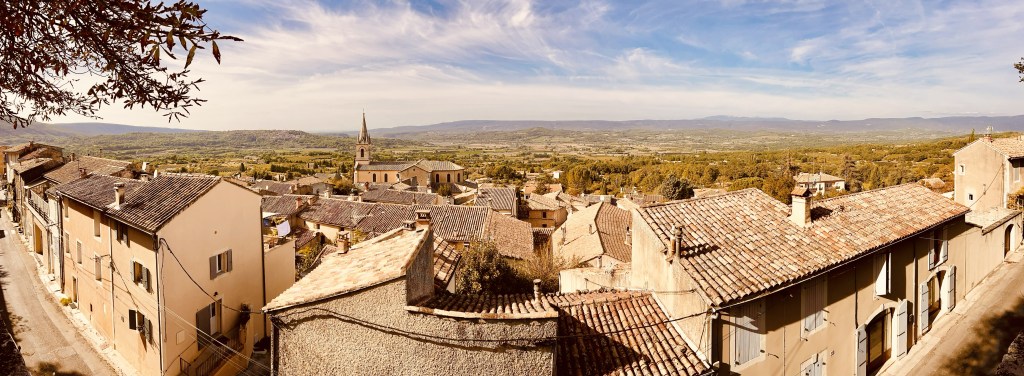
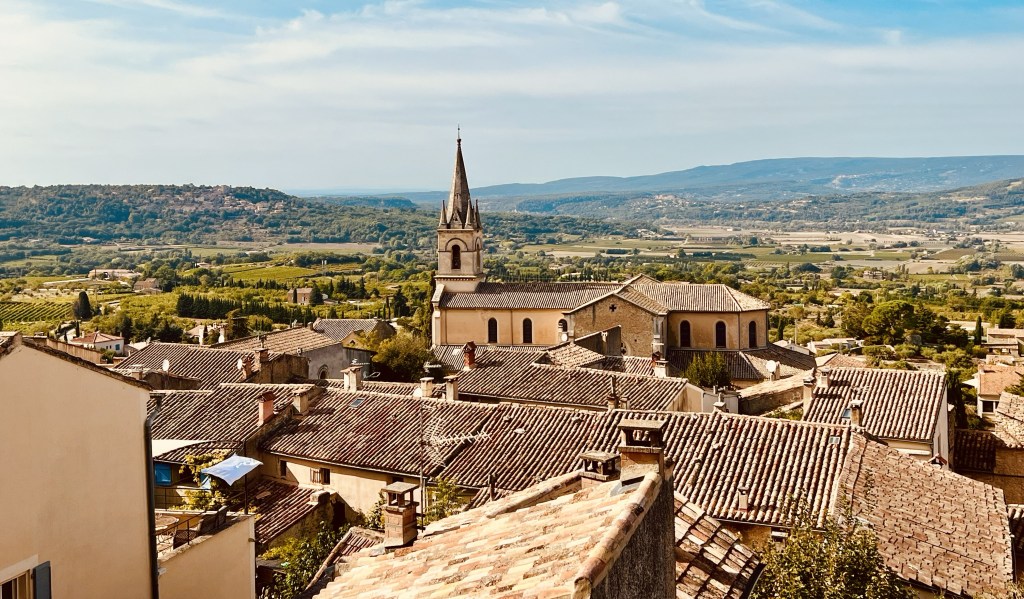
Then through another pretty village Bonnieux. From the ivy-covered façades to the way in which the houses cascade down the hillside, it’s another village straight from a fairytale. The old town is petite, and I’m sure, best explored by foot but there was no time for that and we did a quick drive through stopping briefly to be rewarded with magnificent views of the Vaucluse Mountains, as well as the nearby villages of Gordes and Roussillon. Spreading out below Bonnieux is the fertile landscape that yields crops of olives, grapes, and lavender.
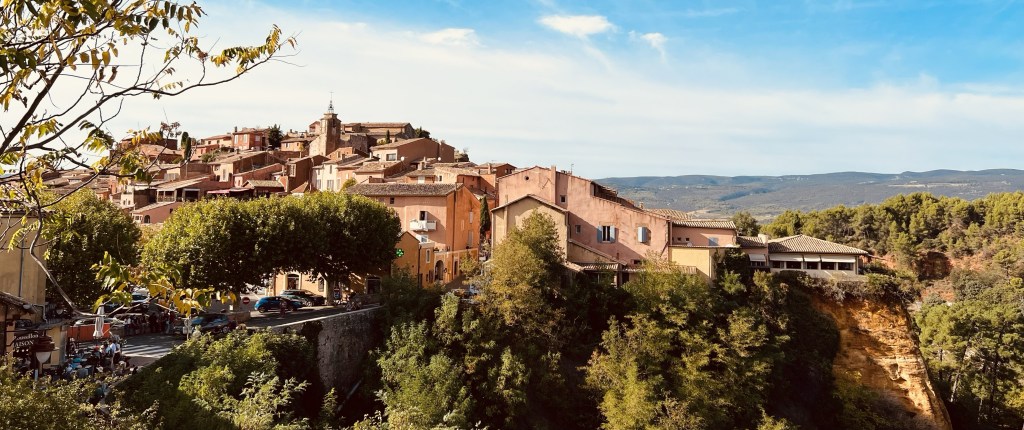
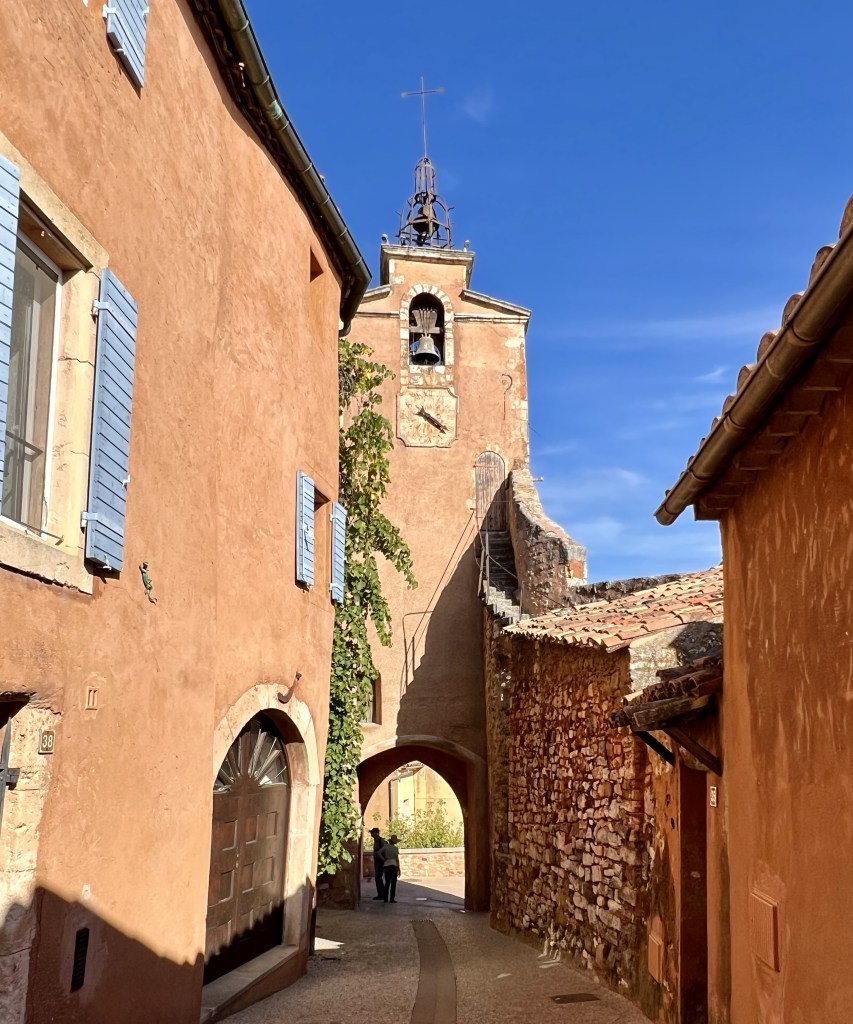
Then we were off to the vibrant, terracotta heaven that is Roussillon… one of the most unique towns in France. Located at the southern end of the Plateau de Vaucluse, Roussillon affords incredible views over the Luberon valley.
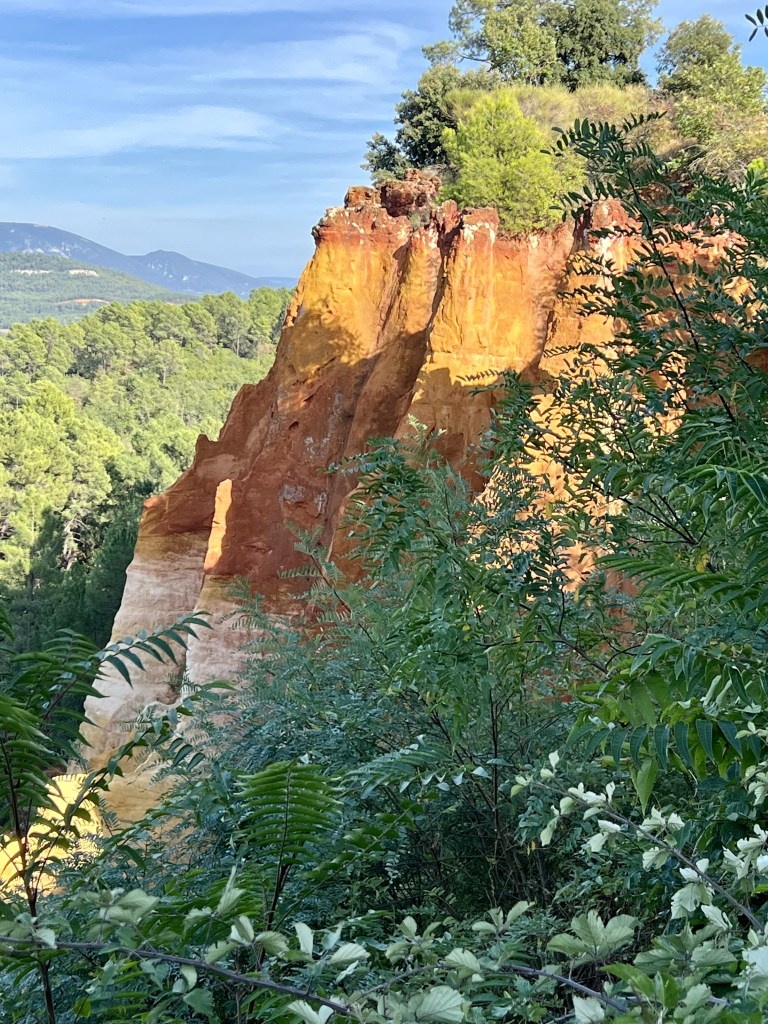
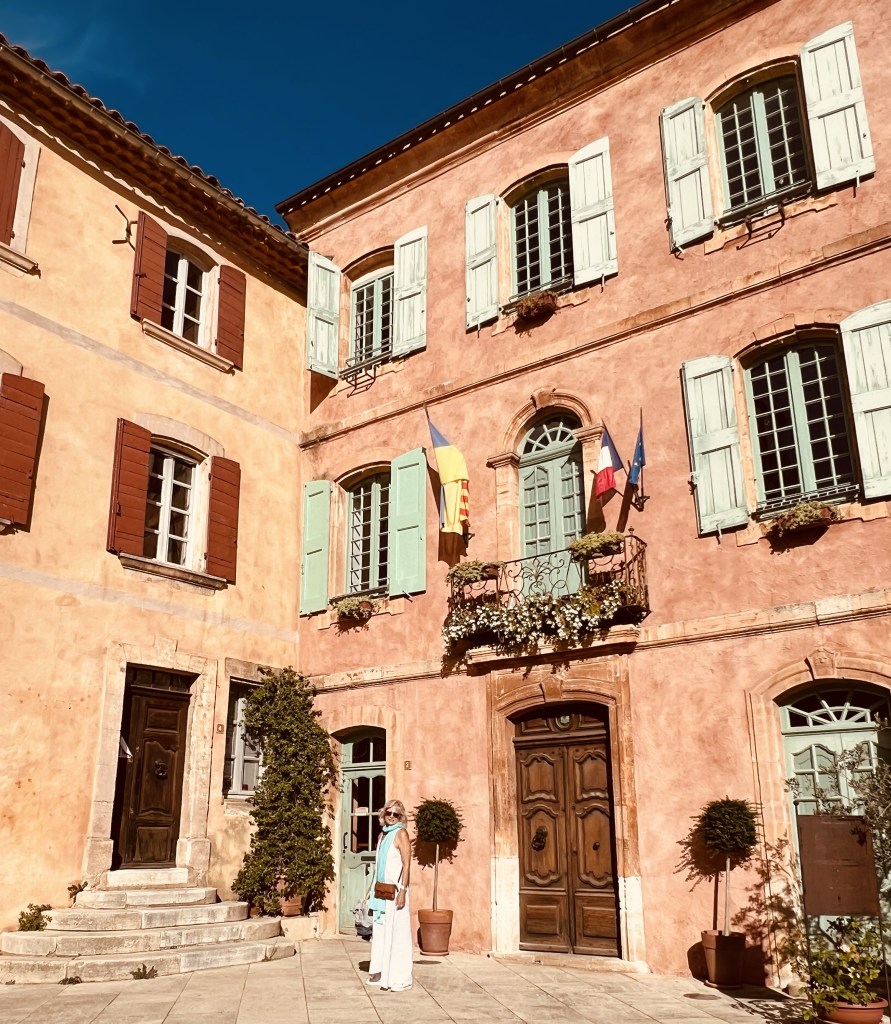
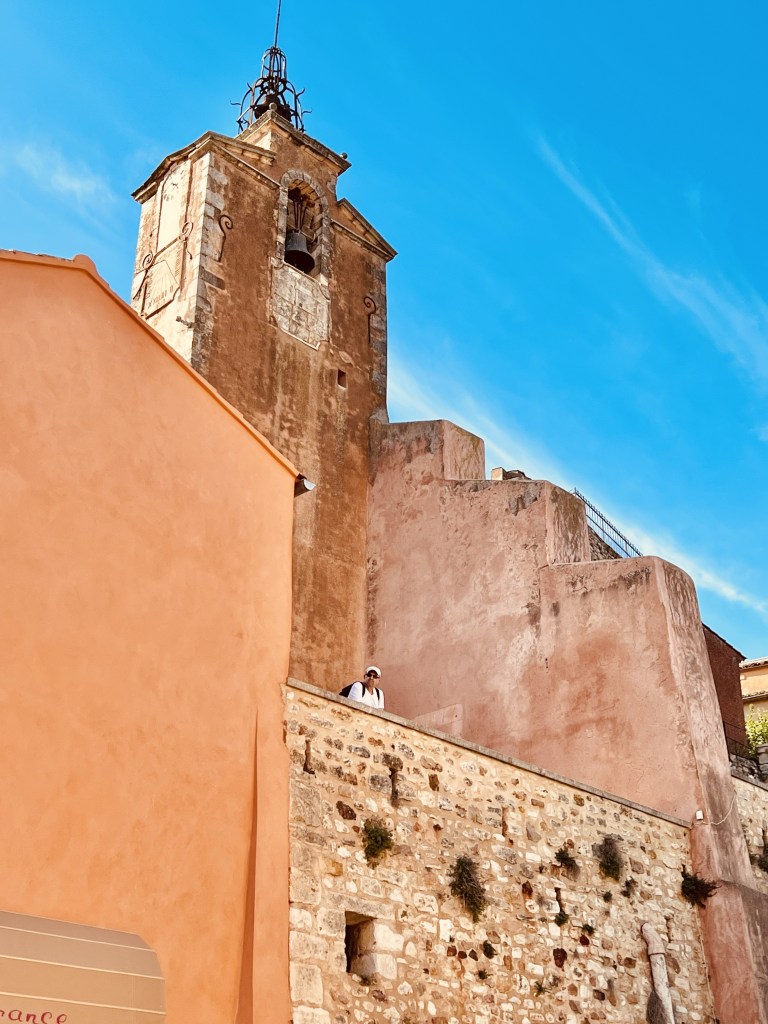
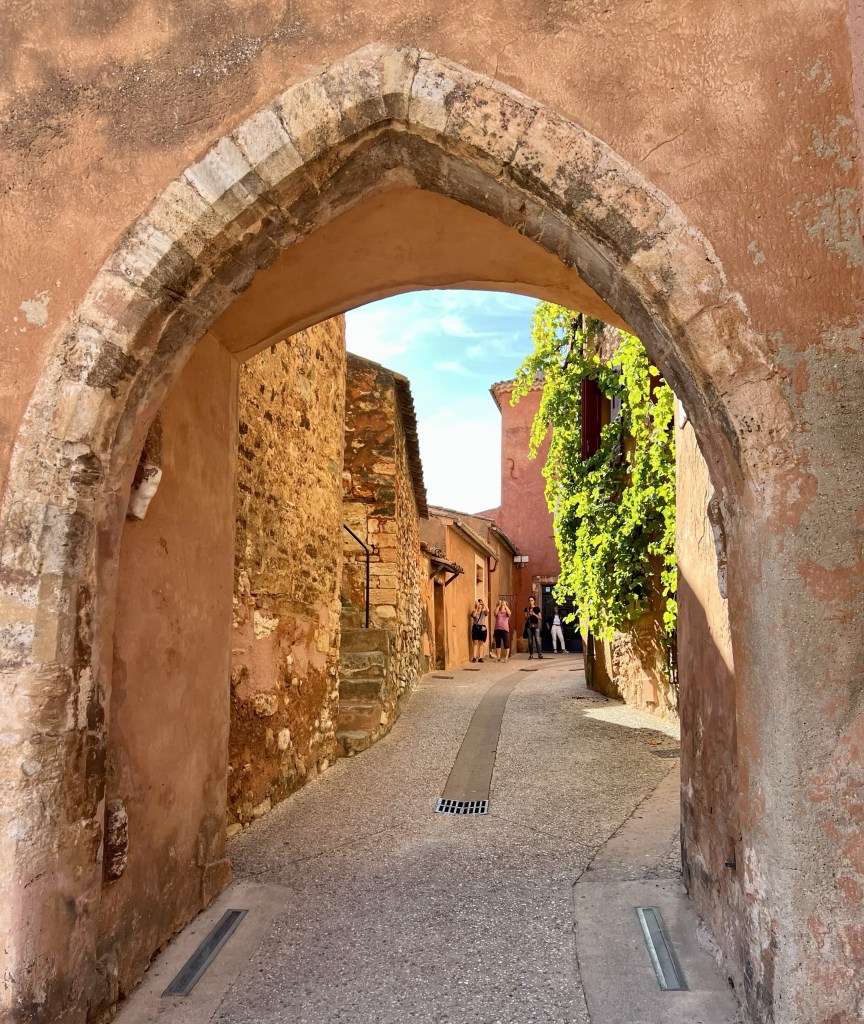
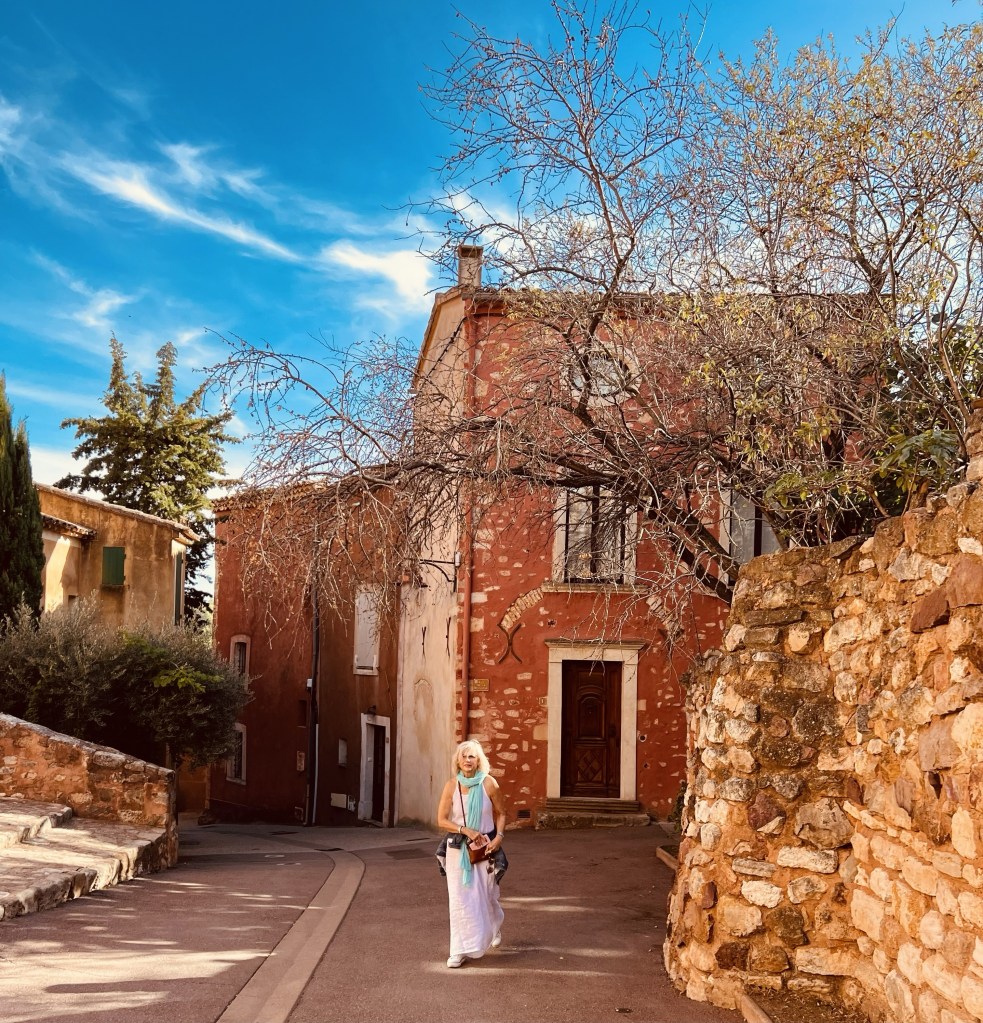
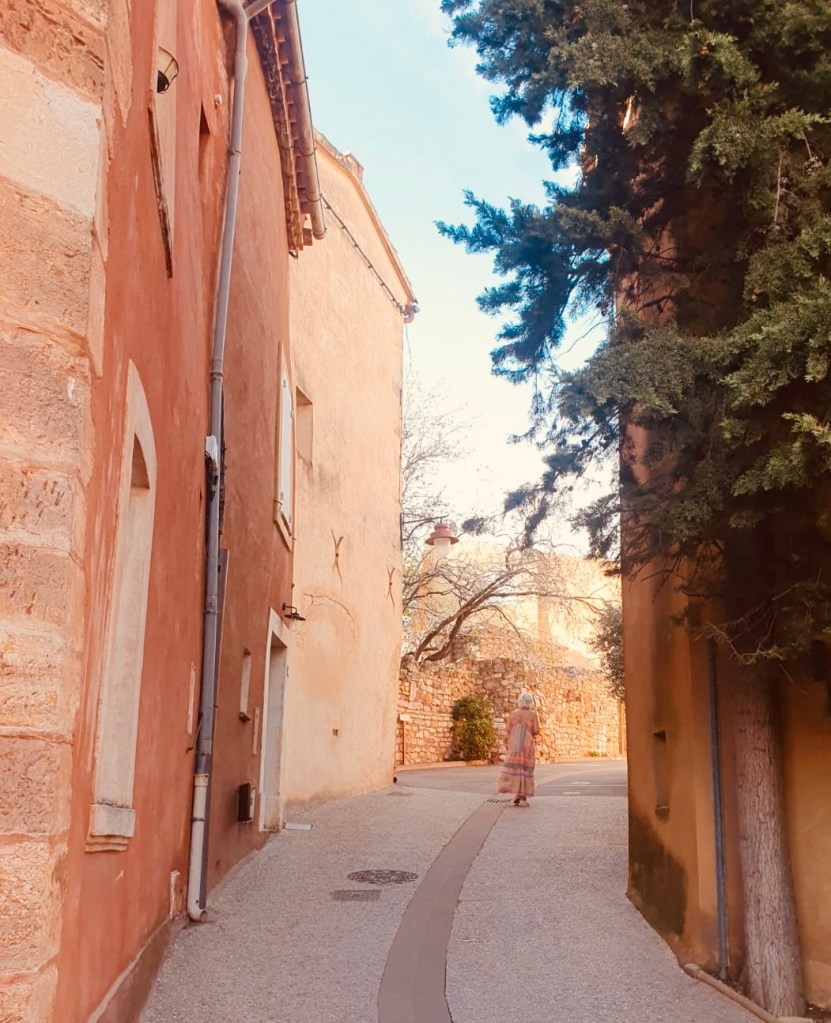
Thousands of visitors travel to Roussillon every year to see the unique colour scheme of rusty red and muted orange buildings which can be attributed to the rich ochre deposits found in the land surrounding the village.
Once an important economic source for the region, today the ochre mines bring wealth to the area in another way – with tourism!
A great photo opportunity as the colours are unlike any other towns in France.
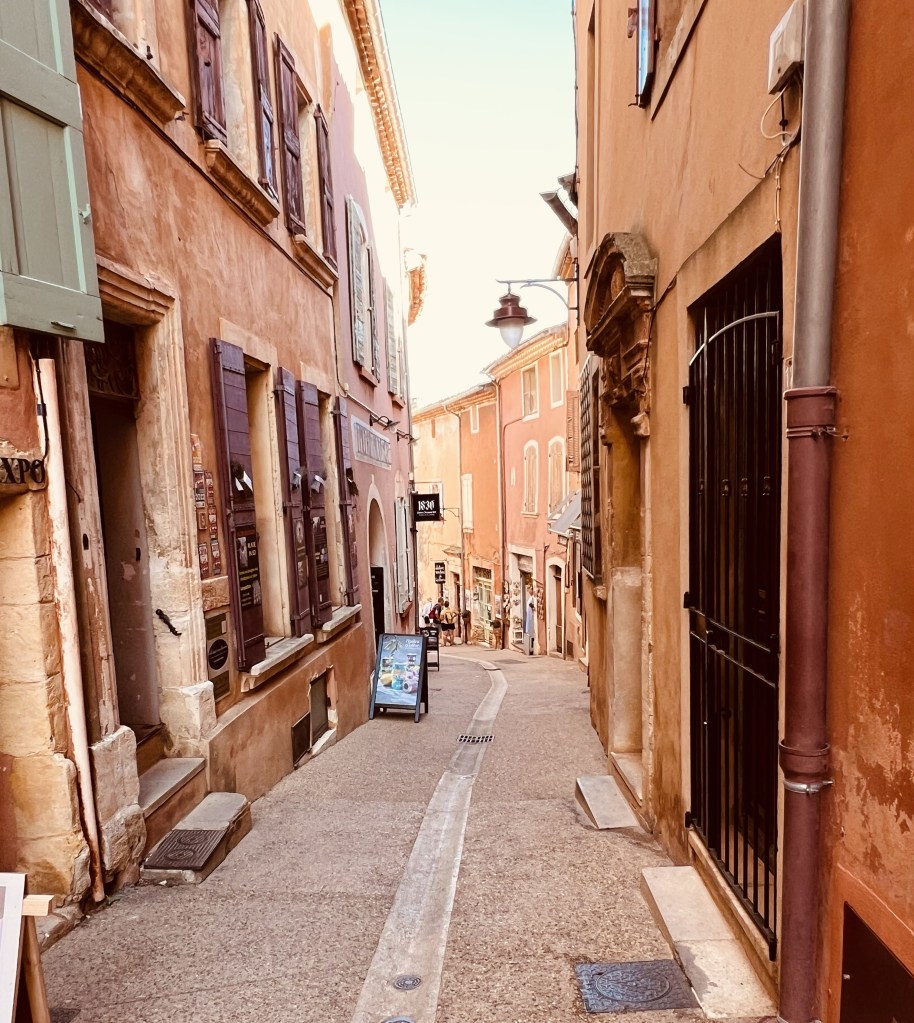
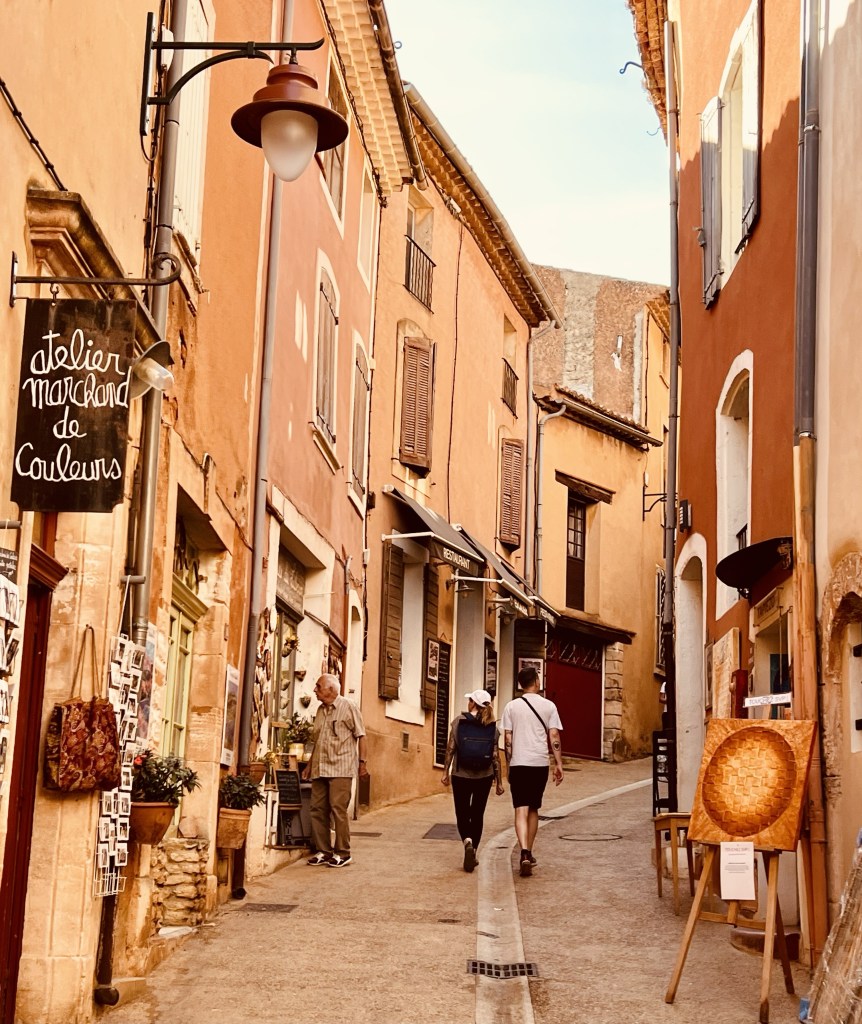
I loved this place so much (I know I always say that but I think this was my favourite of the day). Strolling through the narrow alleyways of the town, admiring the naturally pigmented buildings… the colours are just so gorgeous and my current favourites- I’ve even painted a feature wall in my new house in a pink clay colour.
With the terracotta colourings against the bright blue sky backdrop, this place really was magical.
We stopped for a quick tipple as it was definitely wine o’clock by this stage… and then onto our last village for today- Gordes
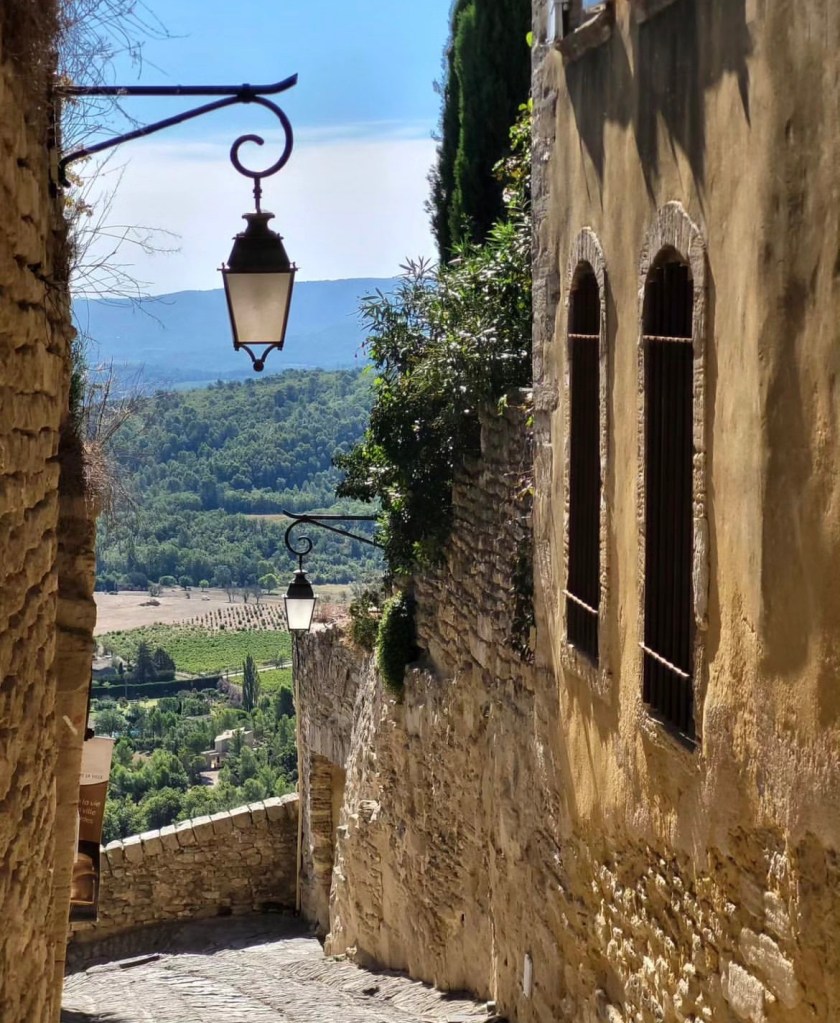
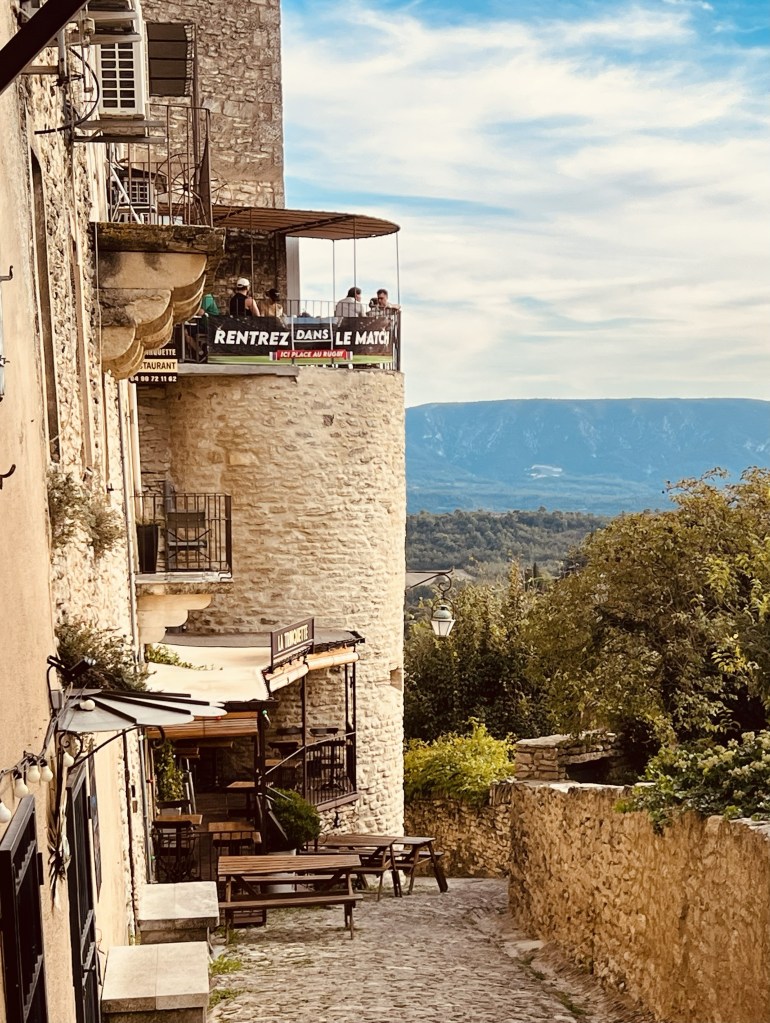
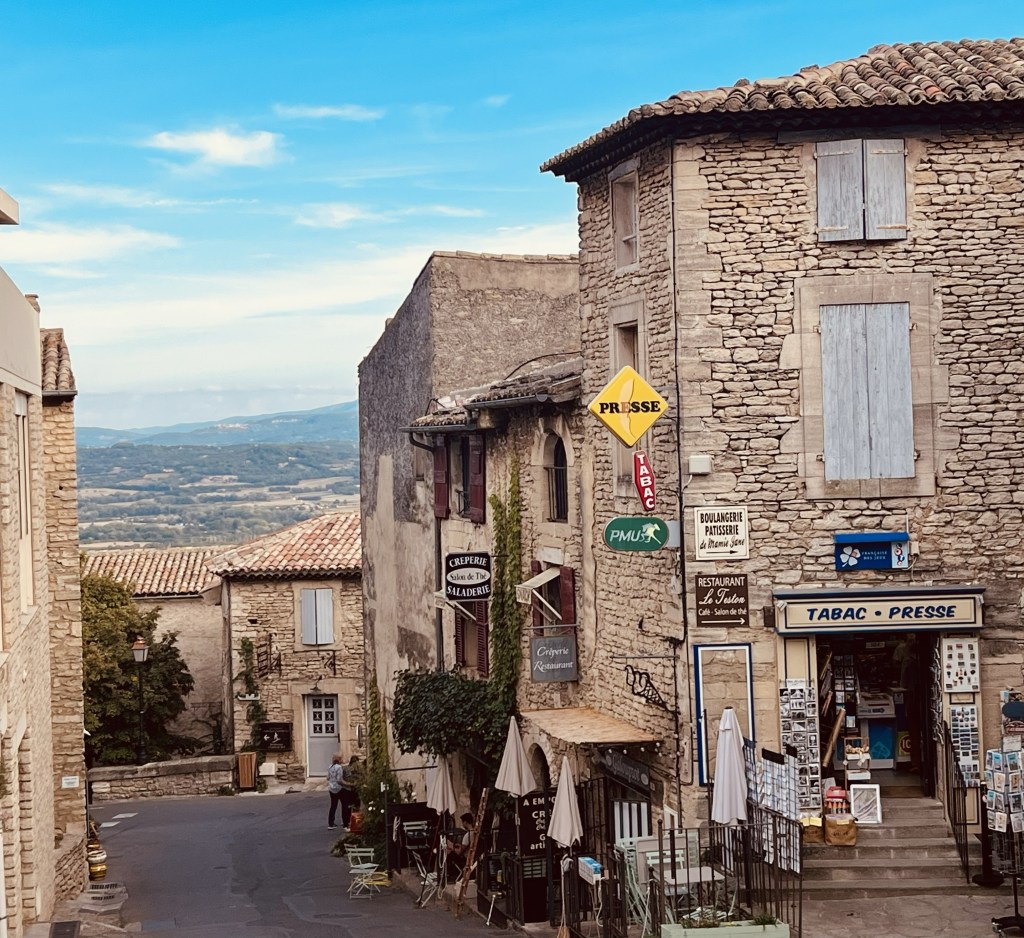
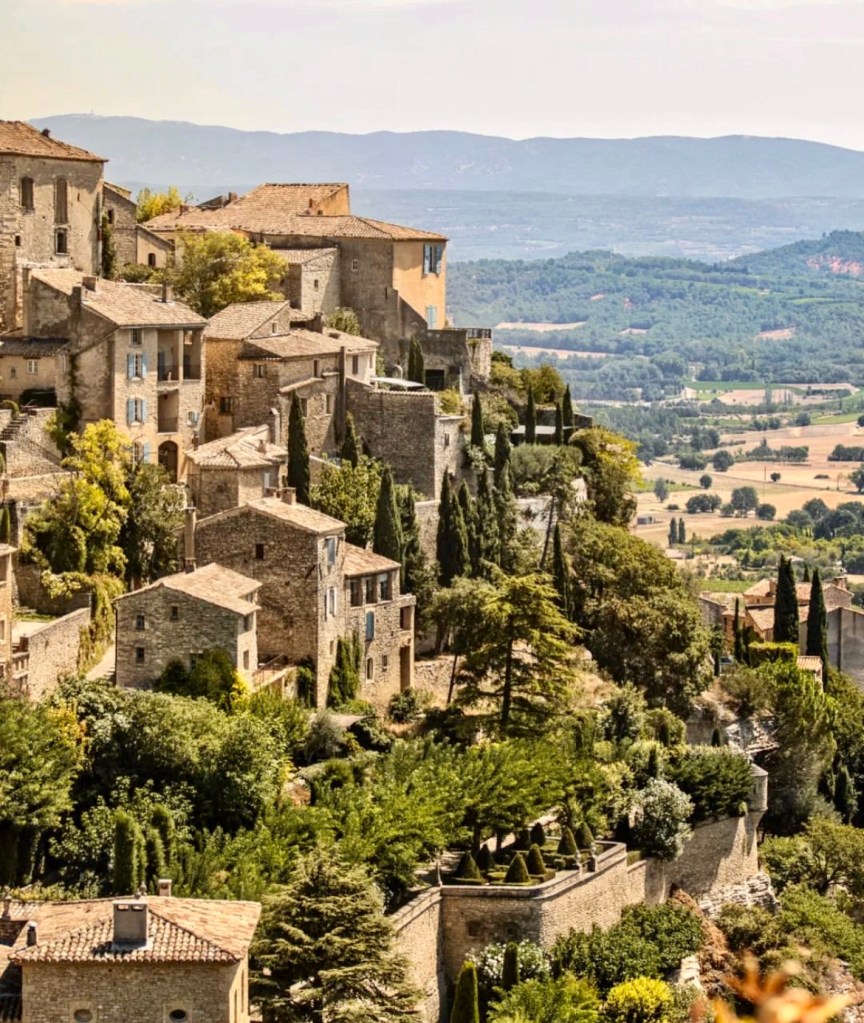
Built into the side of a hill and surrounded by the sprawling Luberon Valley, the medieval town’s striking appearance has earned its title as the most well-known, beautiful small town in France- and this year is actually Number 1 of France’s ‘most beautiful’ villages. It was made famous by Peter Mayle ‘s book A Year in Provence. As we strolled its cobblestone streets, (or more like power-walked due to our very limited viewing window), we were rewarded with breathtaking views at every turn…
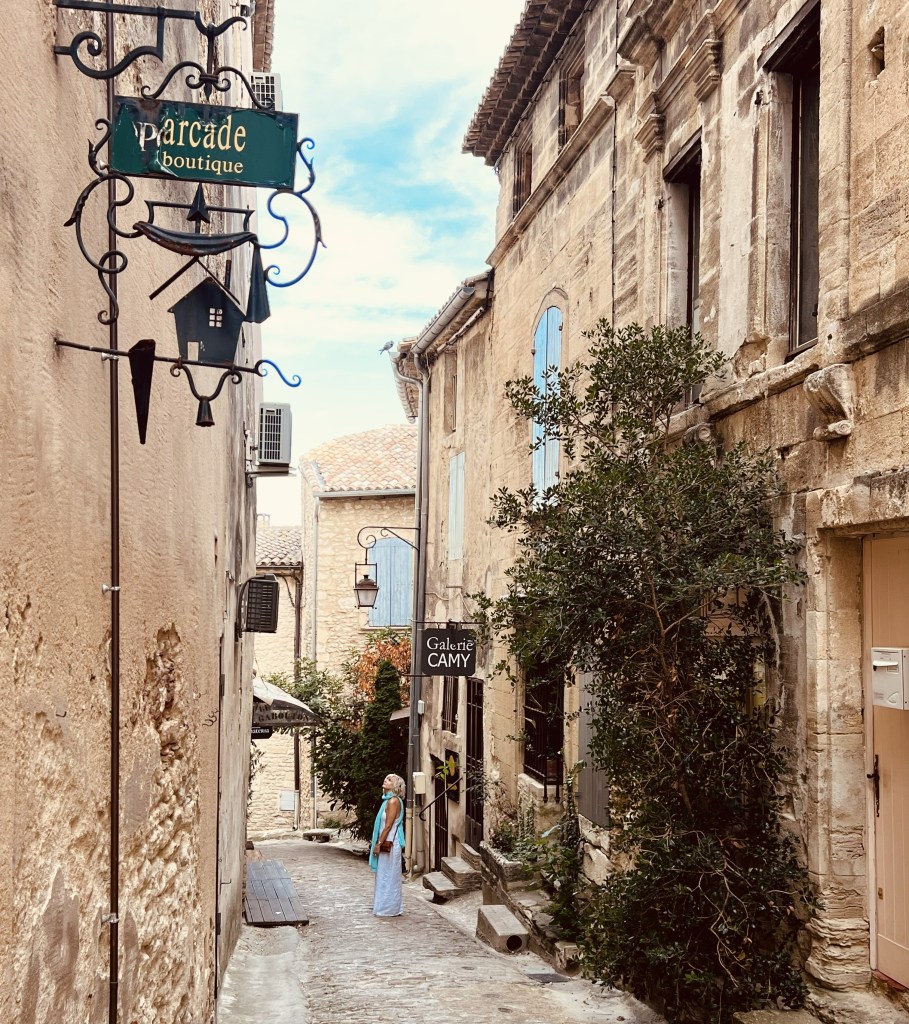
History hangs over the cobbled lanes, medieval plazas and churches of this cinematically beautiful town and getting lost in the maze of narrow streets and alleys is the perfect adventure as a dreamy scene awaited us around every corner..
The town has a lovely main square, which is full of local shops, French bakeries, cafes, and alleys to explore. We had the dubious pleasure to walk on the character steps of the region called ‘donkey steps’, as they are perfectly adapted so that the mules could easily reach the heights of the village with their loads. Easy for them but not so much for everyone else.
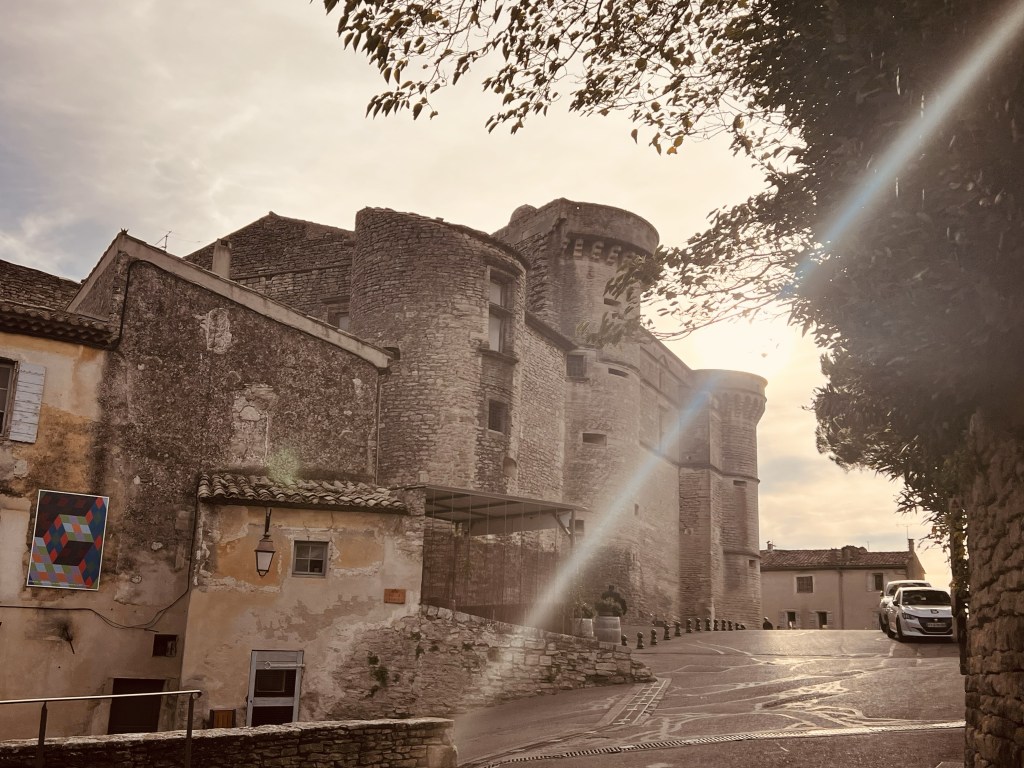
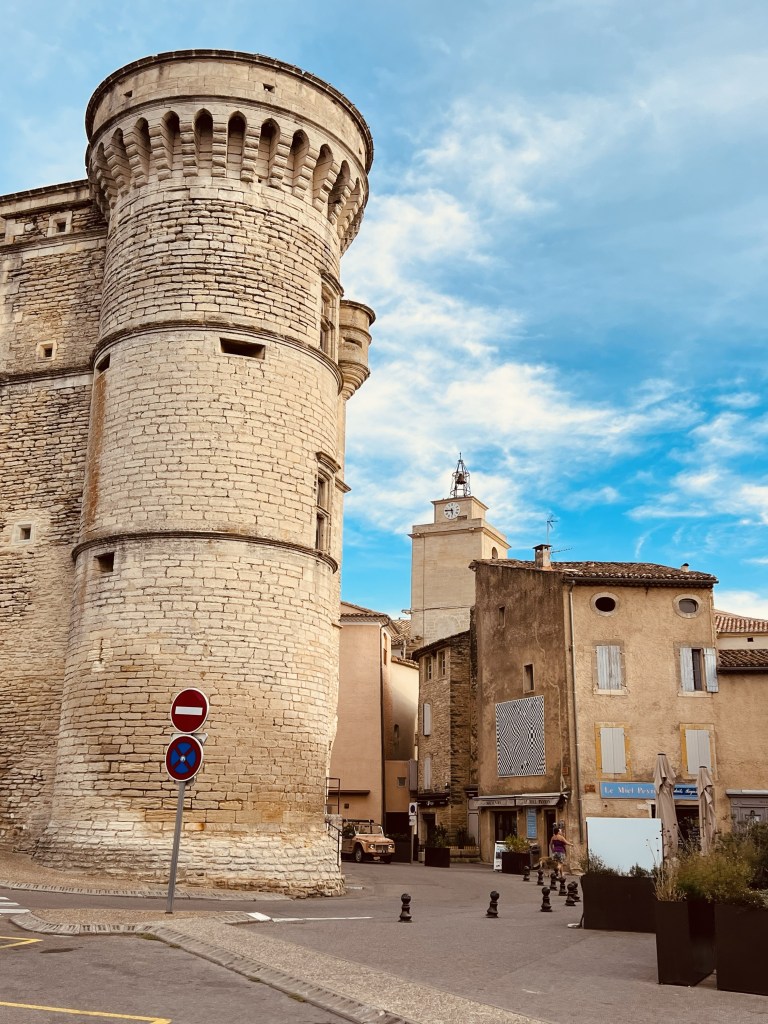
Gordes Castle (Le Château du Gordes) is one of the most impressive buildings in Gordes. It’s approximately 1000 years old and is one of the oldest castles in France!
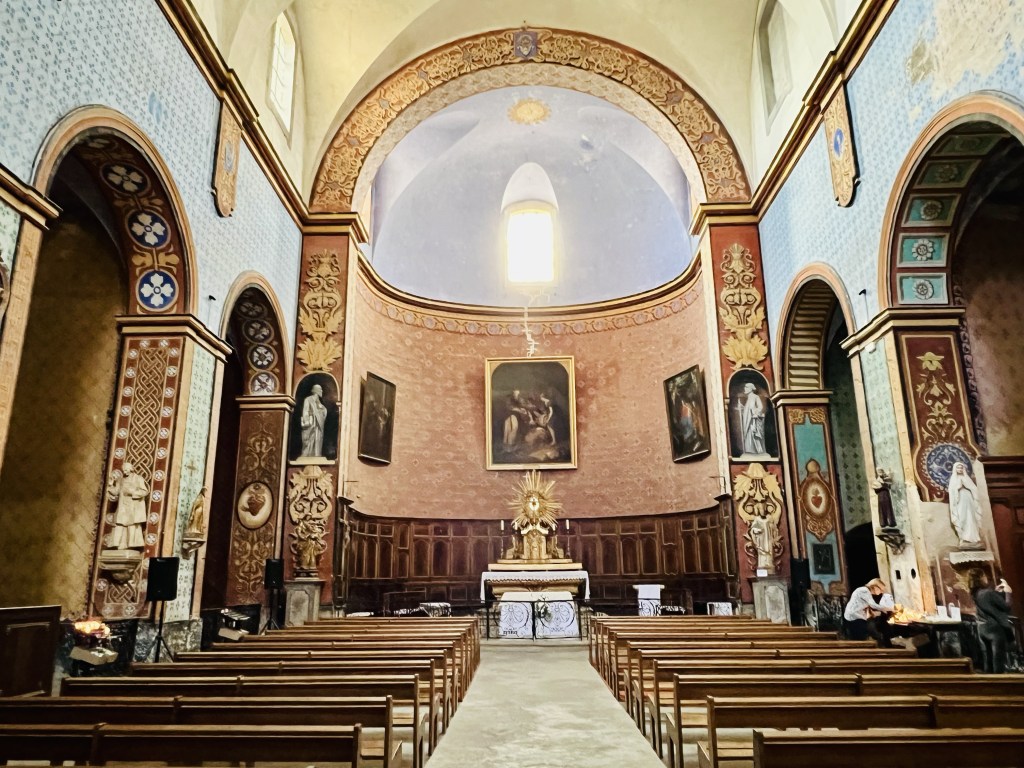
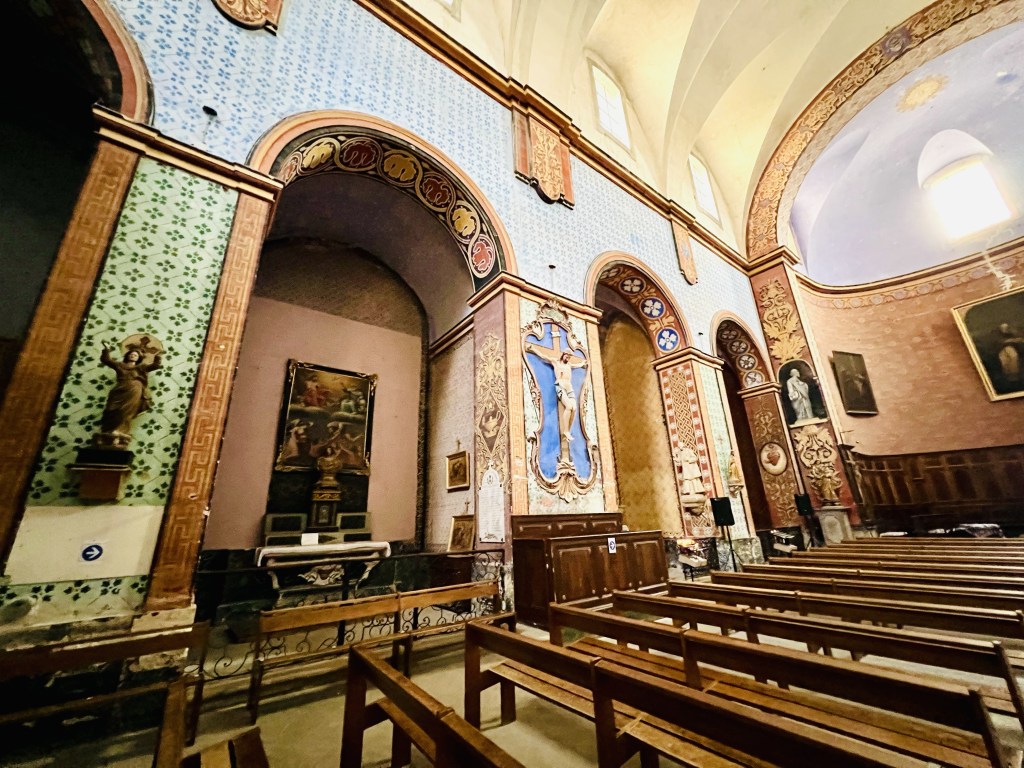
We found the most beautiful old church, the Eglise Saint Firmin with vibrant murals and beautiful wood paneling. It was so colourful and unique and I really loved it.
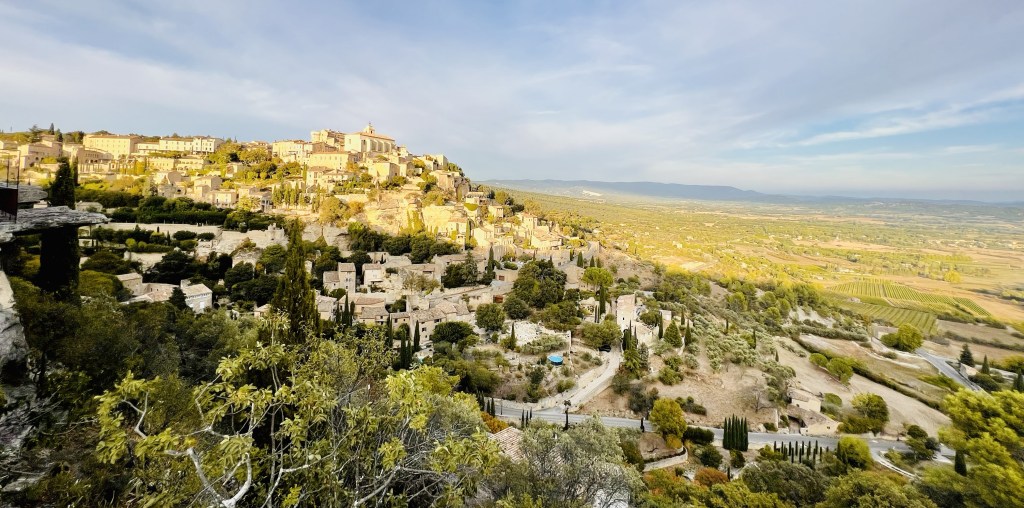
The setting of this town is incredible, each house being built into the hillside at different levels with storybook charm… and we went to a beautiful lookout of the town itself from the road as we drove out. To close another spectacular day with a magical moment… a magnificent panorama over the entire Calavon valley and the Luberon massif.
Today I visited one of the most beautiful villages in France… and I know I’m always saying that, but it is true. And it is actually a thing.
‘Les Plus Beaux Villages de France’- or ‘the most beautiful villages of France’ is actually an independent association created in 1982 for the promotion of the tourist appeal of small rural villages with a rich cultural heritage. As of September 2016, it numbers 156 member villages (independent communes or part of a communauté de communes). So… it’s actually official… and todays visit was to my number 7 on this list… Moustiers-Sainte-Marie.
I joined a tour as it was impossible for me to get to see what I wanted to see without a car. Anne decided to go on a local wine tour… to get a start on me for the day and make some new friends… and I would catch up with her for dinner as I would be gone all day.
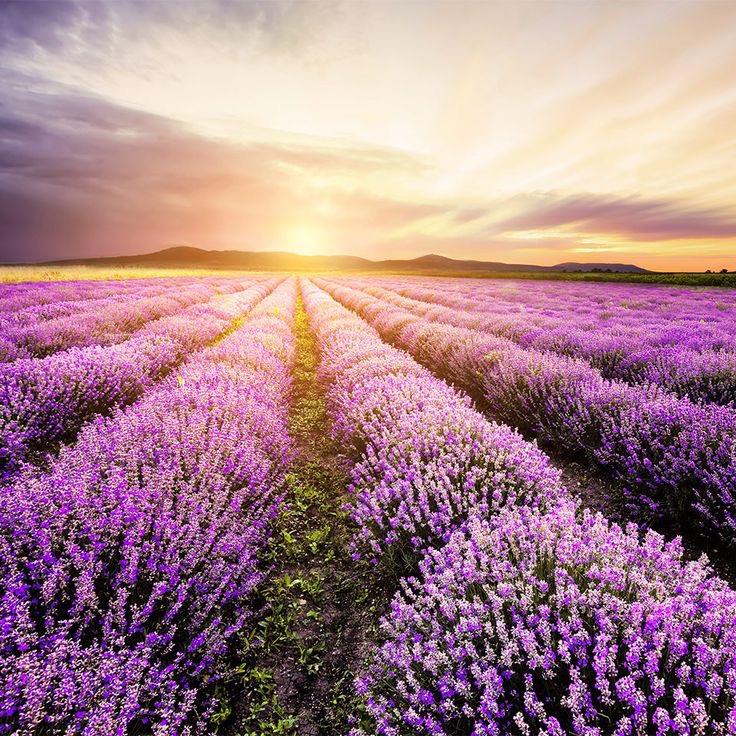
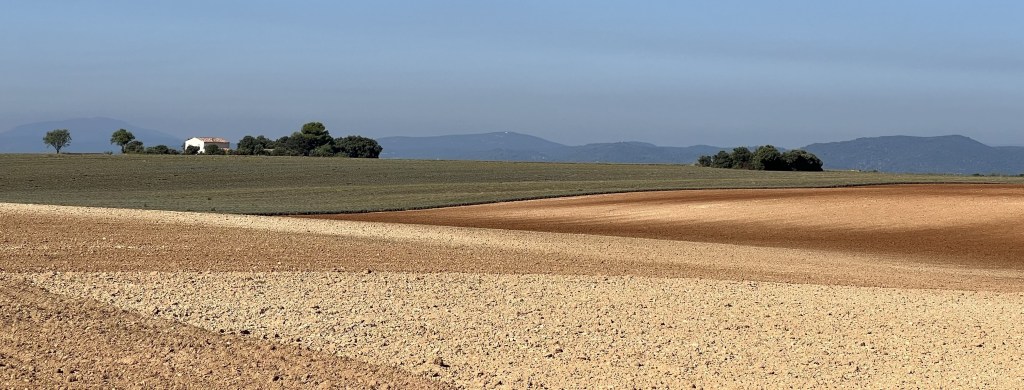
Our first stop was on the Valensole plateau… which a couple of months ago I have no doubt would have been giving me heart palpitations! Valensole takes its name from the Latin words ‘Vallis’ and ‘Solis’, which mean valley of the sun. Sounds already so romantic… but just add purple rows of lavender as far as you can see rolling over hills and into the sunset.
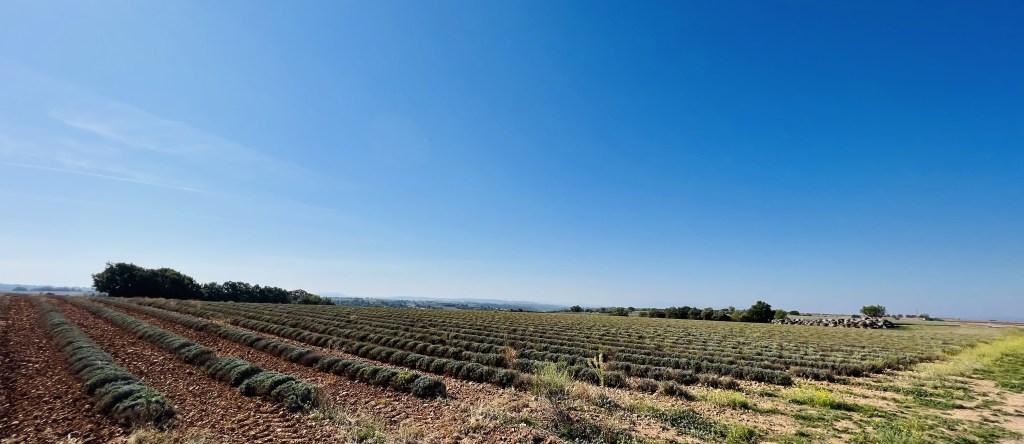
Sadly two months is a long time in lavenders life and they had long since been harvested… so that one will have to stay in my bucket list.
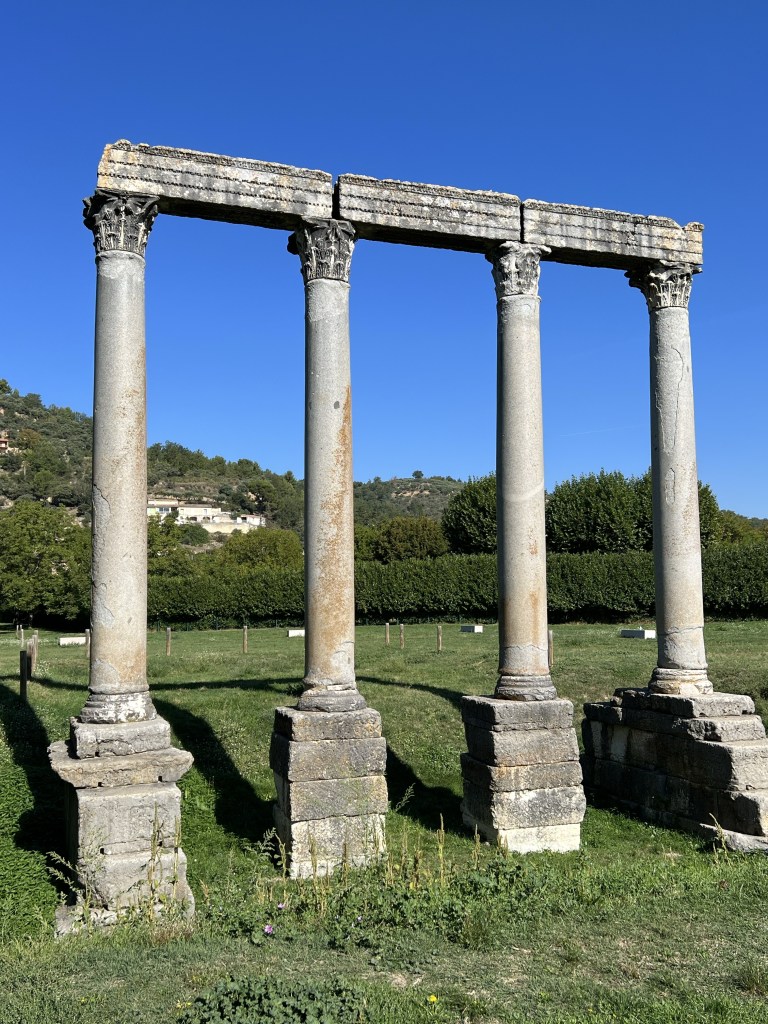
But we still visited one of the many lavender farms, known for producing the highest quality lavender in the world. Most farms in this area produce a seasonal crop every 3 months… lavender, olive oil, almonds and grapes/wine. We did an olive oil tasting among other delicious products and I surprisingly left with a little bag of goodies to take home. Briefly onto the town of Valensole which is actually a really beautiful little Provençal town but generally only visited because of its proximity to the lavender fields. From there to the pretty little town of Riez which has preserved much heritage from its rich past in its historic centre including the remains of a Roman temple dedicated to Apollo and an early Christian baptistery.
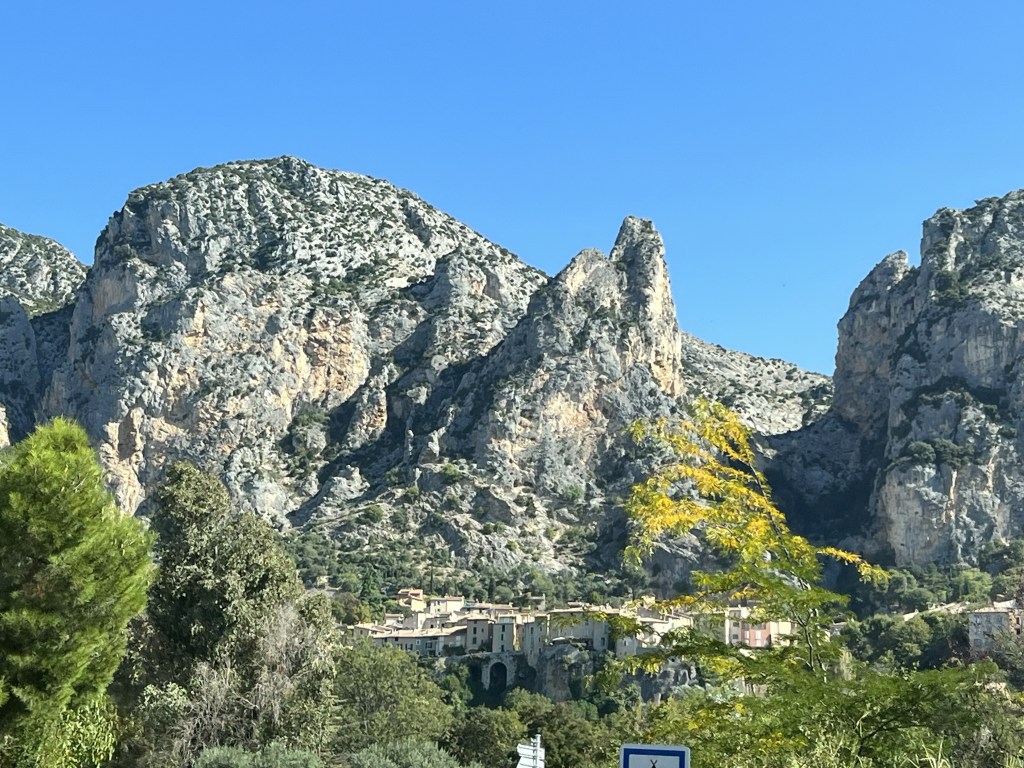
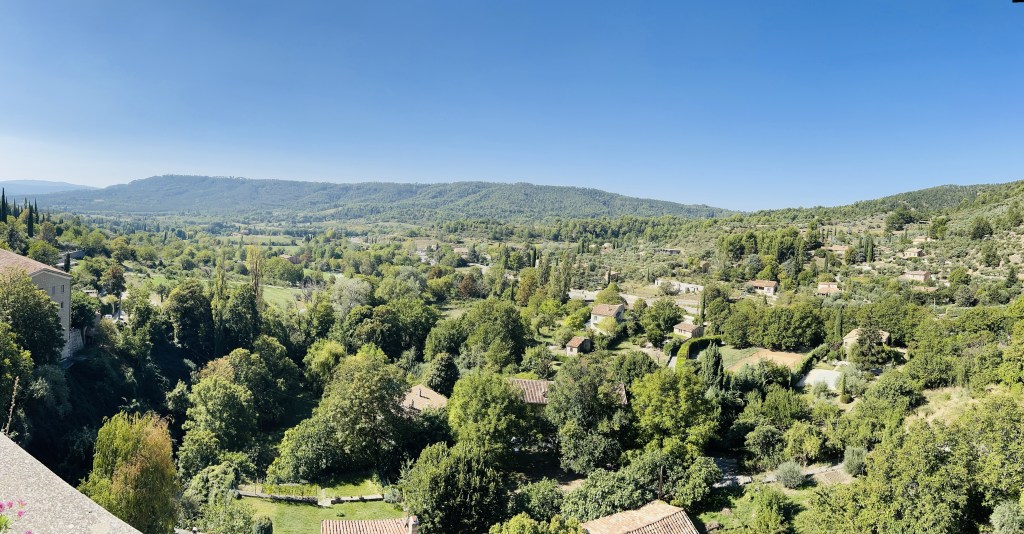
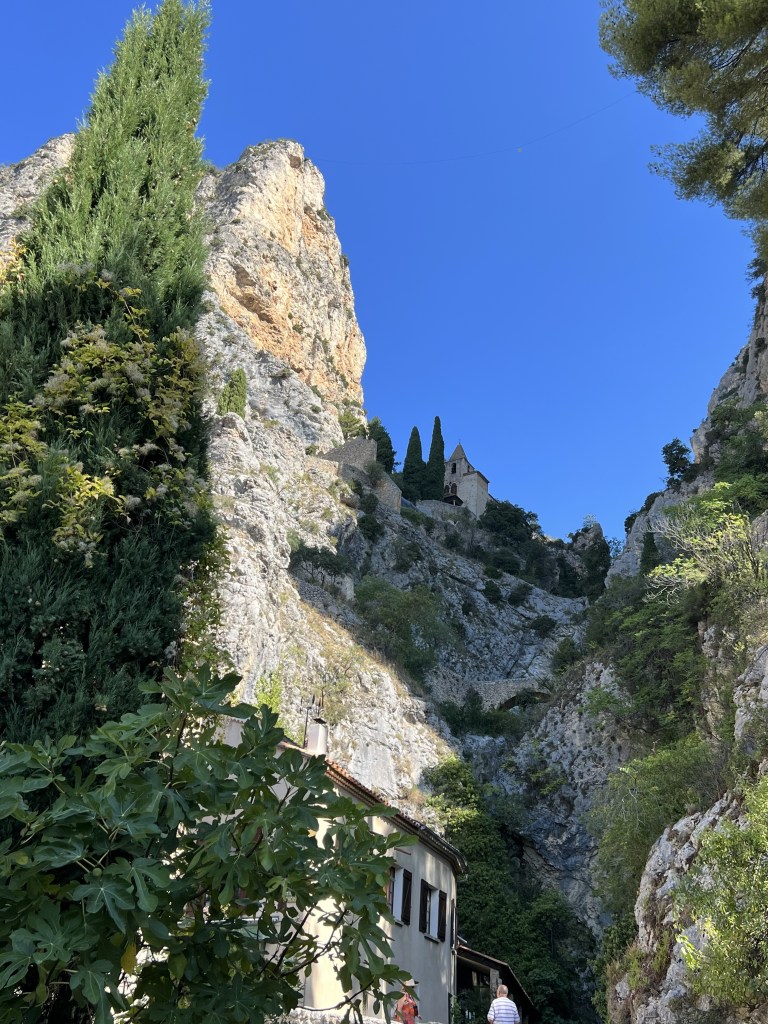
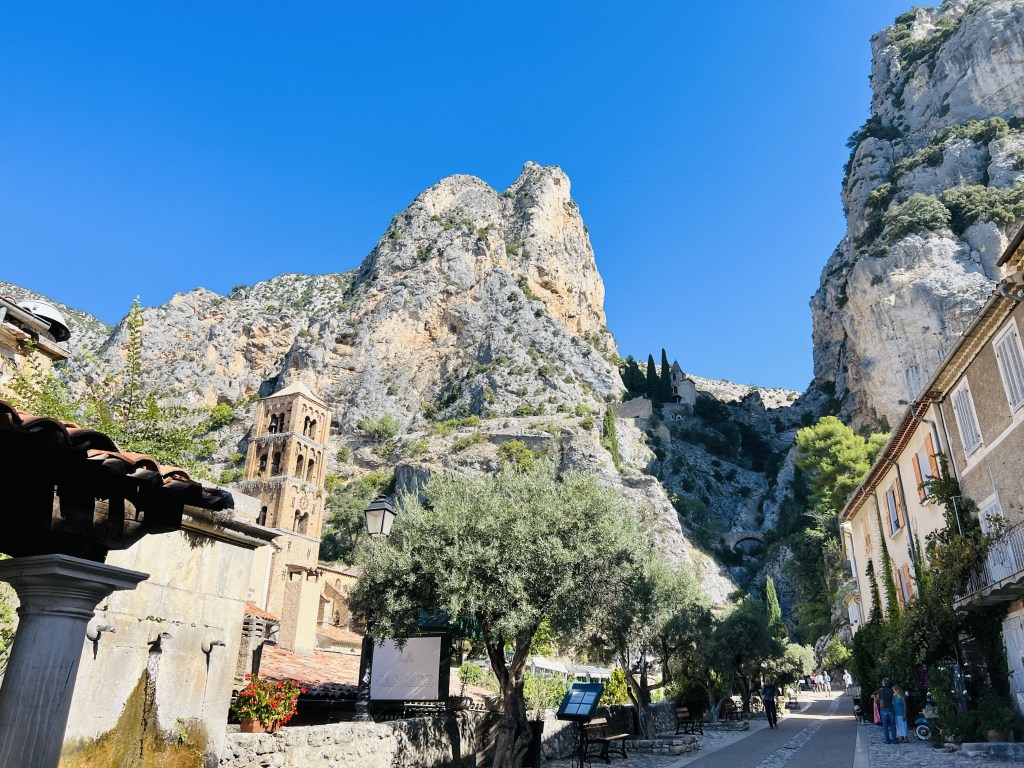
And finally headed to one of the stars of today’s show… once again, it is built into a rock…however, this time it is built into the side of the rock. Moustiers Sainte Marie is a charming village located on a narrow notch at the foot of towering, rocky limestone cliffs of the Verdon Natural Regional Park
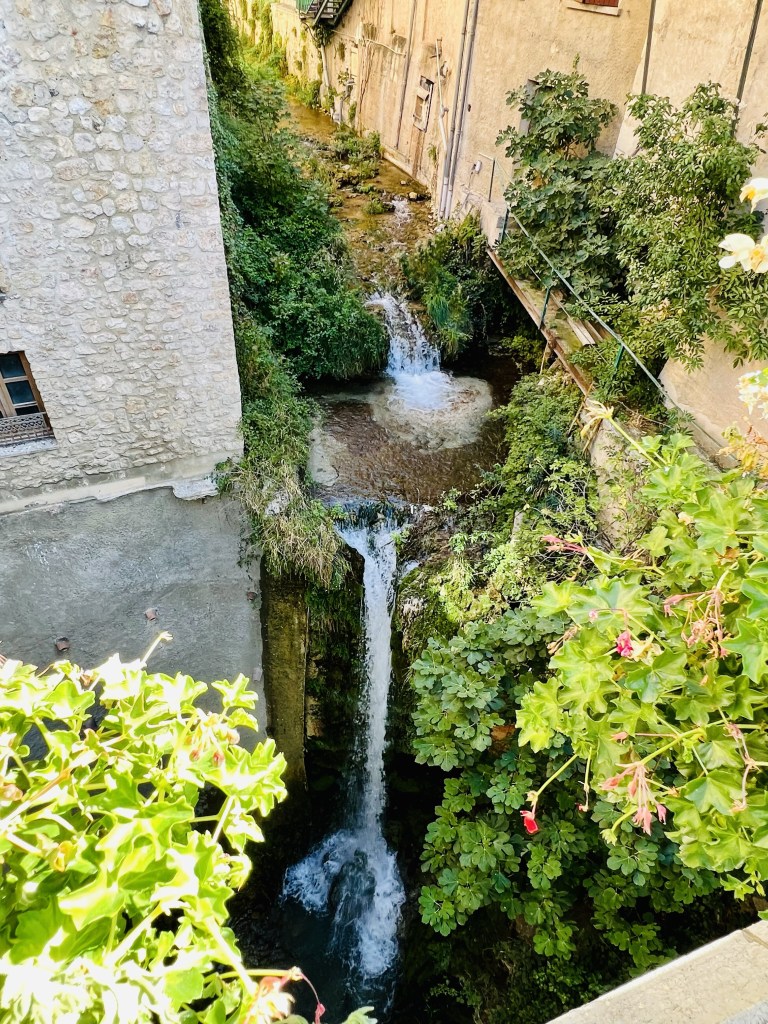
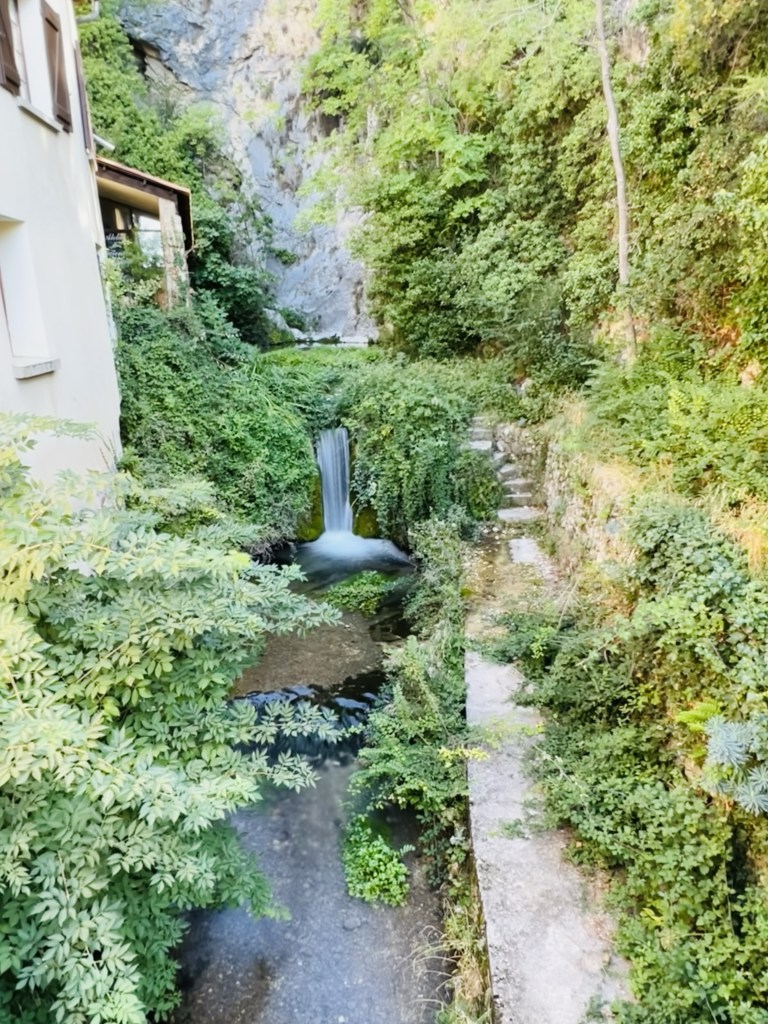
… with a breathtaking waterfall cascading down from the mountain.
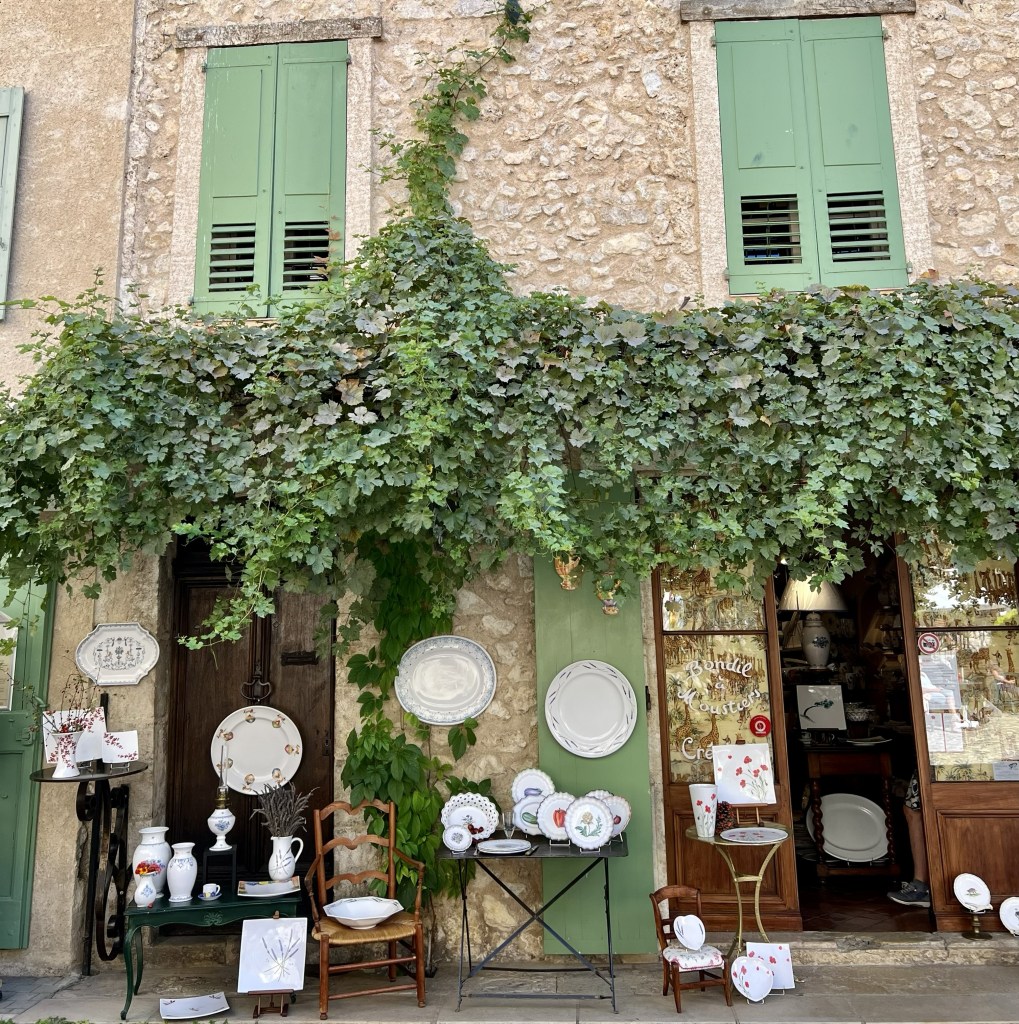
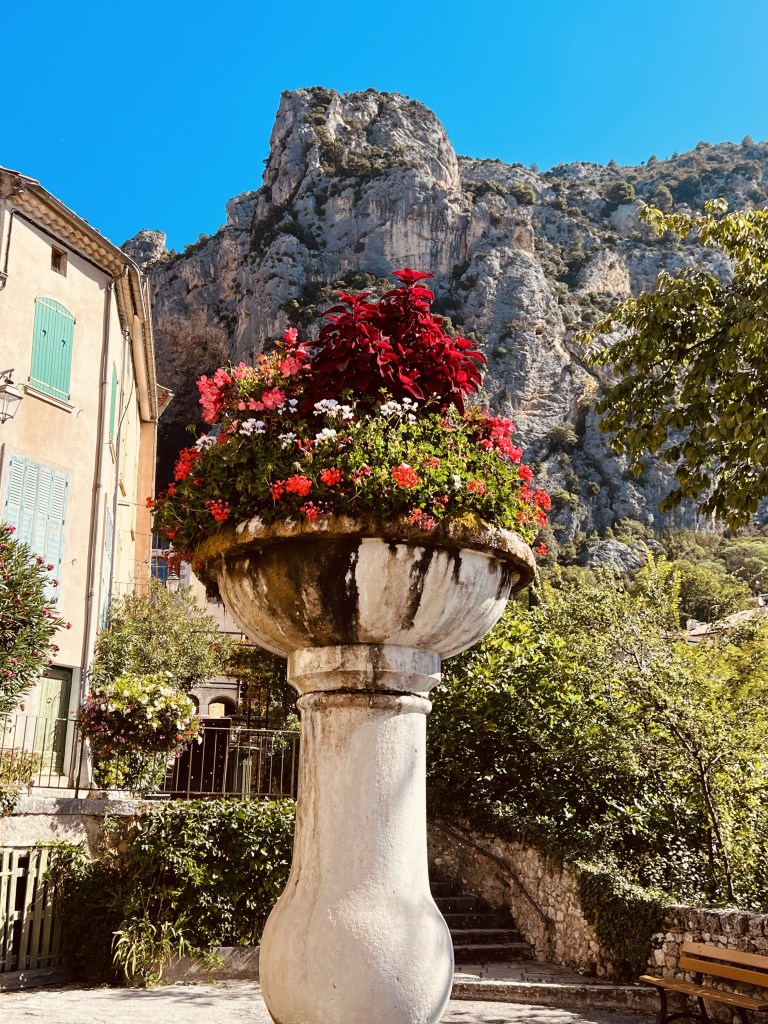
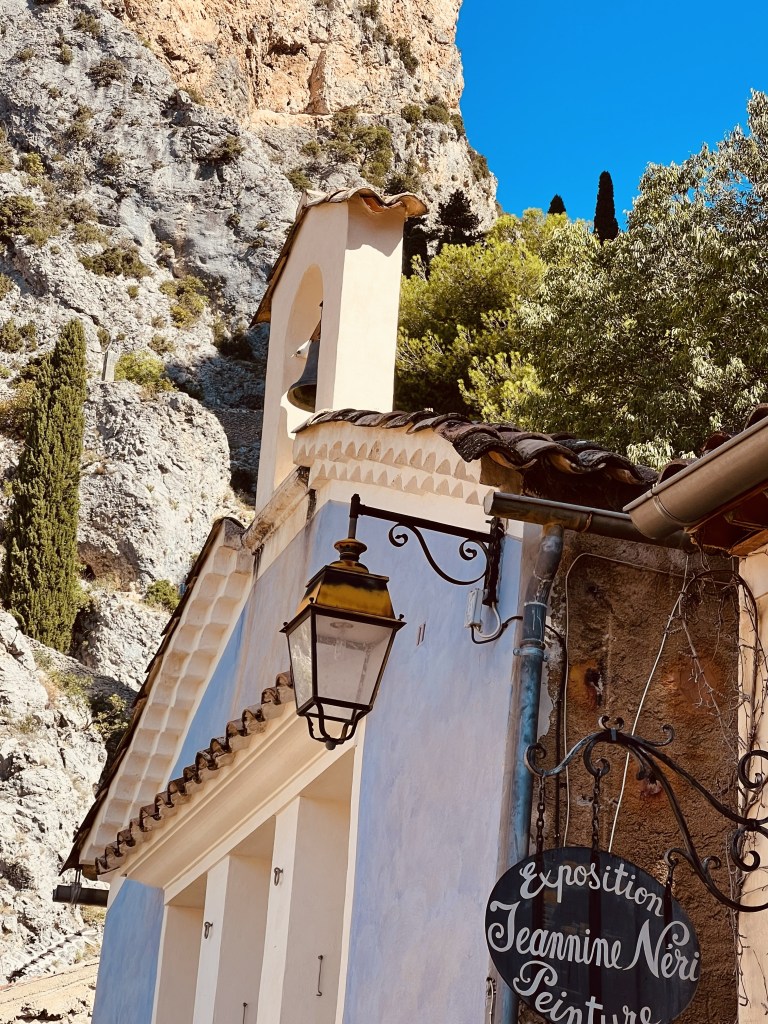
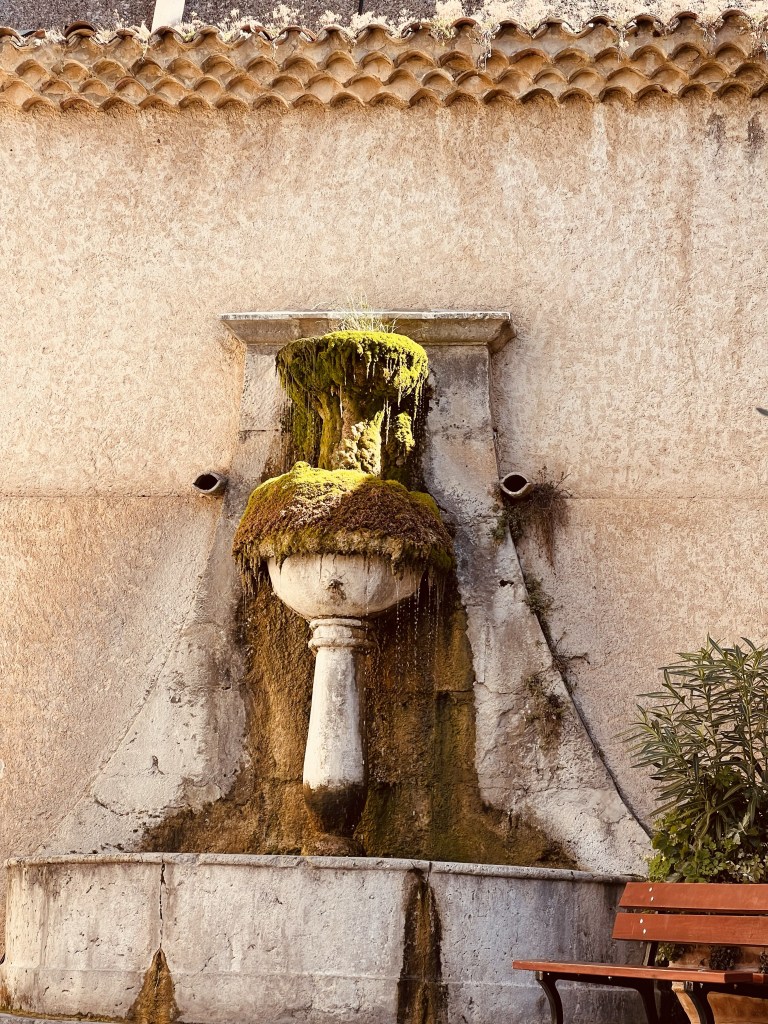
The village is thoroughly charming and brimming with historical features. It has all of the elements of a Provencal village- narrow alleys, cobble streets, elaborate fountains, little squares, faience workshops (ceramics)…
… and pretty houses. The church, the old village walls, the chapels, the aqueduct, the fountains represent an alliance of water and stone.
And with stunning views every way you look…
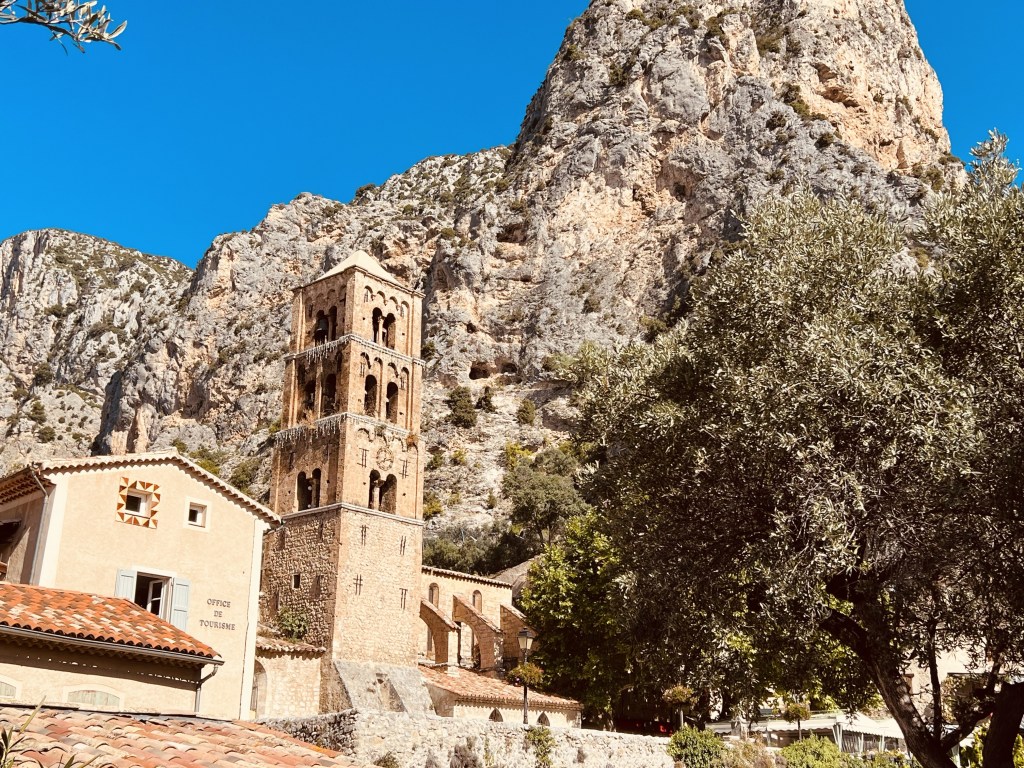
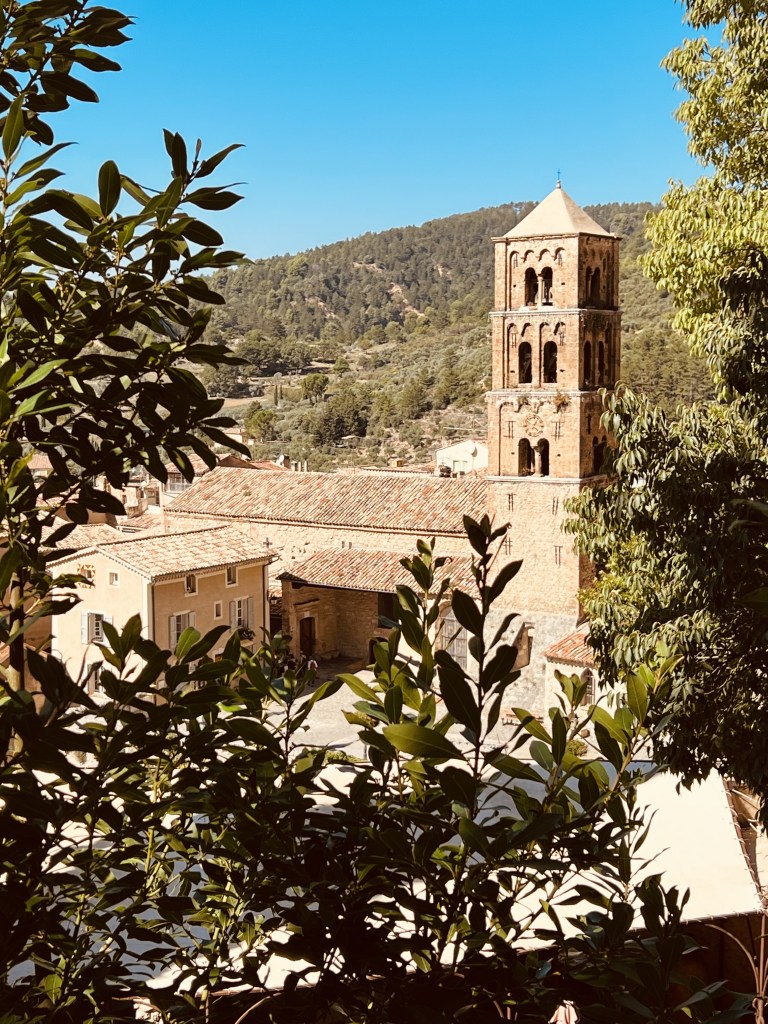
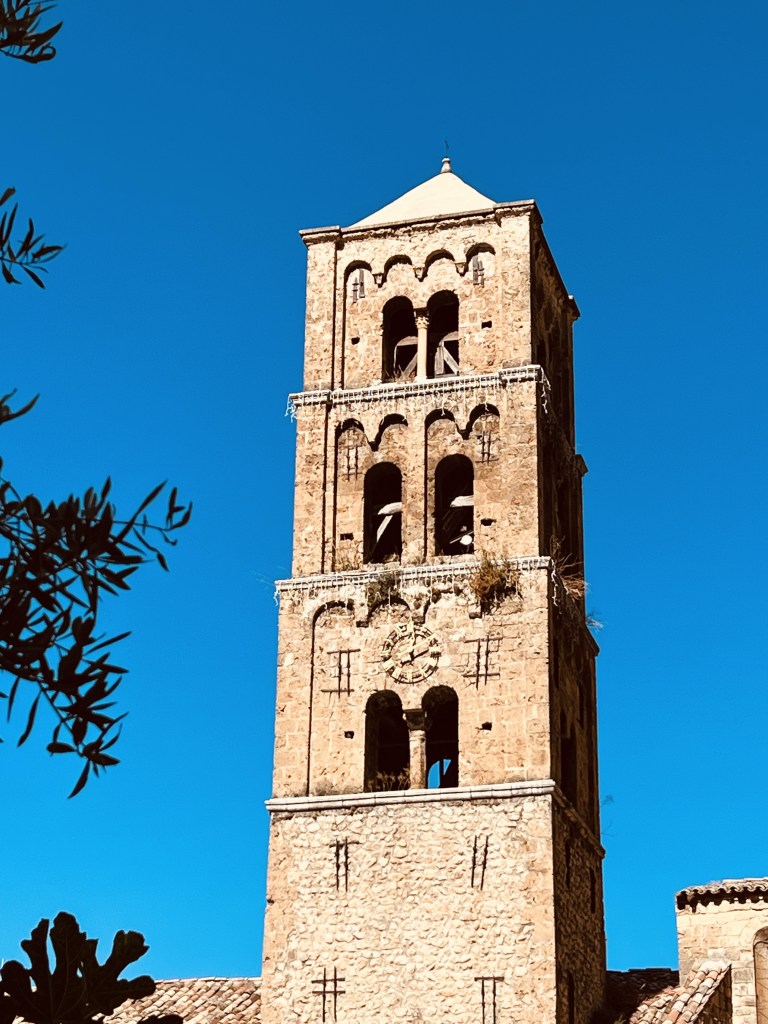
The Lombard Romanesque bell tower is an imposing figure on the village.
Overlooking the village, tucked into the folds of the mountain, you can see the Notre Dame de Beauvoir Chapel perched.
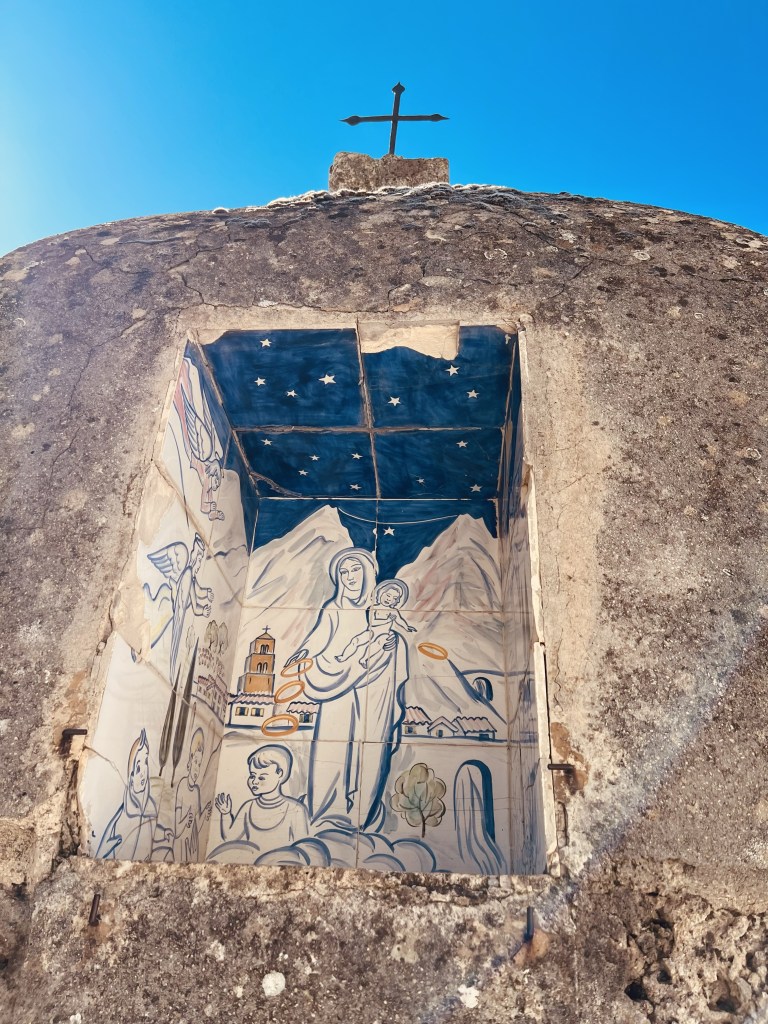
So obviously I had to climb the ancient pathway to reach the chapel via the fourteen stations of the Way of the Cross, decorated with earthenware tiles…
… even though we had limited time here and our guide had recommended against it saying it was quite dangerous particularly on your descent. I’m sure you all know by now how I love these high places and I was well rewarded for my work with breathtaking views over the village and Valensole plateau…
… and it was kind of scary coming down with the very well worn stones underfoot highly polished and slippery from many years of pilgrimage. I held tightly all the way down and besides a few little slips managed to get to the bottom uninjured.
Looking up you can also spot the Star of Moustiers suspended between cliffs. The meaning of the star is unknown, but its presence is surrounded by mystery and intrigue. It has been replaced several times throughout history and today this is the 11th star to hang on a 135 m long chain between two rocks. The size of the star, which originally had five points, has changed over time from 30 to 1.80m. Today it measures 1.25m, together with the chain weighs 150kg.
The star is very difficult to see as it is only quite small
So I was quite rushed trying to get up and down the mountain, wander around the beautiful town and somehow fit in some kind of lunch… and be back at the meeting point at the specified time. And I thought I was going well… but I had not taken into account my atrocious sense of direction. Inevitably I got lost and was really unsure of what to do. I tried ringing the office of the tour company… no answer. But as I wandered bewildered… my phone rang and it was the office with my tour guide in the other line, wondering where I was. All was well and we set off, be it a little late, for our final destination for the day.
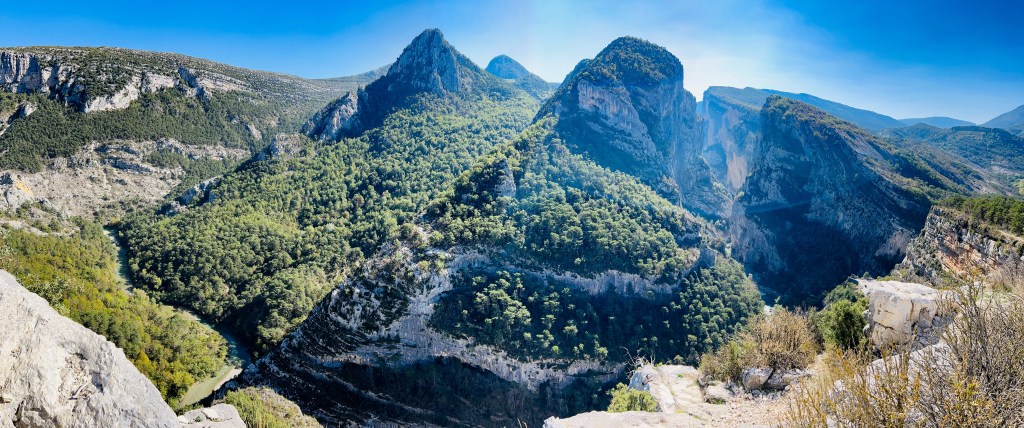
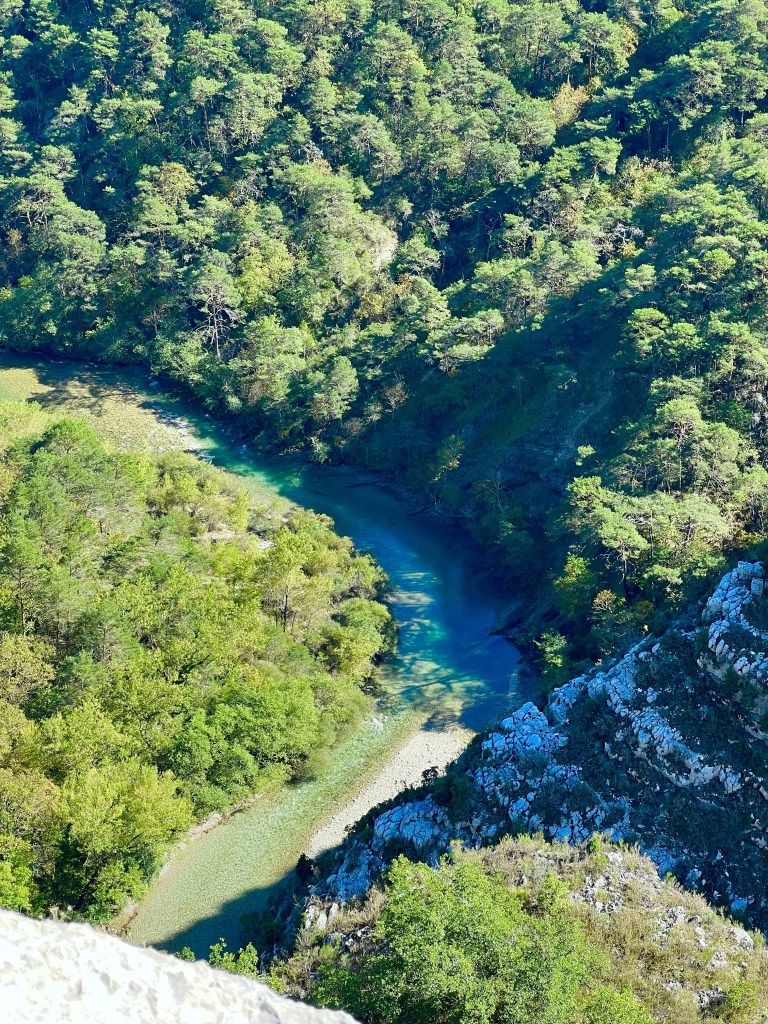
When I first saw a photo of these beautiful Gorges du Verdon and it’s turquoise green water on Instagram, I never would have thought that this place was in France! And I assumed that the image must have been majorly enhanced. It wasn’t!
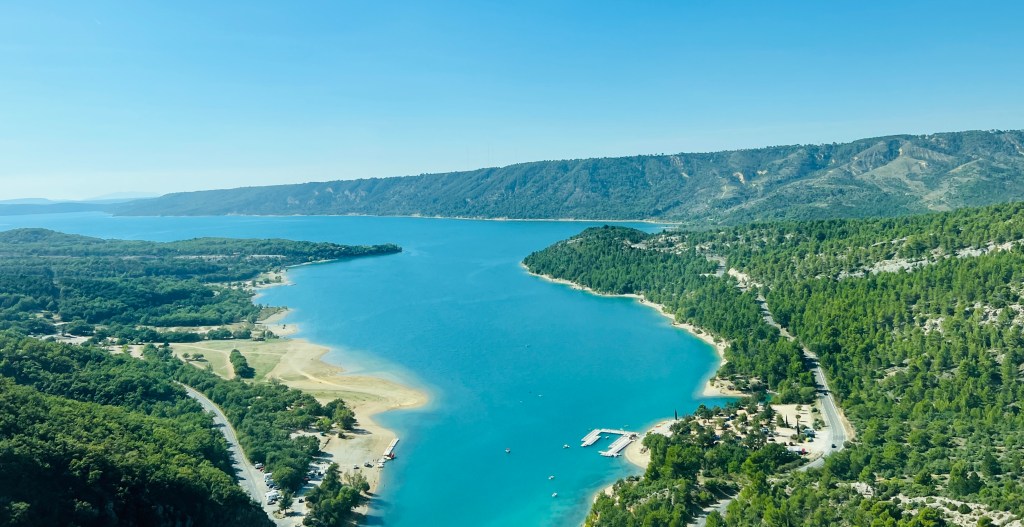
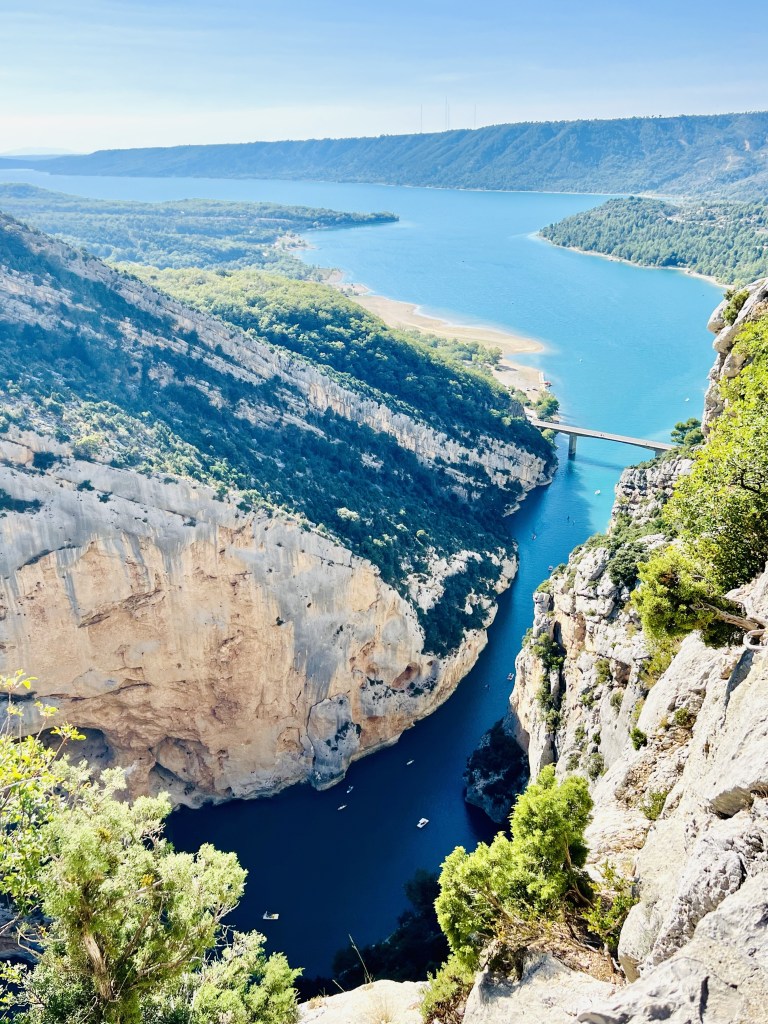
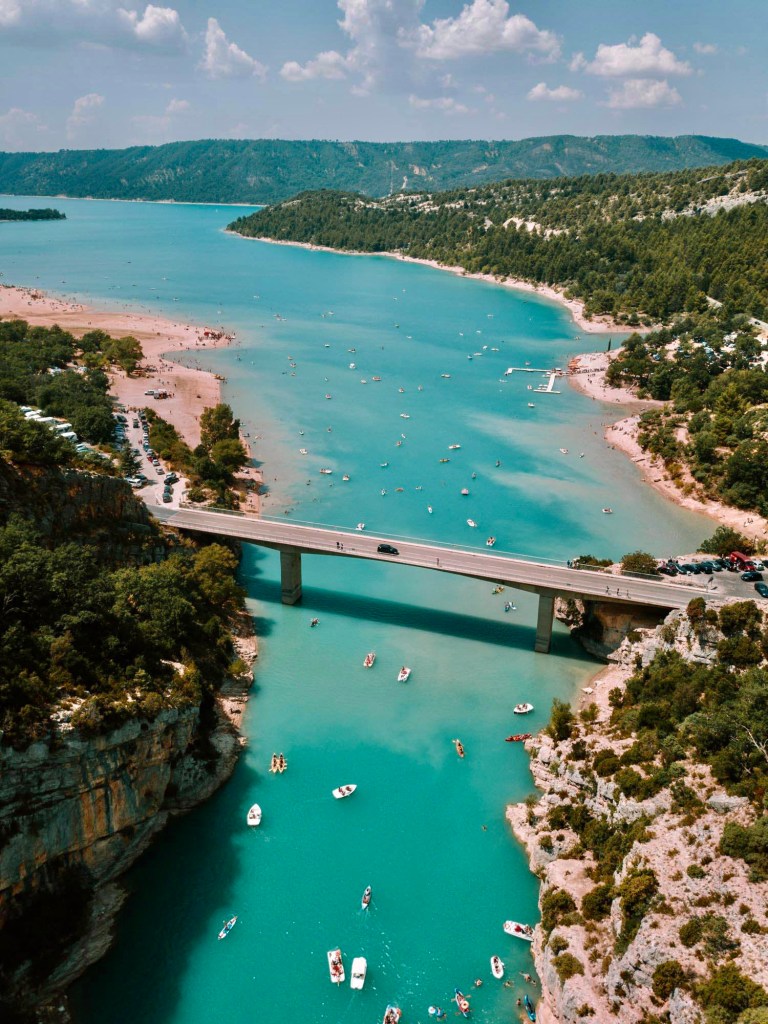
This iconic spot is a dramatic line of limestone cliffs that make up biggest canyon in Europe. The starting point of the Gorge is located at the Lac du Saint Croix…
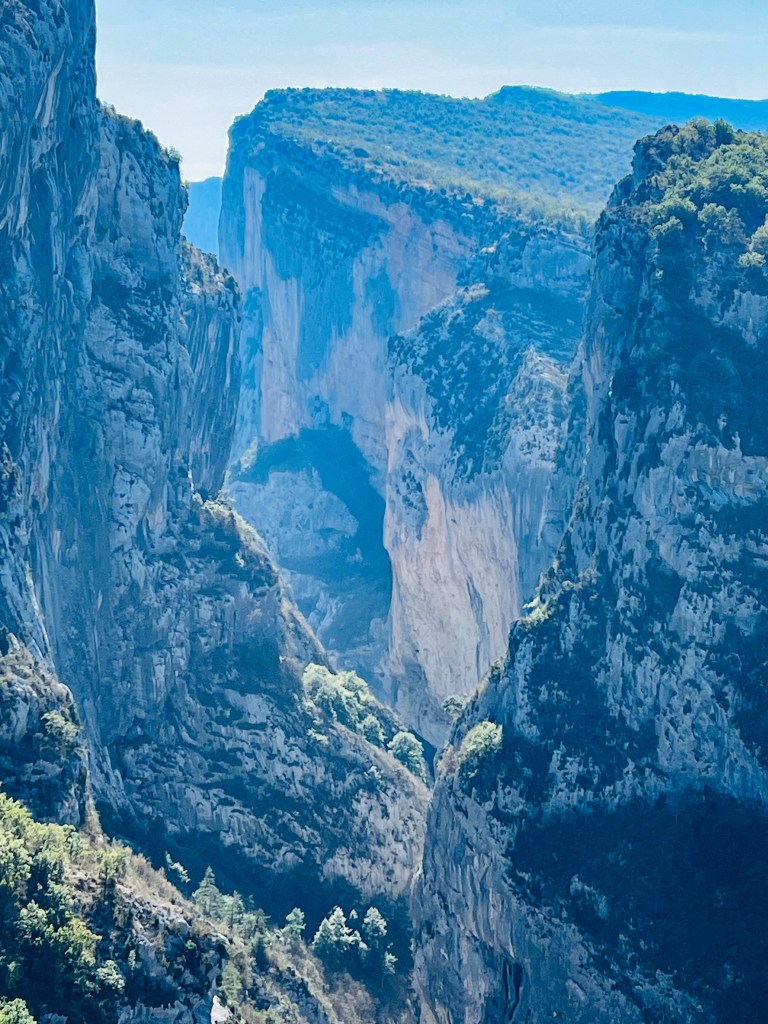
… and winds over 25 kilometres inland with canyons that are 700m high.
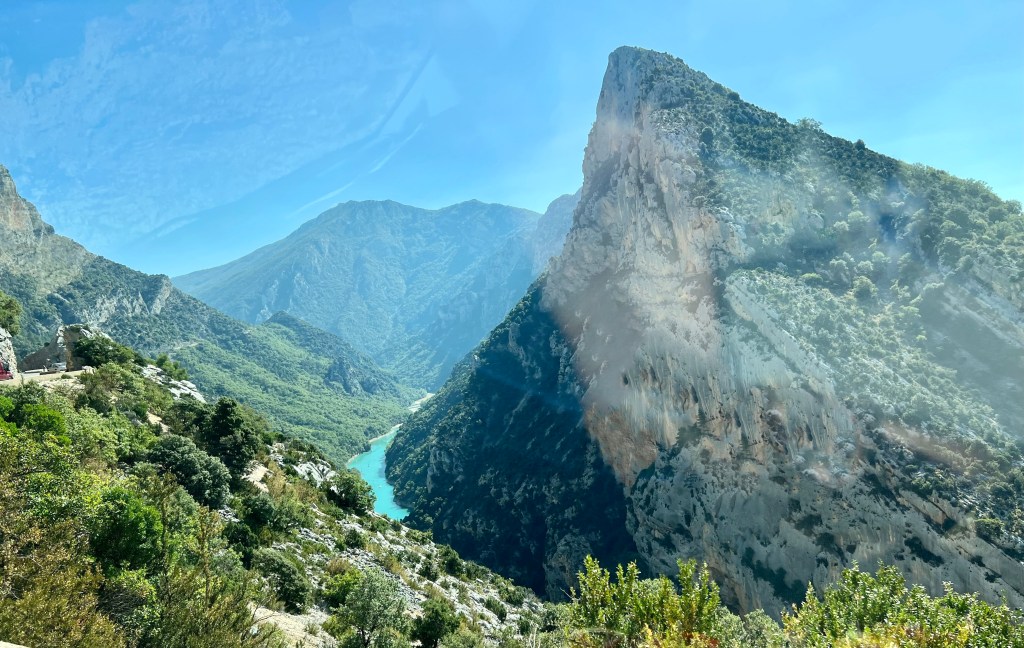
The actual Gorge is natural, but the Lake that is connected to it is man-made.The place got its name from the gorgeous turquoise water that flows through the gorge. “Gorges du Verdon” means “gorges of green” in French. The water that flows through the canyon looks stunningly beautiful from above the cliffs that look down on the gorge- it is really that clear and turquoise (glacial runoff)! Stunning and unique! You can go swimming in the lake, paddle boarding, kayaking, or on small boat…
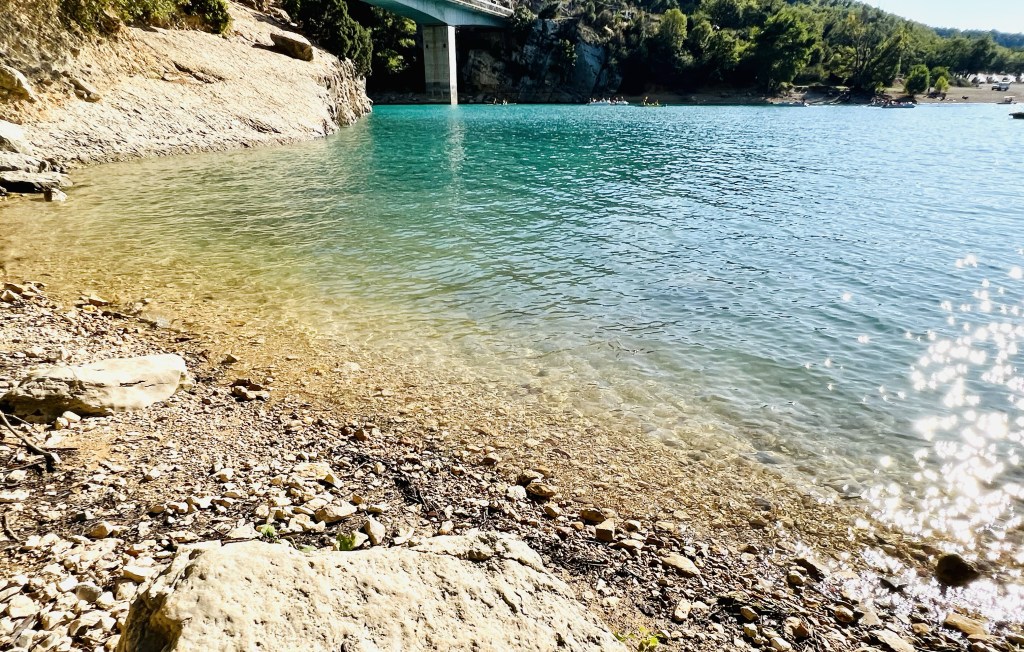
… but we didn’t have time for any of that but we were privileged to view it from several different parts of the gorge and I did manage to briefly get down to the ‘beach’.
It was all just so spectacular… and my very favourite colour in the world. Feel very blessed to have witnessed such beauty… as usual just wish there was more time.
Provence is beguilingly romantic for some reason. Everything is sun-kissed. It is so beautiful that artists like Renoir, Chagall, Cezanne and Picasso flocked there to paint its landscapes. They adored the sun-drenched light, which Matisse described as ‘soft and tender, despite its brilliance.’ Think lavender-infused chocolates, rose ice cream, crisp wines, mouthwatering-cheese, and the kind of olives Anne could eat all day (not me), basking under the warm Provence sun. The name of Provence has magic in its very syllables. And here we are!
Provence casts its spell on you long before you even set foot on its soil and planning a trip through this countryside is no easy task. It is awash with idyllic charm… everything from the architecture to the landscape is captivating… dotted amongst the undulating landscape there are so many tiny and ancient stone towns, sitting on hills with stunning views of the surrounding countryside… and many still have castles and towers. How can we possibly see them all? Each town, I have no doubt has something special… which ones do I choose and how do we see more than one in a day when we are not driving. At least using the railways to some extent gives me no choice but to slow down so as not to lose the relaxation and slow pace of life that Provence offers.
There is no better way to enjoy the myriad of wonders of the region than leisurely dalliances amongst the hill towns, quiet days exploring villages and evenings enjoying the good food and wine Provence is so well famed for. It is always tempting to linger… but my FOMO kicks in and my constant search for another perfect village… another perfect picture keeps me moving. Rejuvenating yet adventurous is my hope… but I know my gauge is not like everyone else’s.
We have chosen to stay in Aix-en-Provence for the week… not ideally where I would have liked, but without a car, we needed to be somewhere central to be able to get around. But more on this place later.
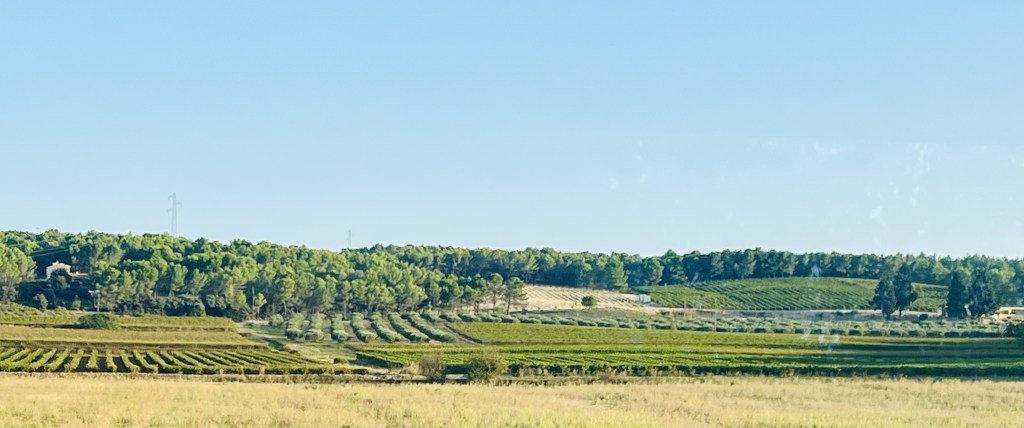
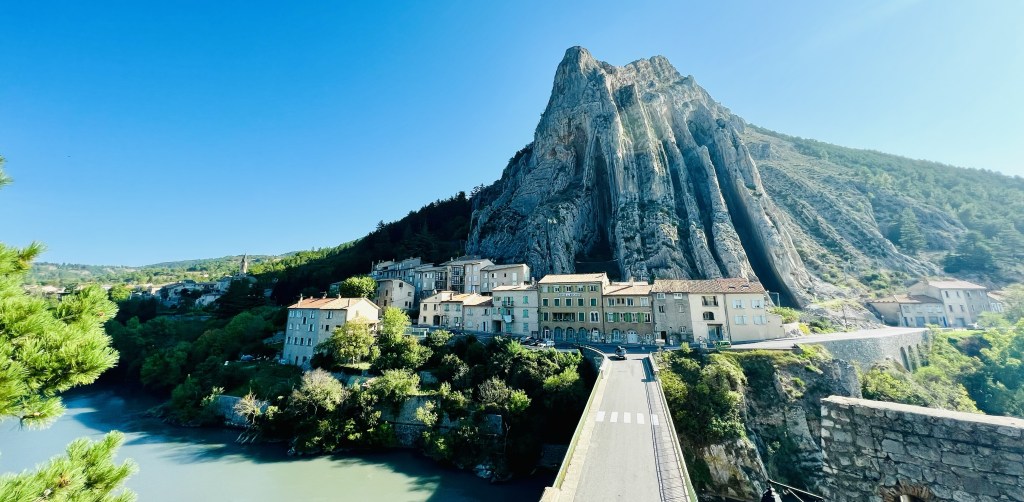
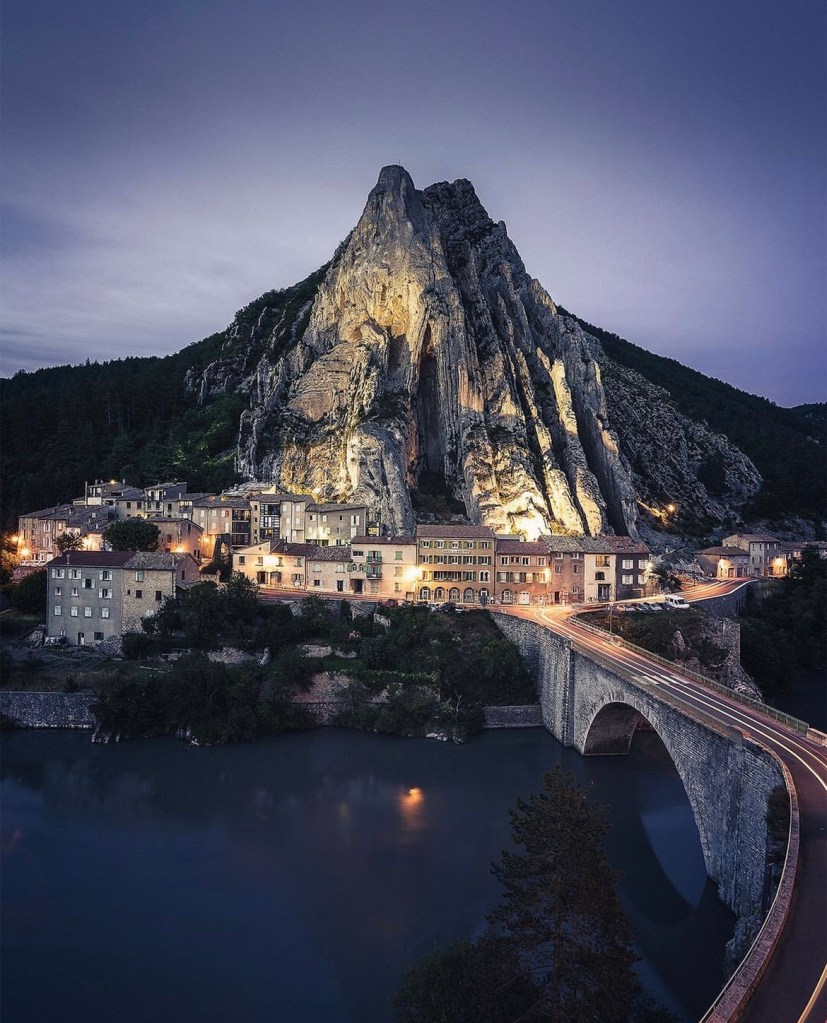
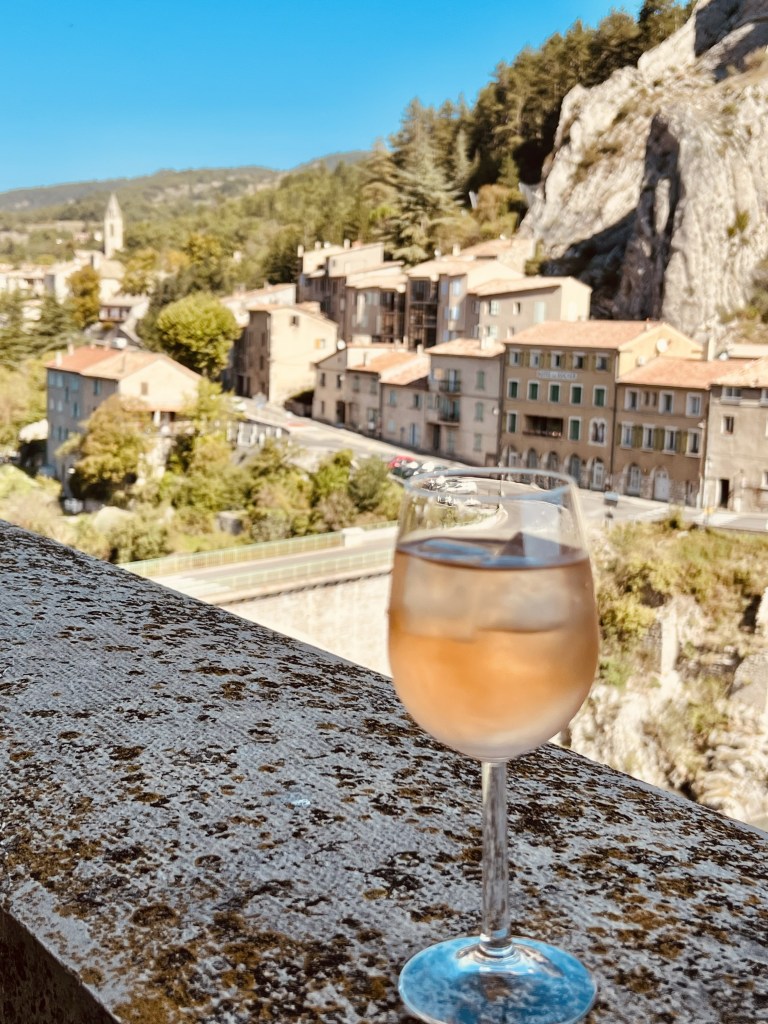
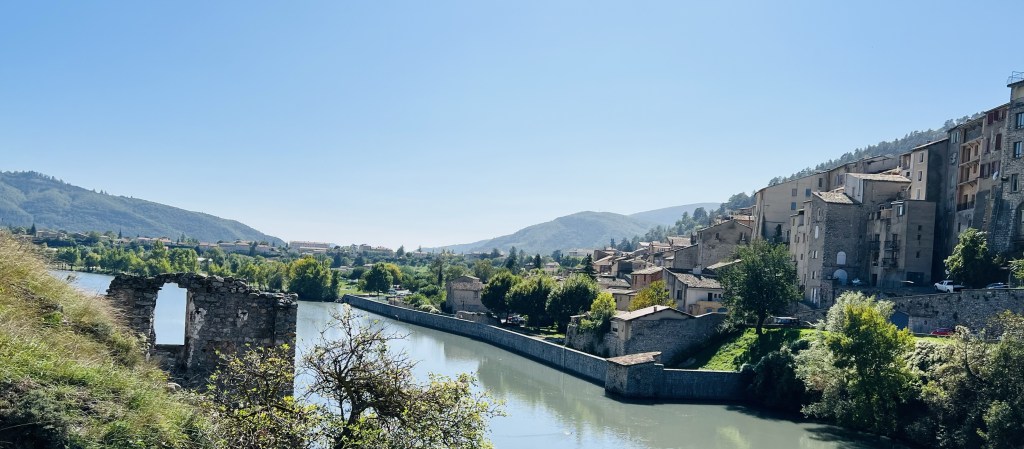
So… randomly a couple of years ago I had the Tour de France on the TV and I noticed them cycling through a stunning town. I had never seen pictures of this place before… so I did a little research and came up with the town of Sisteron… a sublime medieval village known as the pearl of Haute Provence! Draped chaotically between two steep cliffs along the banks of the Durance River, this place looked awesome and so I decided to visit. Anne chose to stay home again for a more restful day than I would offer and to explore Aix a little more, so I hopped on the train (which amazingly was direct)… passed beautiful Provençal scenery filled with the vineyards it is so famous for…
… to spend the day in this village.
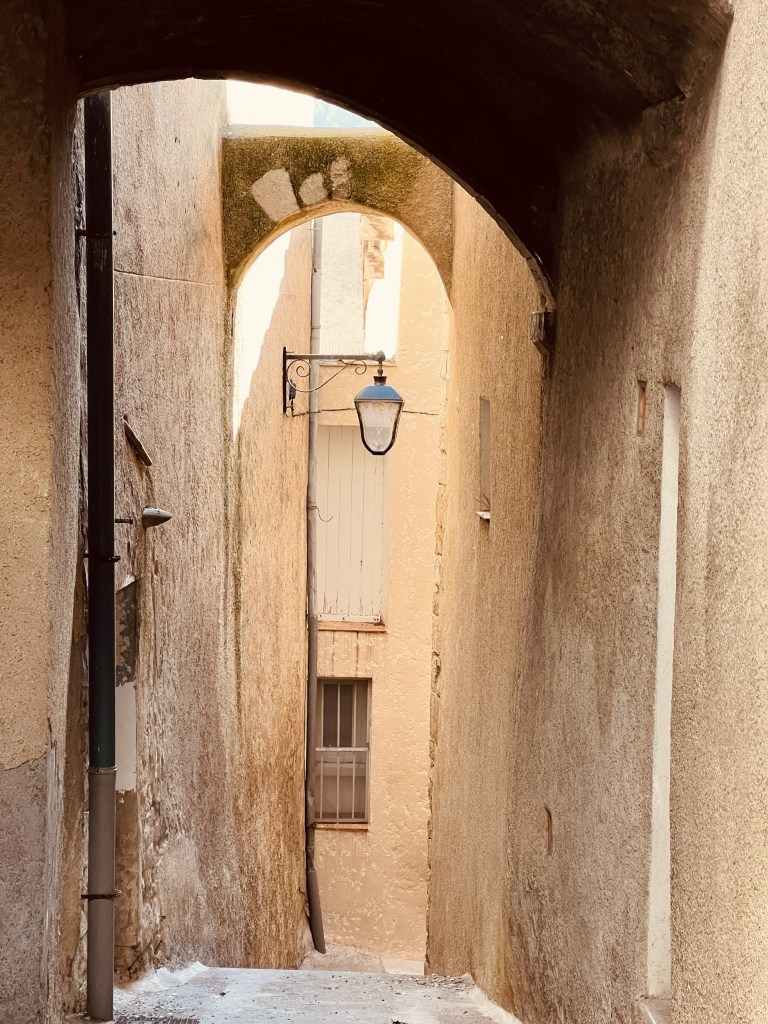
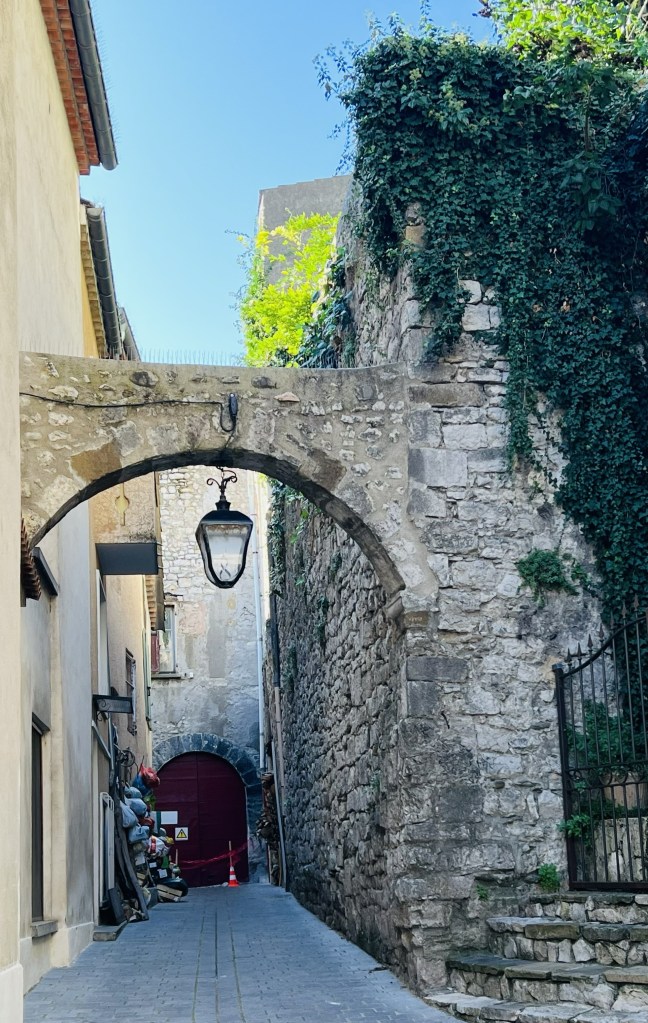
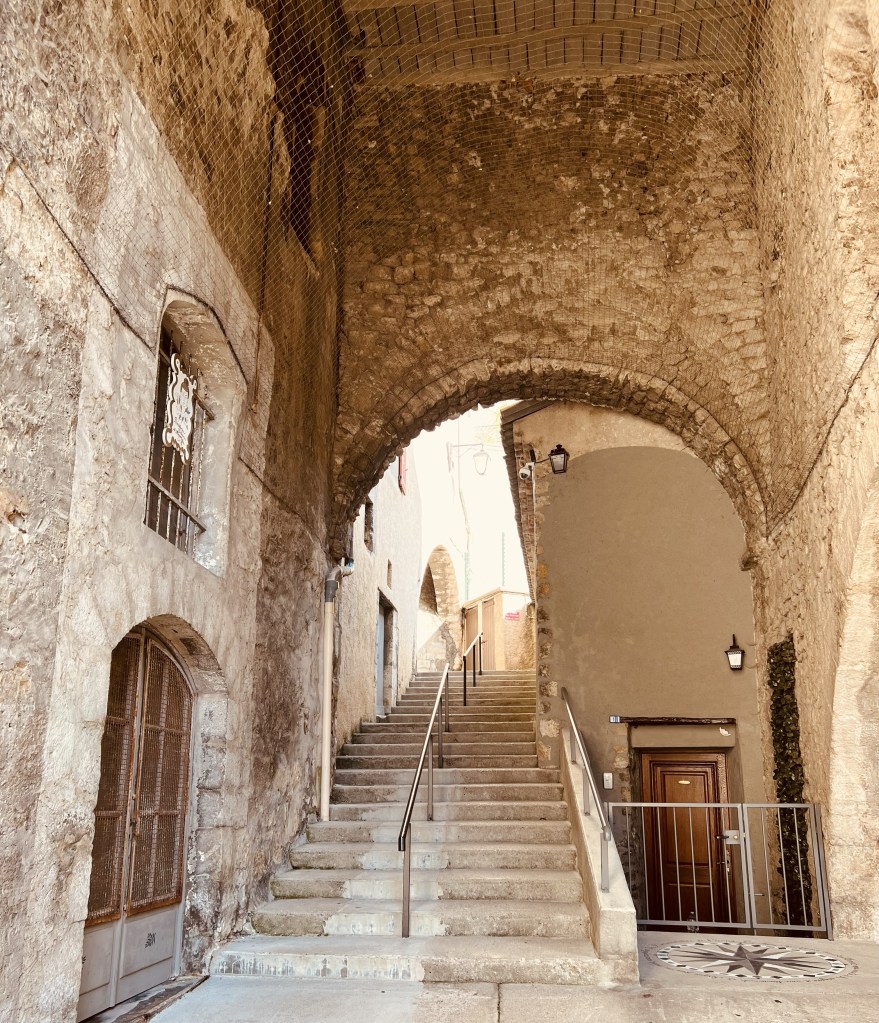
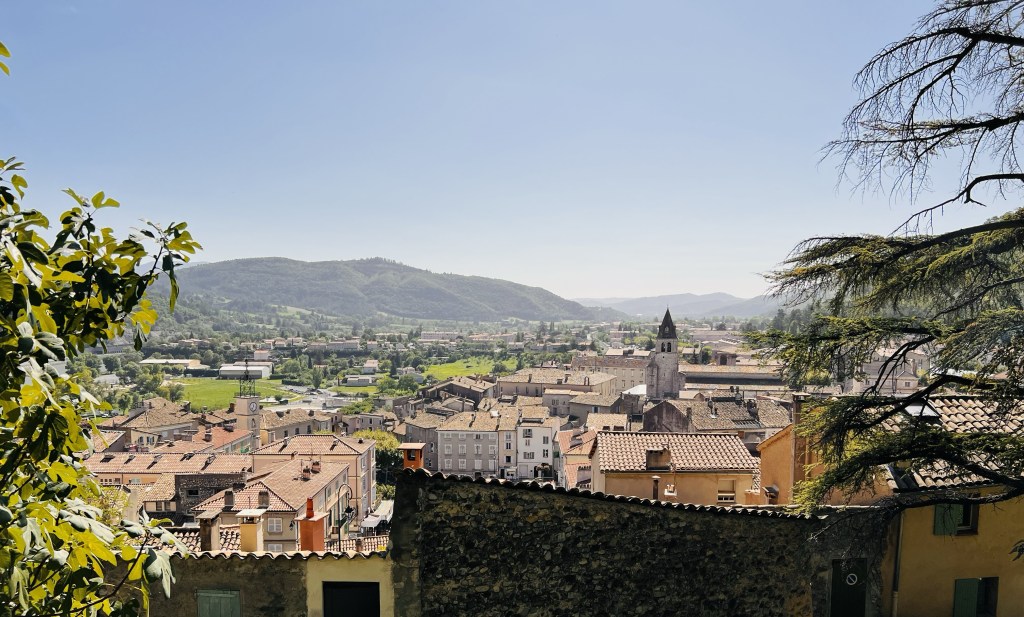
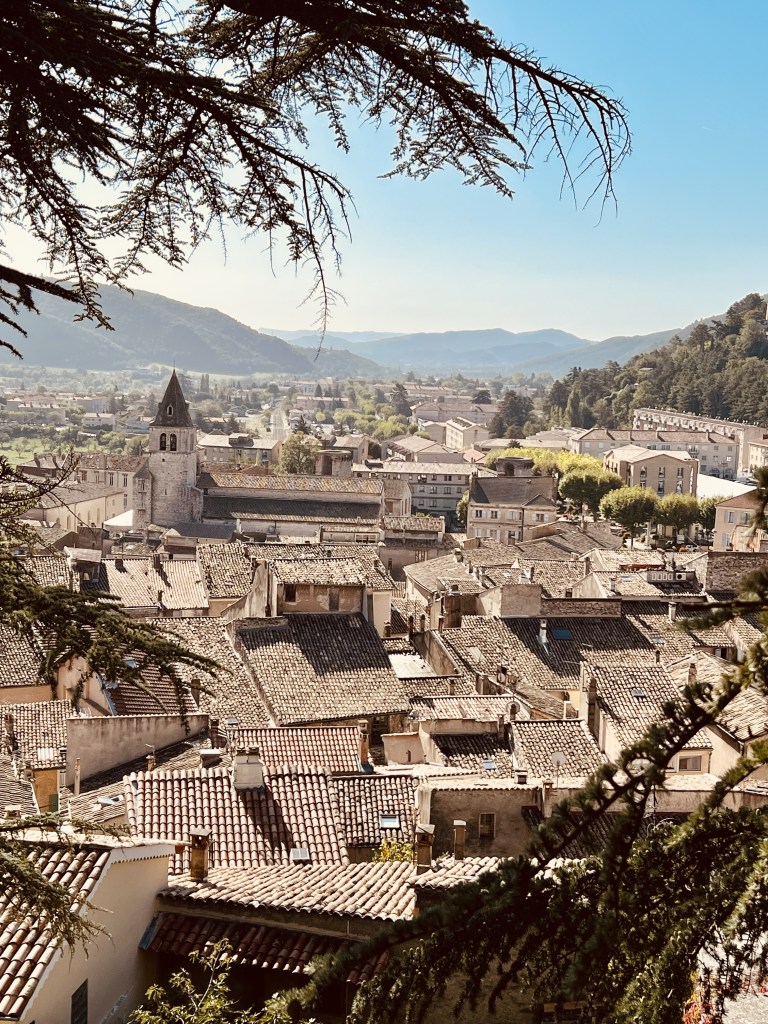
The historic centre of Sisteron is quite big but very picturesque with a warren of streets and alleys scattered with beautiful old houses, arched passageways…
… stairways…
… a stunning Clock Tower with its wrought-iron campanile…
… little squares decorated with charming fountains and andrônes (covered passages that thread their way under the houses).
And lots of flowers, which I had really missed in the south of France. I had been taken by surprise at the cold temperature when I arrived as it’s been so hot everywhere else… maybe that is why the flowers were so prolific here… as they like the cooler weather.
… but whatever the reason, I soaked them up. There are also quite a few cafés, restaurants, and boutiques- although being a Sunday, it was very quiet and everything was closed bedsides a couple of restaurants.
I visited the Romanesque Notre-Dame-des-Pommiers cathedral, which we usually do everywhere we go… and it was rather austere and unembellished compared to most we have seen although it is one of the largest in Provence.
But this is not a touristy town… there is not the attention to detail that there might be in the more touristic places. Most of the buildings seem unpainted- and there is none of the colour of many of the towns we have been in… but it feels totally authentic and I love being away from the tourists crowds. This is perhaps the first place like this on our trip.
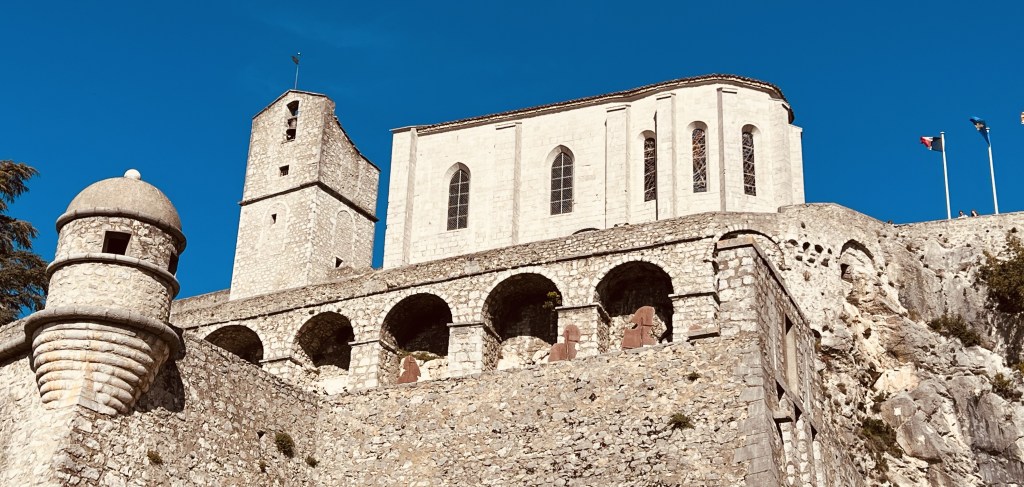
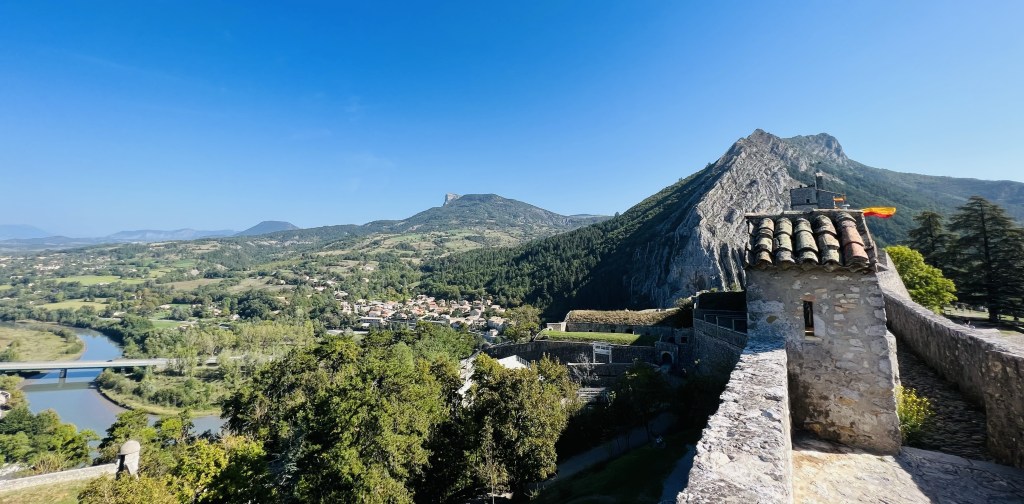
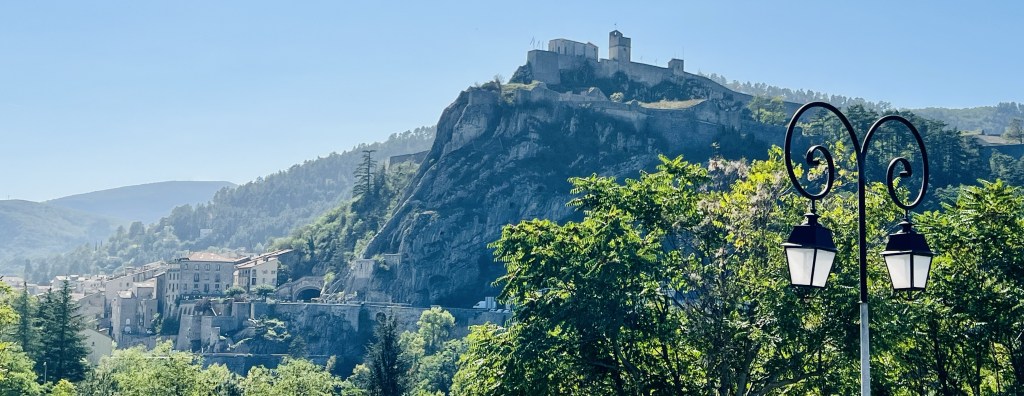
The allure of the citadel of course drew me in… or should I say up! Gloriously perched on a rock… built in the 11th century and remodelled in the 13th, 16th and 19th centuries… it dominates the town, with its bastions deployed both in the north and south. Henry IV liked to say it was “the most powerful stronghold of his kingdom”.
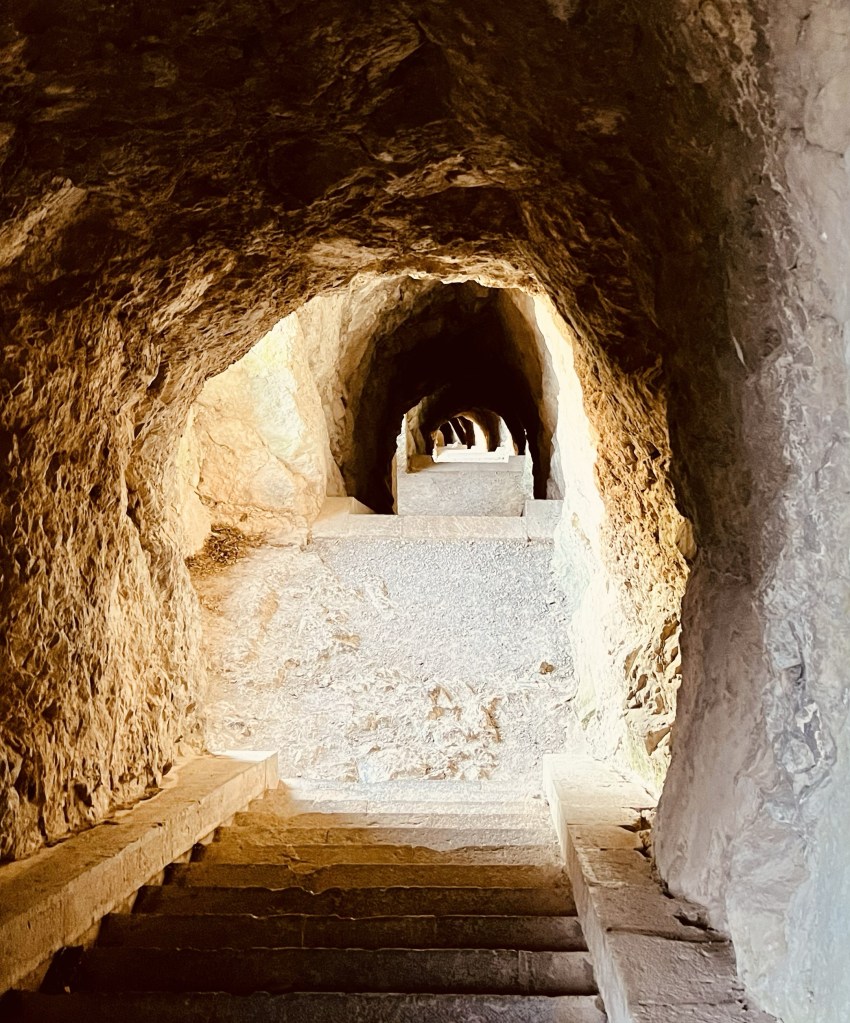
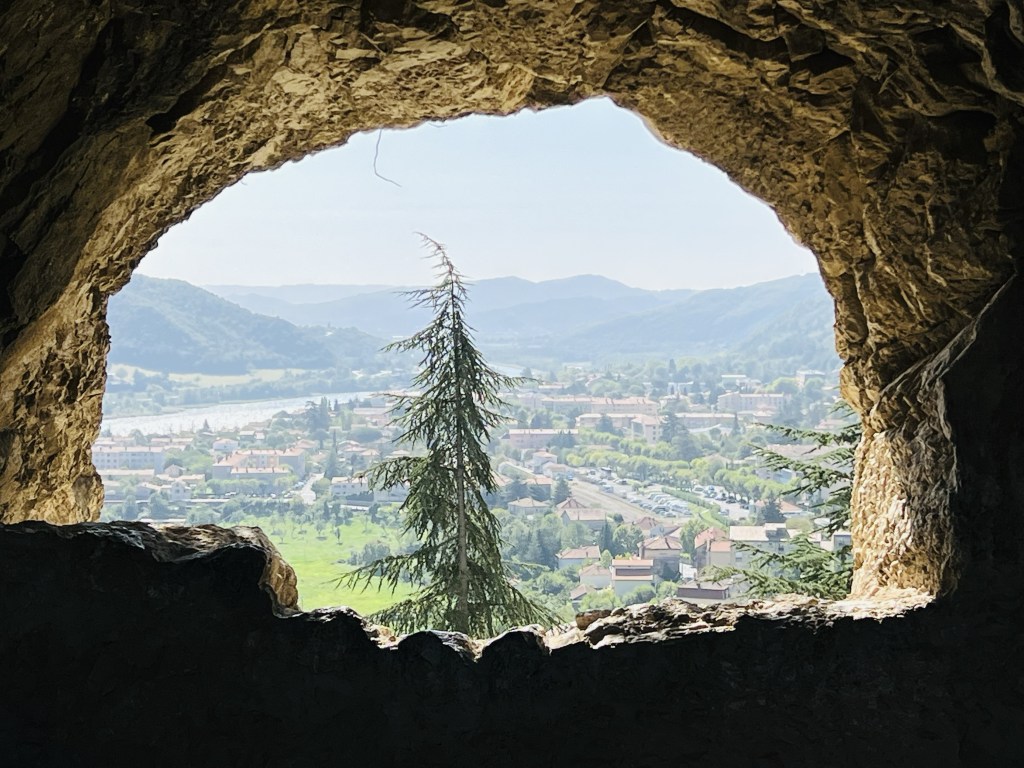
In the mid nineteenth century, a magnificent underground staircase connecting the fortress to the city was carved into the rock. Amazing!
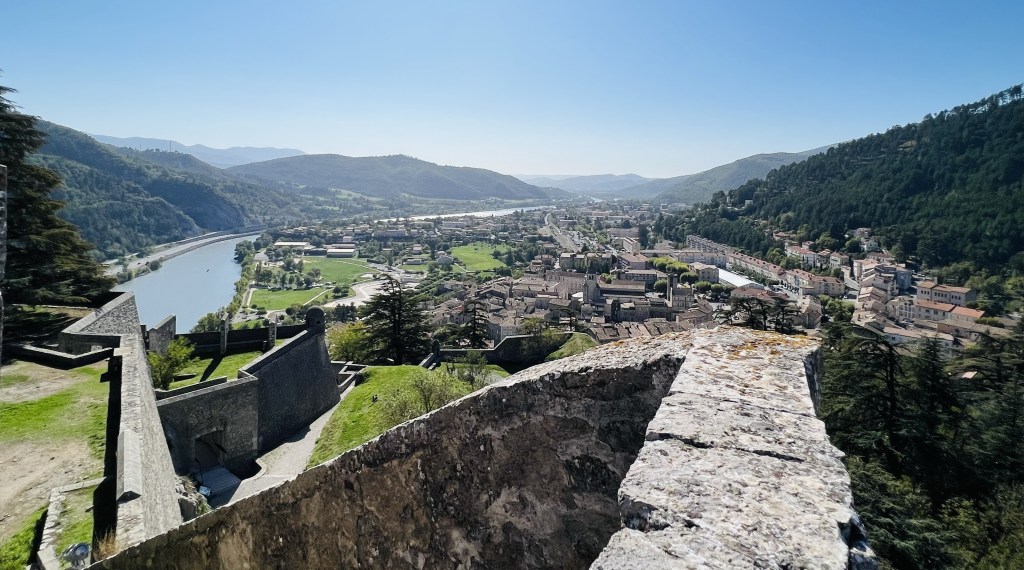
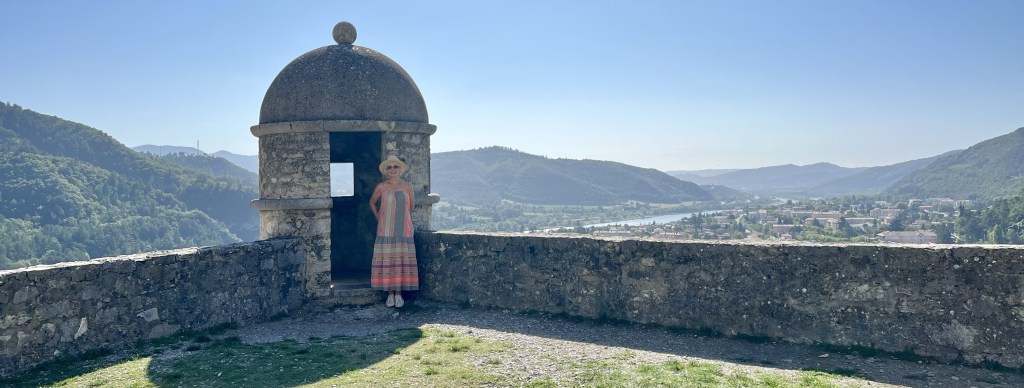
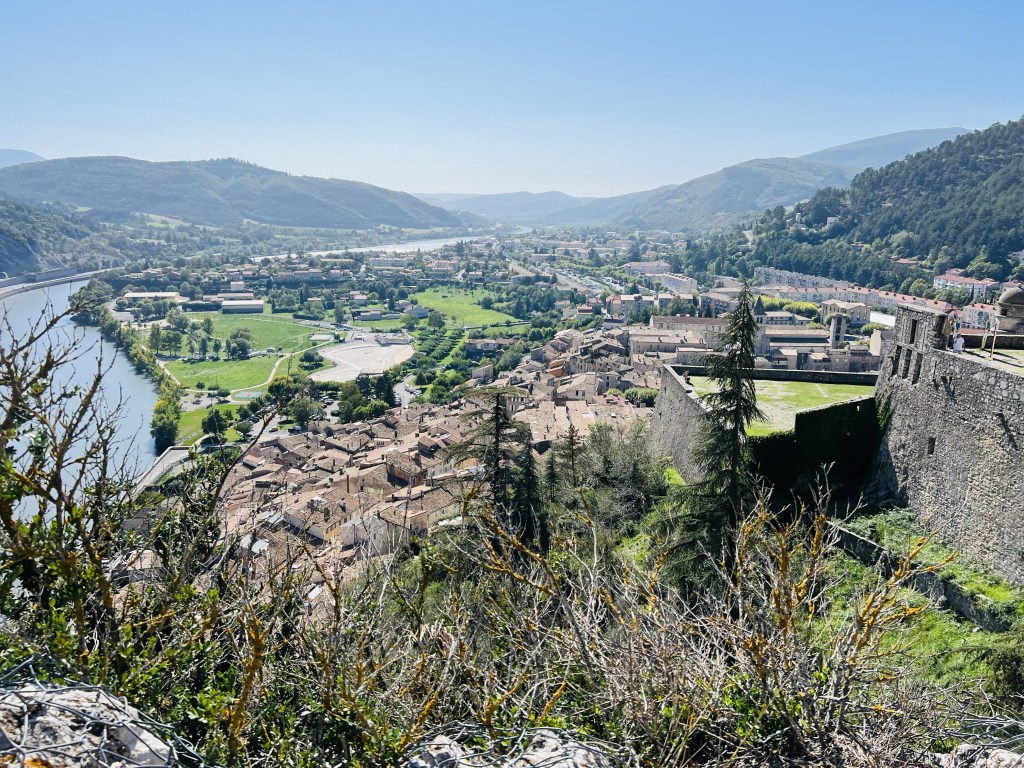
So striking is the view once at the top that nobody could be disappointed with 150kms of the French countryside unfolding from one end of the skyline to the other…
… and an extraordinary view of the maze of stairs, vaulted streets and old red tiled roofs of the village below all the way to the houses on the riverbank.
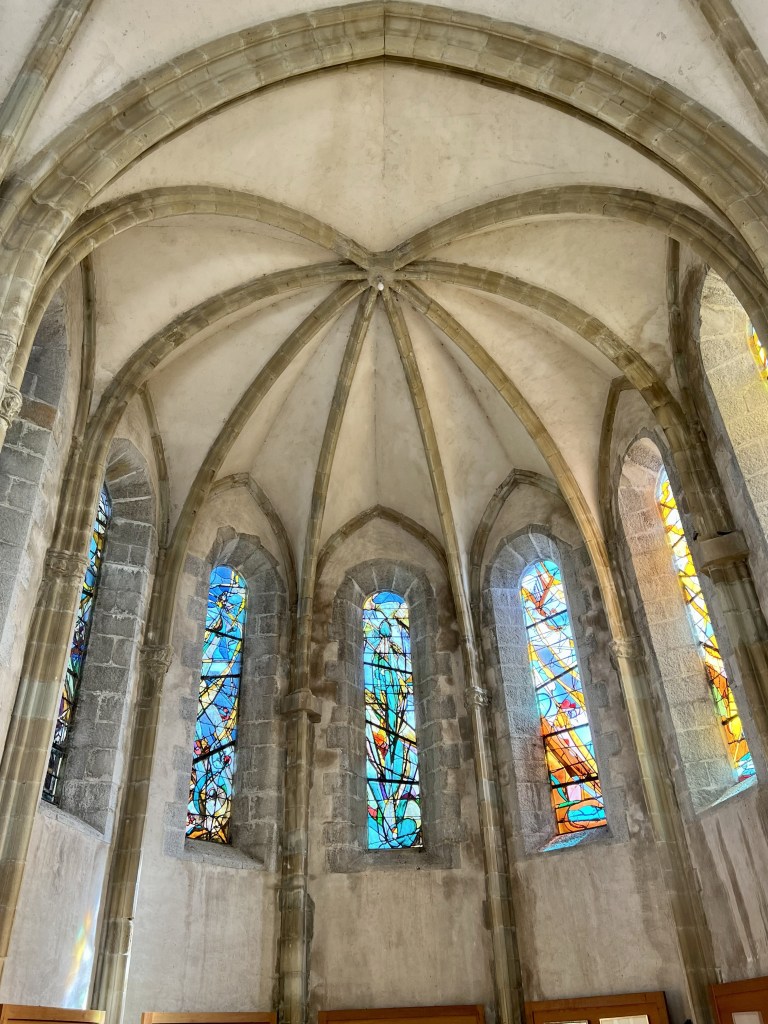
Between heaven and rock, Our Lady of the Castle chapel bathes you in the light of seven stained glass windows… with varied roles through history from its original purpose as a chapel to a dungeon and a prison before being nearly destroyed by the allied bombing in 1944 (I really find it hard to imagine this place being bombed… any place for that matter but a small town in Provence… I just can’t get my head around it). Today it hosts some prestigious exhibits and holds a bookshop. Once a year a mass is celebrated in memory of war victims. Beautiful!
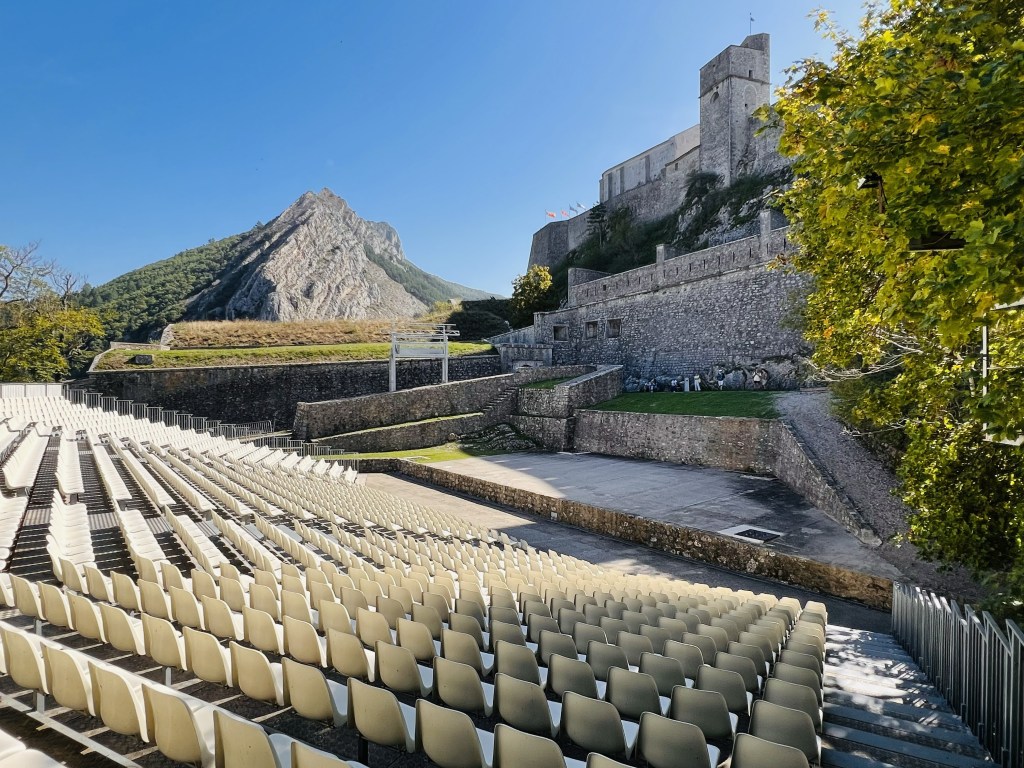
There was even an outdoor theatre here which every summer, hosts a prestigious cultural event: the “Nights of the Citadel”, the first and oldest festival in Provence. Music, theater, and dance take place and enchant the old walls… which I imagine would be quite spectacular!
Apparently by nightfall, the citadel enchants with its illuminations and has twice been awarded 1st National Prize in a lighting Competition – Prix des Rubans du Patrimoine. Would love to have seen this beautiful town all lit up… maybe another time 🤷🏼♀️
After coming back down to earth from the citadelle, I ate some lunch at a little restaurant overlooking the river…
… and then walked over the bridge to get a view from the other side… where you can see the Citadelle right at the top.
I decided to walk down to the little church I had noticed while looking at the spectacular view from the top… only when I arrived I realised St-Dominique cloister (15th century) was a ruin with no access inside…
… but apparently classified as a historical monument and hosts cultural events. Such a beautiful peaceful atmosphere filled with birdsong, butterflies and wildflowers.
Loved this place… a little off the beaten track… with its heritage, its beauty, its spectacular views and colourful flowers and it’s extraordinary sunshine and light.
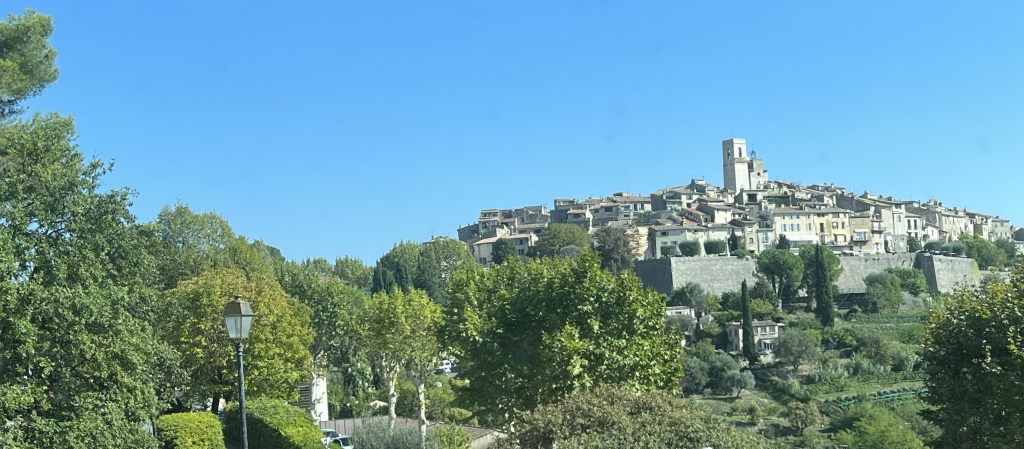
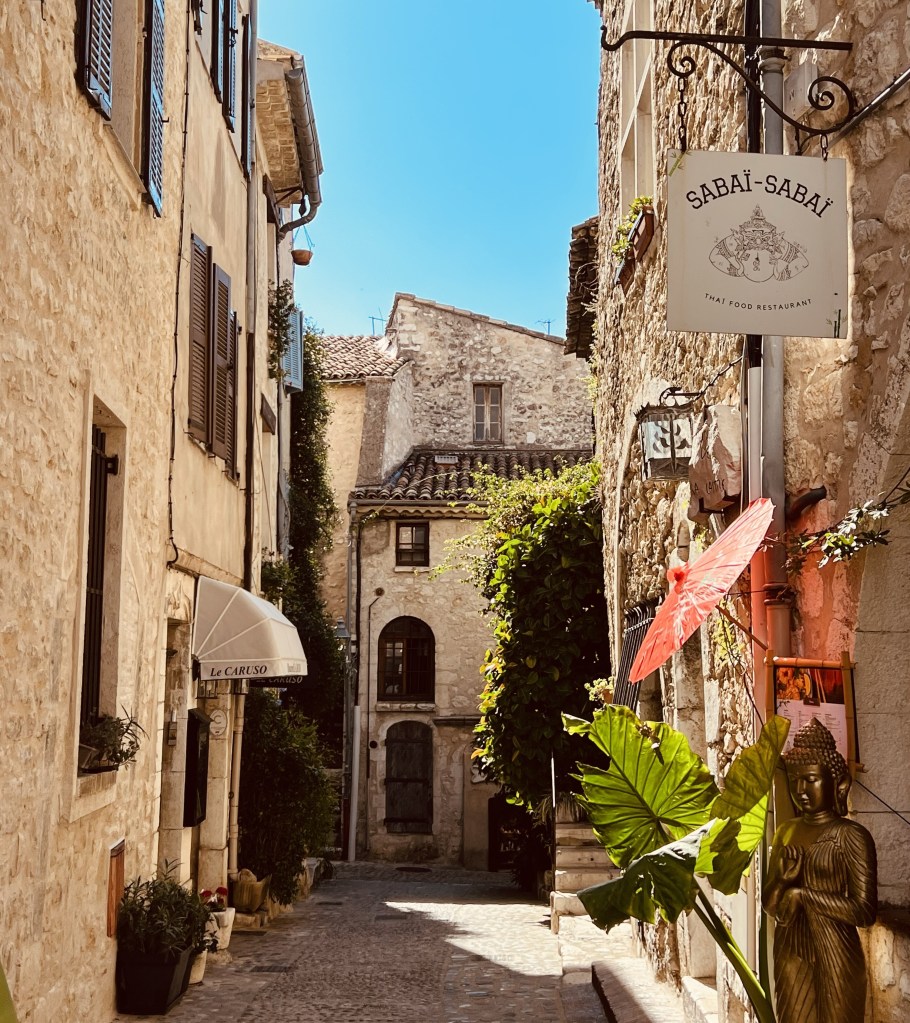
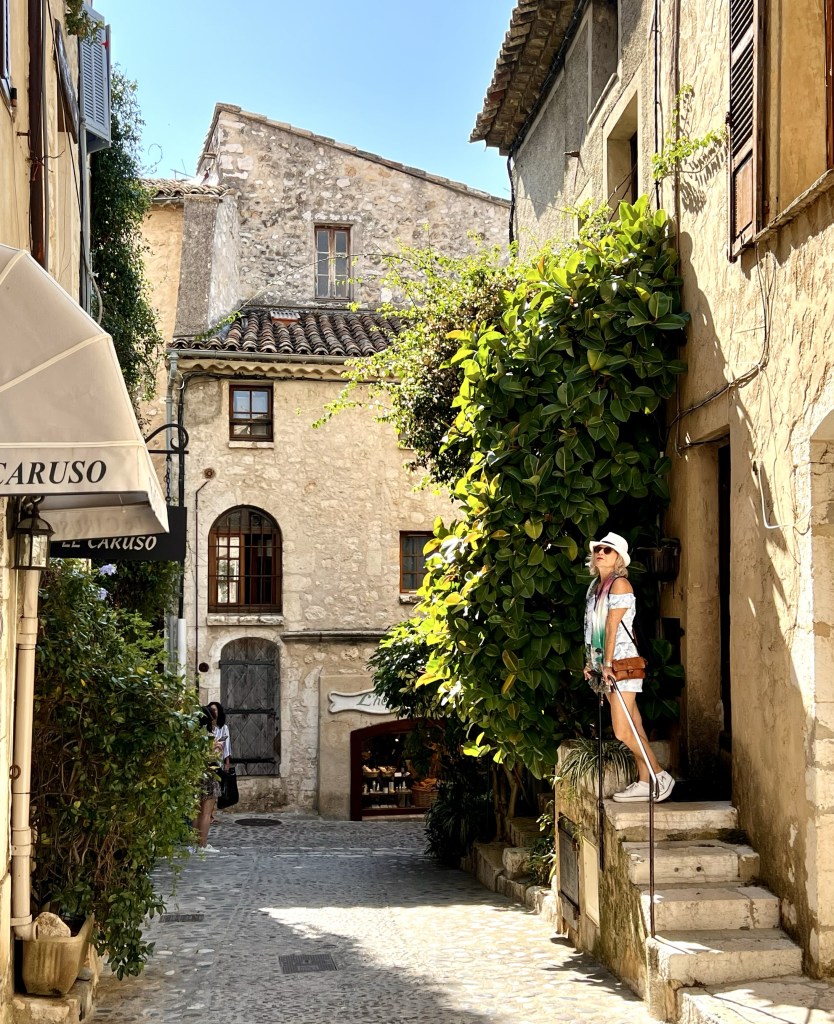
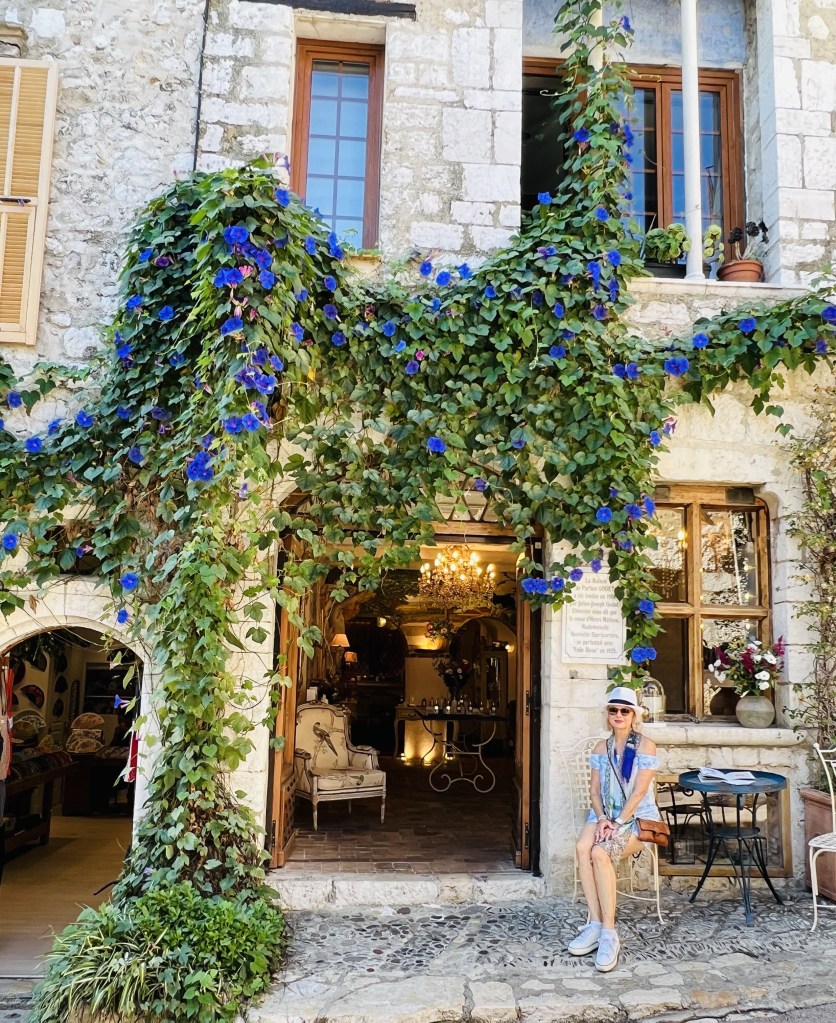
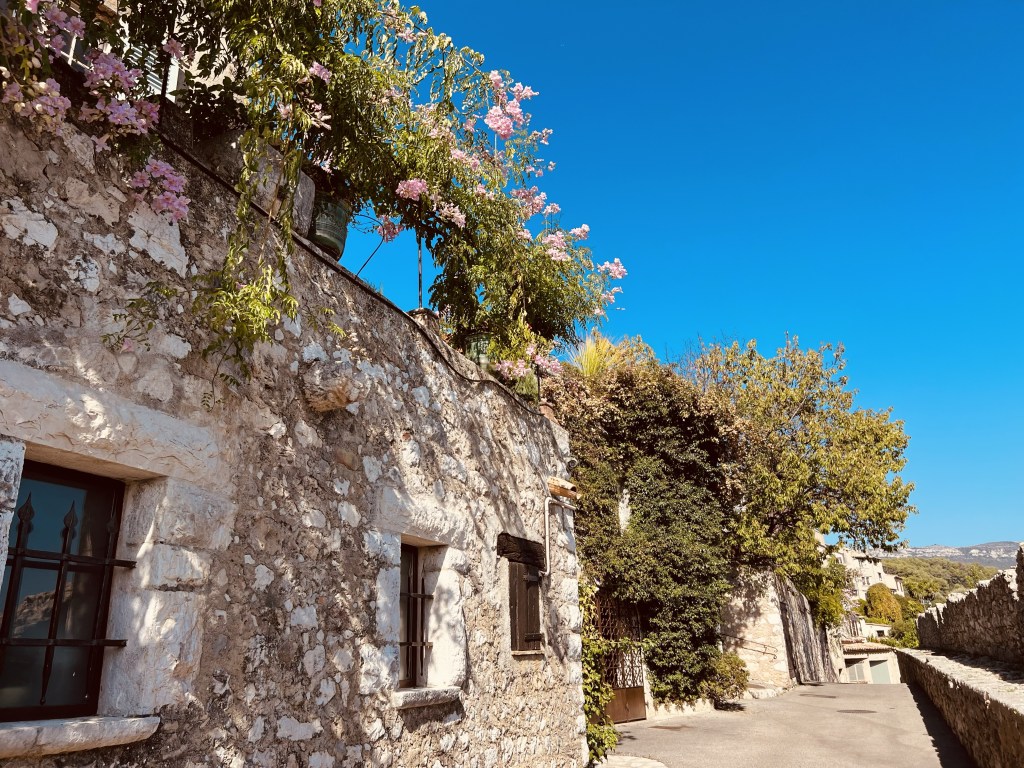
I’d heard so much about Saint Paul De Vence. They say it is probably the loveliest and most well preserved of the perched villages you’ll find in the south of France… and it is regularly compared to Eze which we had visited a couple of days ago… and I struggled to see how you could top that. But I was excited to experience the comparison and add my opinion (yes I’ve always got one) to the question. They say it is pretty… arty… touristy. Some say it’s too touristy… some people say it doesn’t matter. I’d seen the beautiful pictures. So let’s go and see.
I googled how to get there as there is no direct train. We caught the train to Cagnes sue Mer and then walked a couple of kilometres to where Google told me we would hop on a bus to Vence. When we arrived there we were told we had to go to the station to get it (back 2km to where we had just come from 🙄). So, back we went and asked a young local guy which bus and he said it was the one he was catching. So we hopped on that one only to find he was wrong. The driver let us off and we raced back and eventually got on the right bus, frustrated as we had wasted so much time and knew that the later we arrived, the busier it would be.
View as we came up in the bus
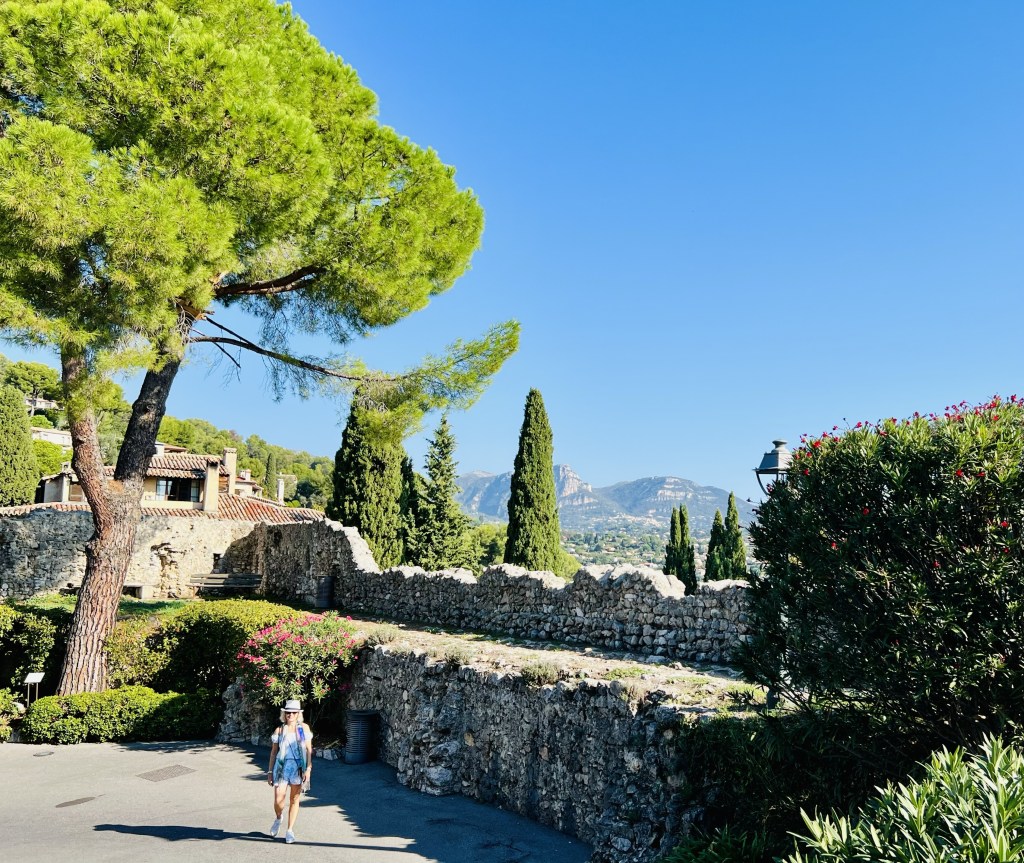
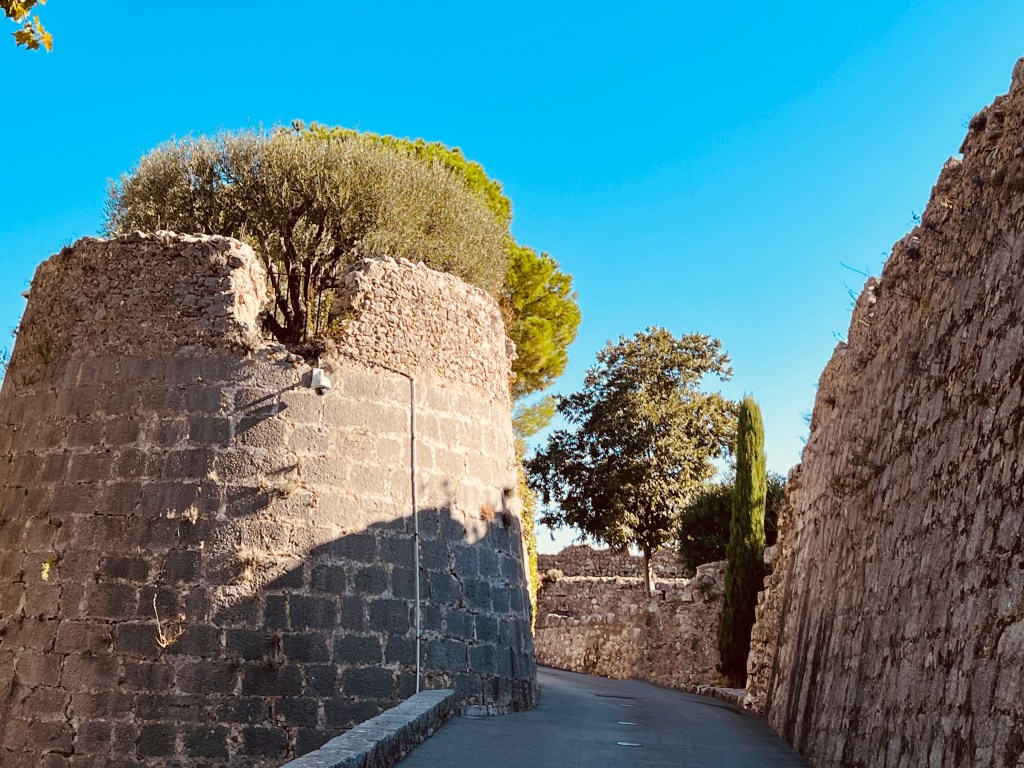
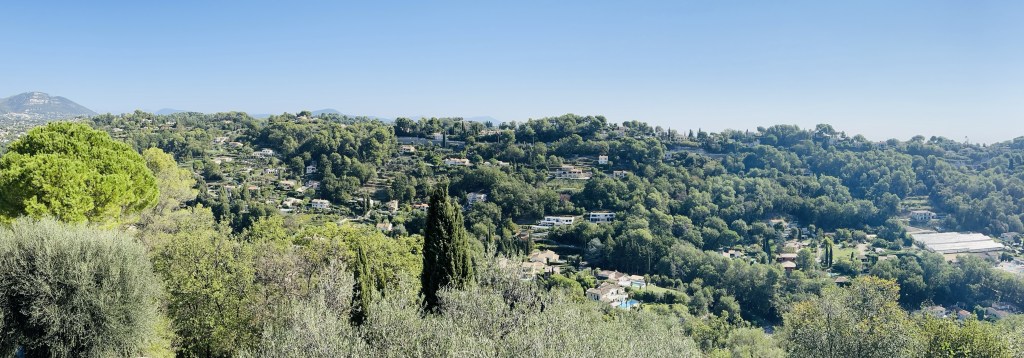
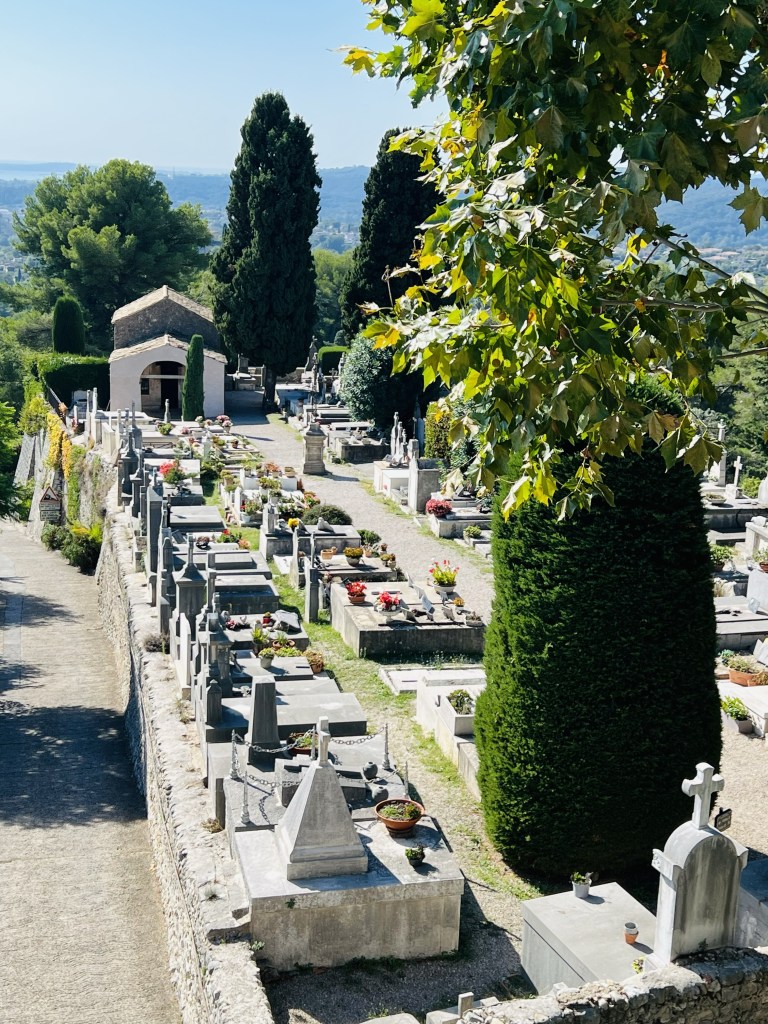
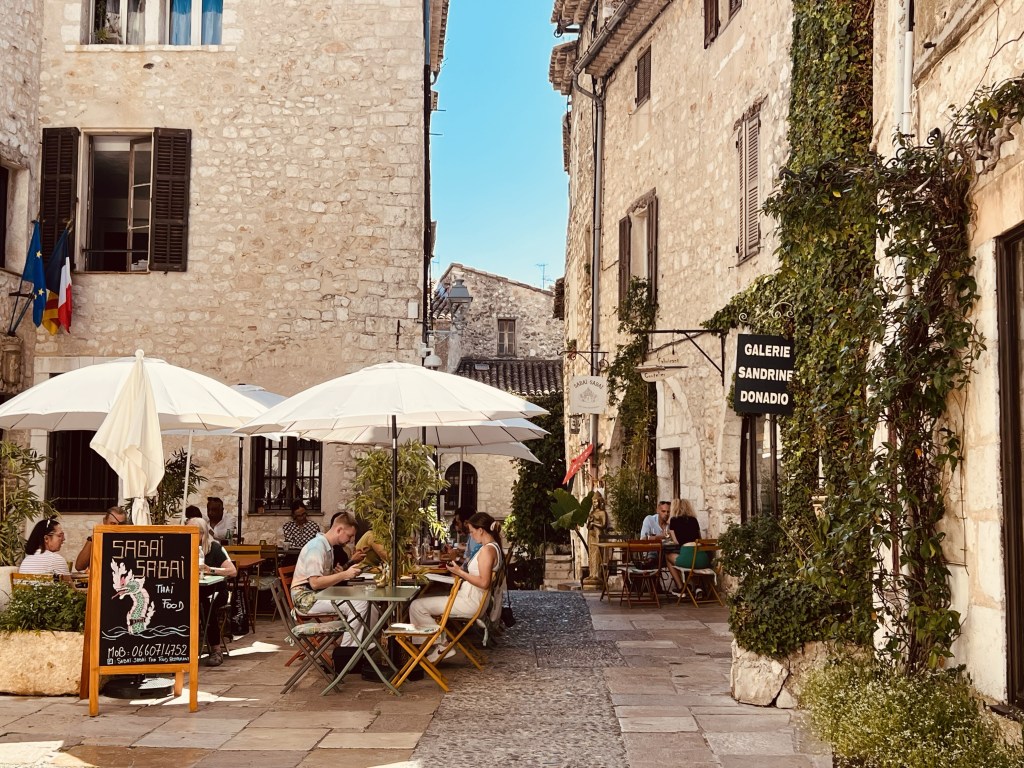
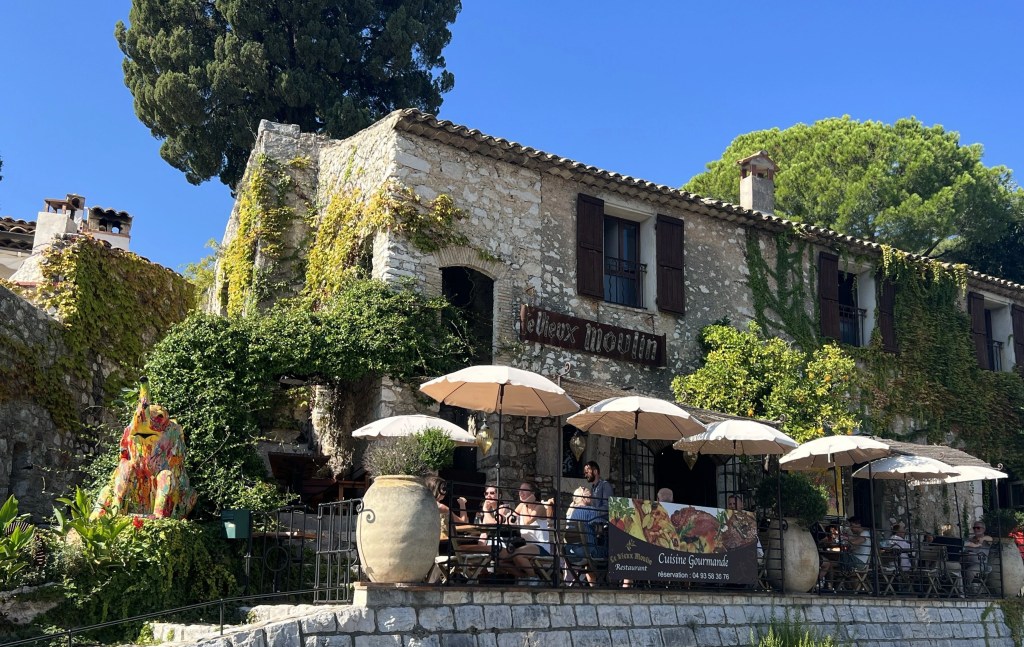
As soon as I walked through the gates to this medieval village I once again felt like I had entered another world and another time. It was so beautiful, with tiny cobblestone streets and buildings that felt like they should only exist in a fairy tale… and you know how I love those fairytale towns! Except for all those pesky tourists 😂. Immediately, all I wanted to do was explore and so we spent the morning just wandering through the little inside streets, and walking along the rampart walls which give you amazing views of the countryside and the Mediterranean Sea. With the sunlight reflecting off the azure blue of the sea, the vivid greens from the vineyards and olive trees sloping down into the valley, the yellow and ochre colours of the rampart walls, and the beautiful cemetery just below the town… it was truly stunning.
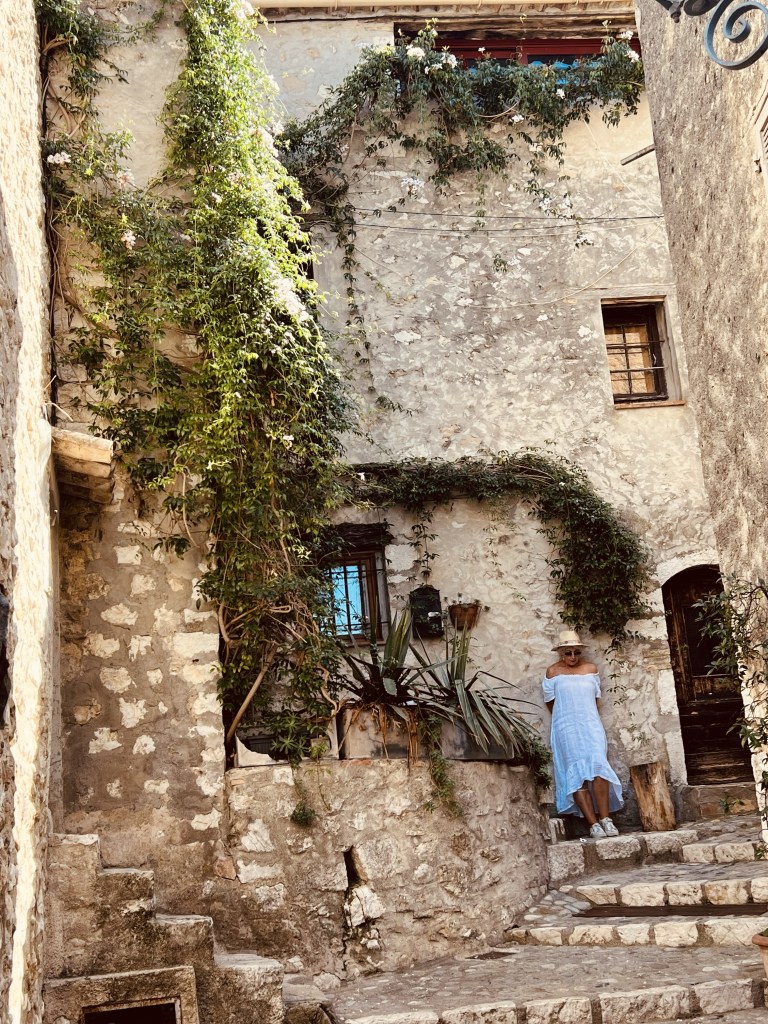
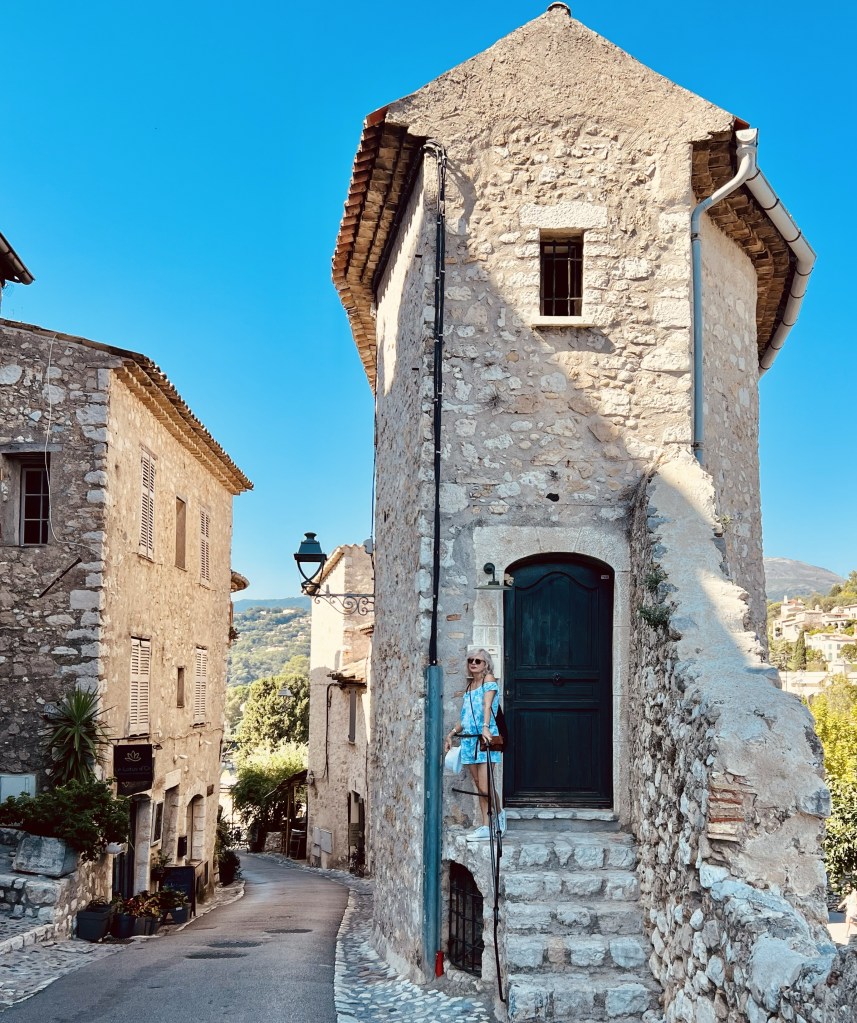
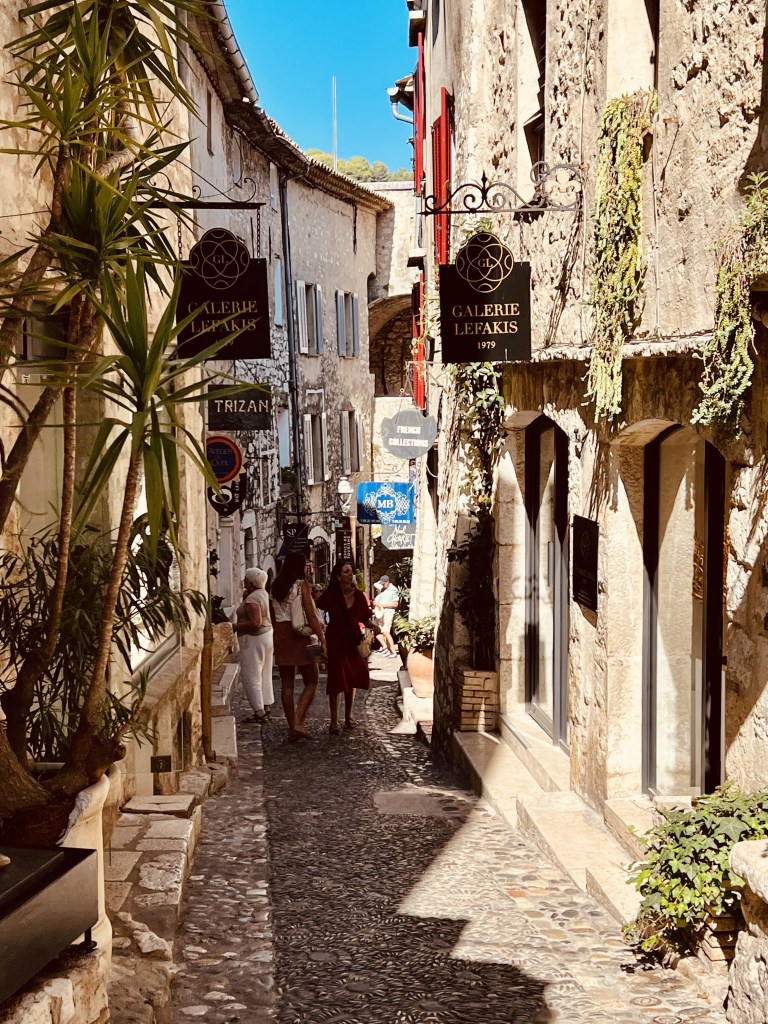
This sweet little fortified medieval village became a magnet for artists and art lovers in the 1920’s, when a group of impressionist painters re-discovered this worn-down-town, inhabited since 400BC. It’s beautifully manicured (they even vacuum the streets) primarily pedestrian (love anywhere without the cars… maybe I should have lived in another era?) and filled with quaint stone houses…
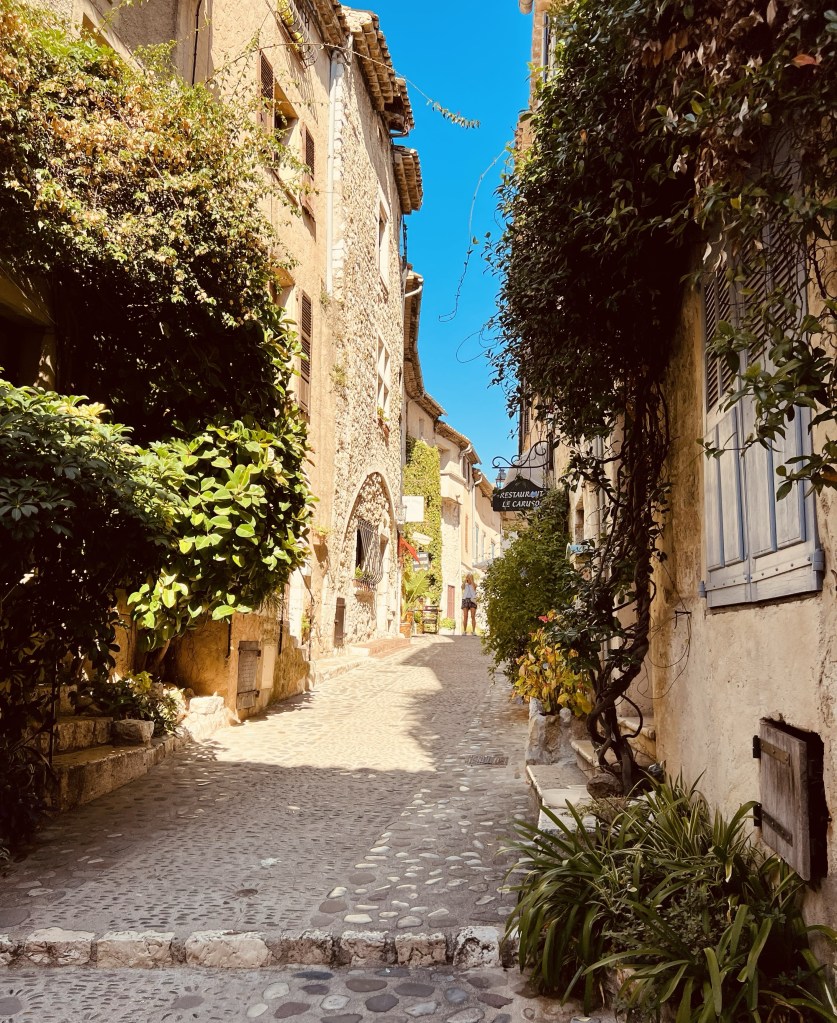
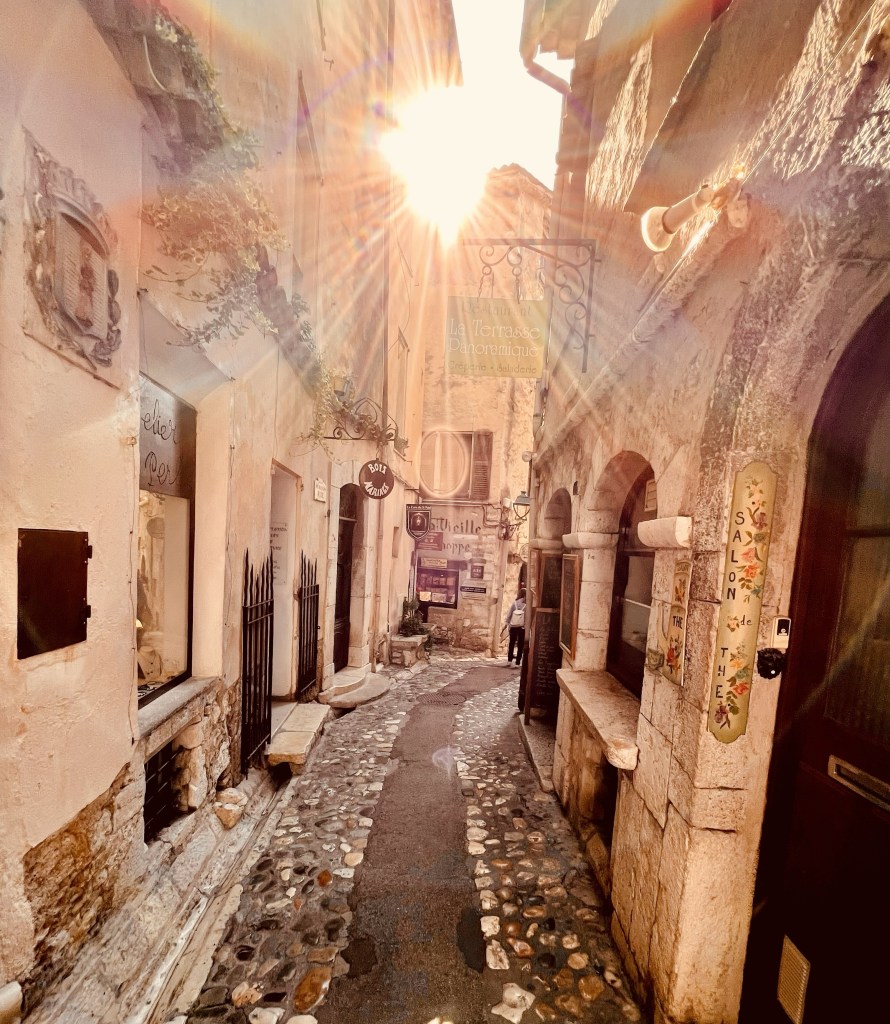
Mediterranean style architecture and narrow flowery and leafy paths.
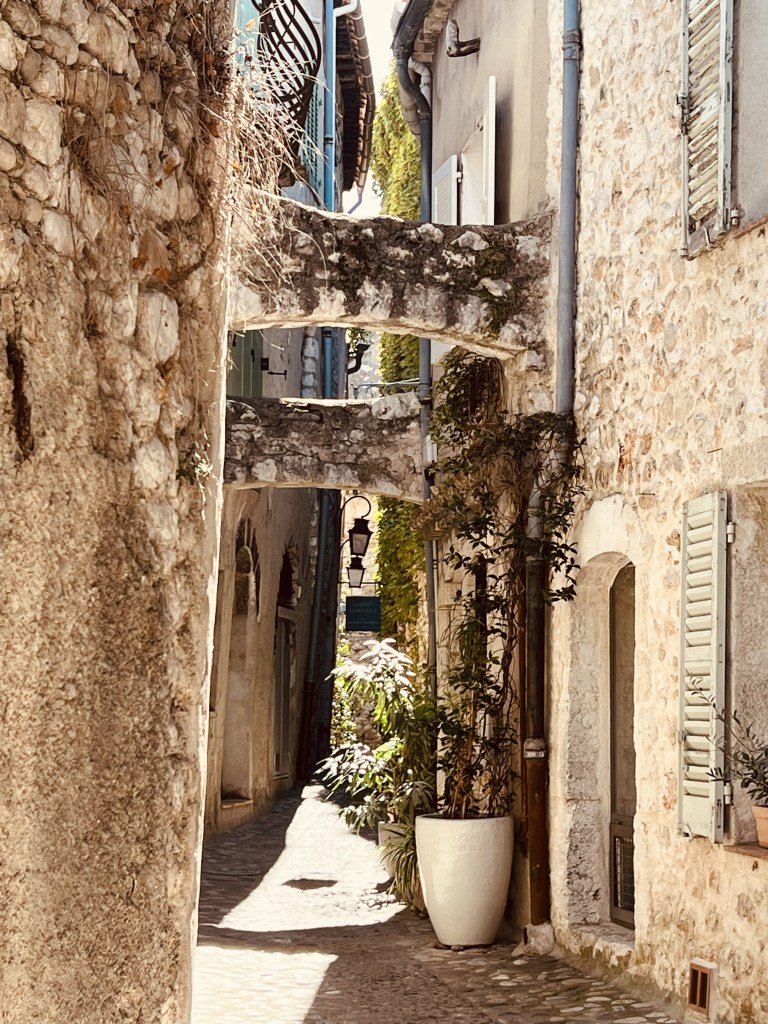
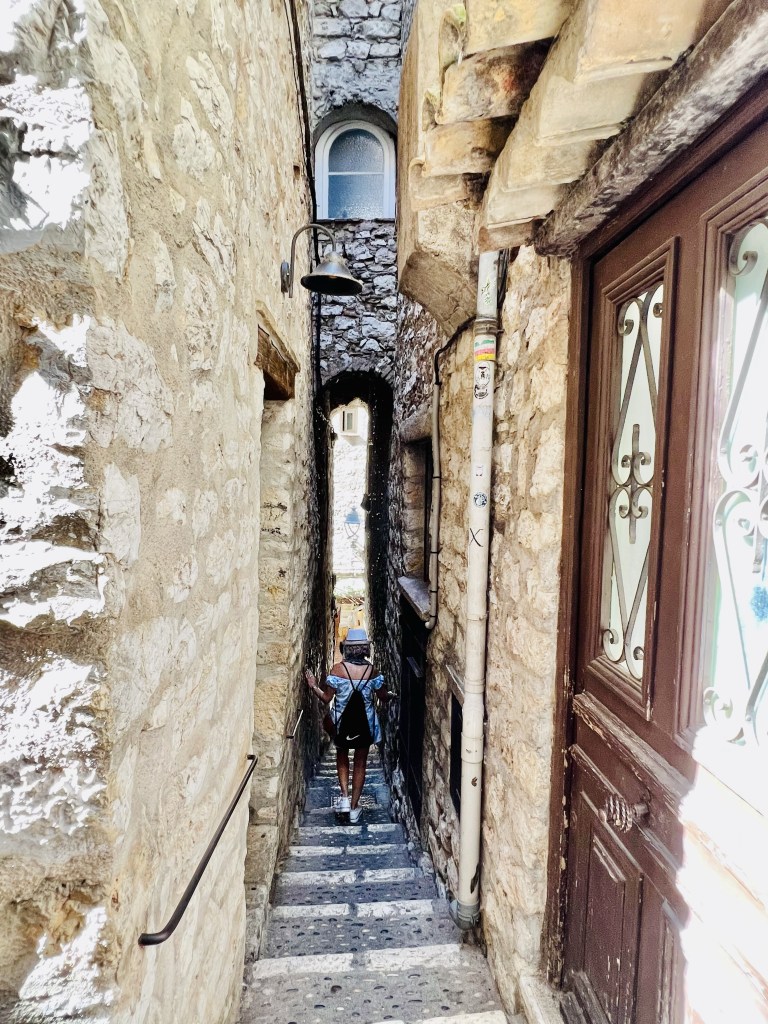
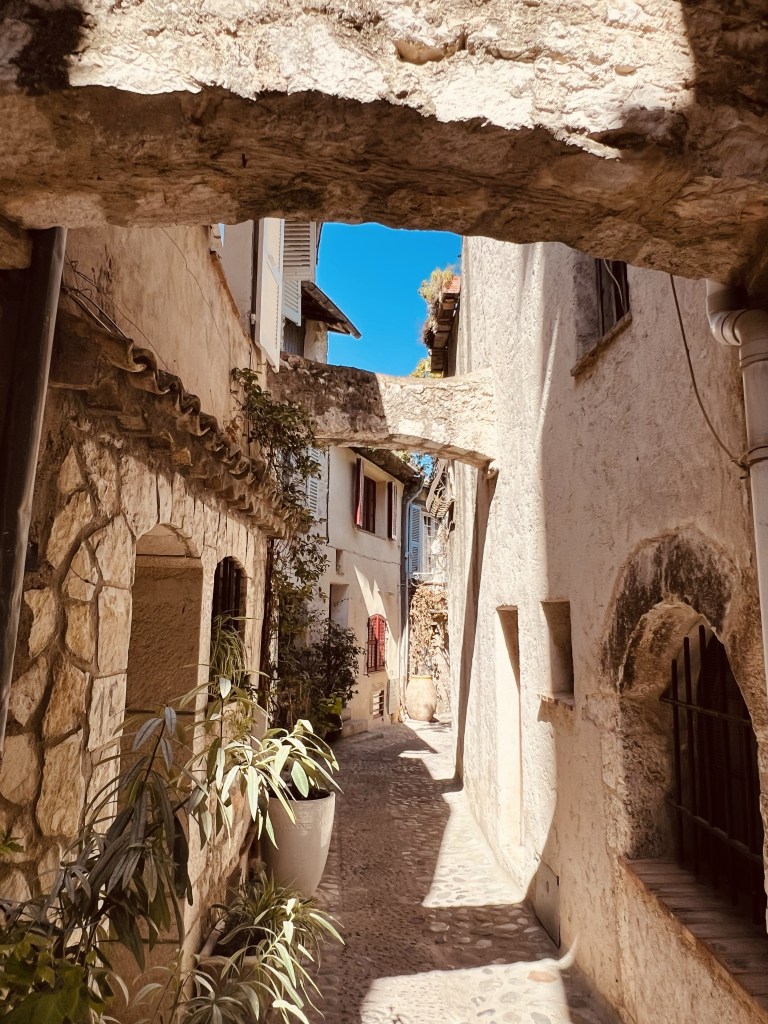
Sometimes very narrow
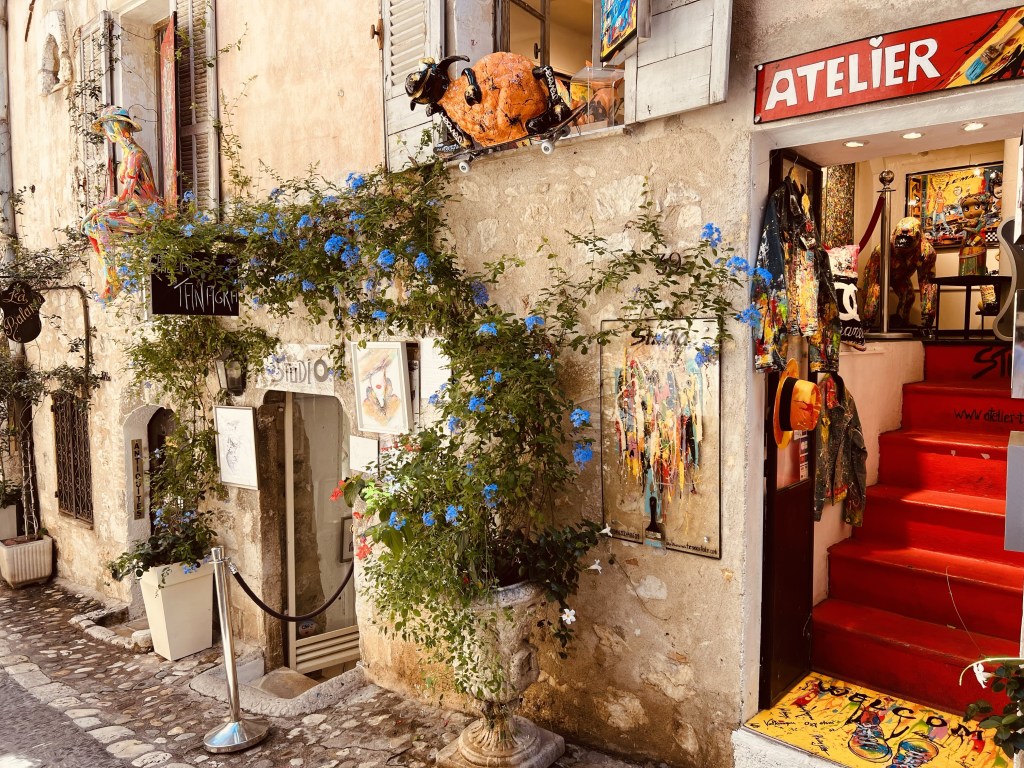
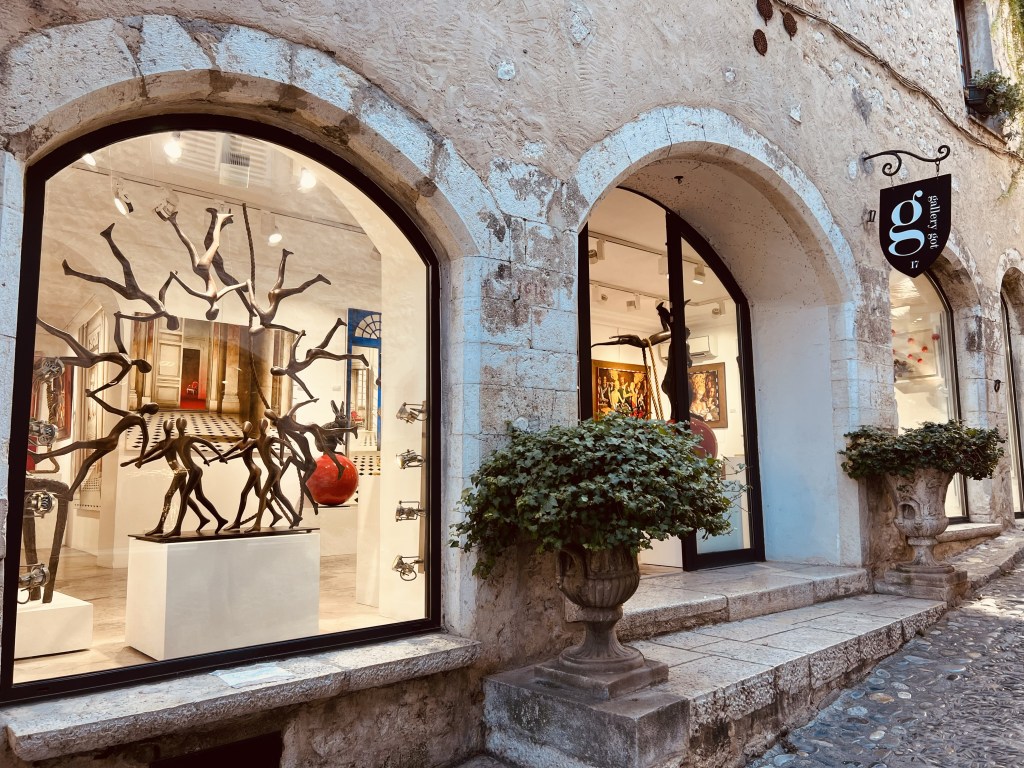
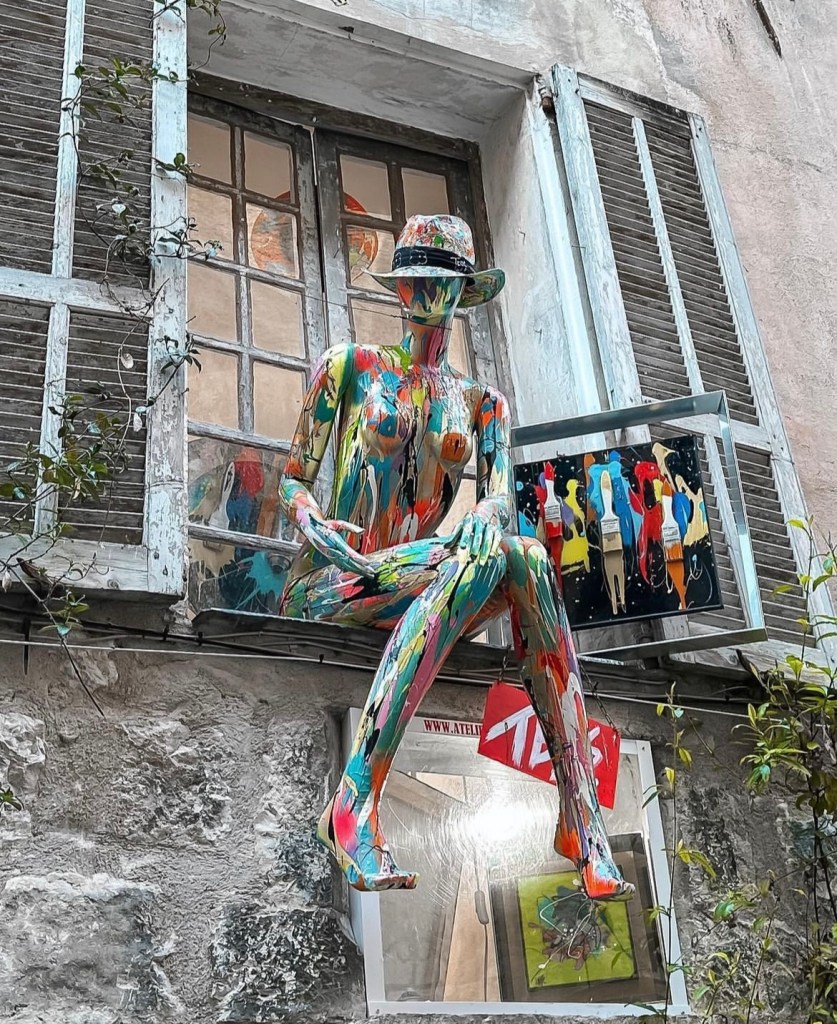
This town has enough amazing art galleries, artist studios, ateliers, boutiques, and craft shops to keep you occupied all day long. And I did finally manage to buy a summery dress as this Indian summer continues.
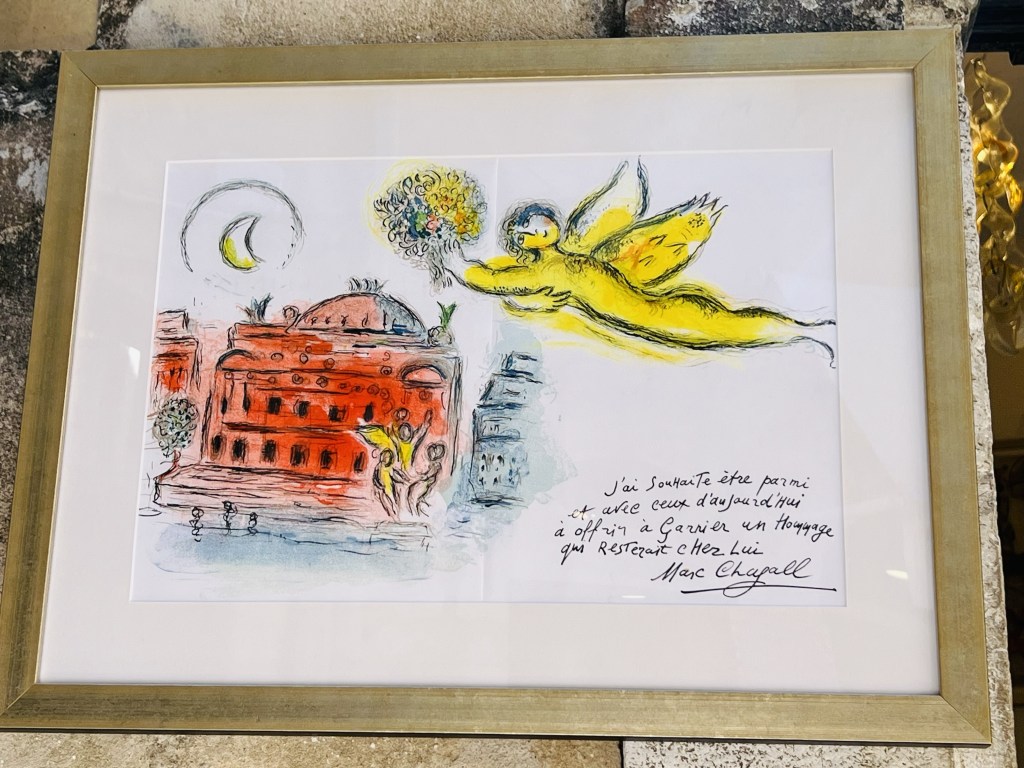
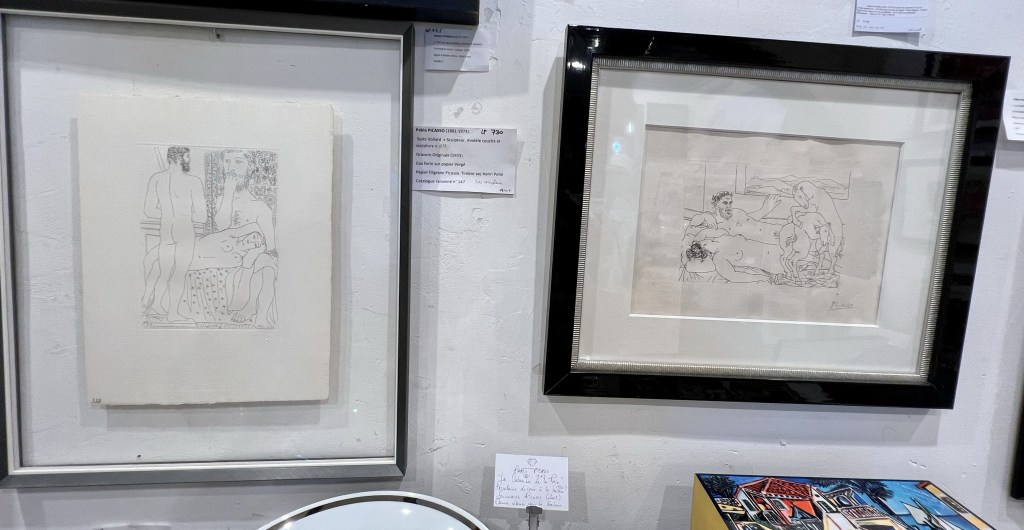
The Russian painter Marc Chagall resided in the village from 1966 until he died in 1985. For years he depicted the lives of local people and the marvellous landscapes of the French Riviera and we saw some of his original works… and some original Picasso drawings as well.
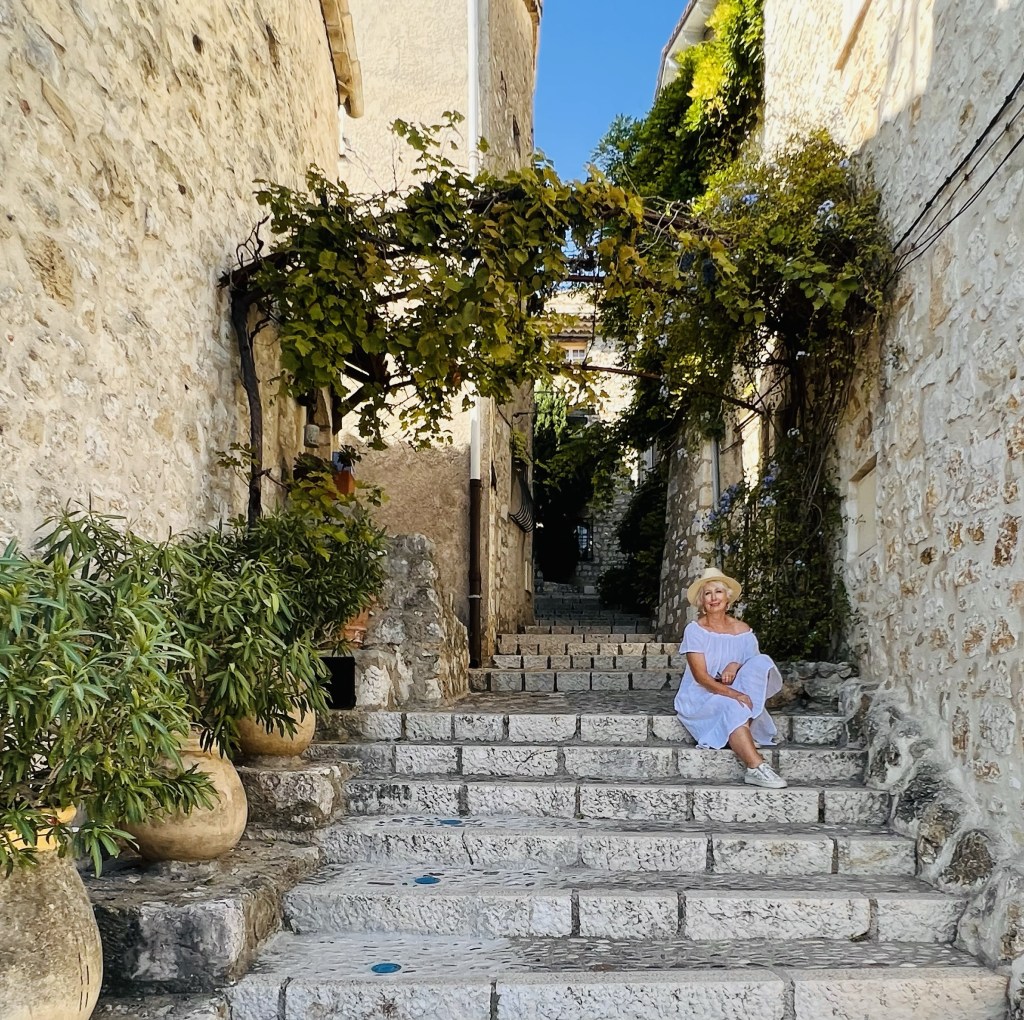
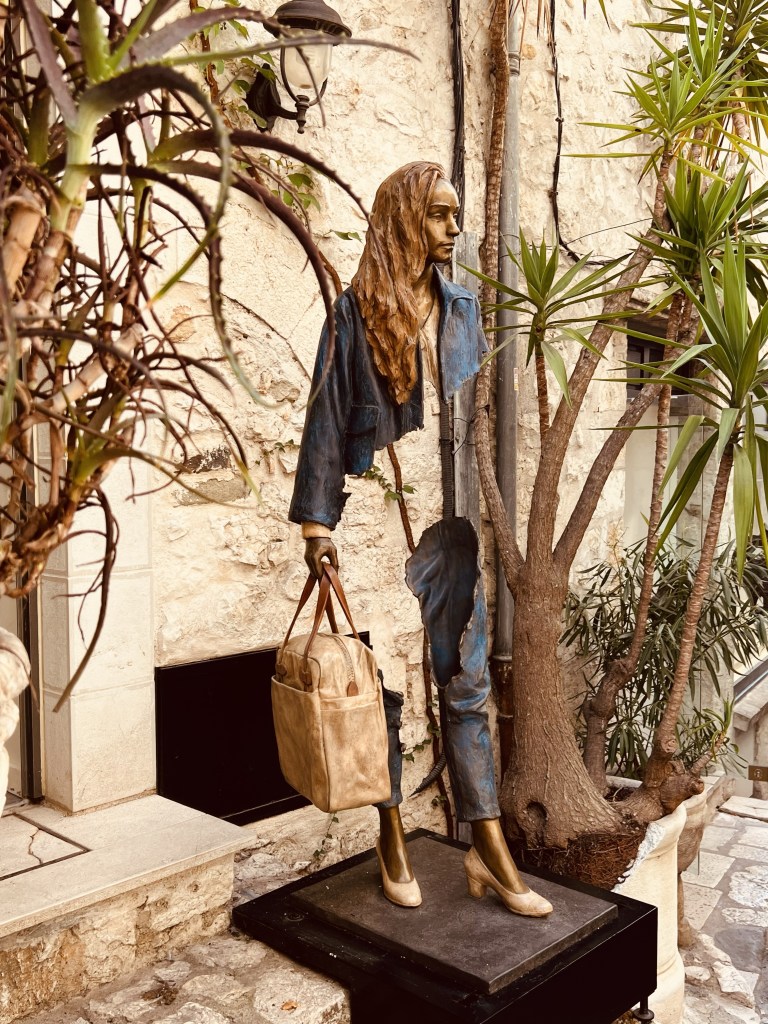
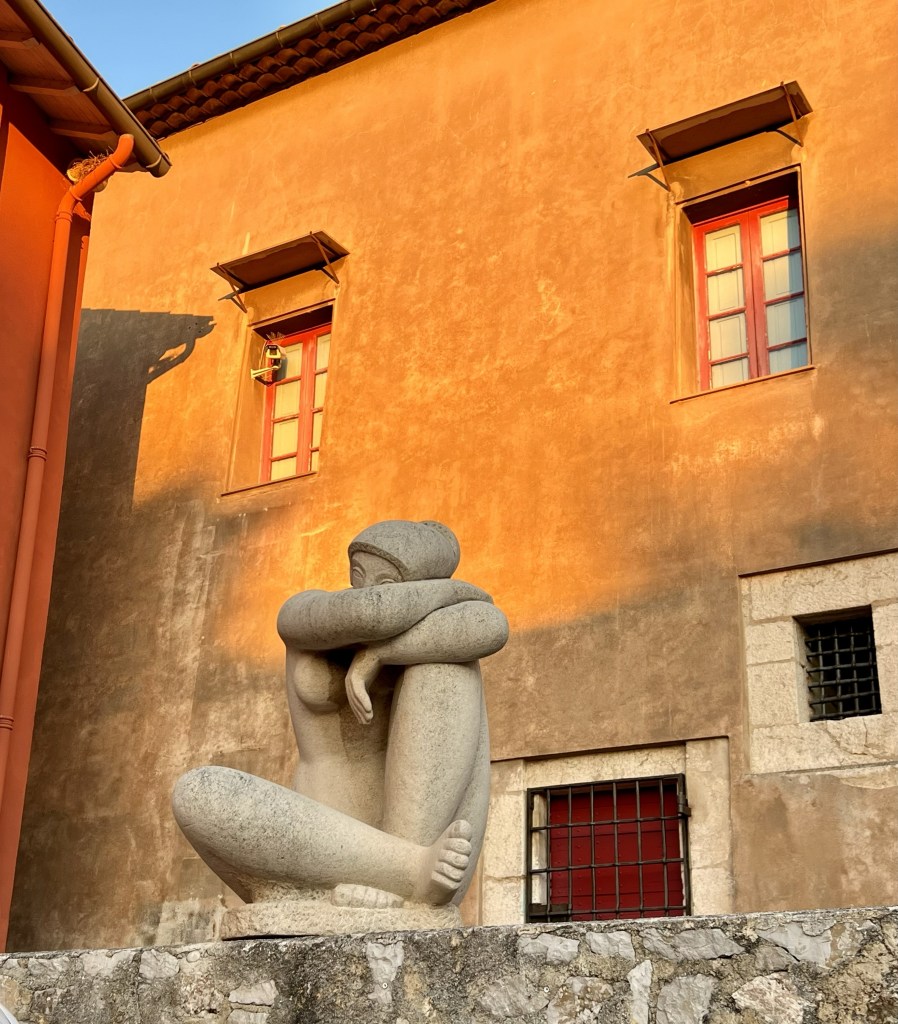
As an art lover, I loved getting lost in the winding flights of steps and streets… looking in the windows of all the studios… particularly all the amazing sculpture on show.
Beautiful details were everywhere I looked…
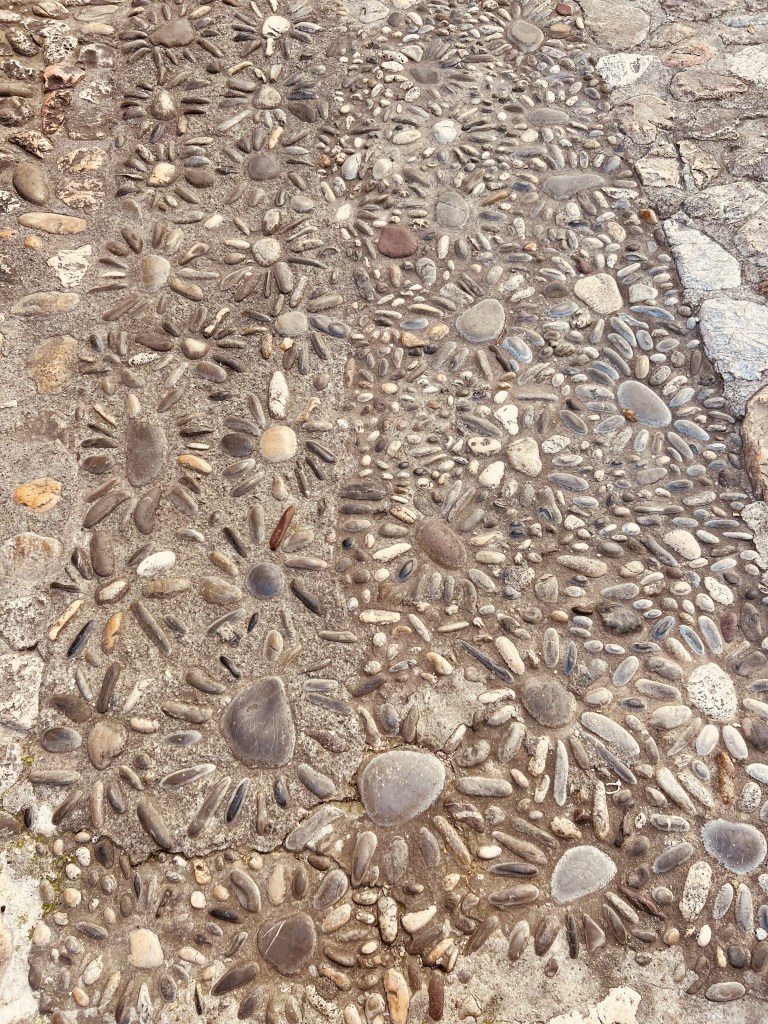
… from the flower shaped designs in the cobblestone streets (stunning)..
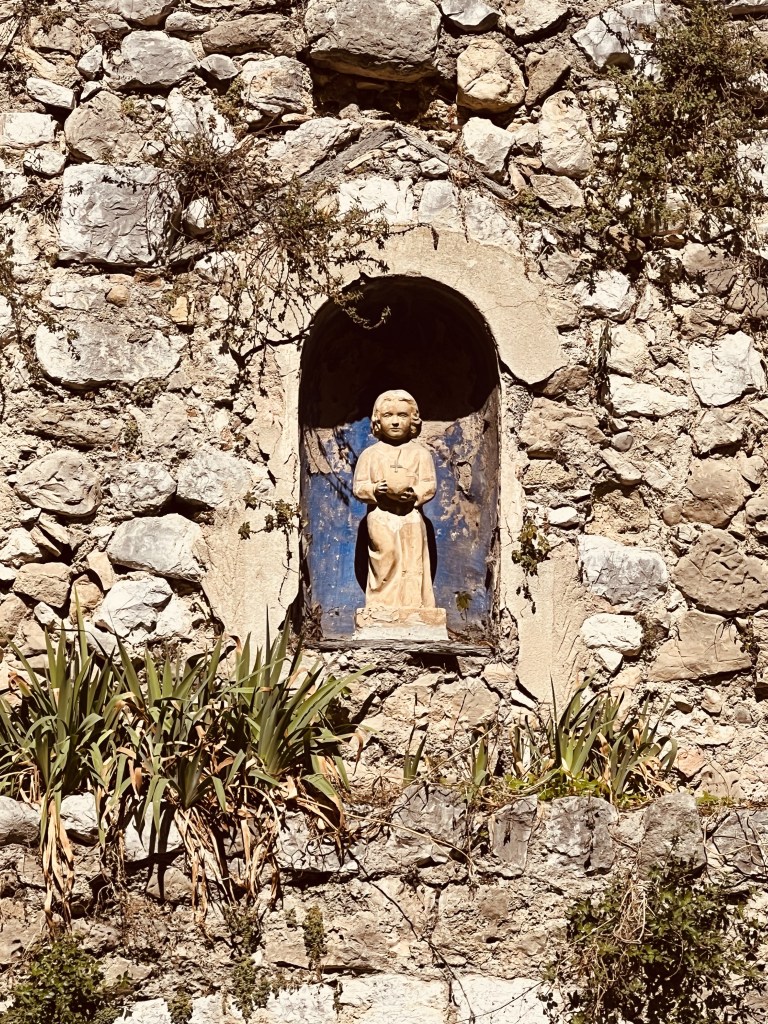
… to the embedded art statues designed into the walls, and the statues, flowers, and memorials gracing the town cemetery.
And there are heaps of restaurants to quench your thirst or grab a bite to eat… which we did on a tiny balcony overlooking the gorgeous countryside.
Totally loved this little town… but if I did have to vote it would still have to be Eze, which really stole my heart.
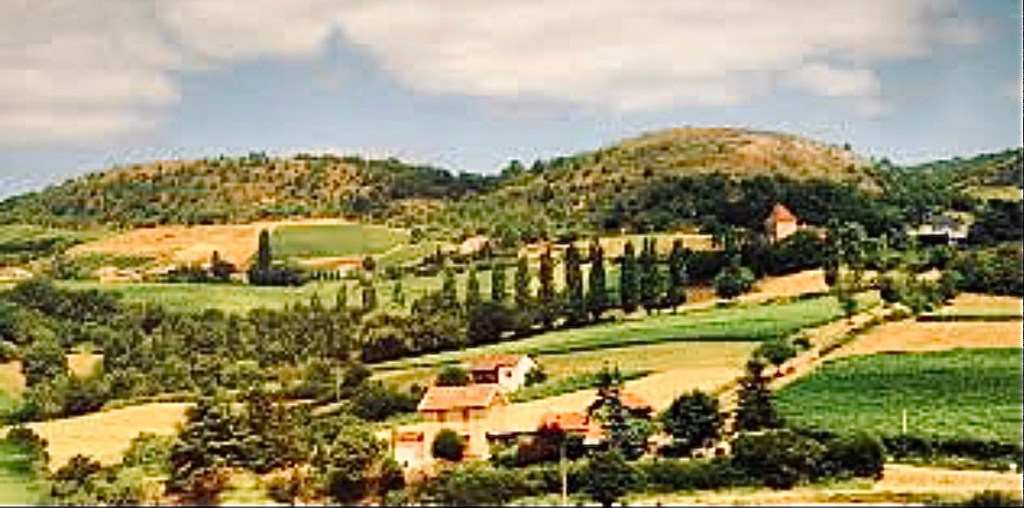
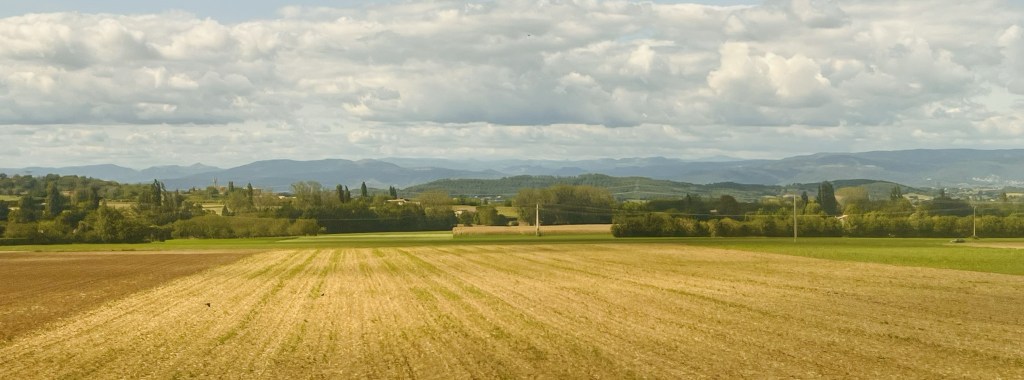
Ah- the south of France! I have no doubt that every inch of France is beautiful, but the south of France somehow just sounds so romantic doesn’t it? Its many villages and hill towns- not to mention stone castles, hillside olive groves, sidewalk cafes, and lavender fields (sadly it is the wrong season for that)… are places that travel dreams are made of. Most of that’s for a little later… but for now… travelling through on the train we have glimpses of what is to come after our week in Villefranche sur Mer. Our train journey takes us past many rolling hills with little villages and steepled churches, castles, vineyards… it really reminds me of Tuscany. We pass many endless cornfields that somehow feel familiar to me…
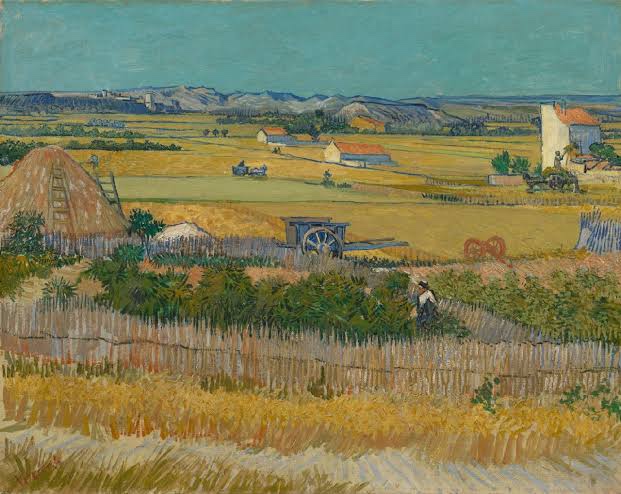
… and I realise we are passing through Van Gogh country bought alive to me in two visits to the Van Gogh Alive experience. I could almost feel his spirit here as the train rolled on.
Anyway… after another big travel day we arrive in our little piece of the South of France… Villefranche sue Mer on the Côte d’Azur (French Riviera)… where there are beaches galore, heaps of incredible resorts and unforgettable historic attractions that gaze out over the Mediterranean.
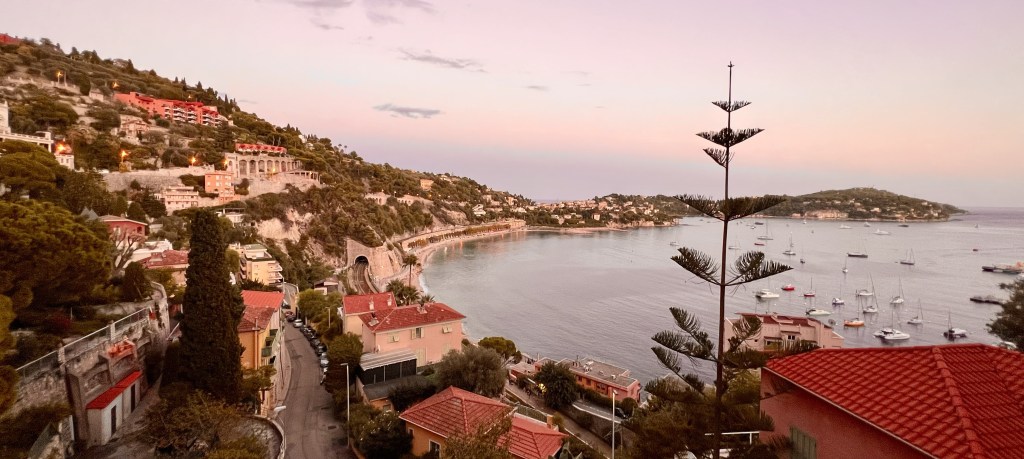
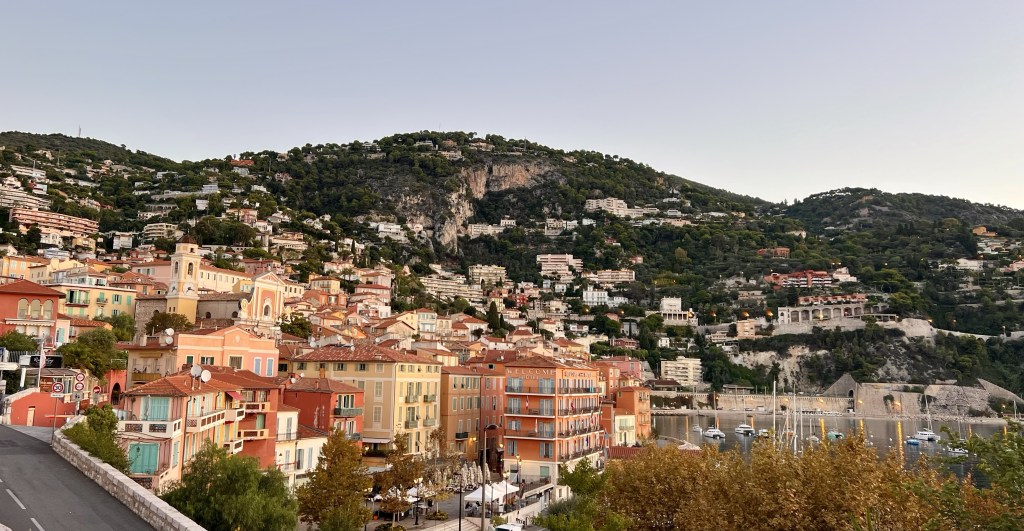
Villefranche-sur-Mer is a secret place amidst the hectic glamour and glitz of the French Riviera. A combination of modern and ancient, and it’s nestled against the steep villa-clad hillside on the Bay of Angels. This town is an explosion of colour! Red, orange, or even yellow come to mix with the oh so blue sky and the sea for a striking contrast. One of the most picturesque small towns in the French Riviera and I immediately fell in love with this place (I feel like I’ve said this before… but it’s true 😂🤷🏼♀️).
Located between the bustling city of Nice and the uber-opulent Monaco, the whole coast road from Nice to Monaco is incredibly beautiful with views to die for! But I’ll get to that too. We did have to stop in Nice to pick up the key for our apartment and felt a little intimidated by its size and big city feel, so were very pleased to arrive in the much smaller town of Villefranche.
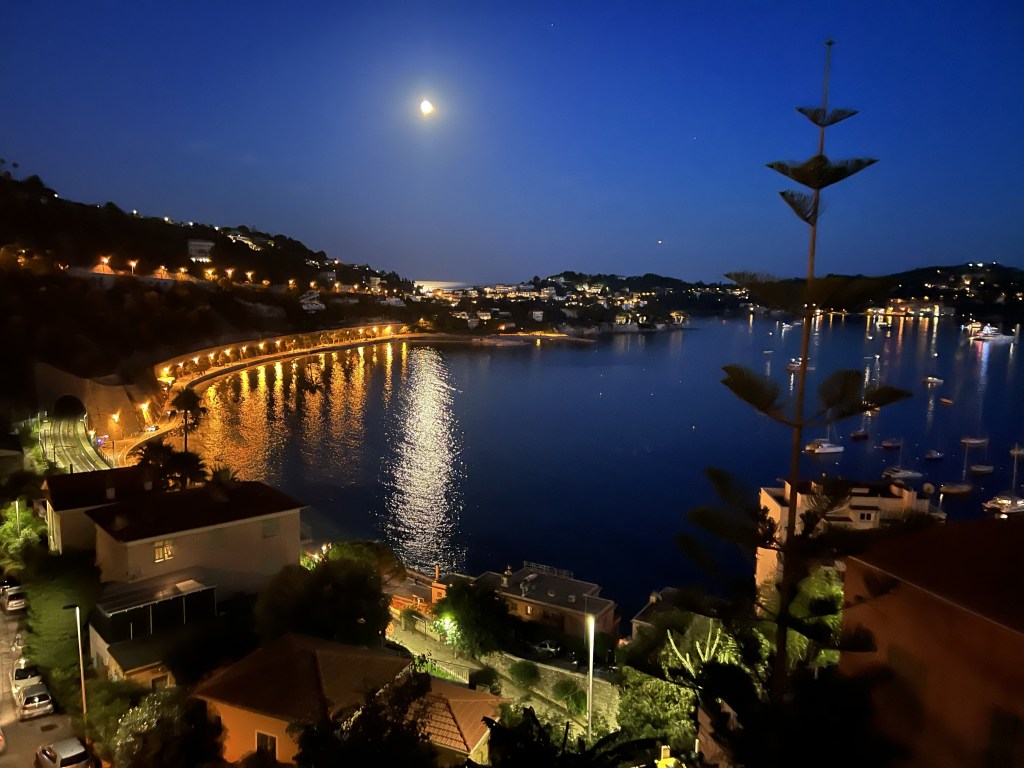
While it might not appear so, we are travelling on a budget and most of our hotels have been average at best (see Shepherds hut in Cochem 😂). So despite the very steep walk from the station dragging our bags, it was delightful to arrive to this view from our apartment for the next week. Sitting on our balcony we can see the beach… yachts and cruise ships coming in and stately villa’s perched on top of the green hills.
We were tired and it was late so we quickly showered and went out for a quick dinner… the exploring would come later. Being a Saturday night, the town was bustling and it was difficult to find a restaurant that could accomodate us but we eventually found a leafy little tapa’s place along a cobbled alley… enjoyed some well deserved wine (all that dragging of our bags up through railways stations and train changes and uphills is exhausting) and some delicious food and it was time to go home to bed.
Passed a pumping nightclub on the way home…
And then just as we were hopping into bed we heard the loud and distinctive bang of fireworks. What a lovely welcome out over Jean Cap Ferrat that we planned to explore tomorrow. And the perfect view from our little balcony.
The Spice Girls music was pumping from the nightclub down on the waters edge and I wondered if it would stop me sleeping but I was quickly in dreamland.
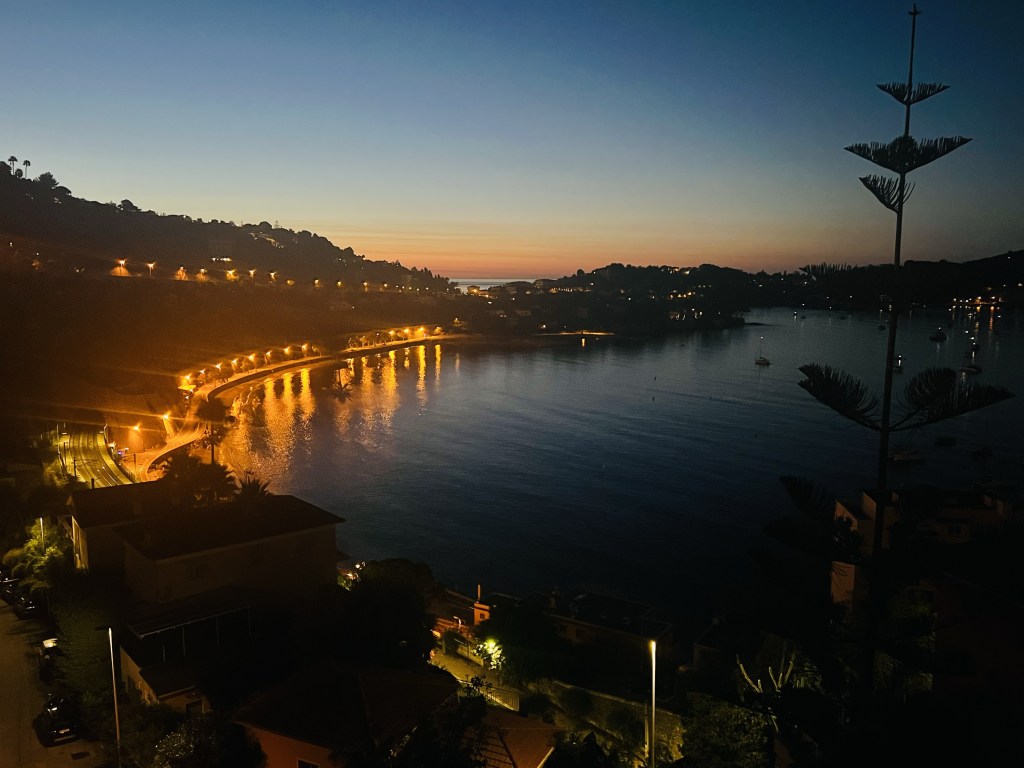
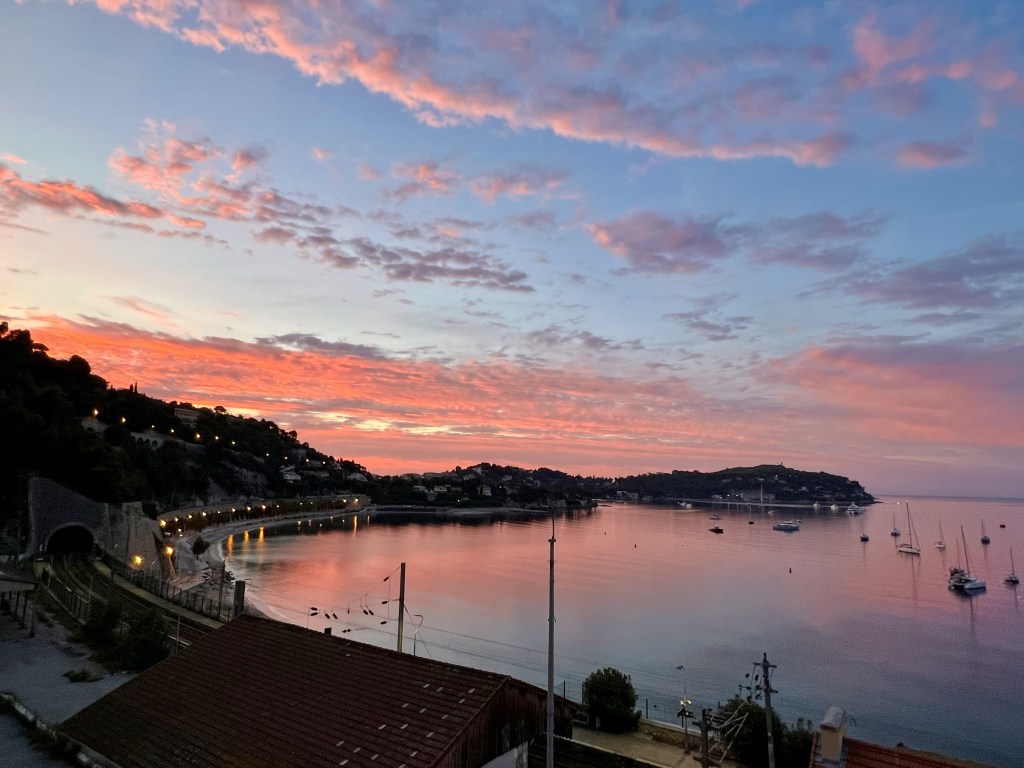
As usual I woke before sunrise… I can actually clearly see the colour gradually creeping into the sky as I lie on the sofa bed in the living room.
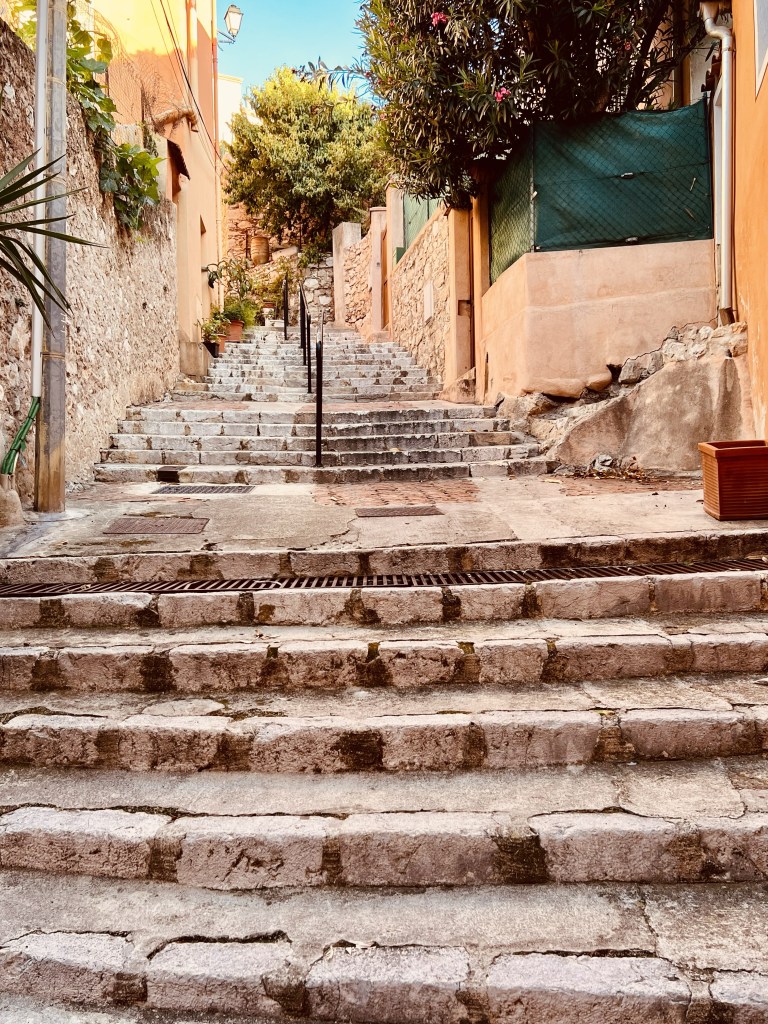
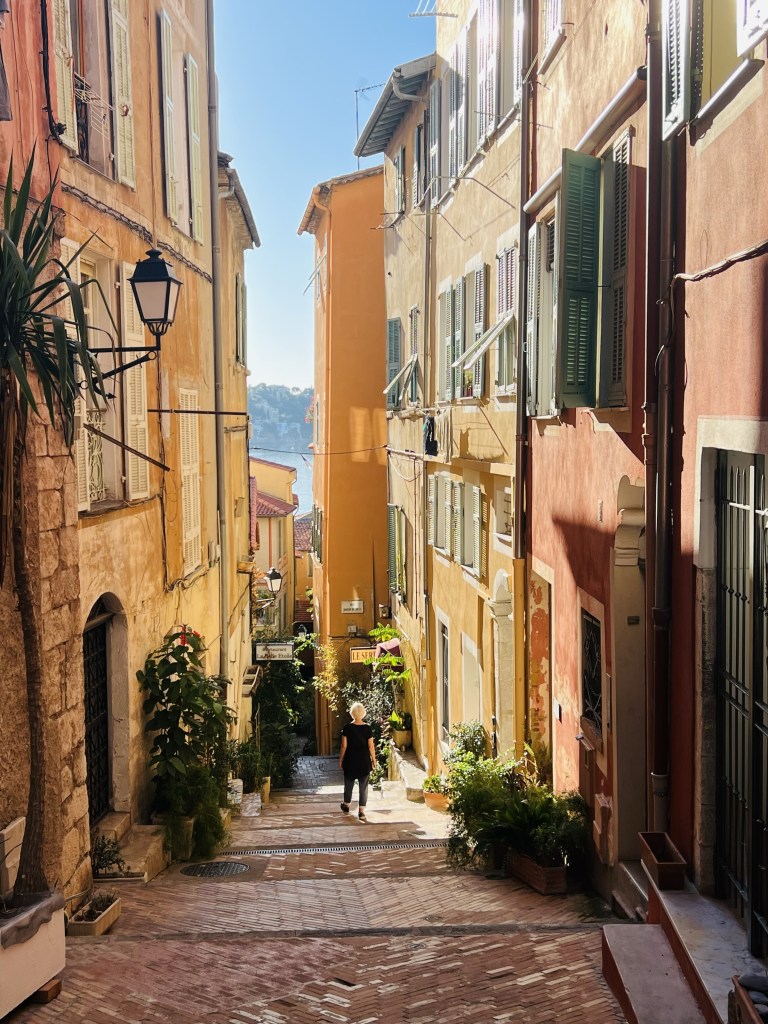
So I get up for my morning walk, eager to explore this new place… and each morning I head for a different part of town. Villefranche has a picturesque Old Town (Vieille Ville), built on a terrace overlooking the sea with a labyrinth of streets and laneways with never-ending steps that are perfect for exploring.
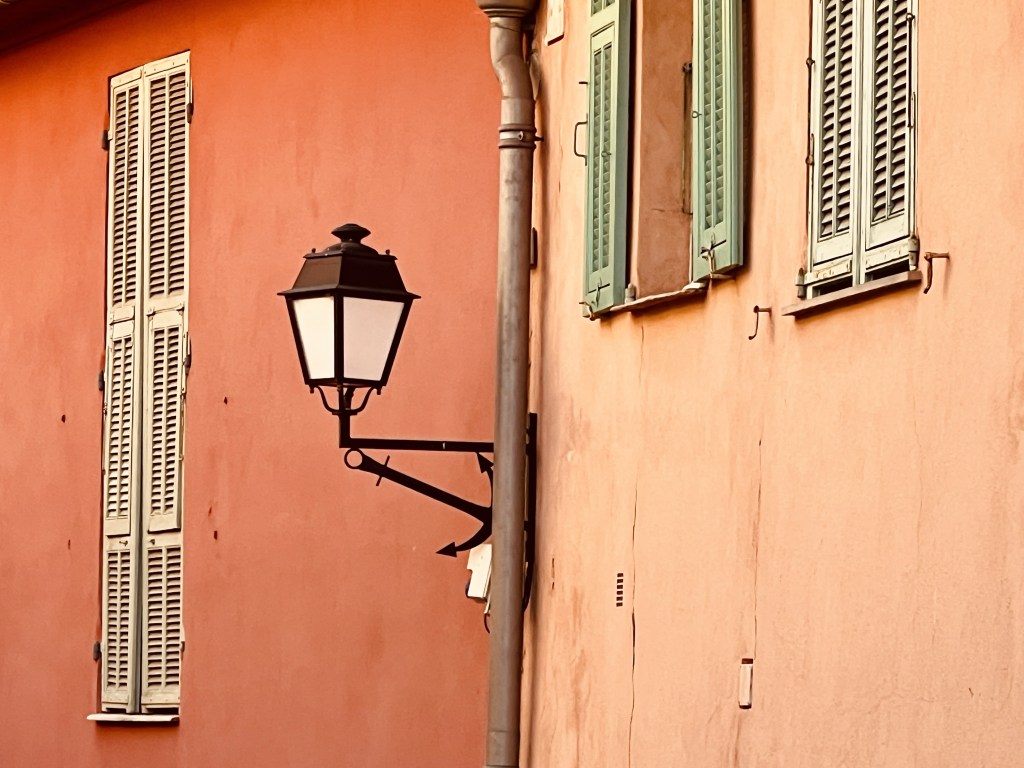
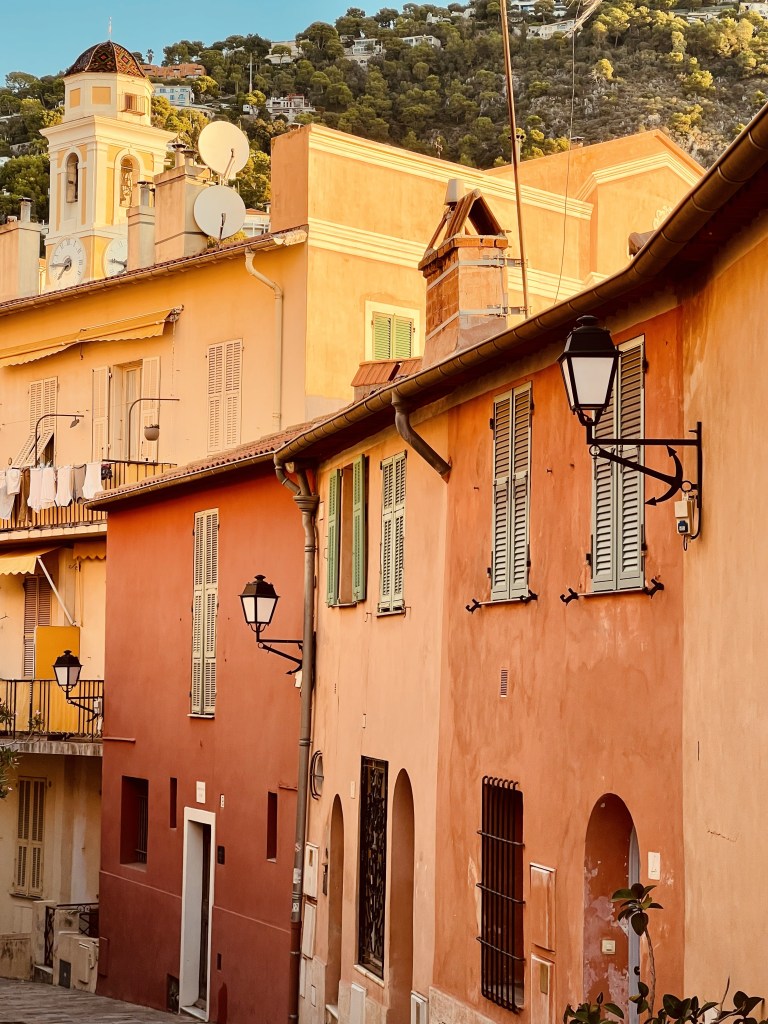
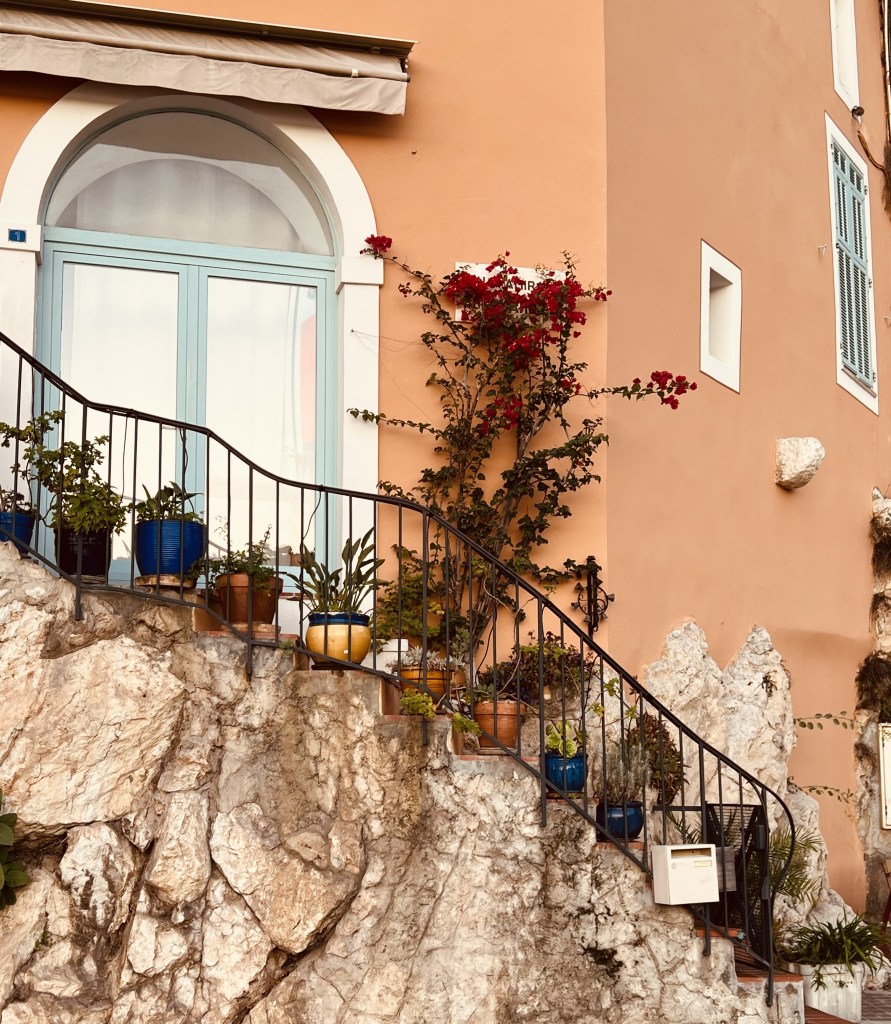
Think cobblestoned streets, pastel colored shutters complementing the colorful houses…
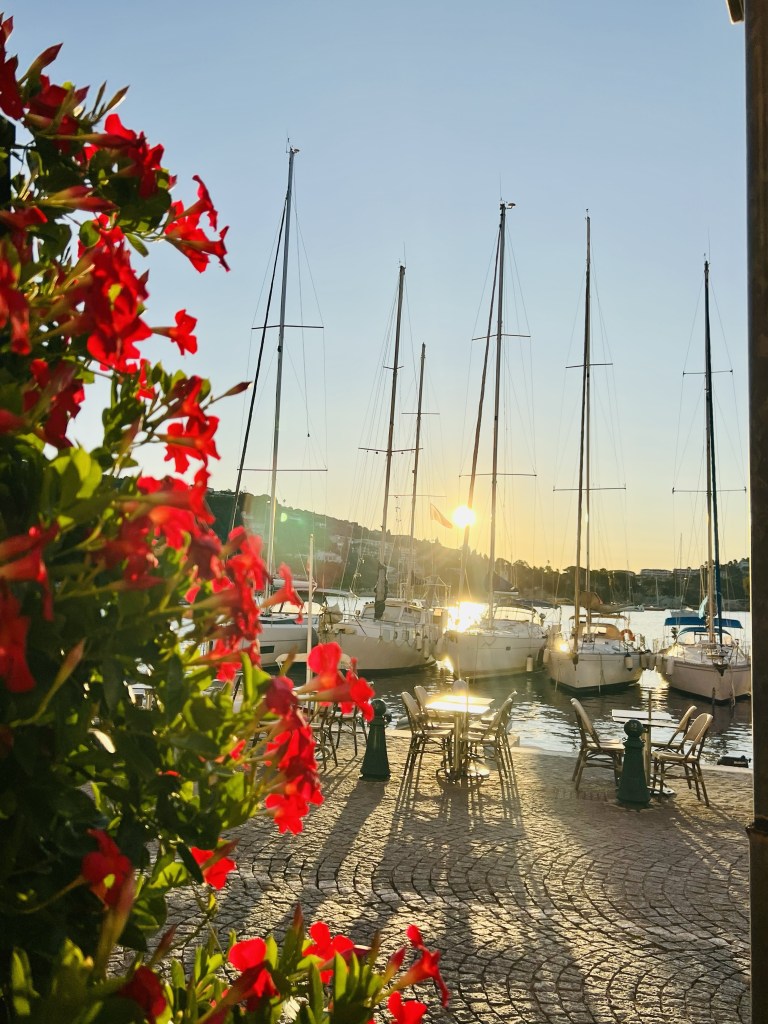
… sailing boats bobbing in the harbor and the relaxed atmosphere of the Mediterranean Sea.
Add in a few palm trees
and slinking cats…
… some ancient fortifications and a few canons for some history…
… and some modern sculpture for good measure.
There are none of the bright and beautiful well cared for flower boxes and street decorations of all the previous places we have visited. Here it is much more rustic and lived in… with lots of greenery… and some bougainvillea (sadly past it’s best)… perhaps due to the hotter drier climate.
I miss the flowers but it very definitely has its own charm here and I wandered aimlessly completely lost clicking away and soaking it up.
Our little tapas restaurant from our first night here
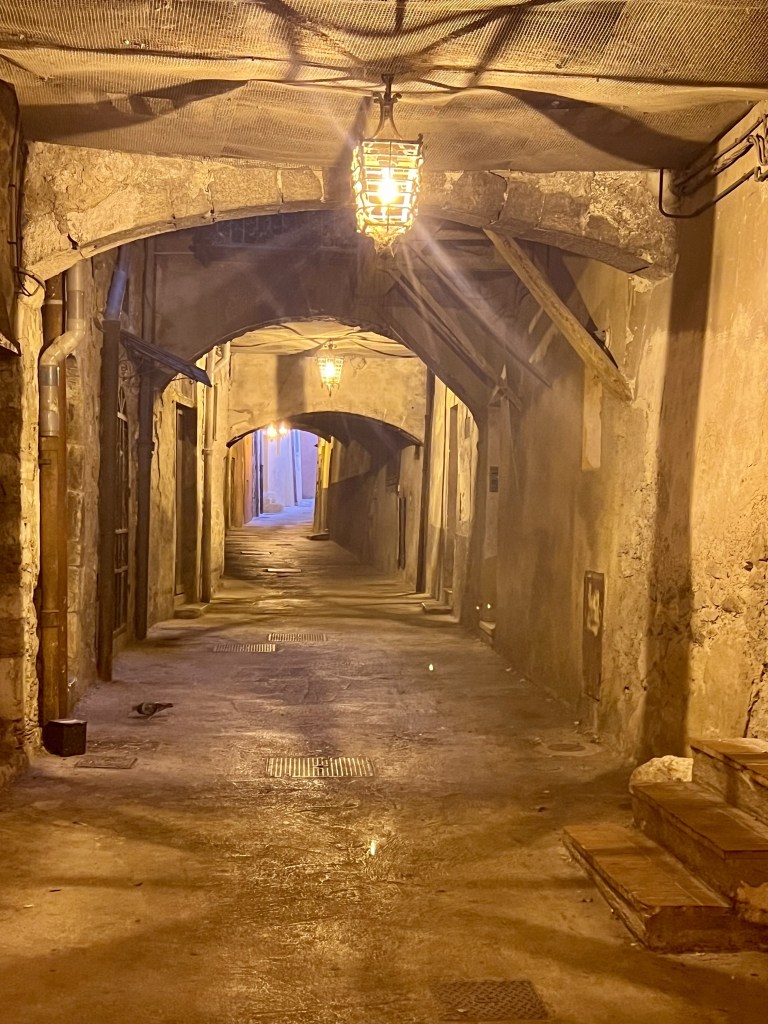
I found this cool old passage under the buildings, the Rue Obscure, which almost felt bit creepy and has a very medieval atmosphere. Apparently it was used as a bomb shelter during the war.
And while Villefranche sur Mer is home to the second most expensive house in the world- the Villa Leopold, built on the orders of the King of Belgium, Leopold II, and worth around $750 million…
…the town still feels authentic and not like you’re living in an episode of homes of the rich and famous.
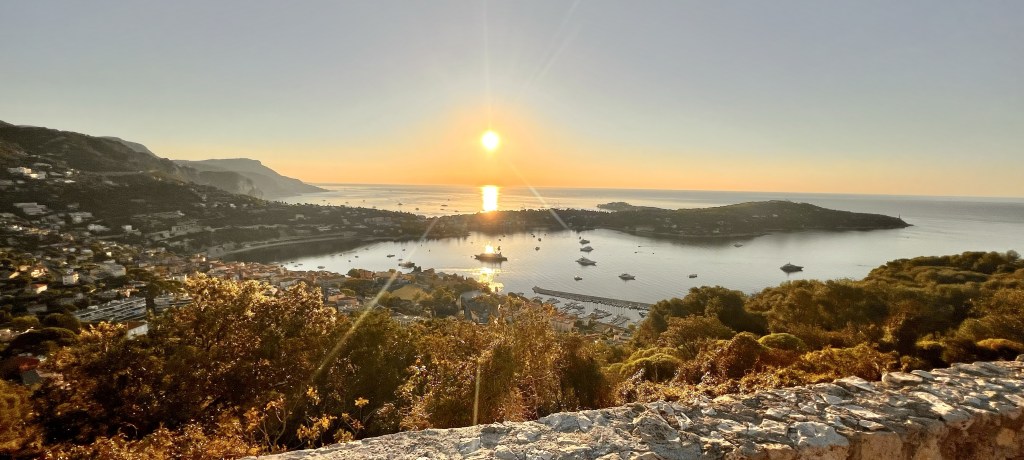
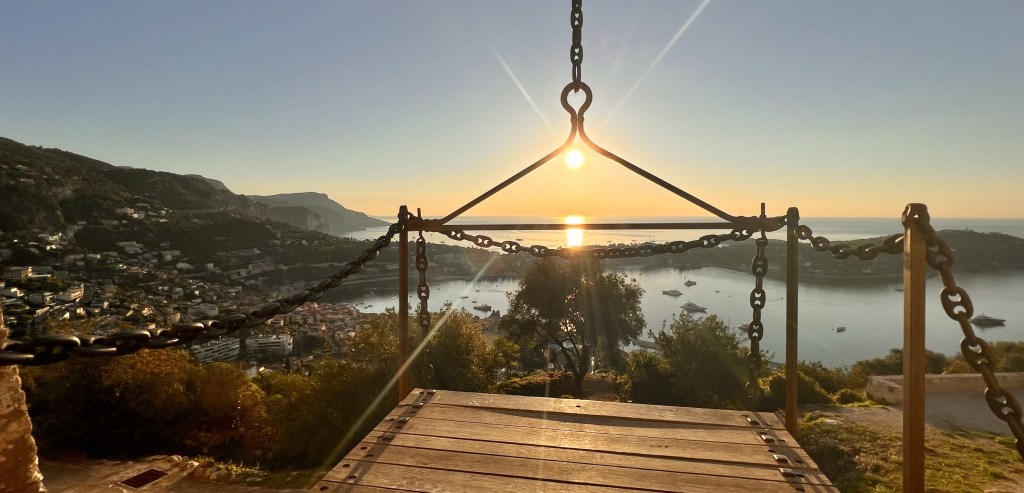
On another morning I visit the colossal Saint Elme Citadel, which is a stone fortress from the 16th century that rises up from sea level and extends up the hill and has beautiful gardens. It guards the natural harbour of Villefranche, the deepest on the Riviera, called La Port de la Darse. It’s got the best view in town, as it’s high enough to look out across the bay, the town, and the coastline of the Cote d’Azur. Perfect for sunrise!
… and it has a beautiful garden…
I also checked out the Fort du Mont Alban… a sixteenth century military stronghold on the cliff top overlooking the sea and surrounding peaks… and I’m always a sucker for high places.
Had to climb 7000 steps to get there… actually, that’s just what it felt like but it was 734. And it was definitely worth it for the spectacular views of Nice…
… Villefranche and the entirety of Jean Cap Ferrat.
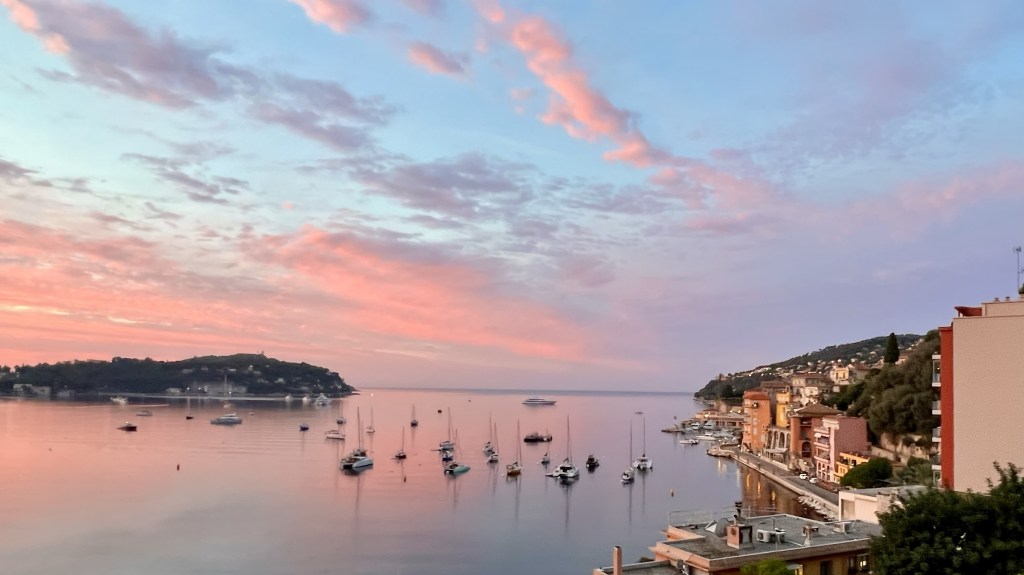
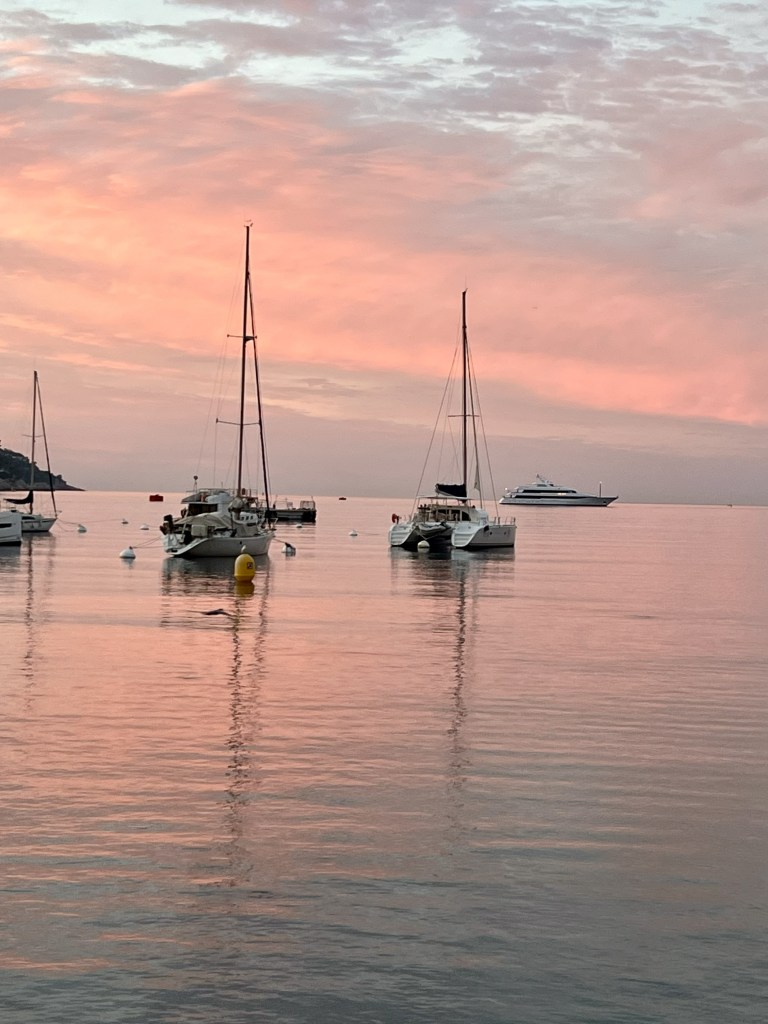
Woke up one morning to the most beautiful pink sunrise…
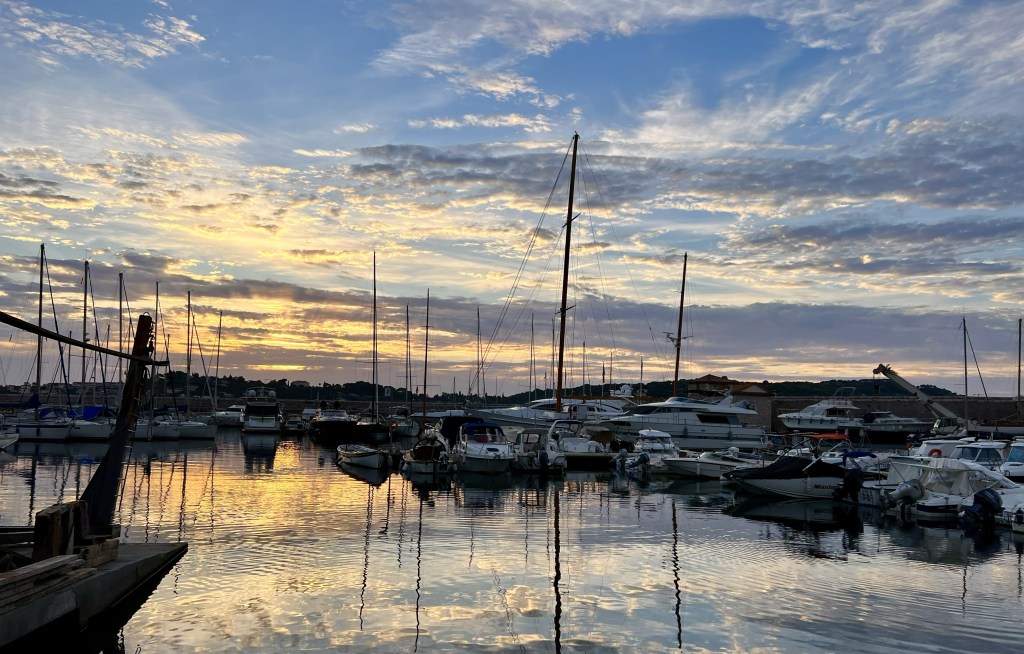
… and headed out to the little local seafront port… delightful with crusty fishermen, actual fish in the water and lots of little colourful boats- not nearly so glitzy as many of the other Côte d’Azur harbours.
Wednesday morning we visited the weekly farmers market and picked up a few bits and pieces to have for dinner tonight as nowhere in town has the amazing view we have… so why not stay in, drink something chilled on the balcony and enjoy some local produce.
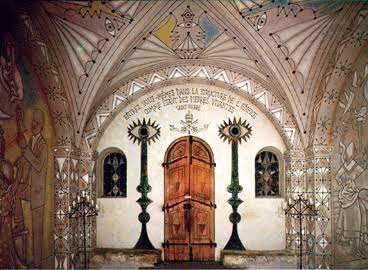
While in town for the market, we visited the 14th century Roman-style Chapel dedicated to St Peter, the Patron Saint of fishermen… and its stunning decoration by Jean Cocteau… very cute.
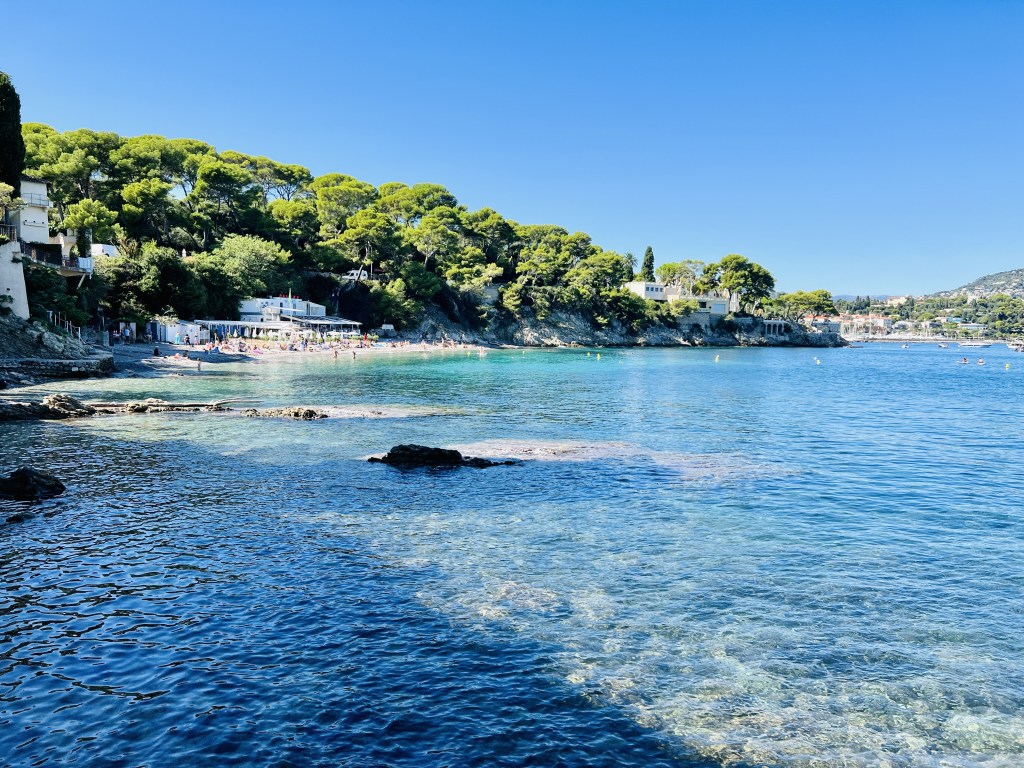
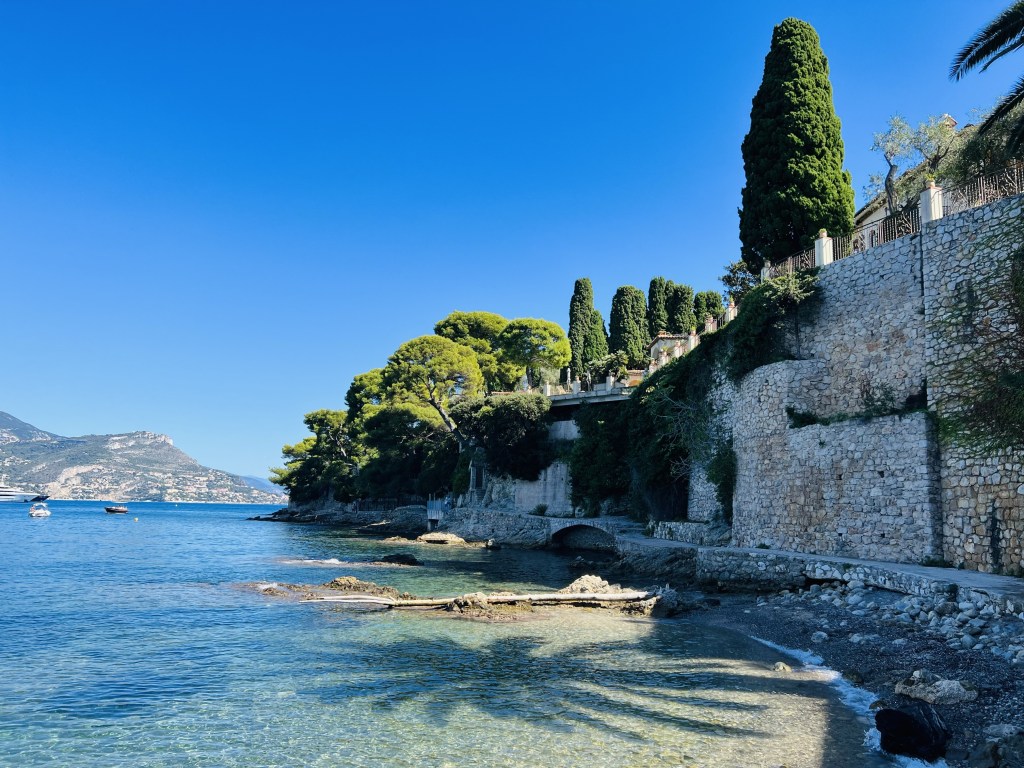
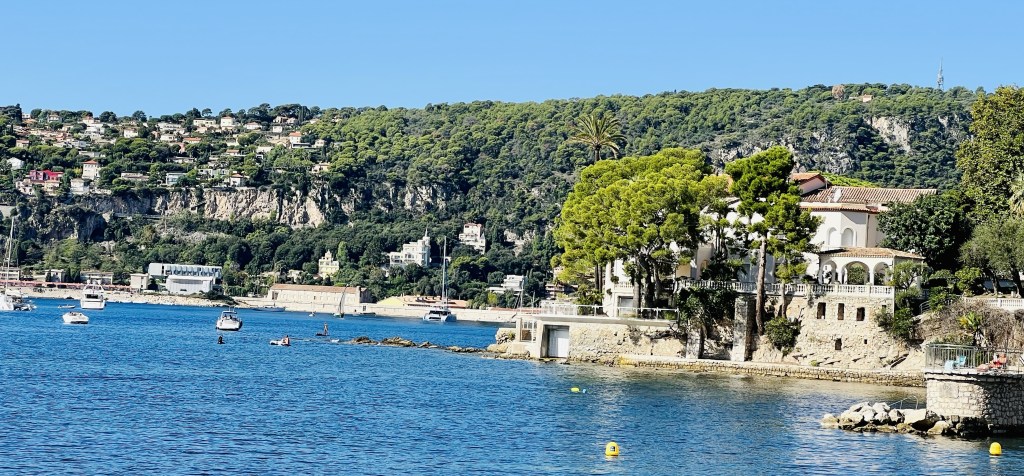
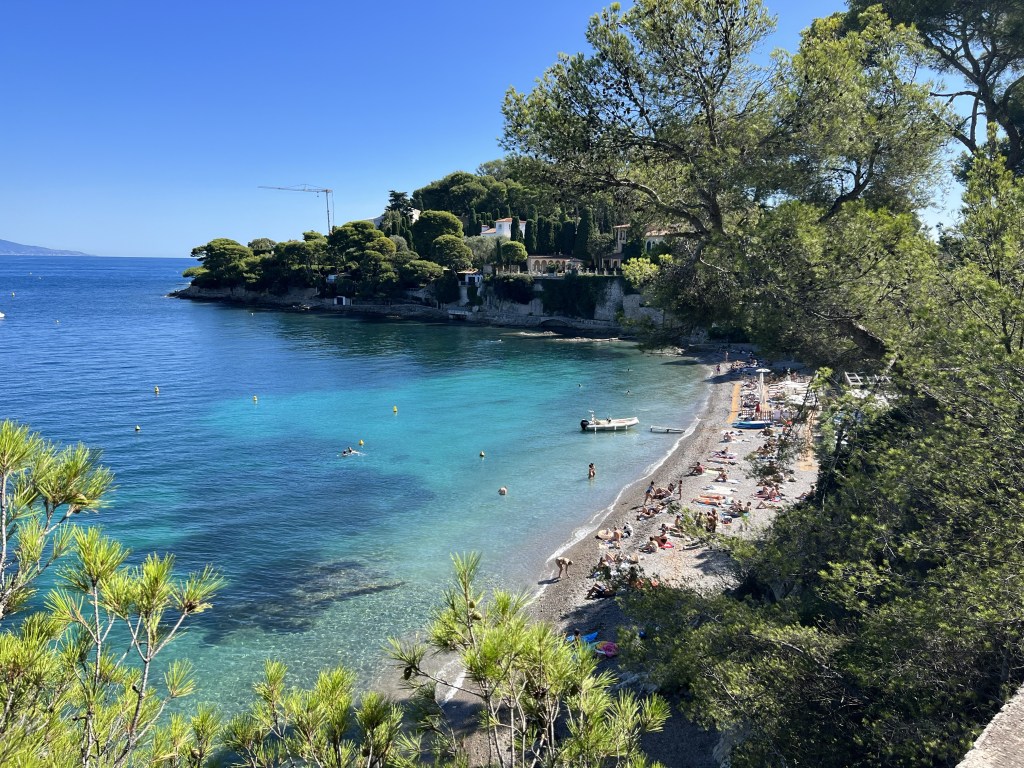
We walked to Jean Cap Ferrat- the little peninsula that we can see from our apartment that extends out and helps create the harbor of Villefranche. Once a fishing village, Ferrat is now considered one of the most beautiful towns in the south of France. A place of quiet elegance where time seems to slow down… full of beautiful villas and palms and surrounded by the crystal clear turquoise waters.
We strolled the gorgeous Sentier Du Littoral coastal path- a scenic coastal trail that wraps around the entire peninsula and features stunning views of the Côte d’Azur’s sparkling waters…
… rocky cliffs, vegetation and one of its most beautiful harbors.
We found a spot to lay our towels and rest on the beautiful but pretty crowded, pebbled Paloma Beach known for its views of the nearby greenery, gorgeous houses and neighbouring Bealieu-sur-Mer. As we lay on the beach listening to the sound of the lapping waves, it reminded me of being at my mum and dads place back in Sydney that always had that Mediterranean vibe.
Later continued on to Plage de Passable…
…and then back into the cute village of Saint-Jean-Cap-Ferrat …
… with its very pretty port with many expensive looking boats where we stopped for a bite and glass of wine.
It was a long walk back to Villefranche but on the high road this time with the most spectacular views…
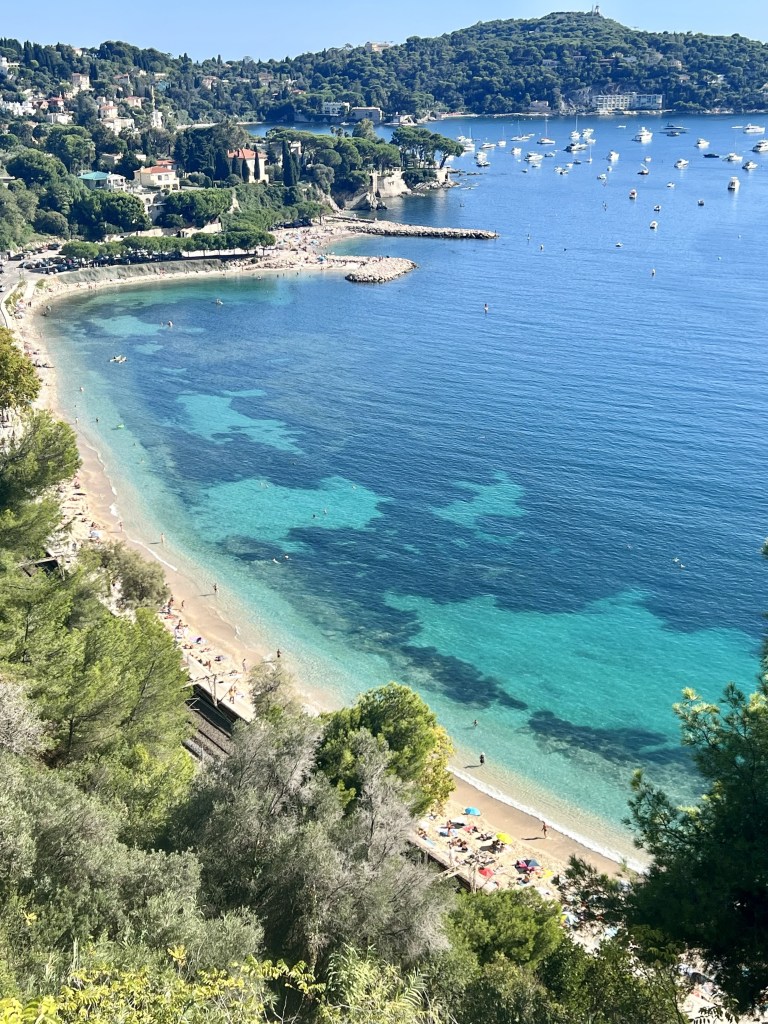
Looking from above our beach looked very inviting…
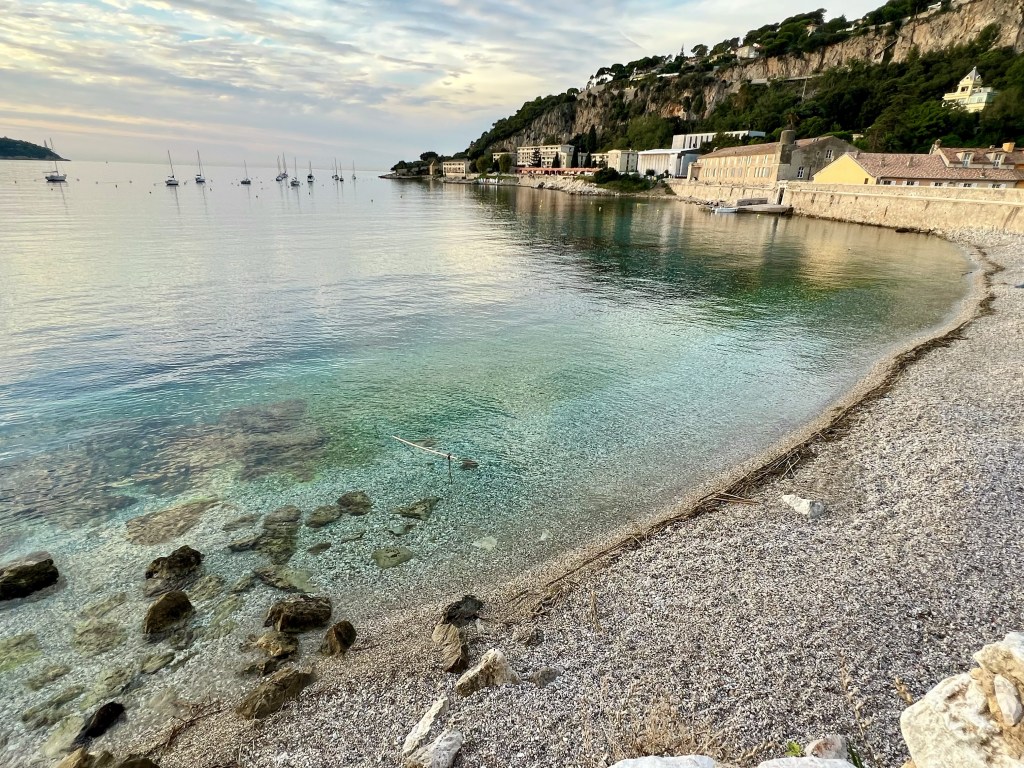
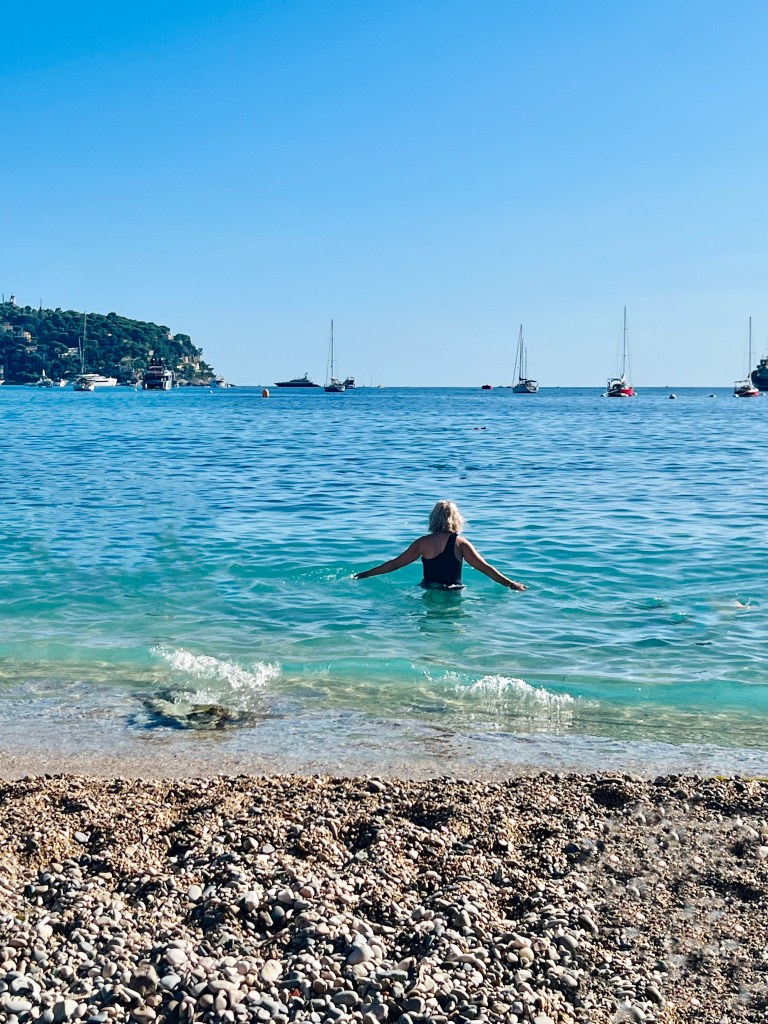
… and after the walk, we very definitely needed a swim. Our small seaside promenade leads onto a clean pebble beach… not sandy like at home (we’re very spoilt), but also not rocky as it is in other places- instead there is a fine gravel where you can walk freely without water shoes that you need at many Mediterranean beaches. Cool, clear and refreshing- just what we needed after a day of adventuring.
After a week here staying in our little apartment with the spectacular view, soaking up the sun, adventuring and exploring the amazing region, we are so happy that we stayed here… a little away from that glitz and glamour of Monarco or Nice. But so much life and character… gorgeous views of the glittering sea… the wonderful colours of the buildings as they cascade down the hillsides… amazing little restaurants like the little tapas bar we went to on our first night and returned to twice…
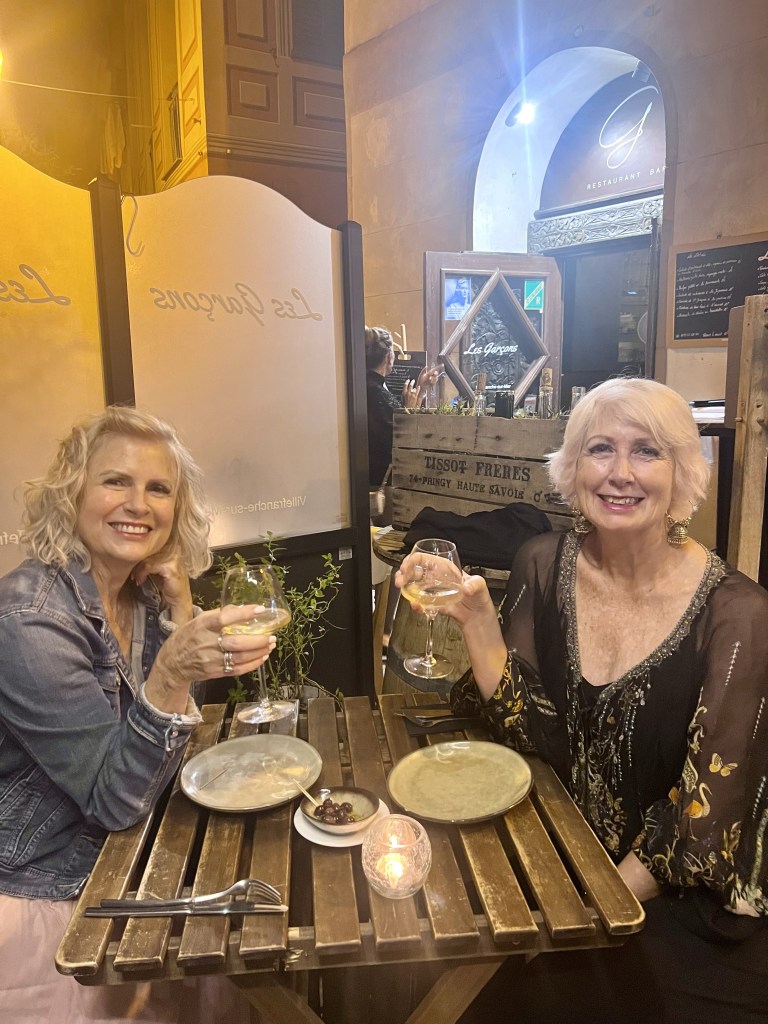
… with delicious food, our favourite wine since we left home and wonderful service especially from the beautiful young Mae who just celebrated her 21st birthday and looked after us so well. Farewell Villefranche sur Mer- you’ve been wonderful… but it’s time for new adventures… in Provence.
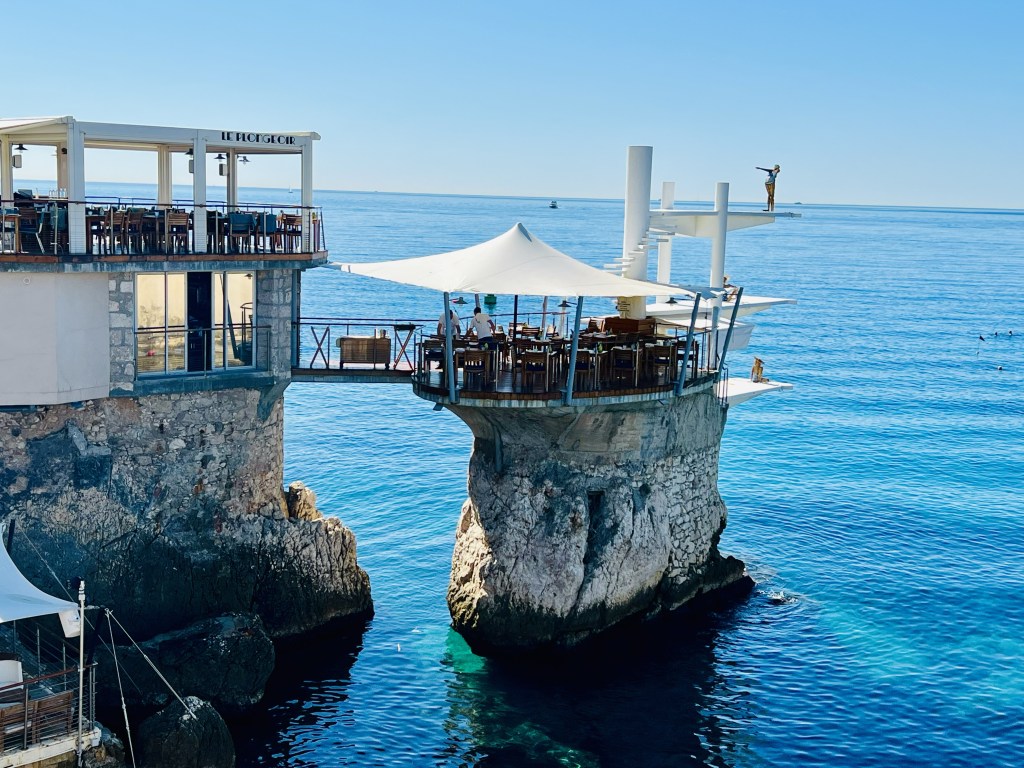
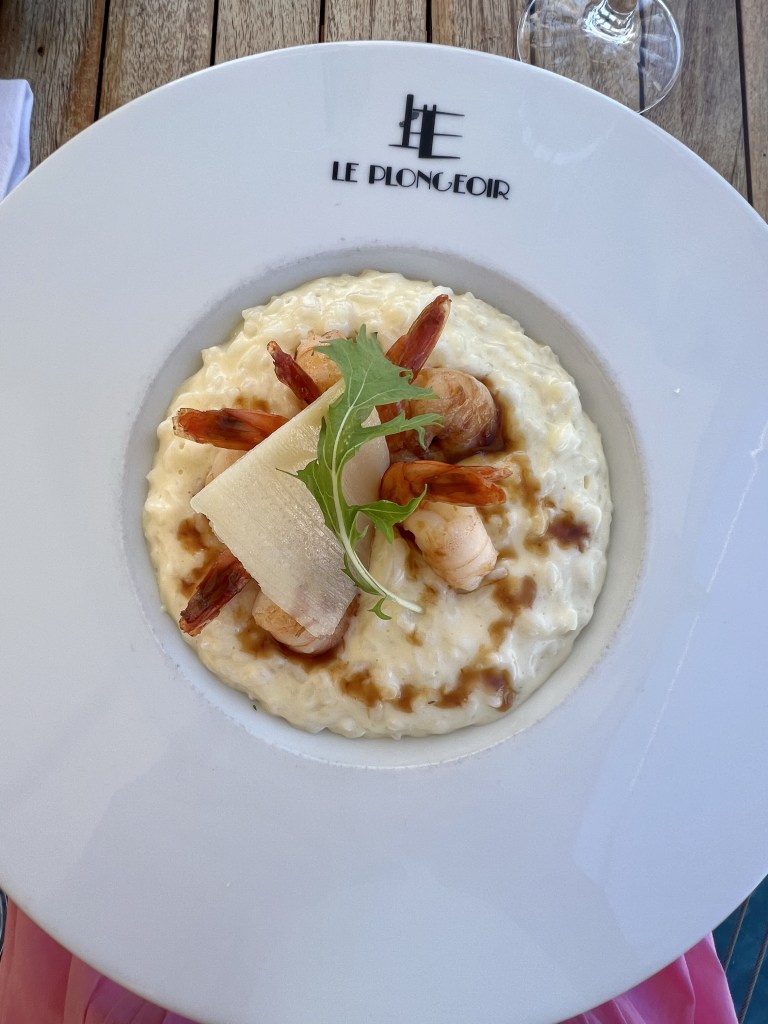
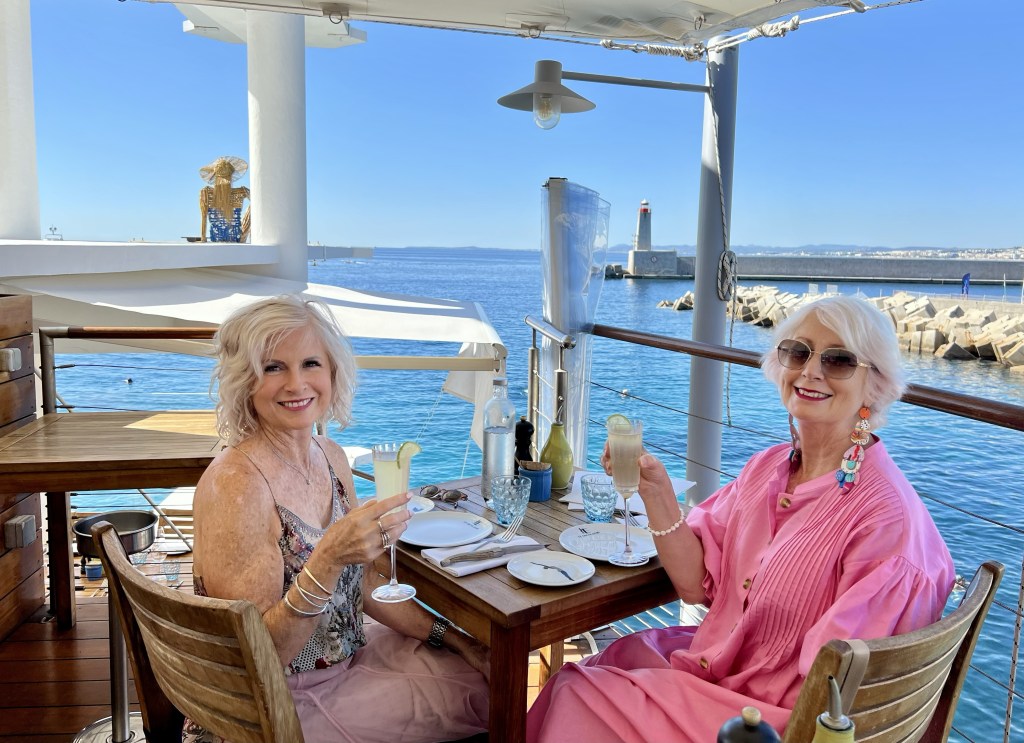
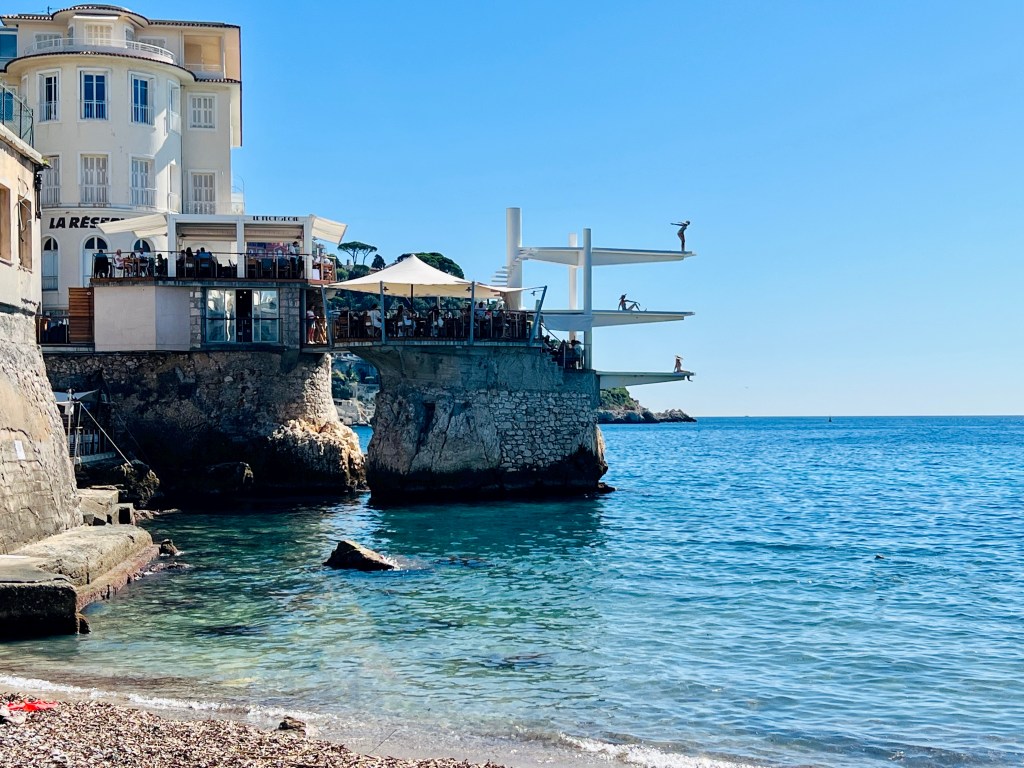
Nice is another charming city in the French Riviera- the biggest and one of the most famous. This in itself made me nervous about visiting as I don’t tend to like the bigger cities… but there was intent in this visit. I had seen a restaurant on social media a while ago that appealed to me and had made a booking for lunch at Le Plongeoir… which literally translates to ‘the diving board.’ The restaurant occupies an iconic location in Nice, hovering above the sea on the famous pillar of rock and the base of the diving boards themselves, the restaurant welcomes you in this most unusual setting, steeped in history.
The colour of the water was actually pretty insane
I was pretty excited about this one… and was not disappointed. I don’t think you could go anywhere with better views or location… delicious food…
awesome cocktail (couldn’t stop at one)…
… and great service. Felt very privileged as we sat and enjoyed the moments and had a very memorable lunch.
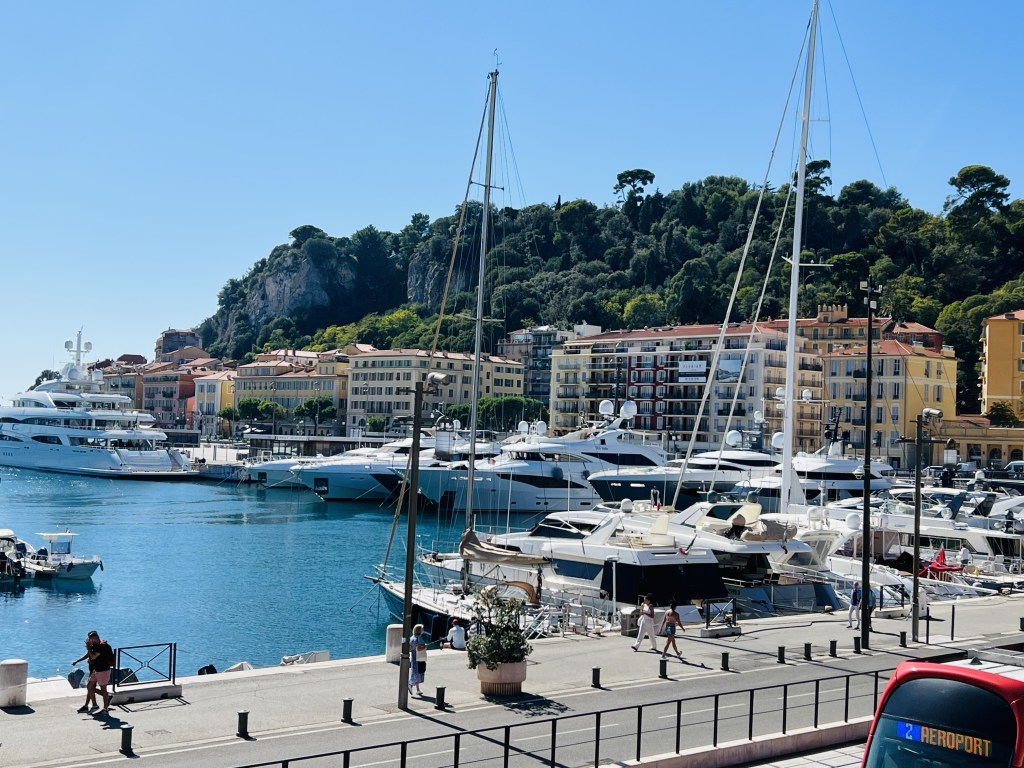
So we figured that while we were here, we may as well look around. There is more to Nice than the world-famous shoreline… it is a city filled with history, culture, and art. So we walked past the harbour…
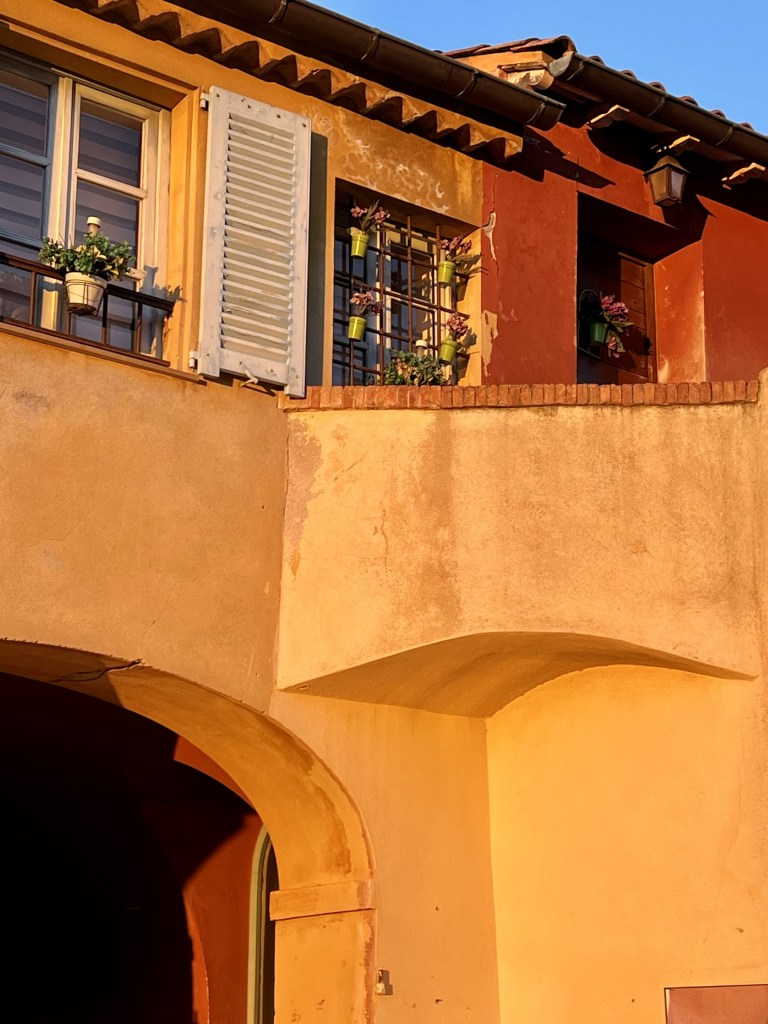
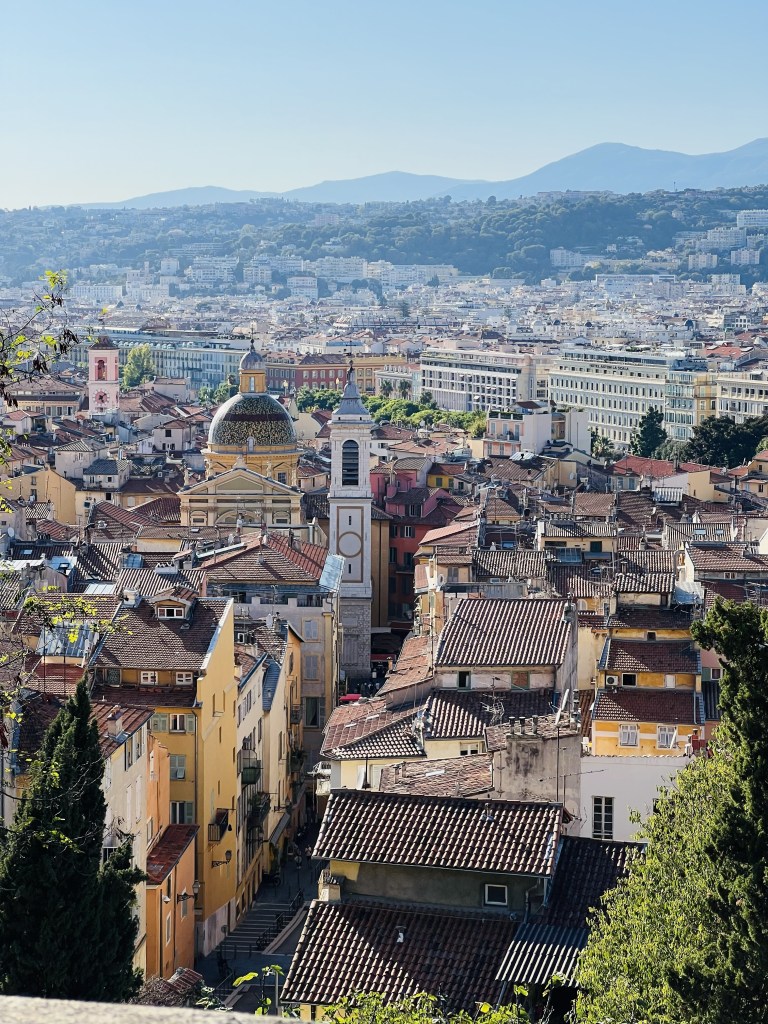
… and of course we headed first for the beautiful Old Town (Vieux Nice)… apparently a favourite with locals and tourists alike… as there’s few things I like as much as wandering an old town… colourful facades painted in orange and yellow hues…
… winding cobblestone streets, shaded alleyways, historical buildings and churches, and delicious smelling restaurants. We certainly didn’t need to eat so we wandered around taking it all in…
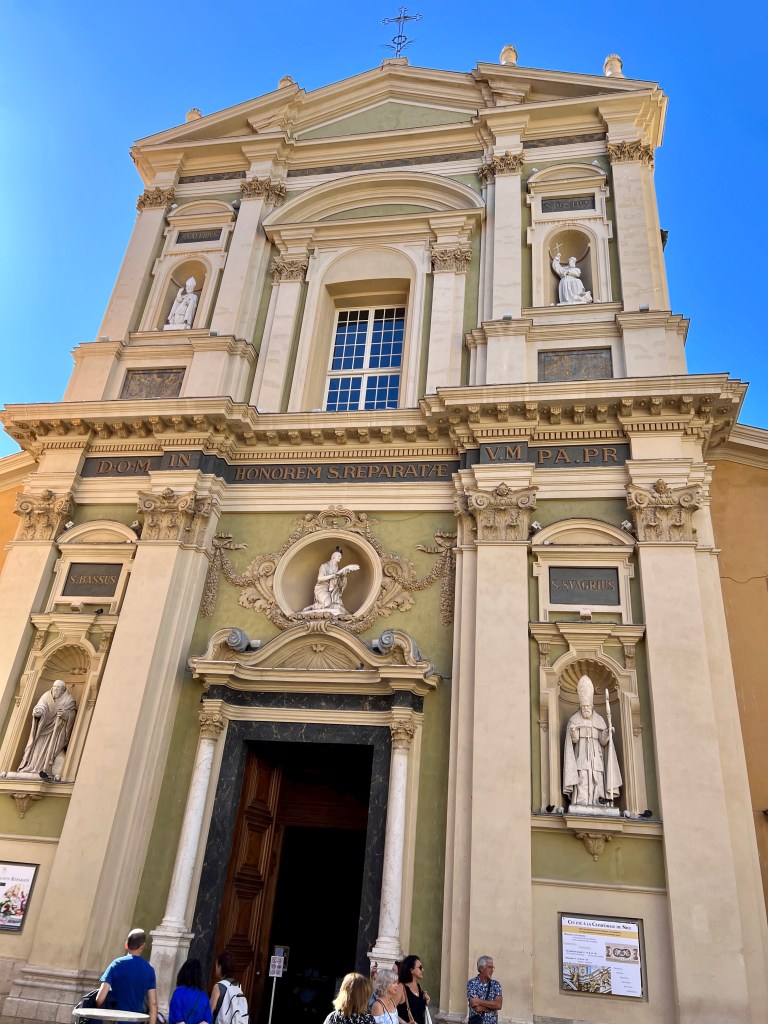
Including a visit to Saint Reparate Cathedral…
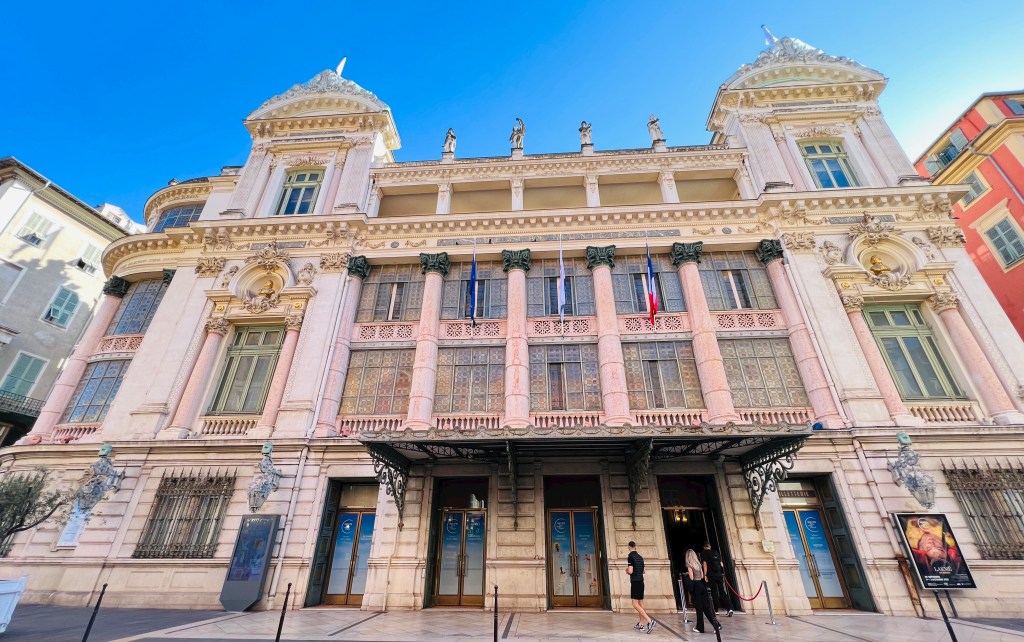
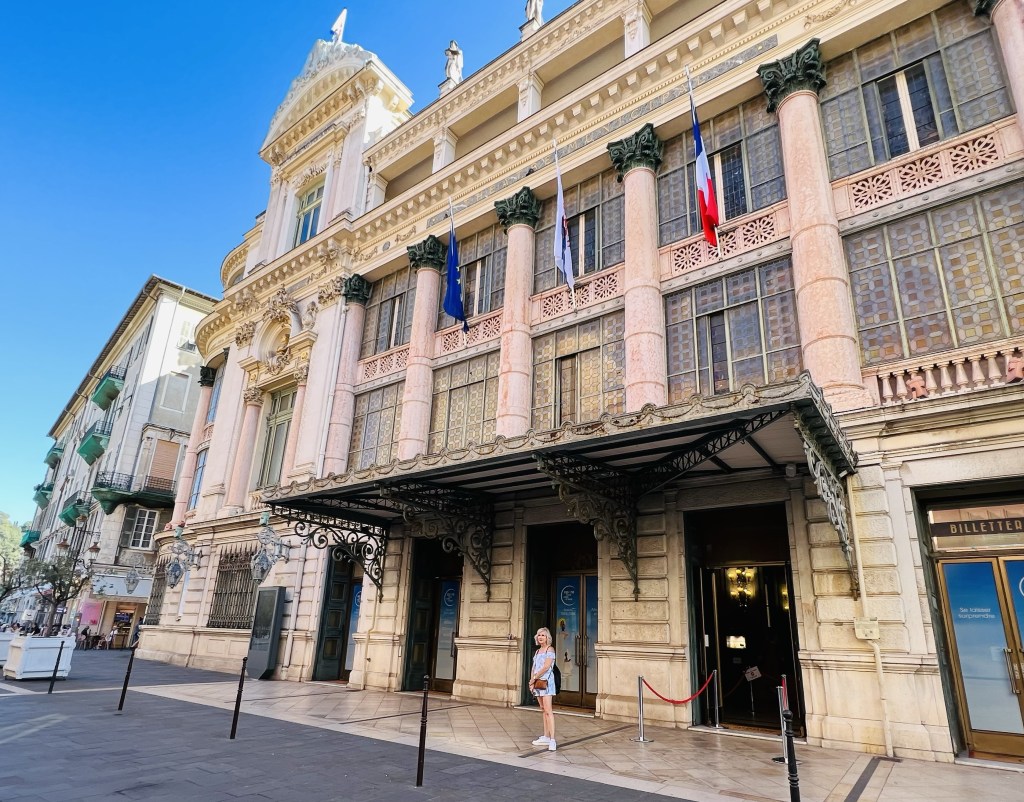
and the Opera.
We particularly wanted to check out the shopping. We were both desperate to buy something cool to wear. It has been so unseasonably warm and I brought nothing summery with me, and Anne had only packed a few bits of pieces… and we had been struggling in the heat… and most shops we’d seen where we’d visited were full of new season winter clothes. Not helpful. But we had done success- we both bough white linen dresses and Anne made a couple of others purchases too.
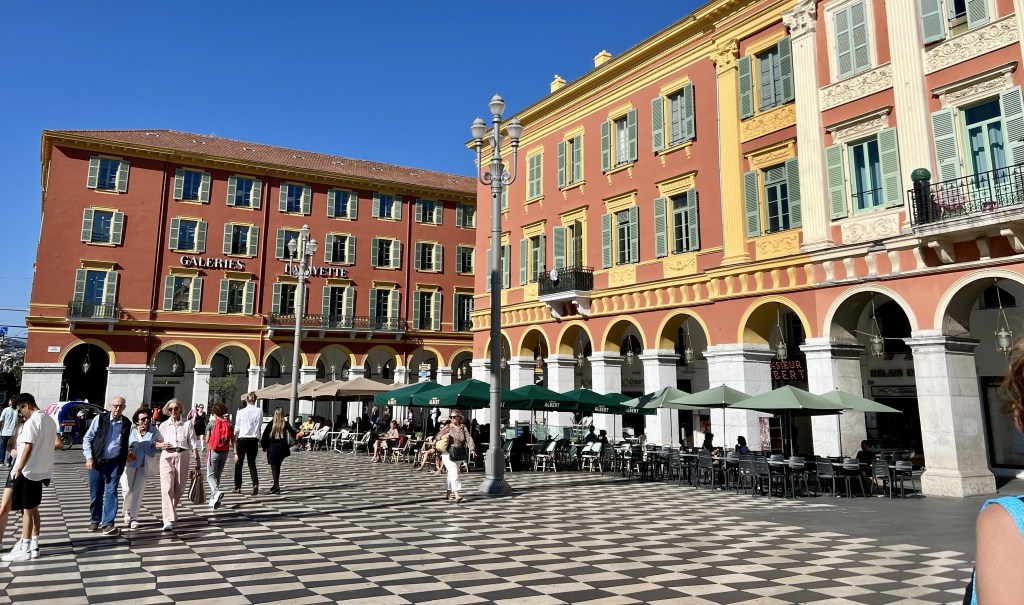
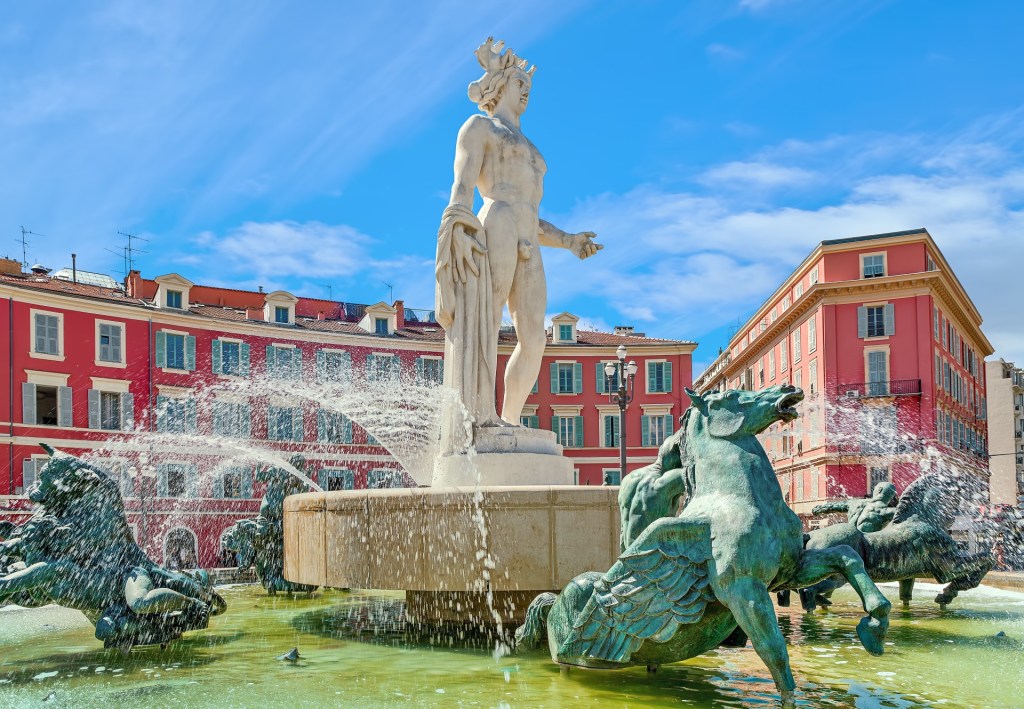
We wandered all over the place enthralled at the stunning facades of so many of the buildings, the gorgeous squares, fountains and gardens… including the Place Massena with its hypnotic checkerboard tilework, bright red buildings around the periphery, and a large fountain.
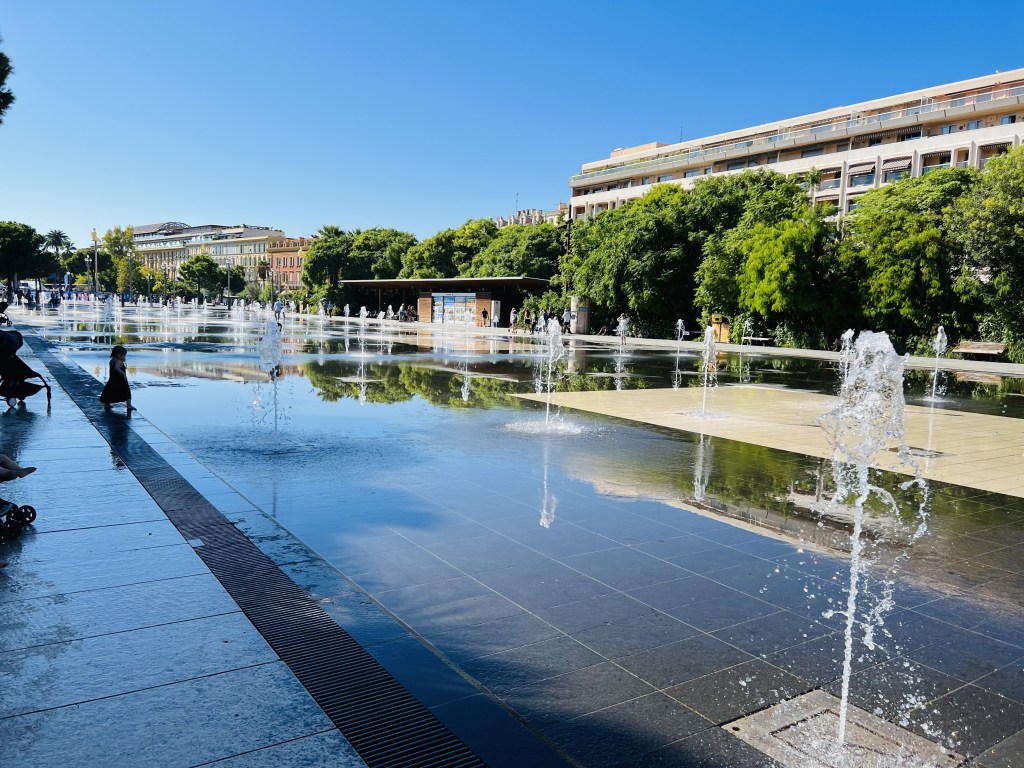
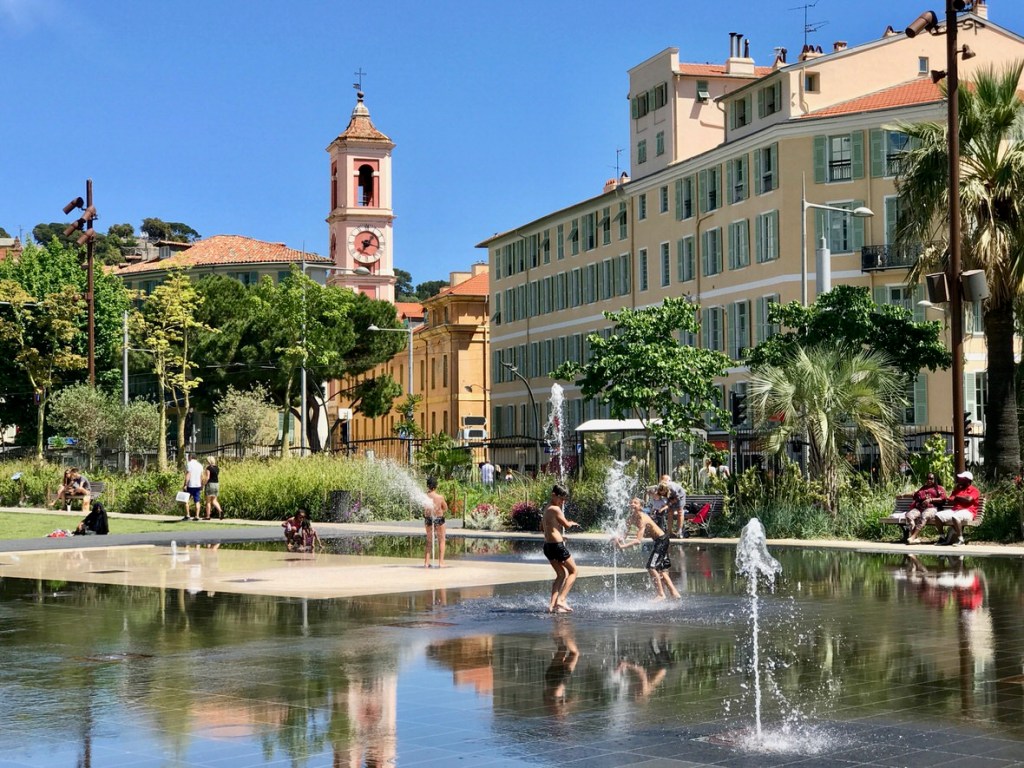
Passed through the Jardin Albert I … a delightful green space where there is an interactive fountain/splashpad area, a fantastically imaginative playground. It was pretty cool.
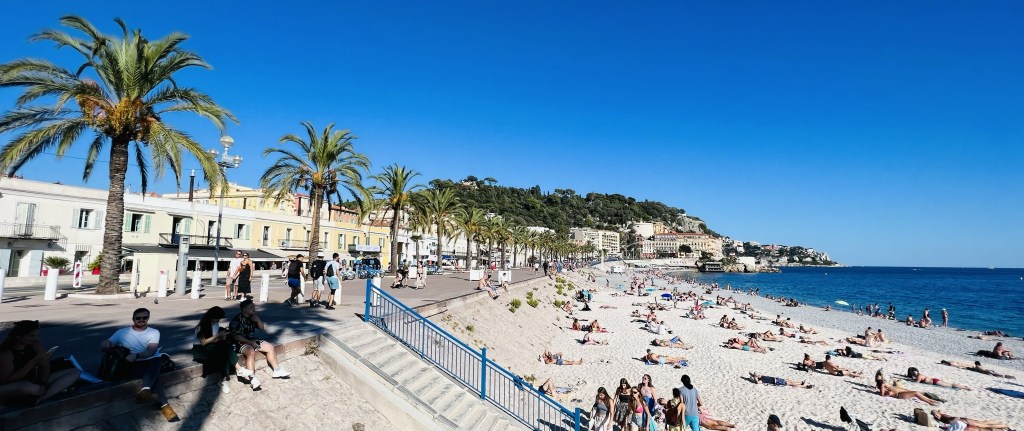
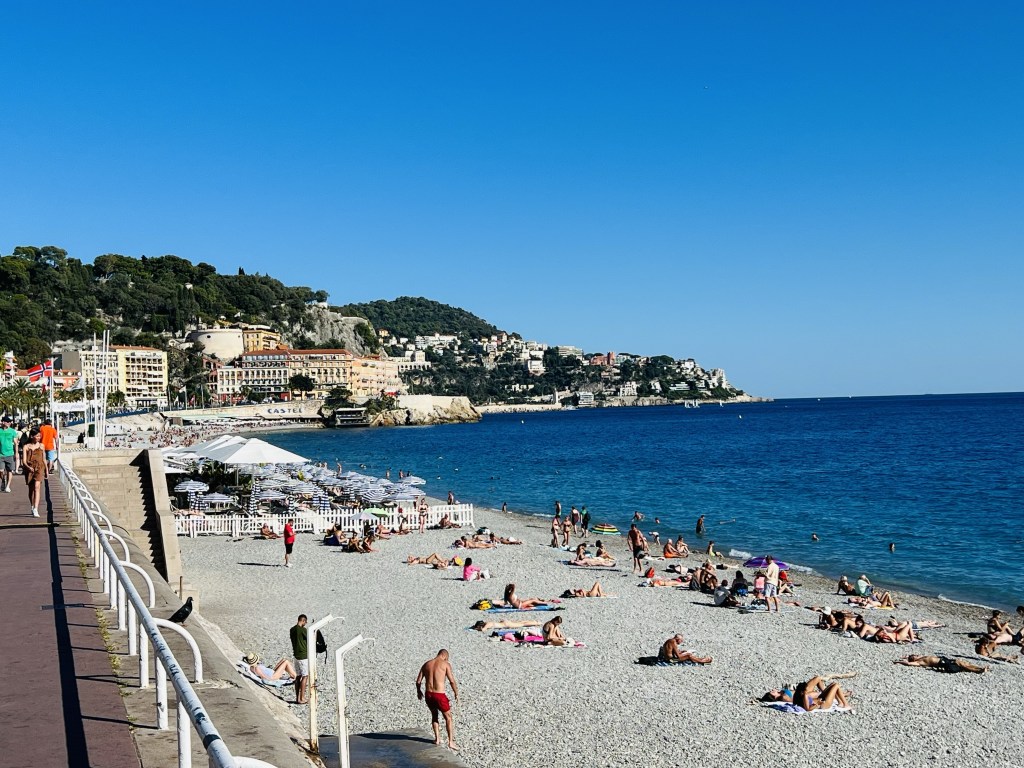
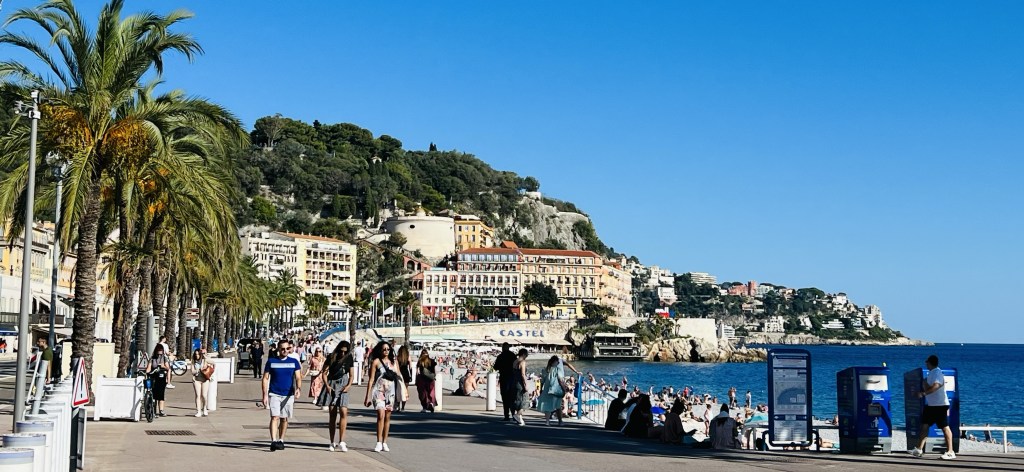
We felt we couldn’t miss that world-famous shoreline and strolled along the Promenade des Anglais (the English Walkway)- a very wide boardwalk right along the Mediterranean. It extends for miles and has access points down to the beaches (which are beautiful, but rocky).
As I’m always after gorgeous views, we headed to the La Colline du Chateau (Castle Hill), first grabbing a crème brûlée ice cream that had been recommended. I wasn’t even hungry but as a crème brûlée lover, I couldn’t leave Nice without trying it, I can tell you it was to-die-for! With actual chunks of brûlée sugar in it!
We were pretty tired by this time and didn’t realise it was quite a big walk up but even though the majority of the castle has crumbled, it is worth walking up to reach the peak of this hill for the sweeping views of Nice along with the Baie de Anges.
We then had to walk back down and a couple of kilometres back to the station and then back up the hill when we arrived back in Villafranche… and we were totally exhausted. I could hardly put one foot in front of the other. Anne had the state of mind to buy some baguette and tomato’s so we could eat something for dinner when we got home- or we would have gone hungry… and I don’t think I would have cared! Nearly 20 kilometres today and I could feel every one. Bed please!
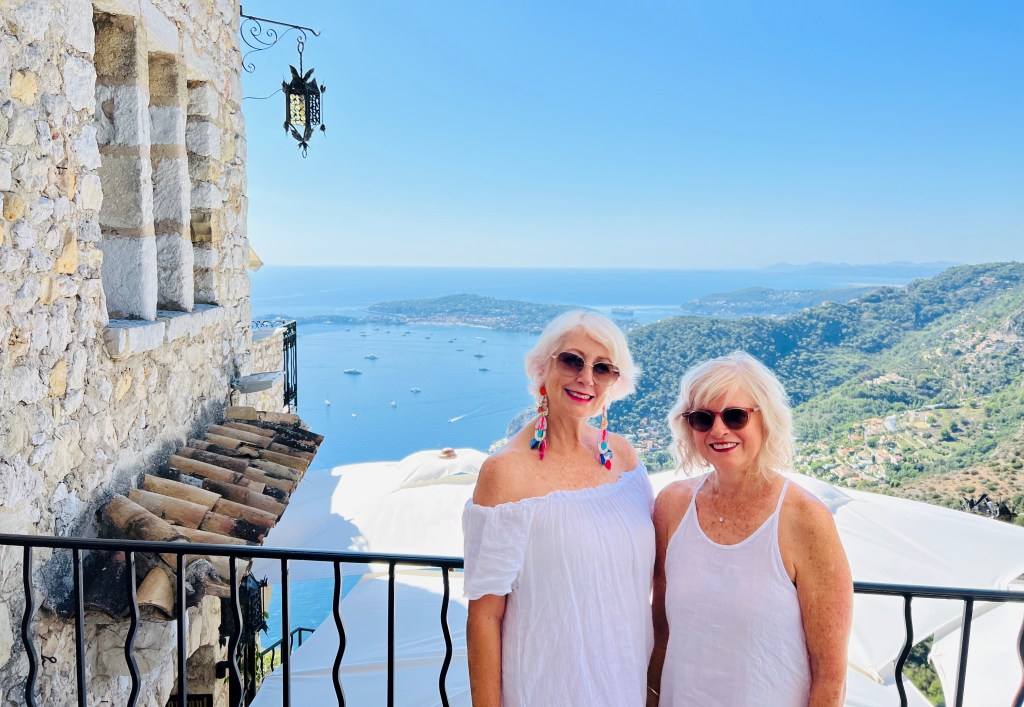
Today I had decided to go to Eze, a charming medieval town perched high on a hill over the Mediterranean, not far from Villefranche, that I had seen pictures of. I was pretty excited about this one… as I just knew I would love it! Anne was planning on having a rest day after our huge day yesterday in Nice, but she changed her mind and decided to come with me. So we donned our new pretty white linen dresses and off we went. An hour after we left home I have no doubt that she wished that she hadn’t!
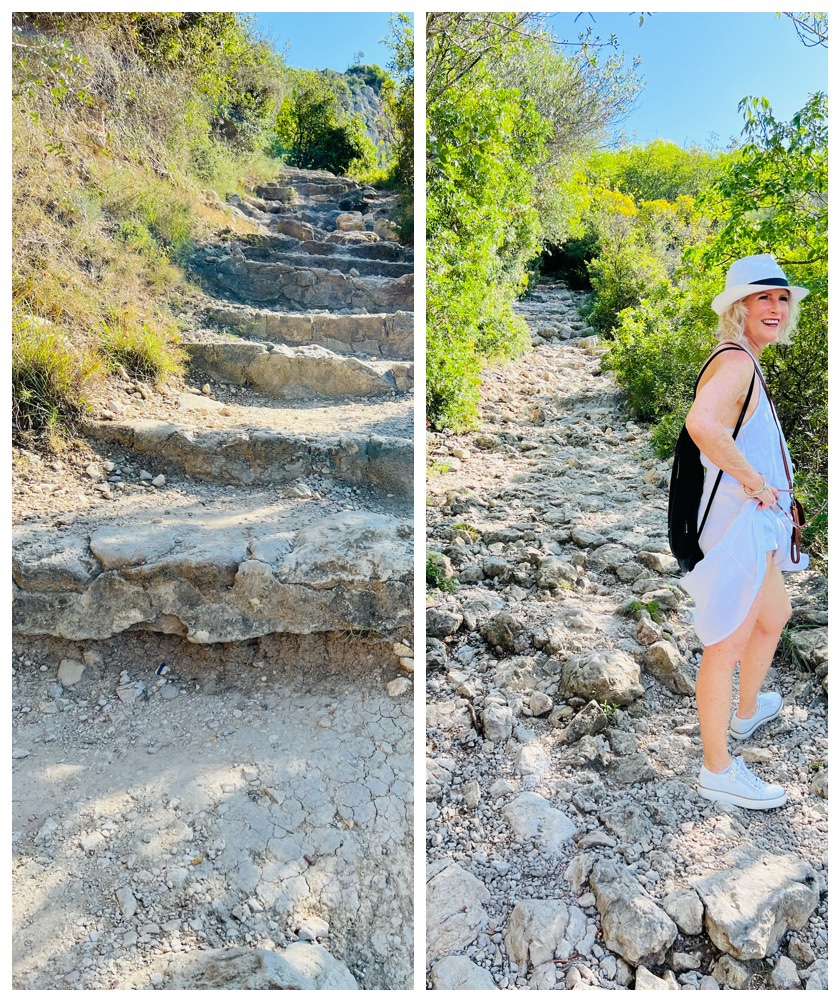
We hopped off the train and somehow decided to do the walk (if I can call it that) up. It’s not really a walk… more like a hike… and it’s not really a path… more like a trail for mountain goats! The distance is about 5km but the elevation of the route is about 500m… straight up! It was incredibly rocky and difficult to navigate in places with very large steps at times and slippery loose stones.
We were taken by surprise with how difficult this ‘walk’ would be and it took us about an hour and a half… in the heat… in our new pretty white dresses 😂. At least we had the right shoes… and awesome views on the way up! (Note to self- when there’s an available bus, sometimes it would be wise to take that option).
But it was totally worth it. My heart was beating out of my chest… and not just from my lack of fitness. This place was stunning… one of the most beautiful medieval towns in France- and yes… we only visit the most beautiful ones!
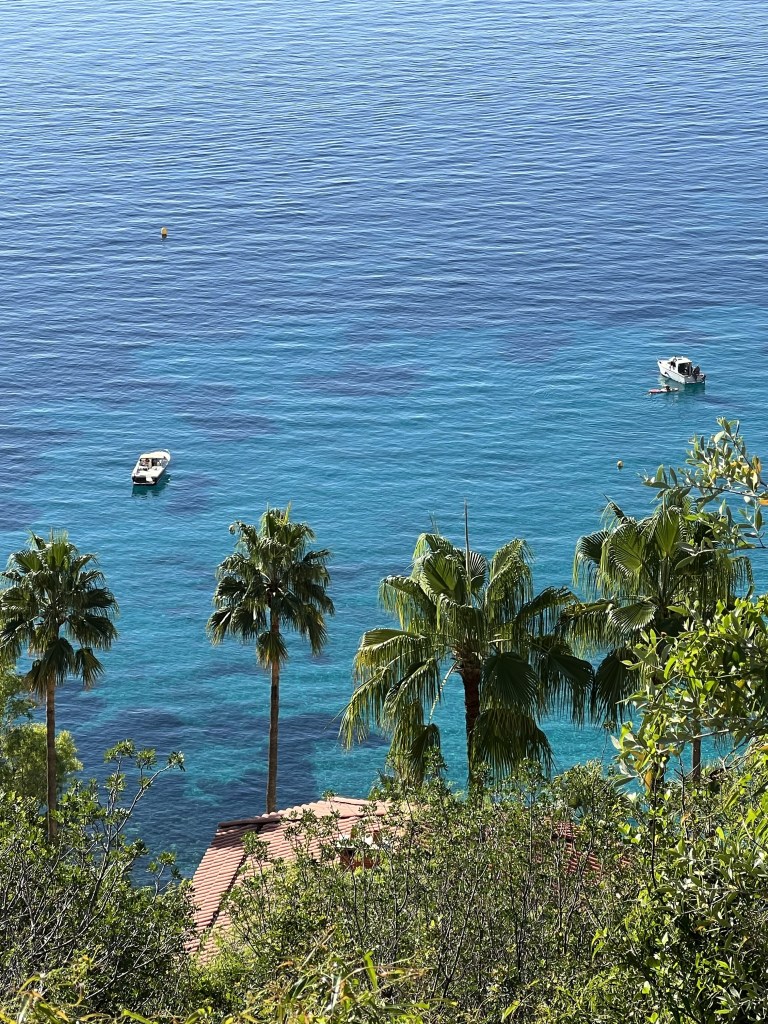
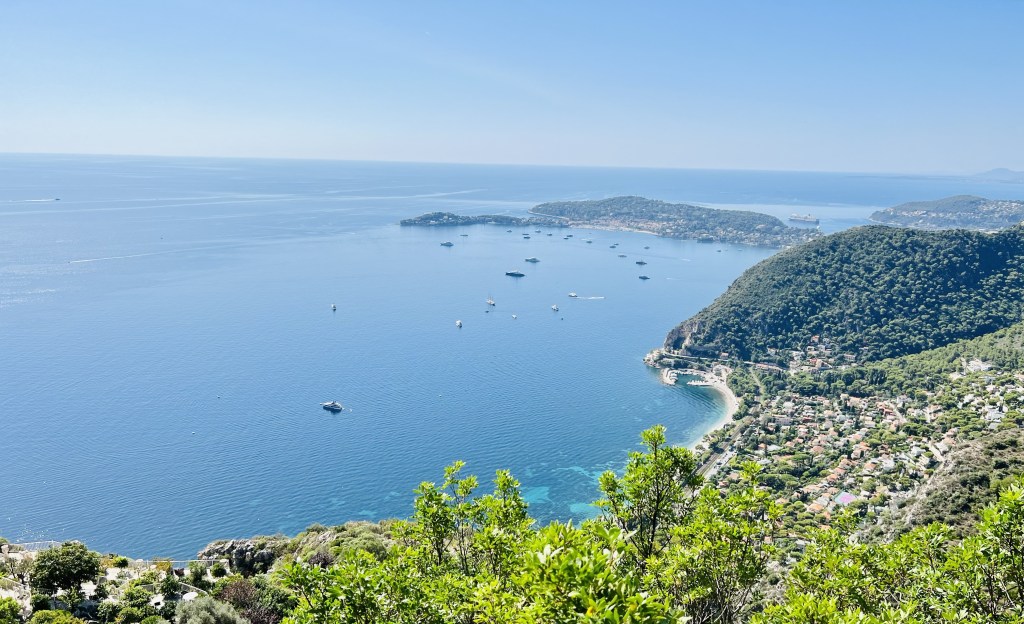
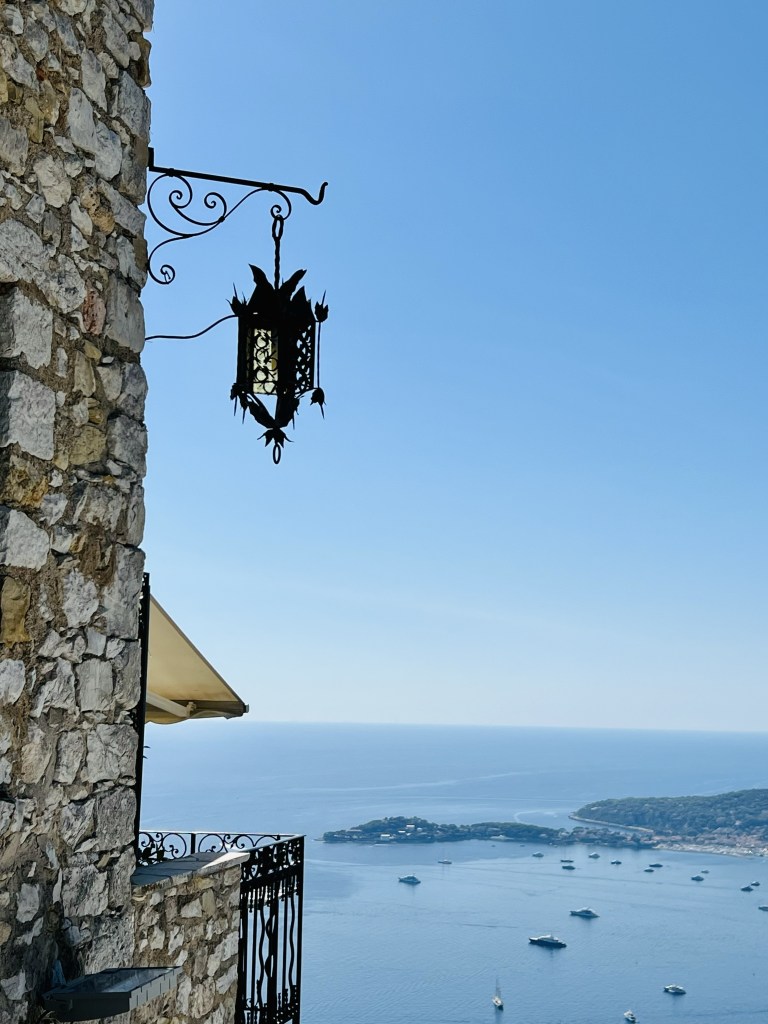
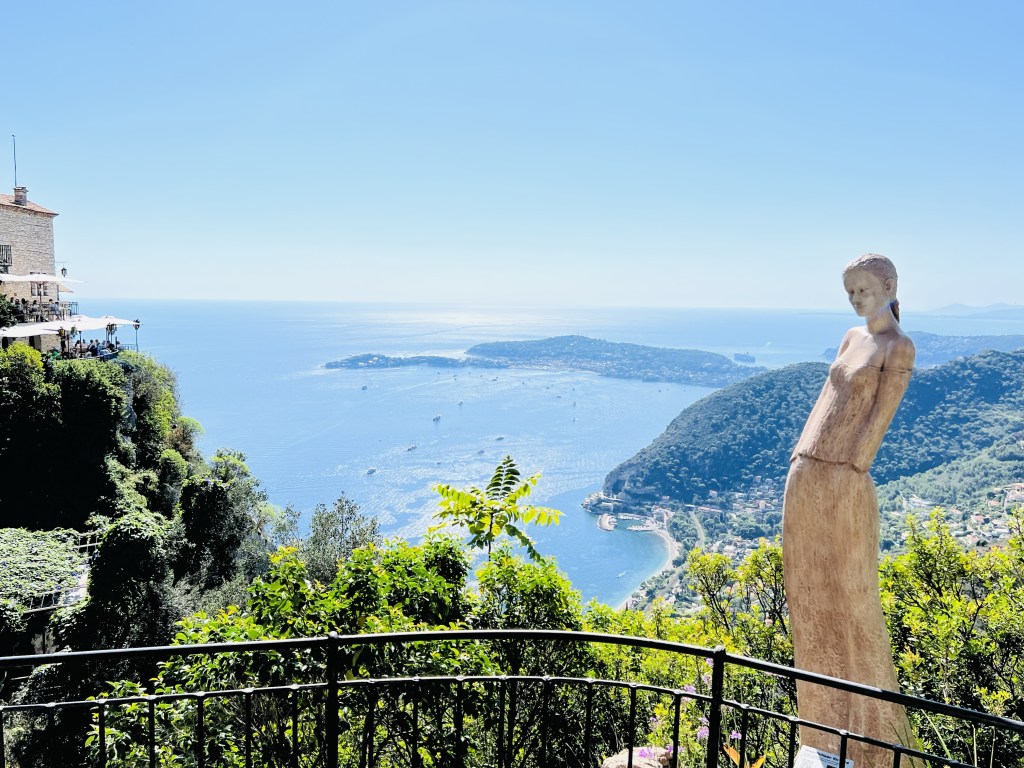
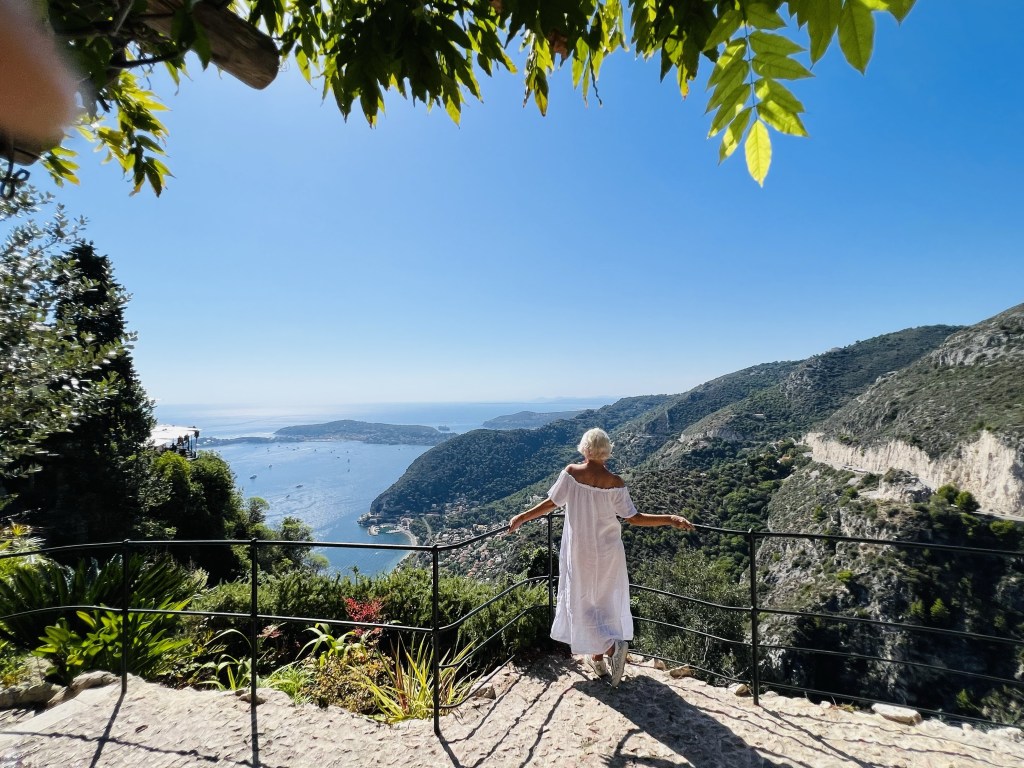
And the insane views of the Mediterranean made our jaws drop.
The village itself is stunning even from the road, as you can still see the old castle walls that date back to the 12th century.
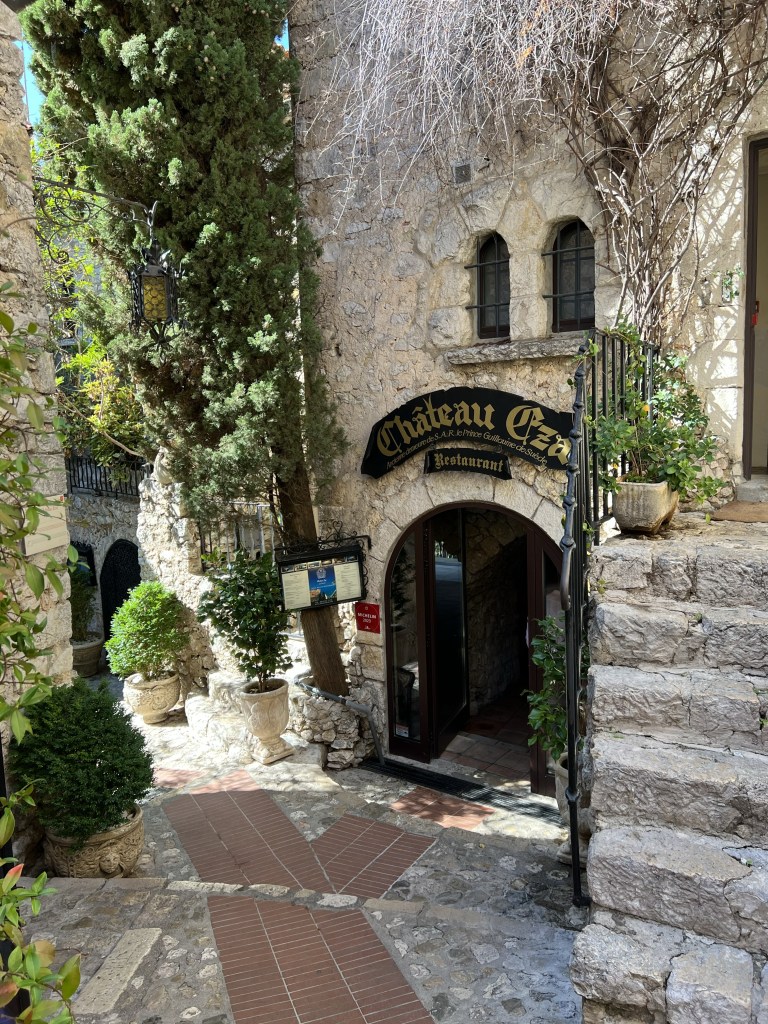
But as we were so exhausted by our ‘walk’ up the mountain, we settled in Chateau Eze’s panoramic restaurant terraces for a glass (or two) of chilled wine and gave ourselves some time to cool down and replenish before exploring the gorgeous village.
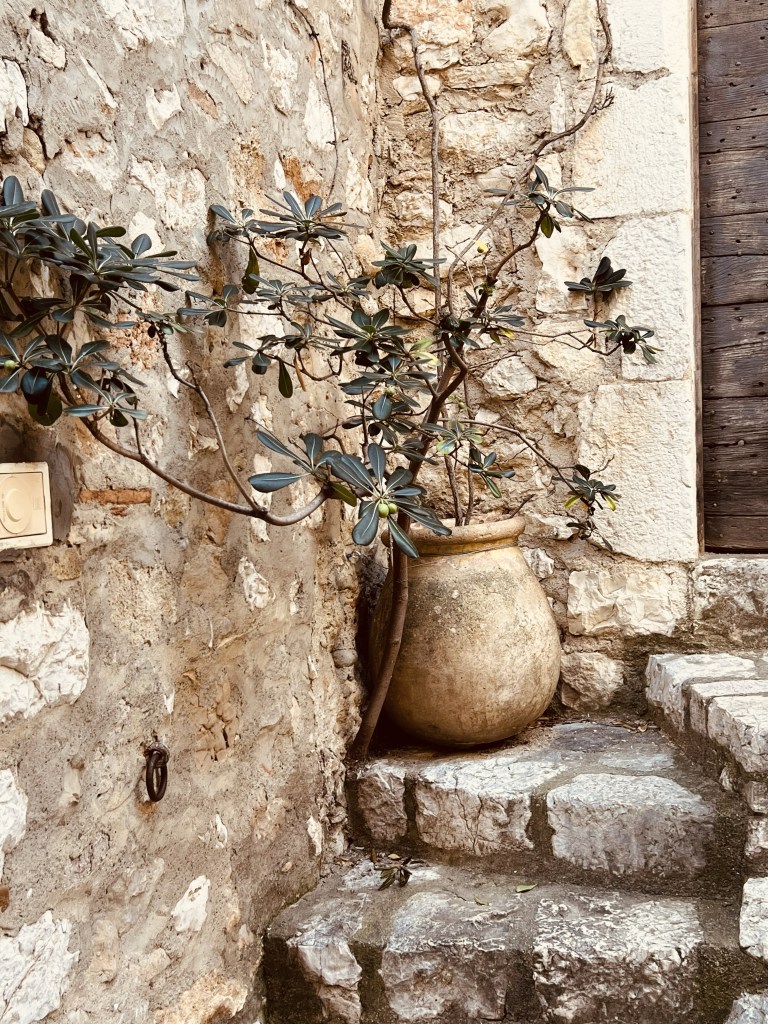
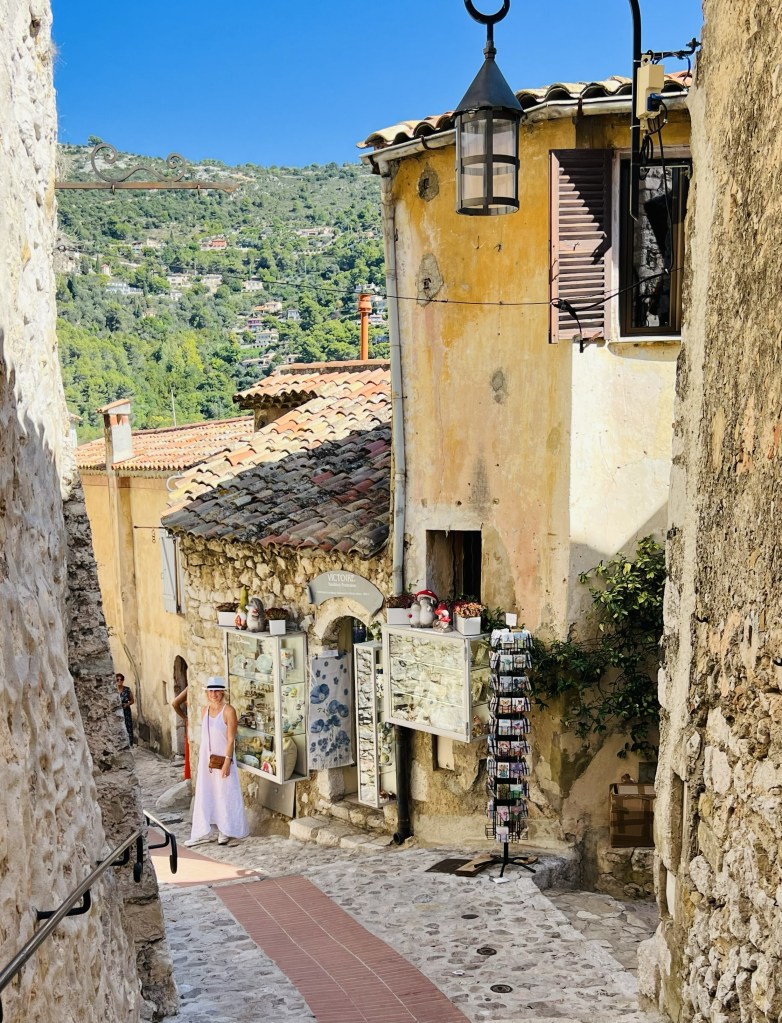
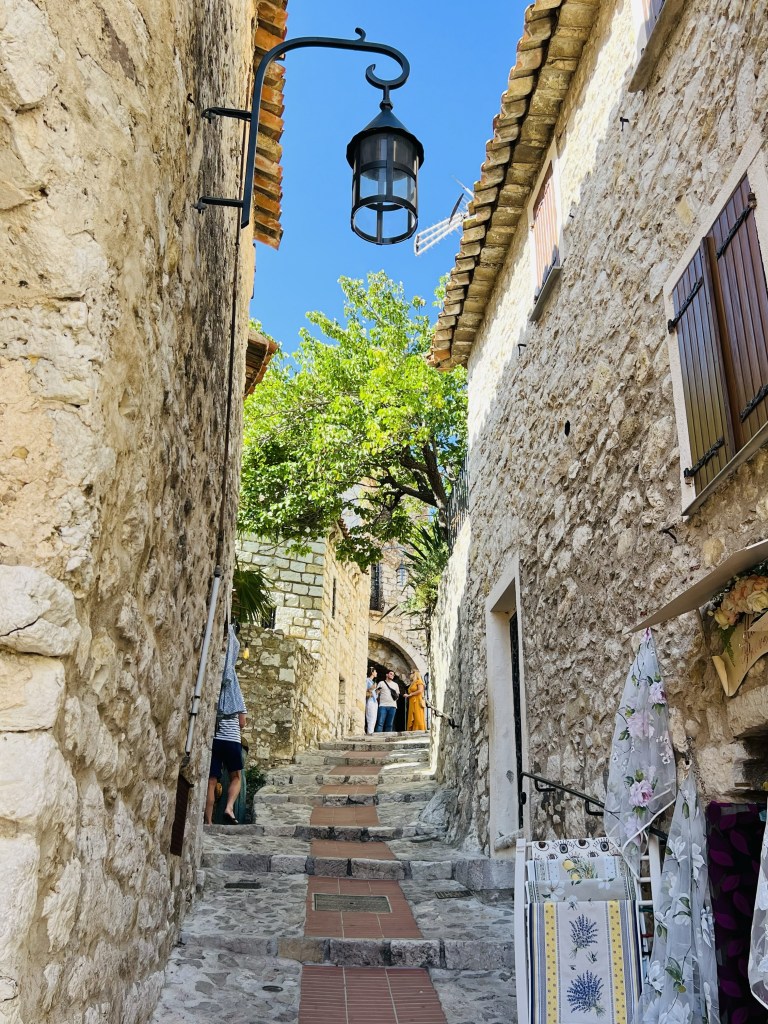
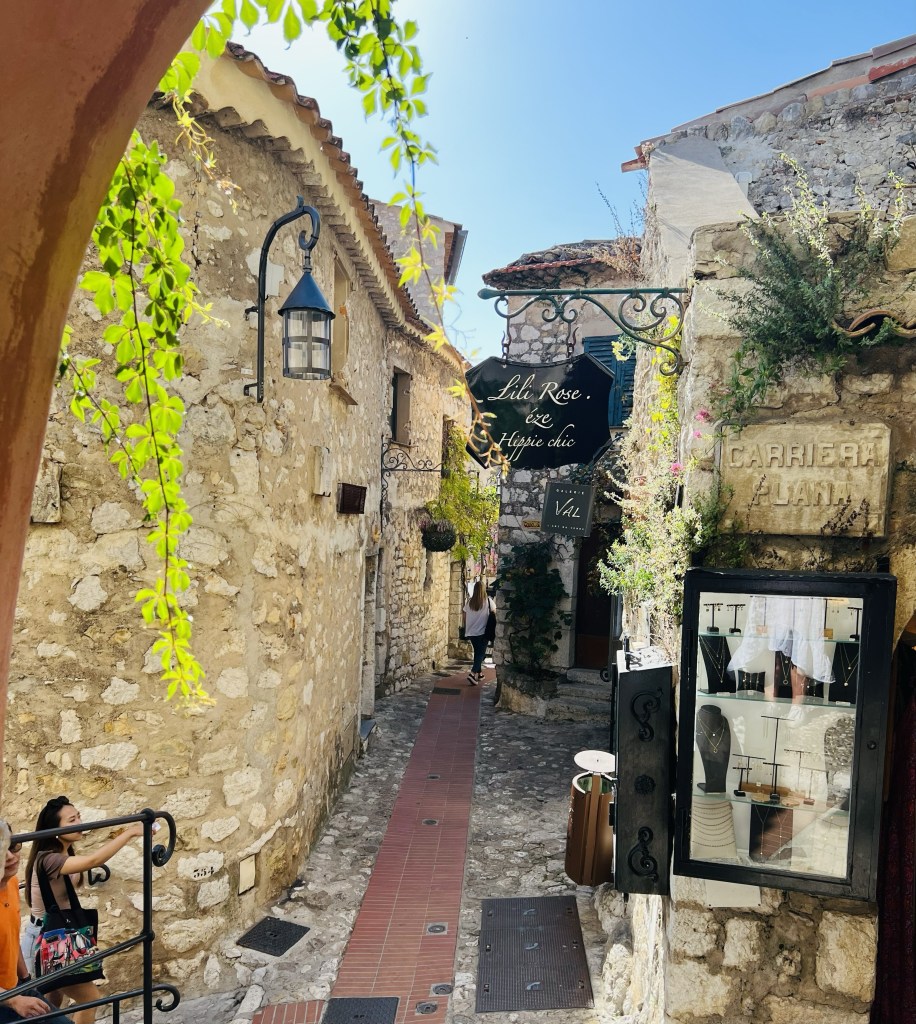
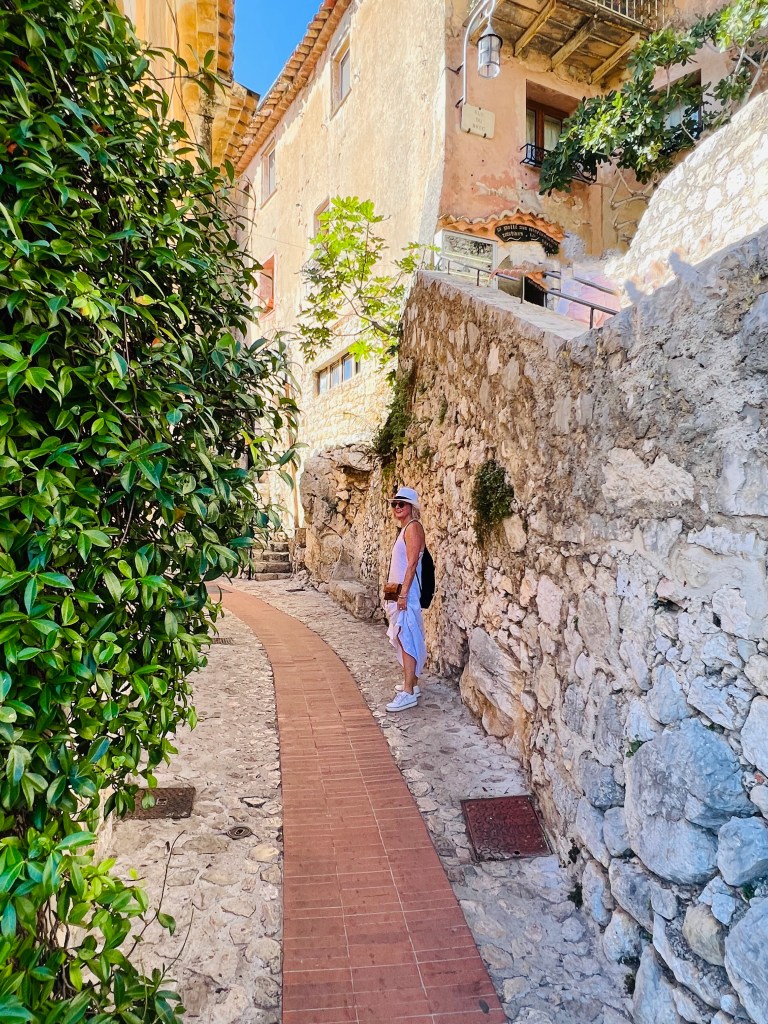
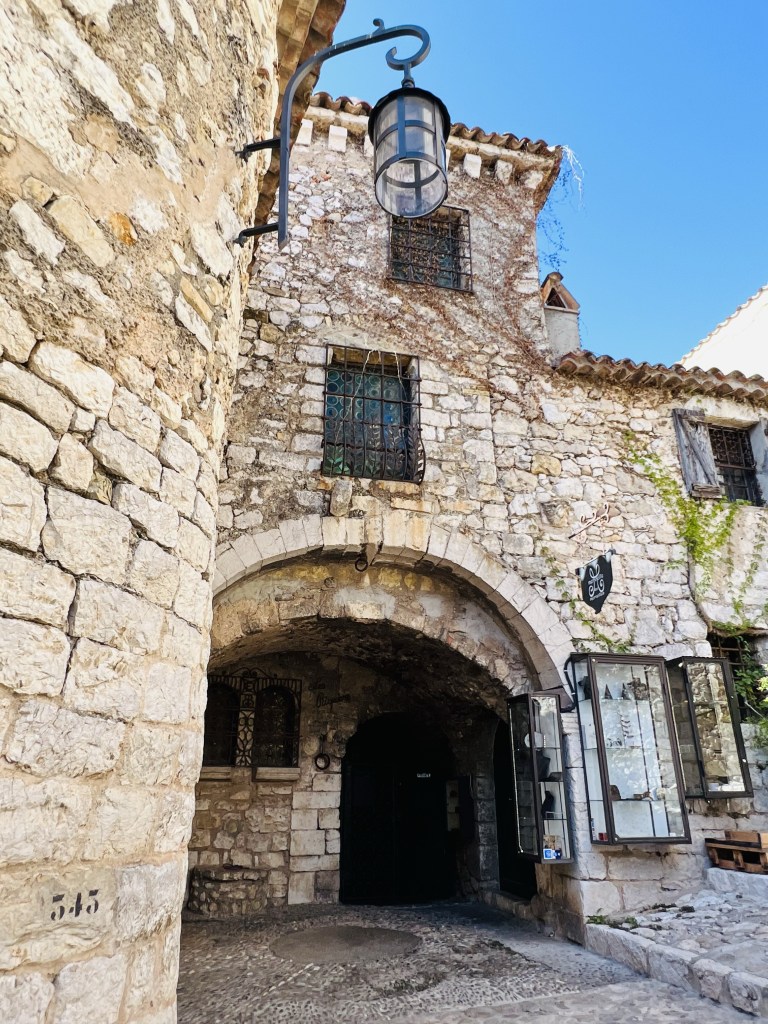
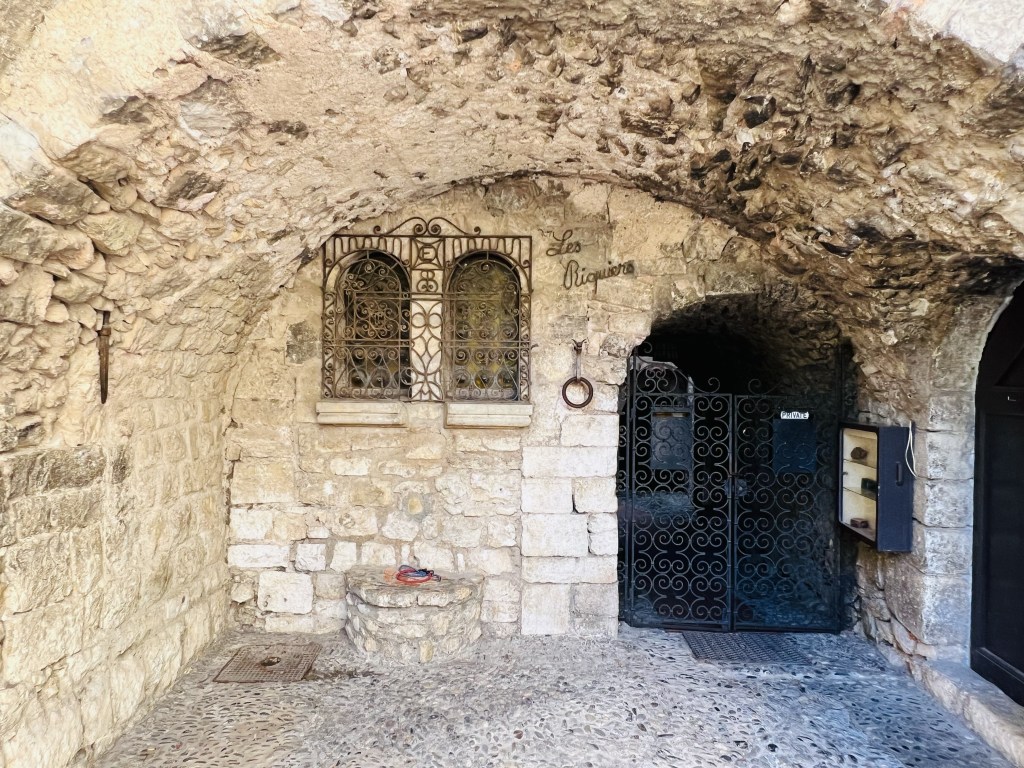
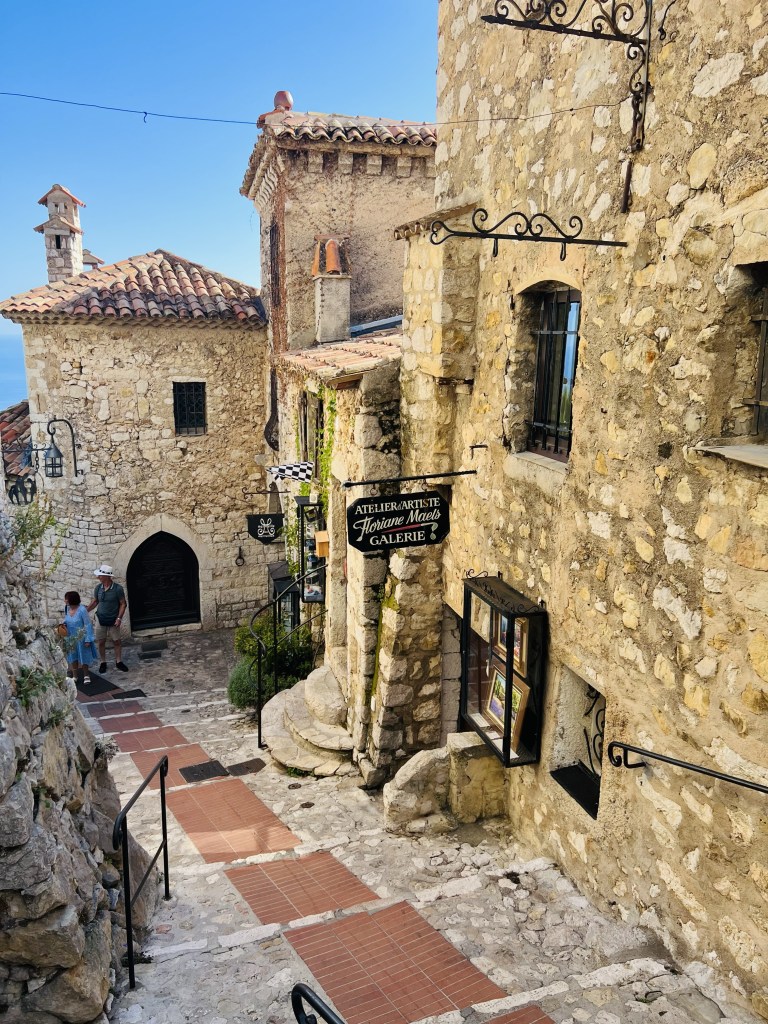
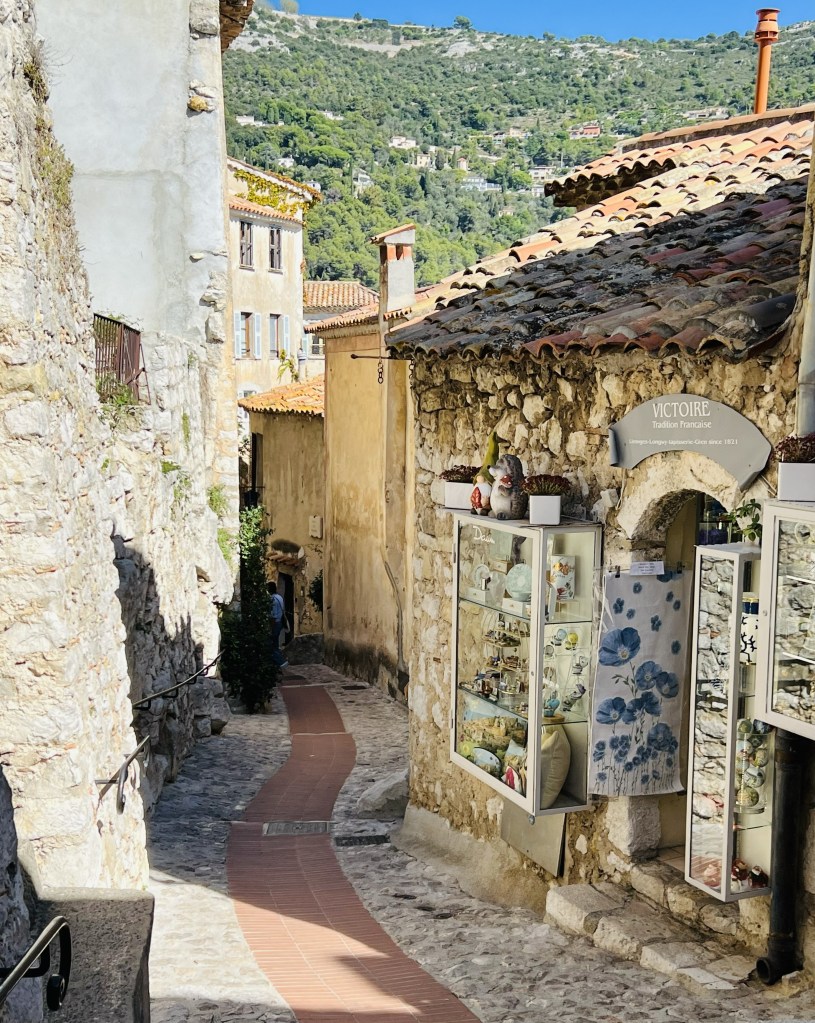
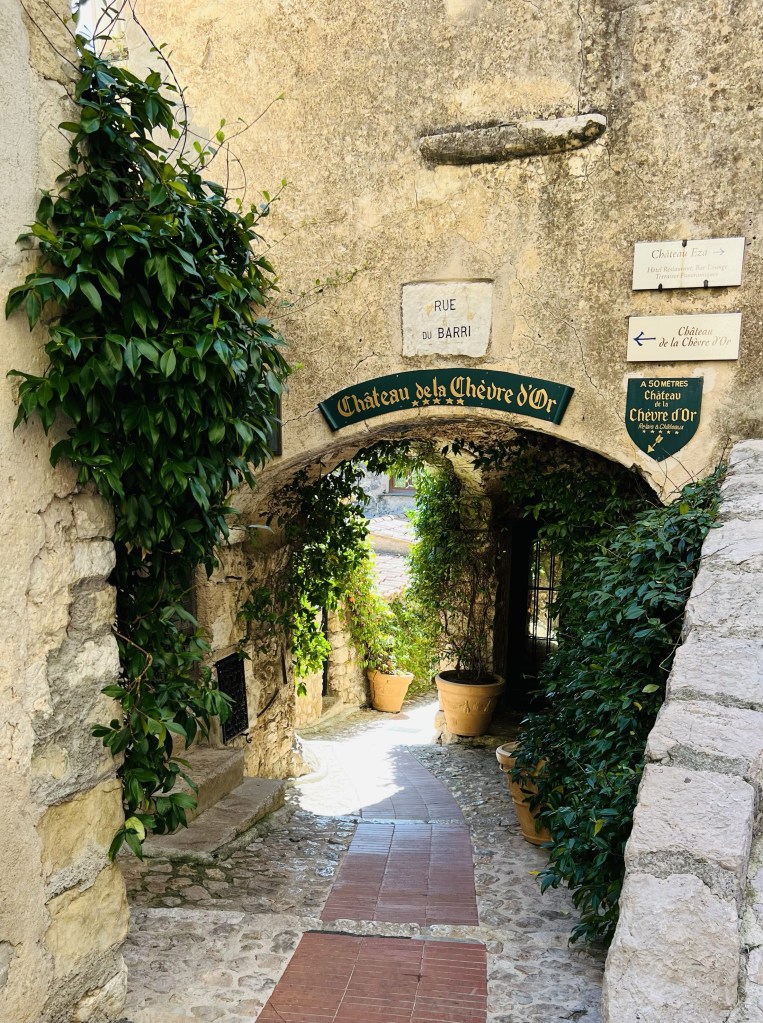
This village is like a labyrinth- as we strolled its cobblestone alleys, we found ourselves lost amidst uneven stoned streets, ancient fountains, narrow alleyways…
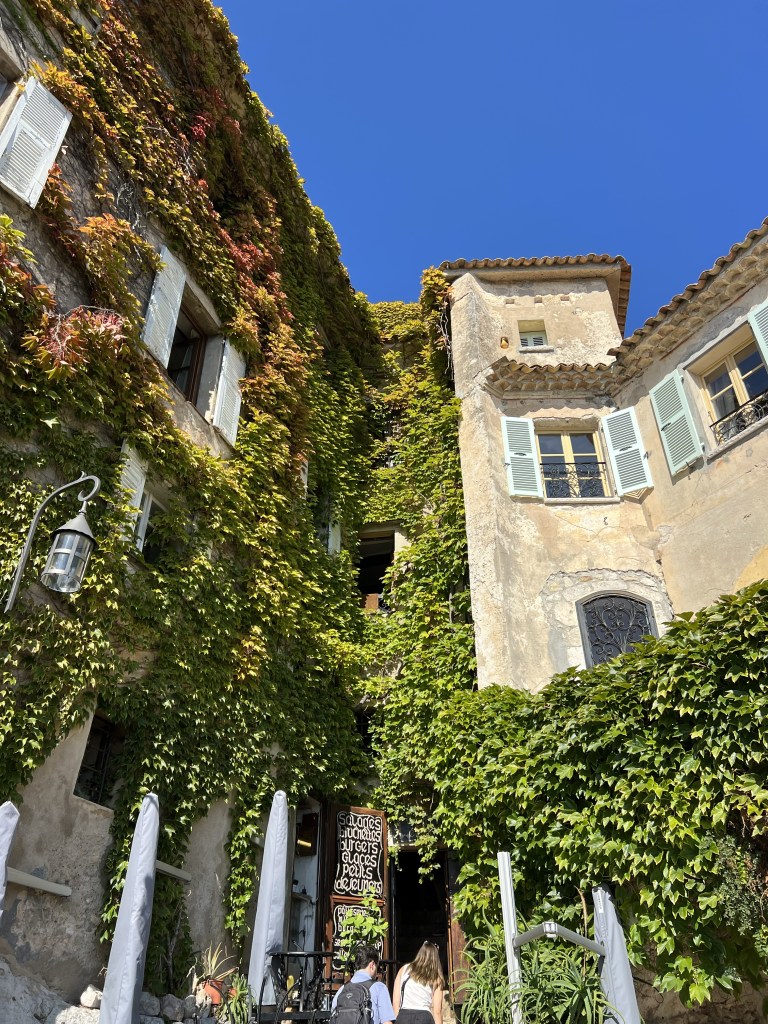
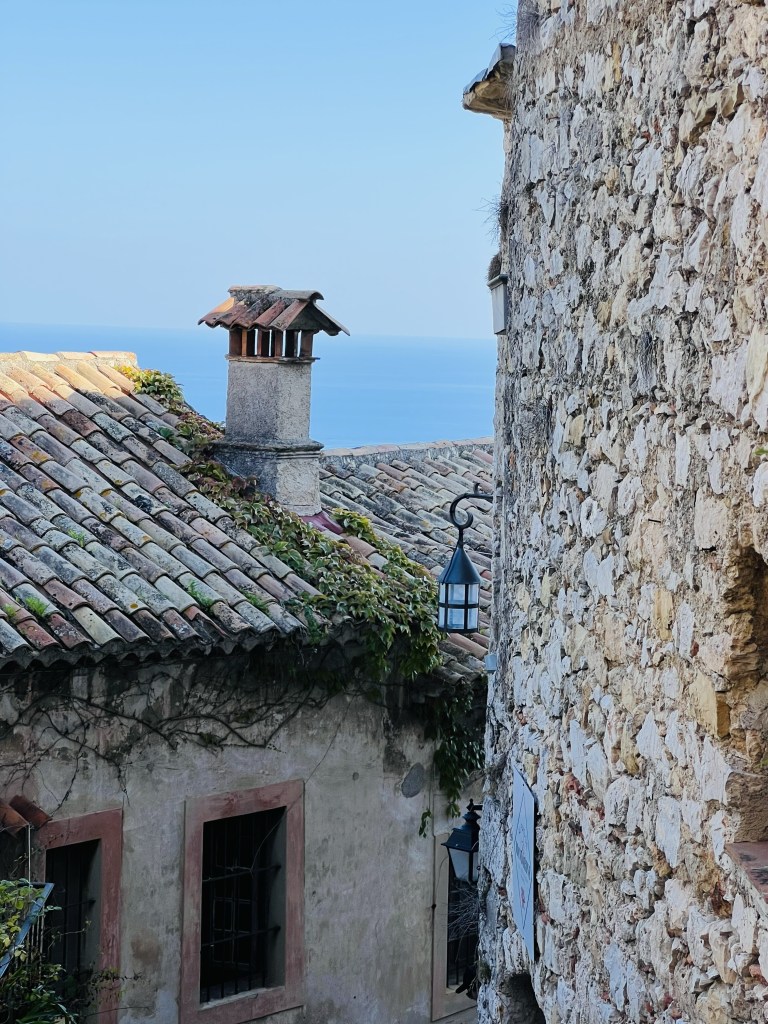
… ivy blanketed stone buildings…
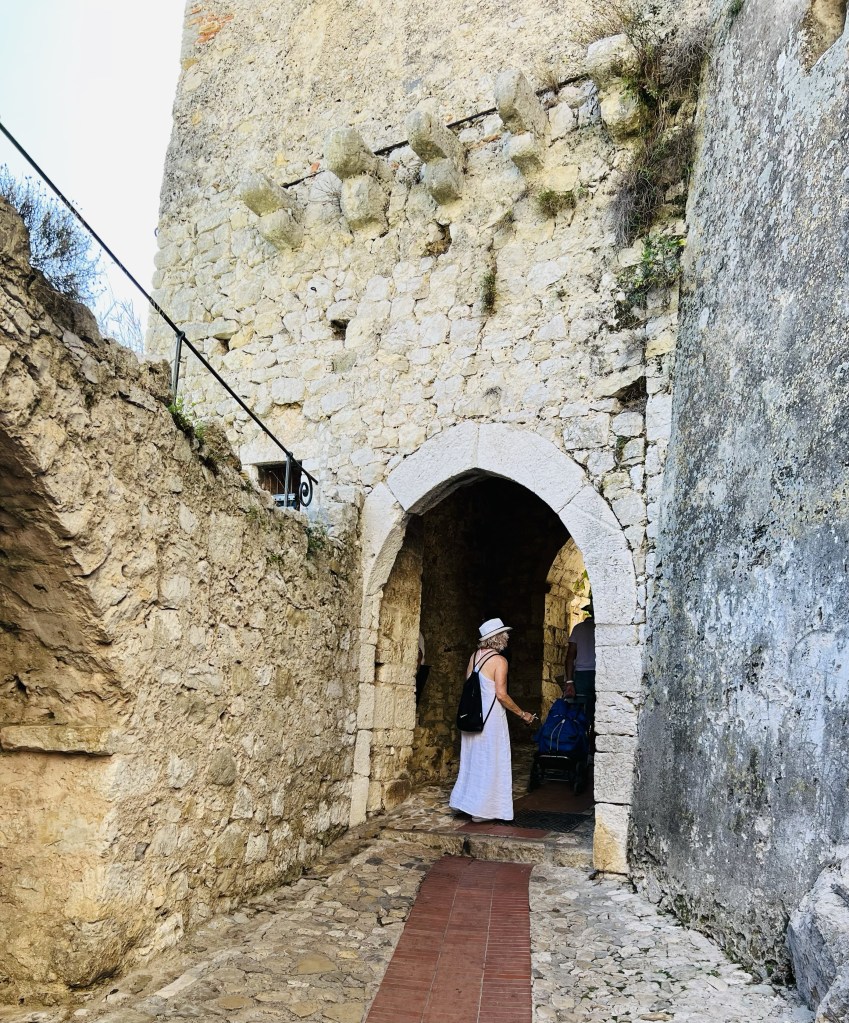
… and old stone houses, amazing archways…
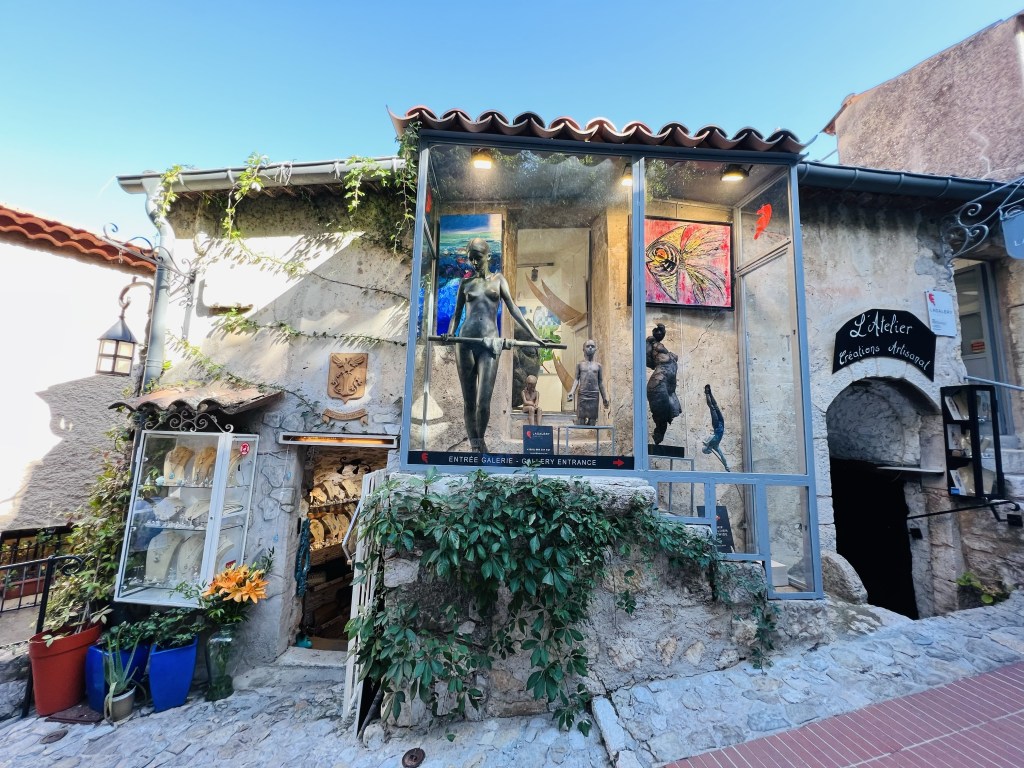
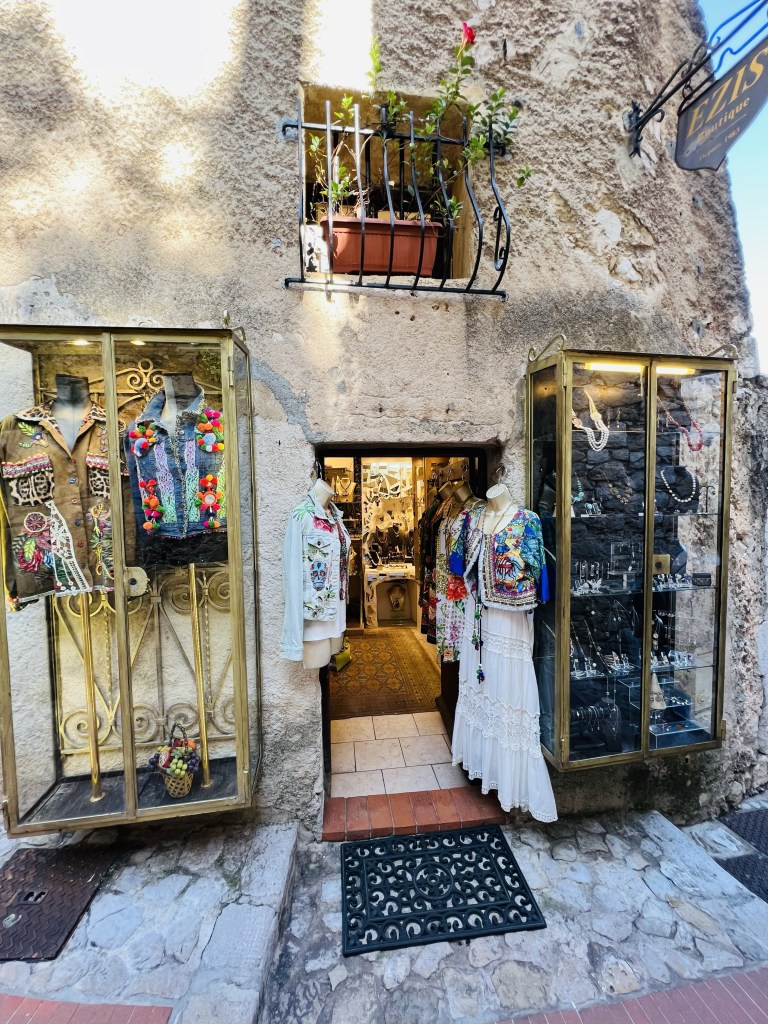
… art shops, and galleries.
… and boutiques…
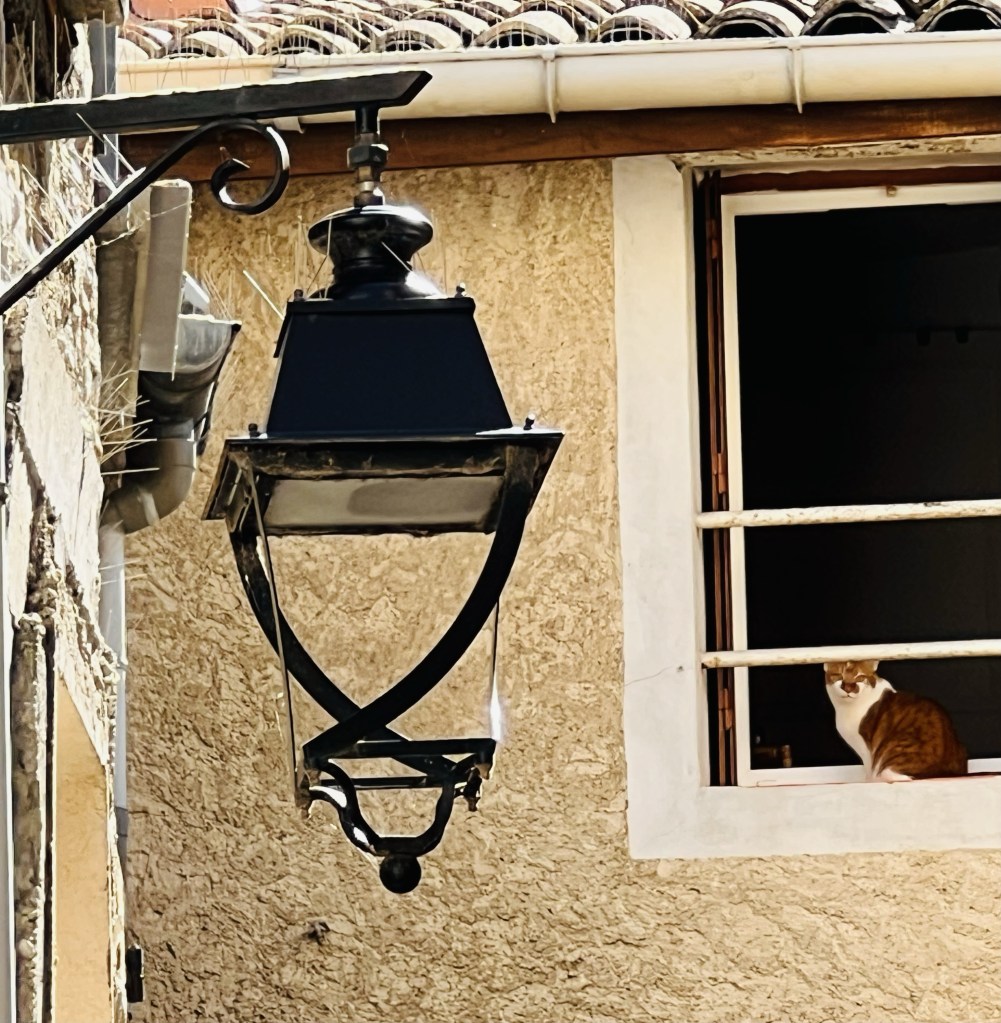
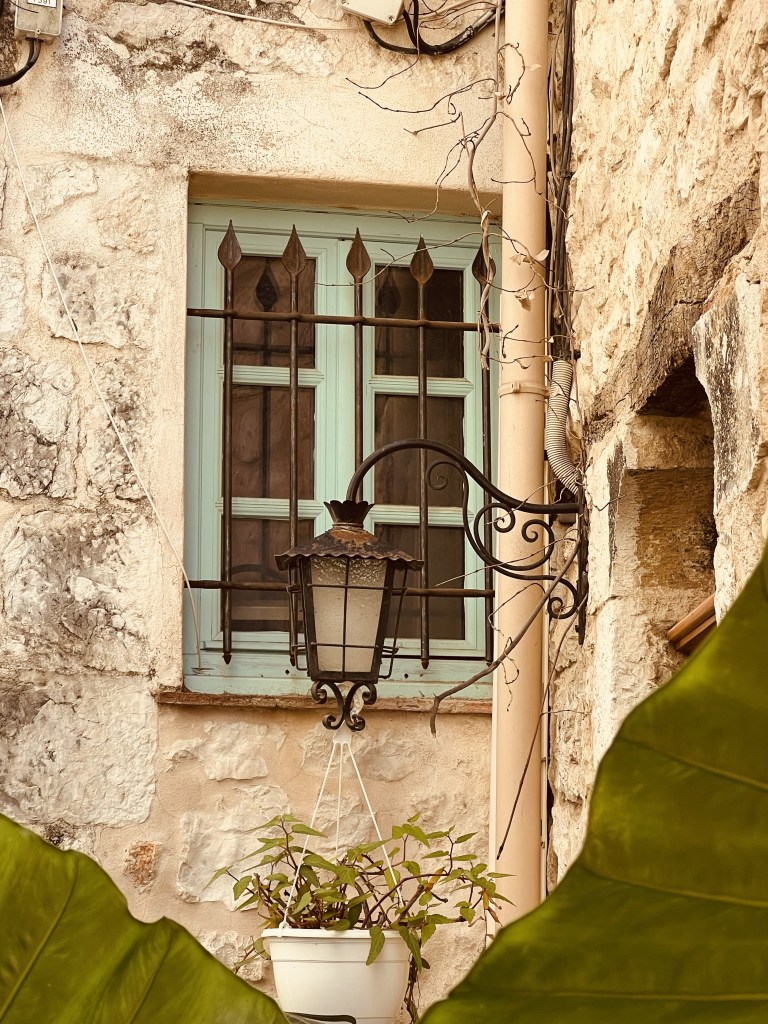
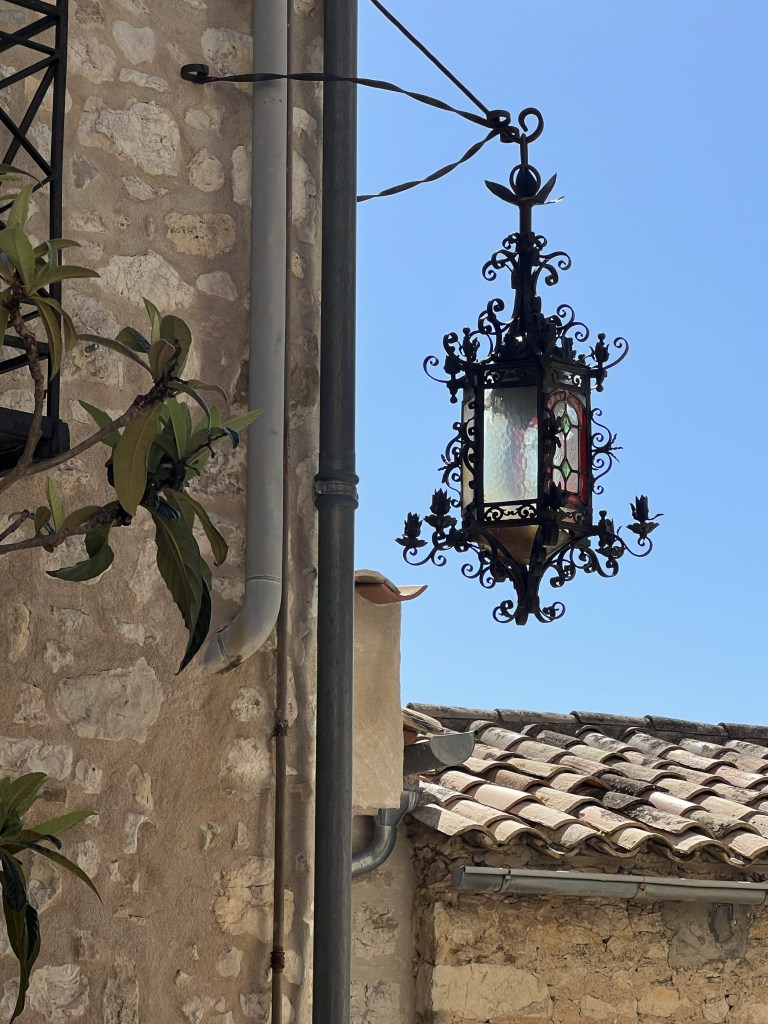
… and extraordinary street-light shades.
This village is over 1,500 years old and walking around it, we could feel and see every bit of that history- kind of like you have stepped back in time… if I could just get rid of all those pesky tourists 😂
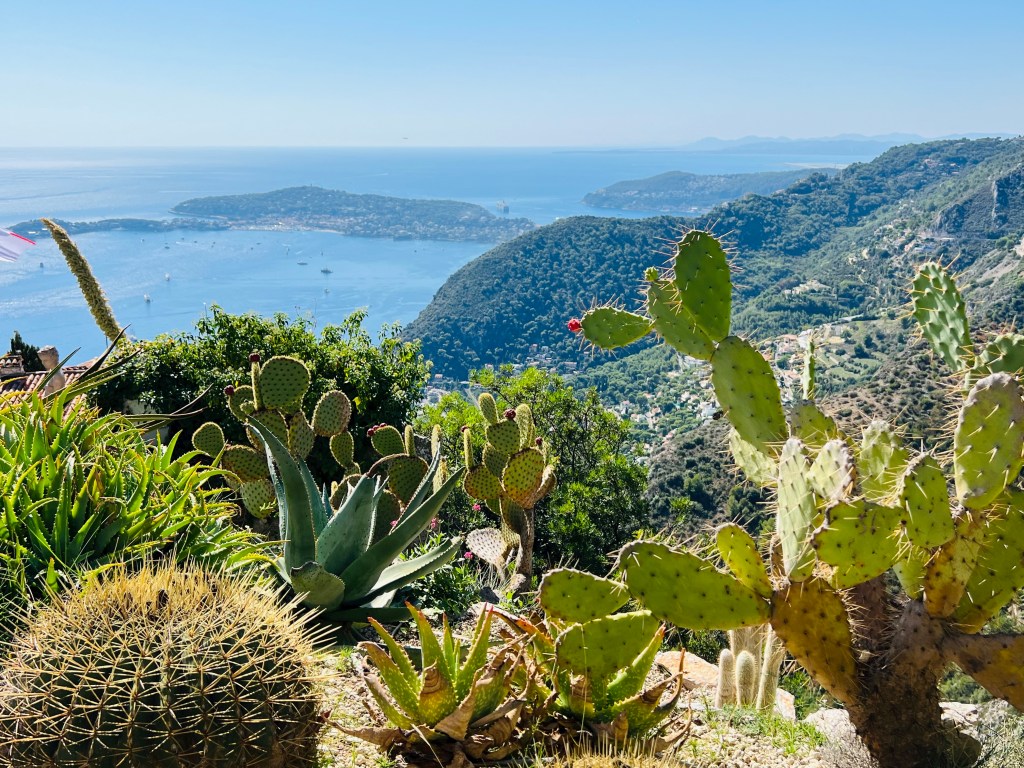
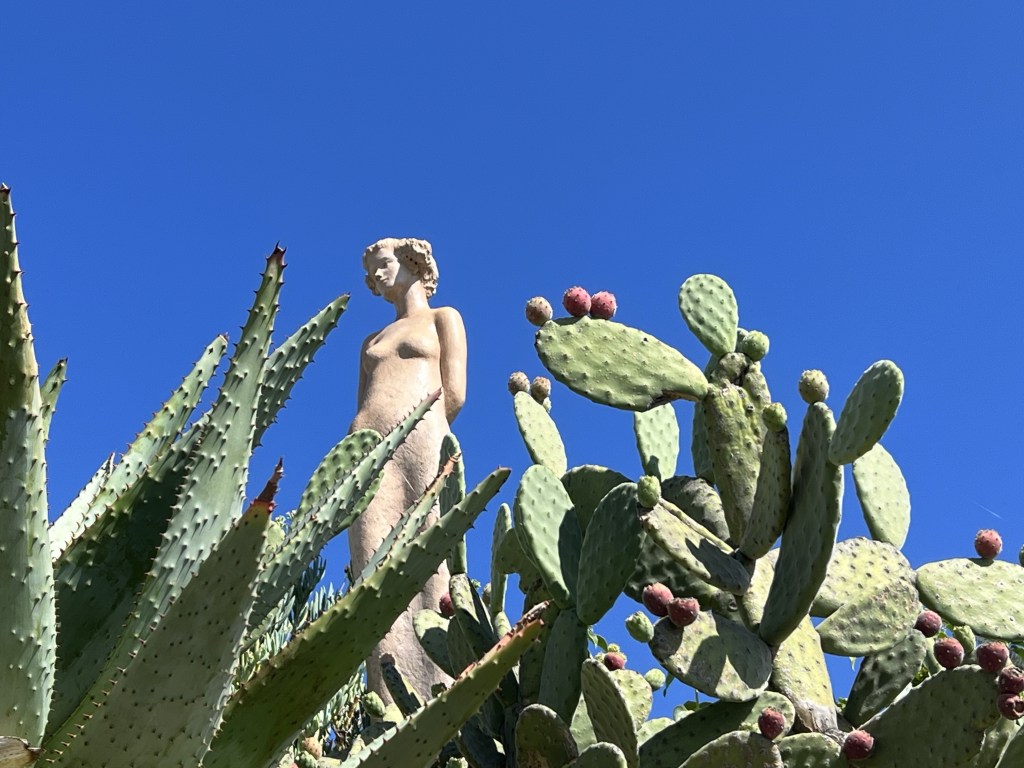
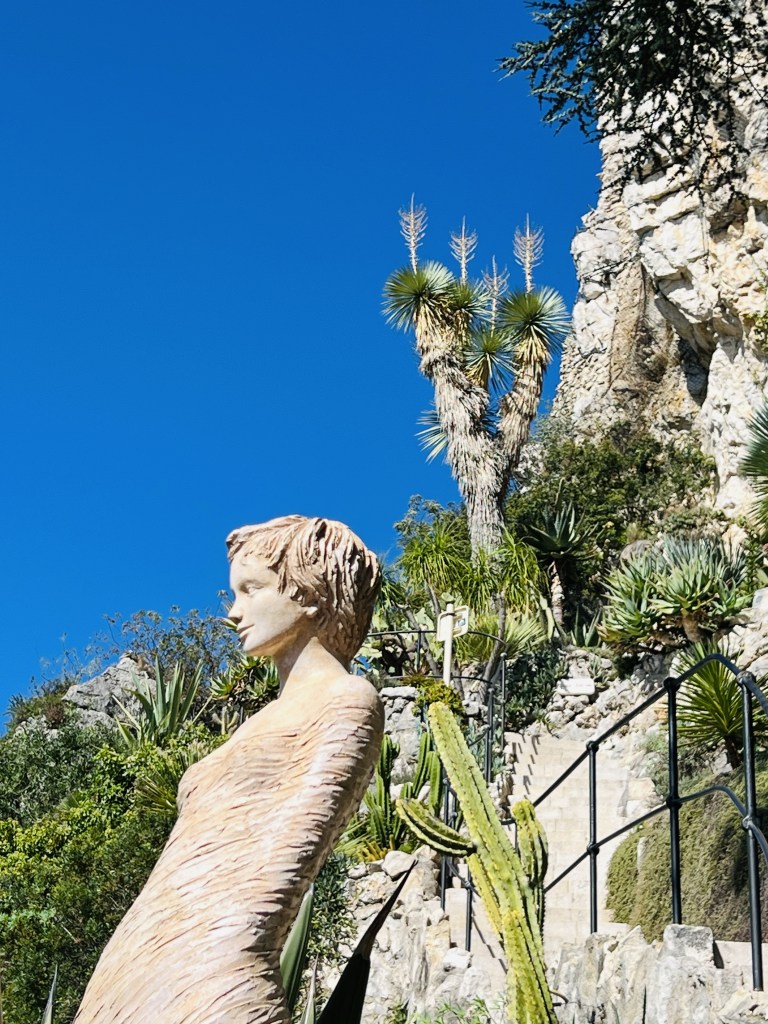
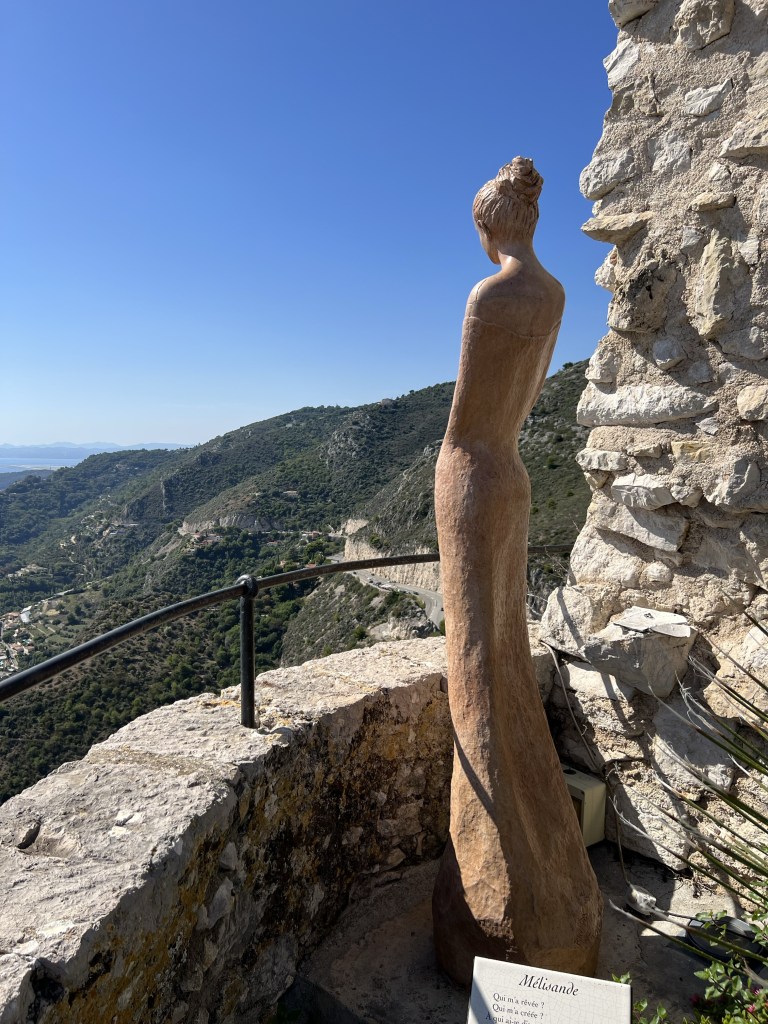
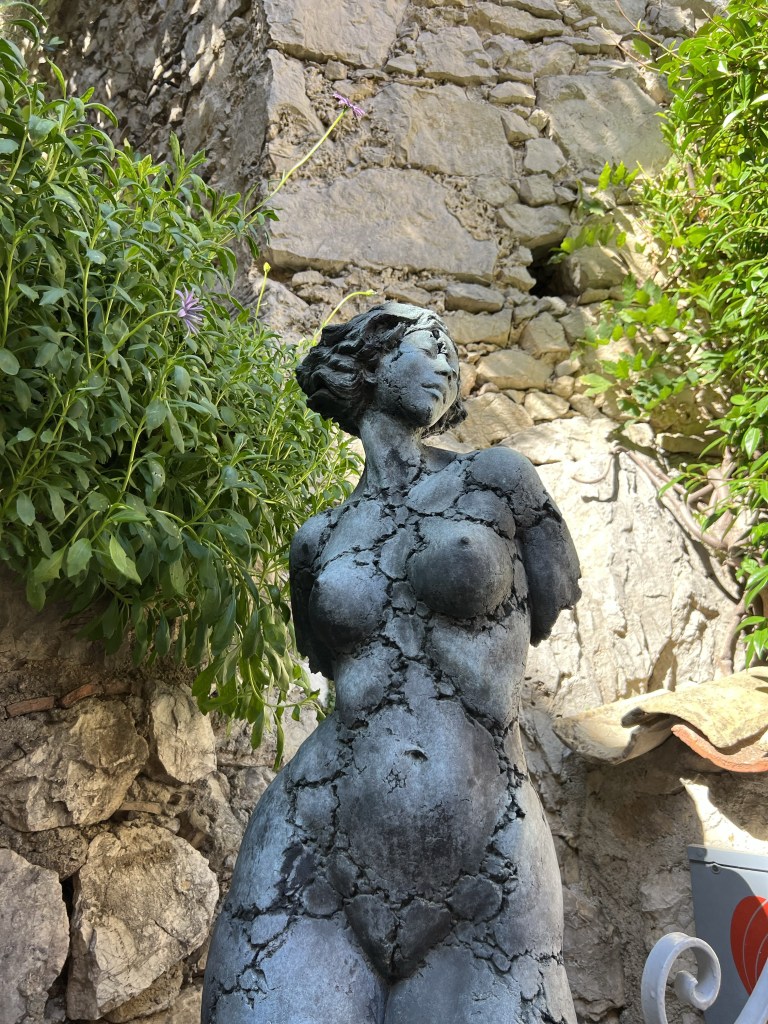
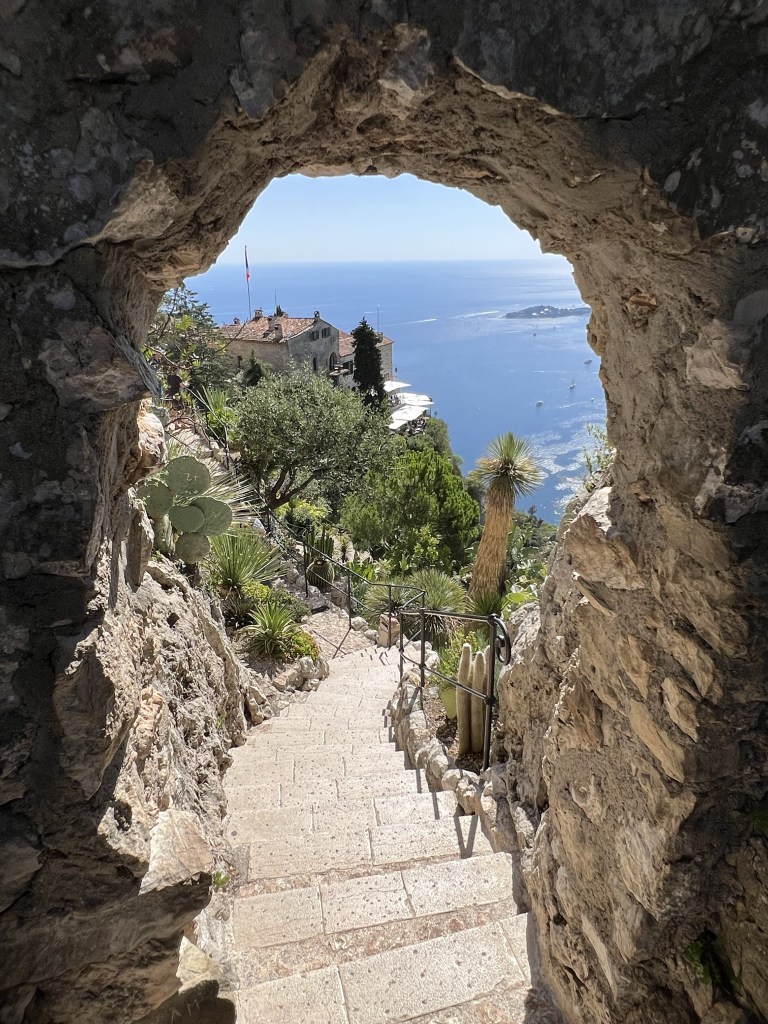
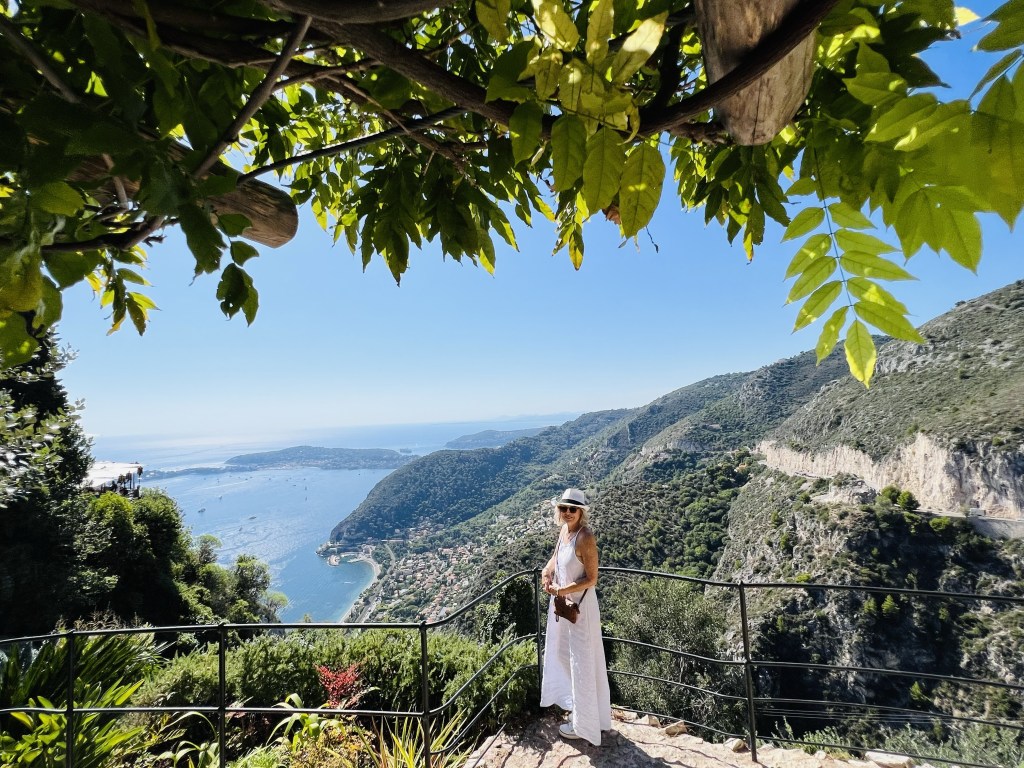
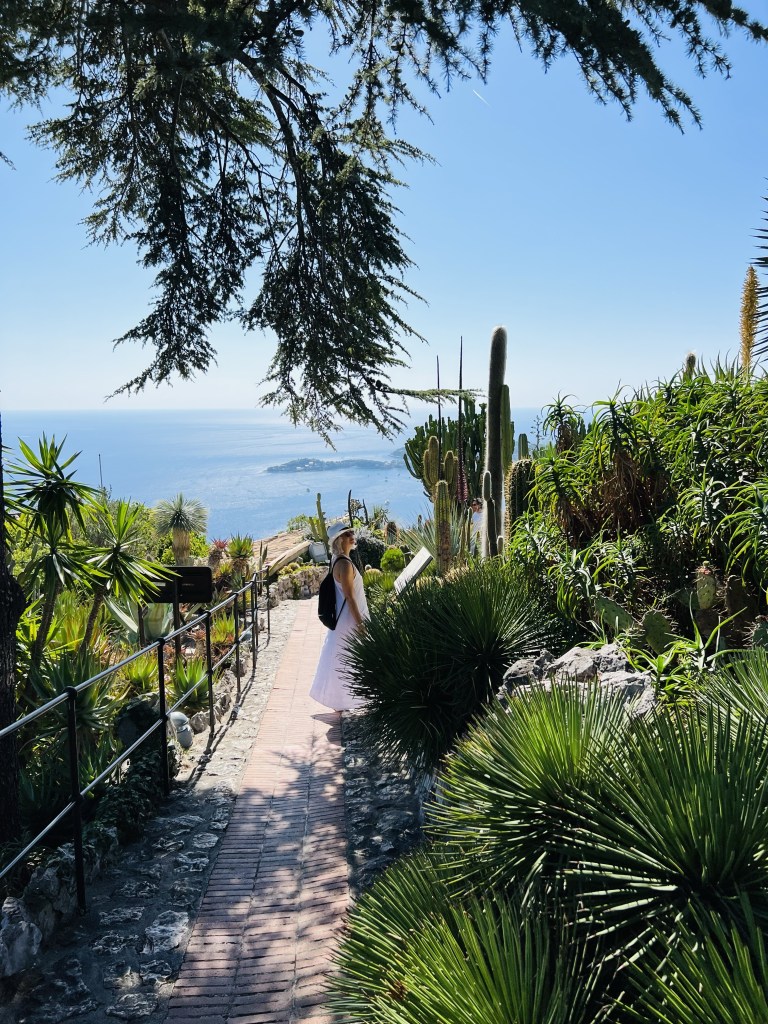
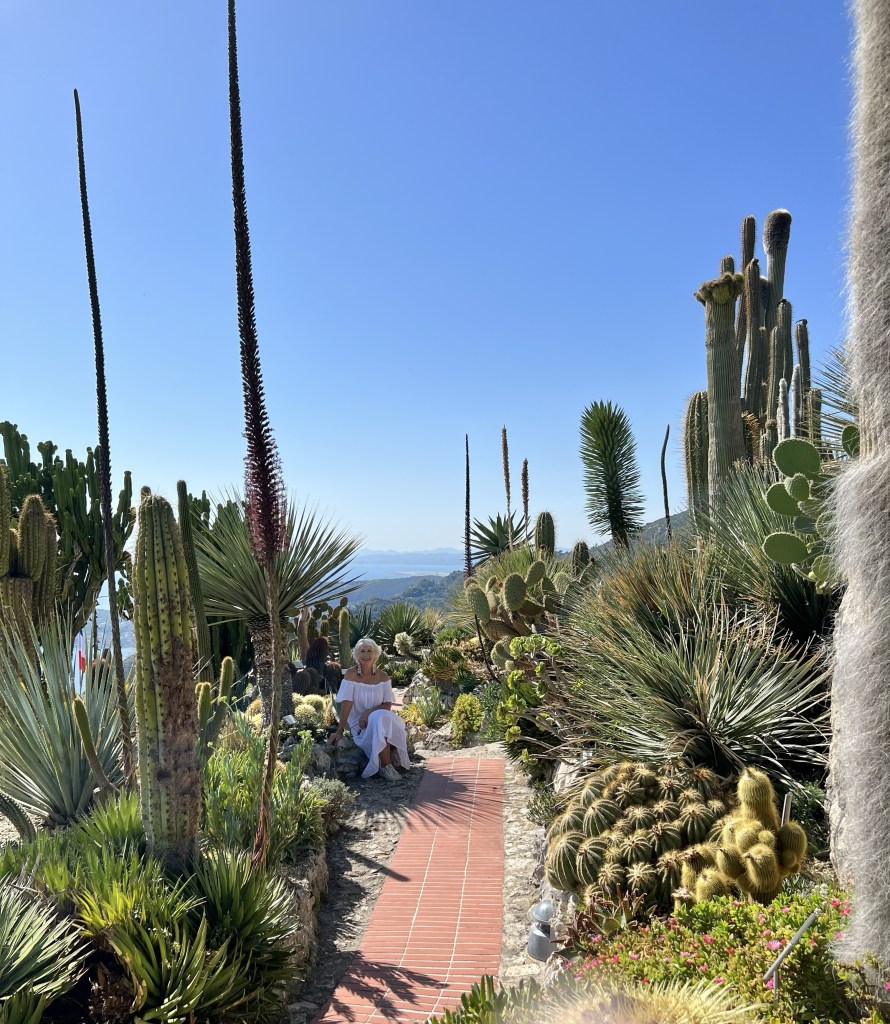
We explored the Botannical Gardens Jardin Exotique d’Eze, perched above the village on top of the mountain where over 400 Mediterranean cacti, citrus trees and tropical plants from around the world surround the castle ruins.
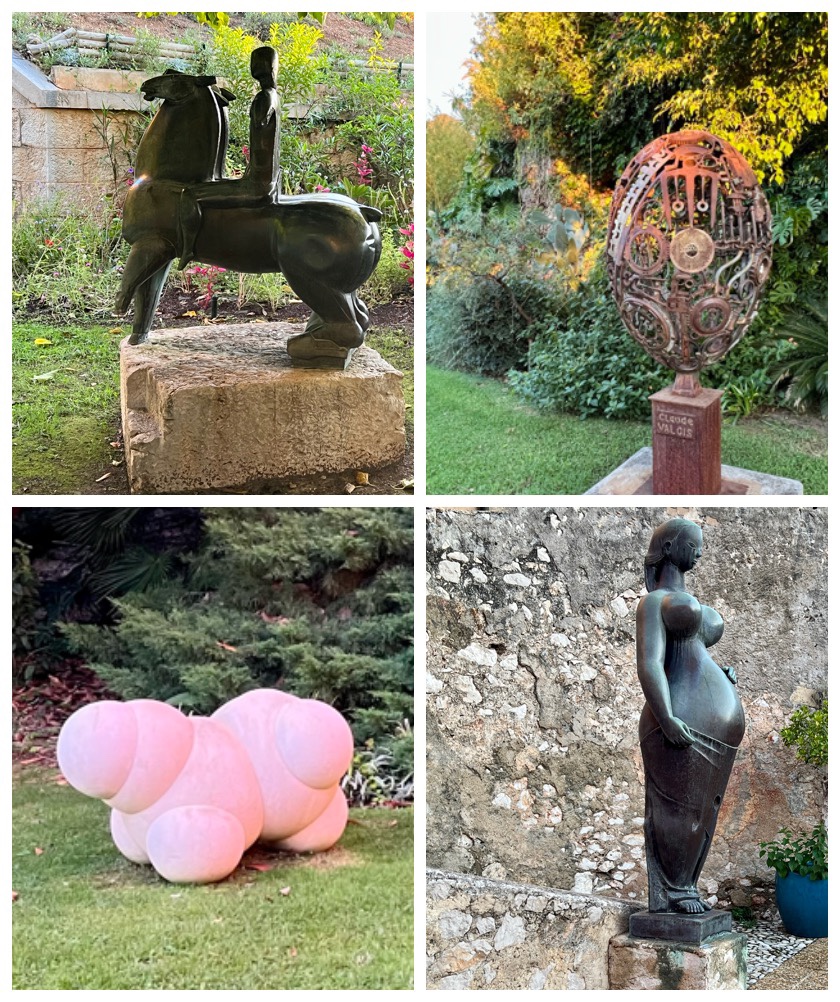
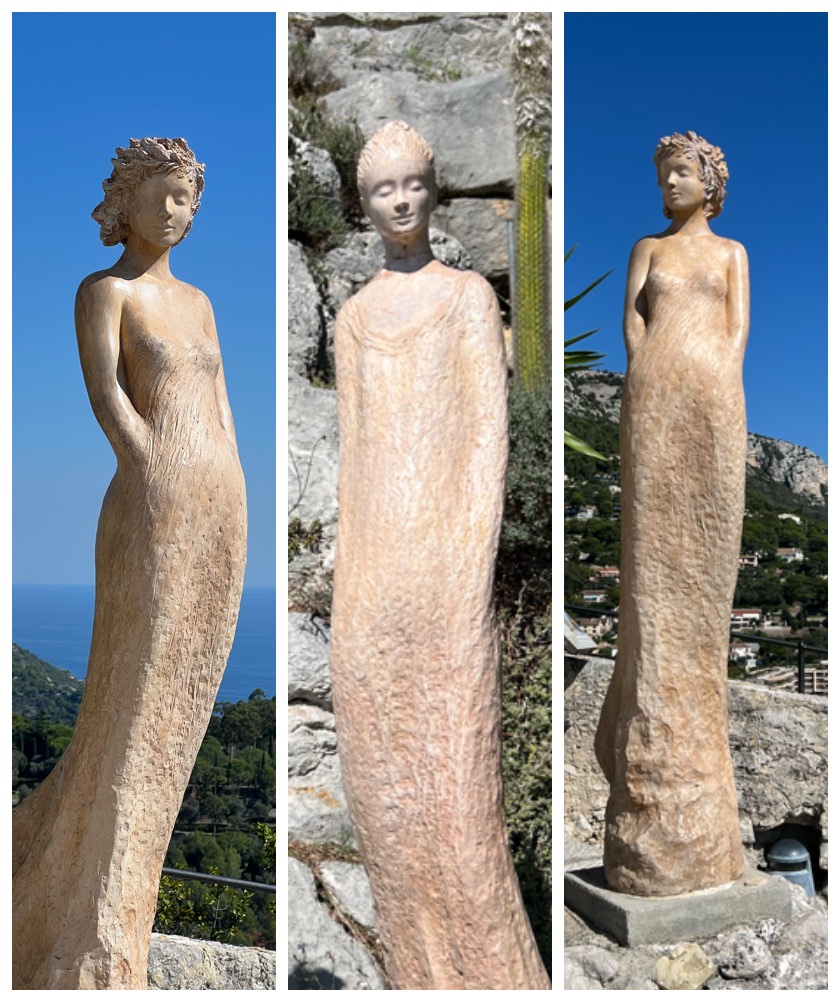
It felt like a little oasis, complete with many gorgeous sculptures encountered on the garden’s stone and curvy path…
… and with stunning panoramic views of the Mediterranean Sea and the hills below.
Seriously I think it’s the most stunning garden I’ve ever seen… and it doesn’t even have flowers as such?
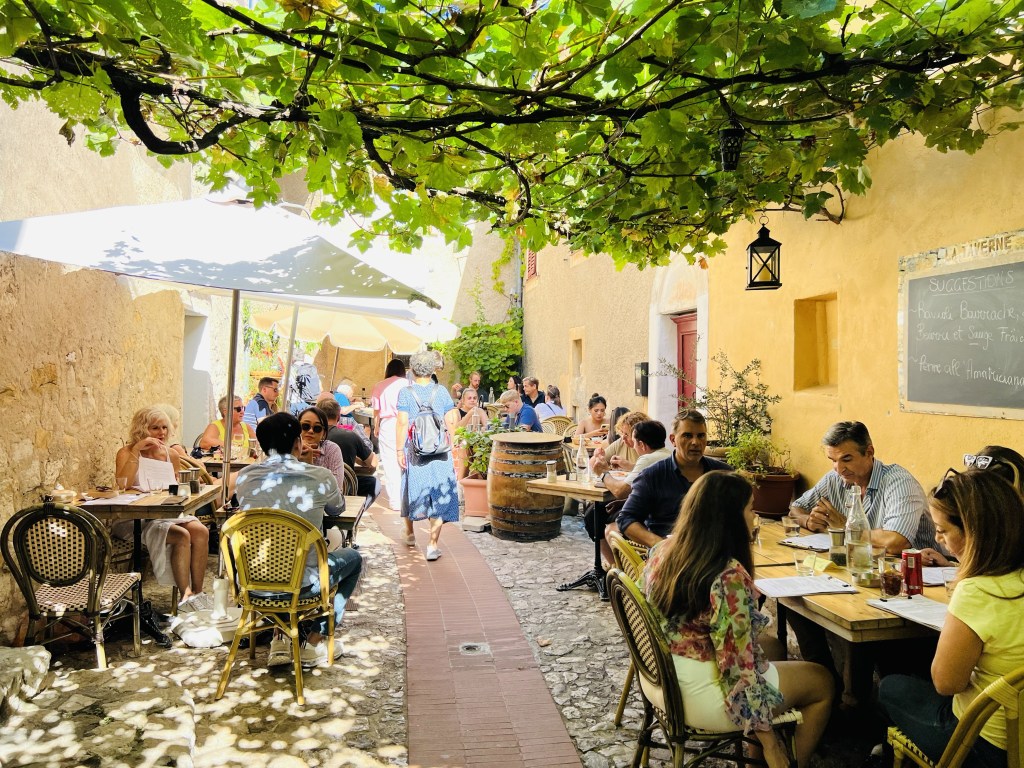
We stopped for lunch in a tiny vine covered alleyway restaurant fir another wonderful memory.
Really I was totally seduced by the beauty of Eze, and it was easy to lose track of time. This is the first place on this trip that I really wished I could stay longer. Would love to have been able to wander the intricate passages at sunrise… alone with my thoughts… and camera (iPhone) of course.

























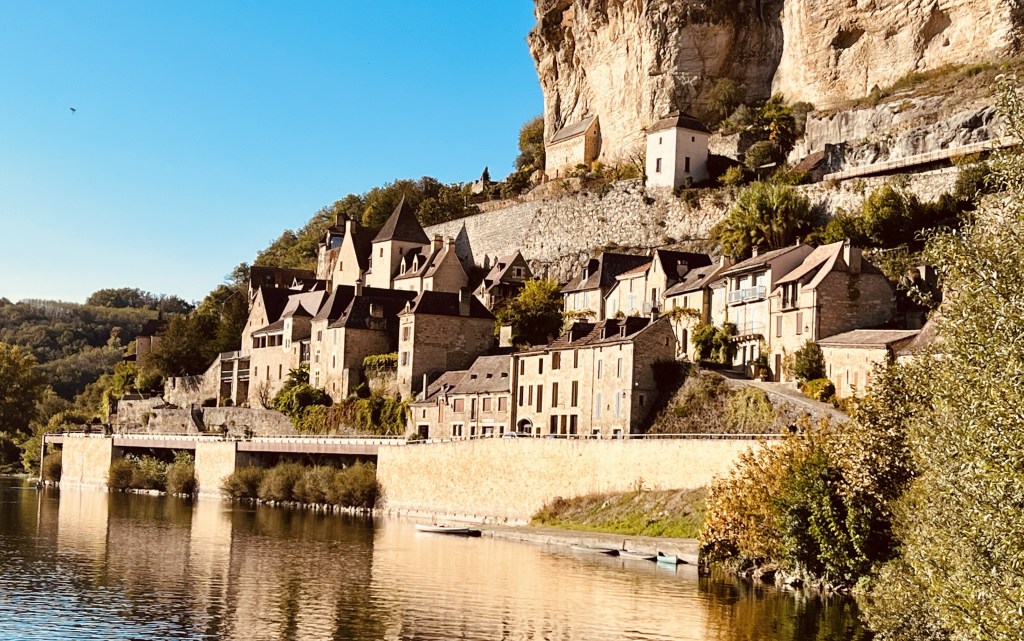
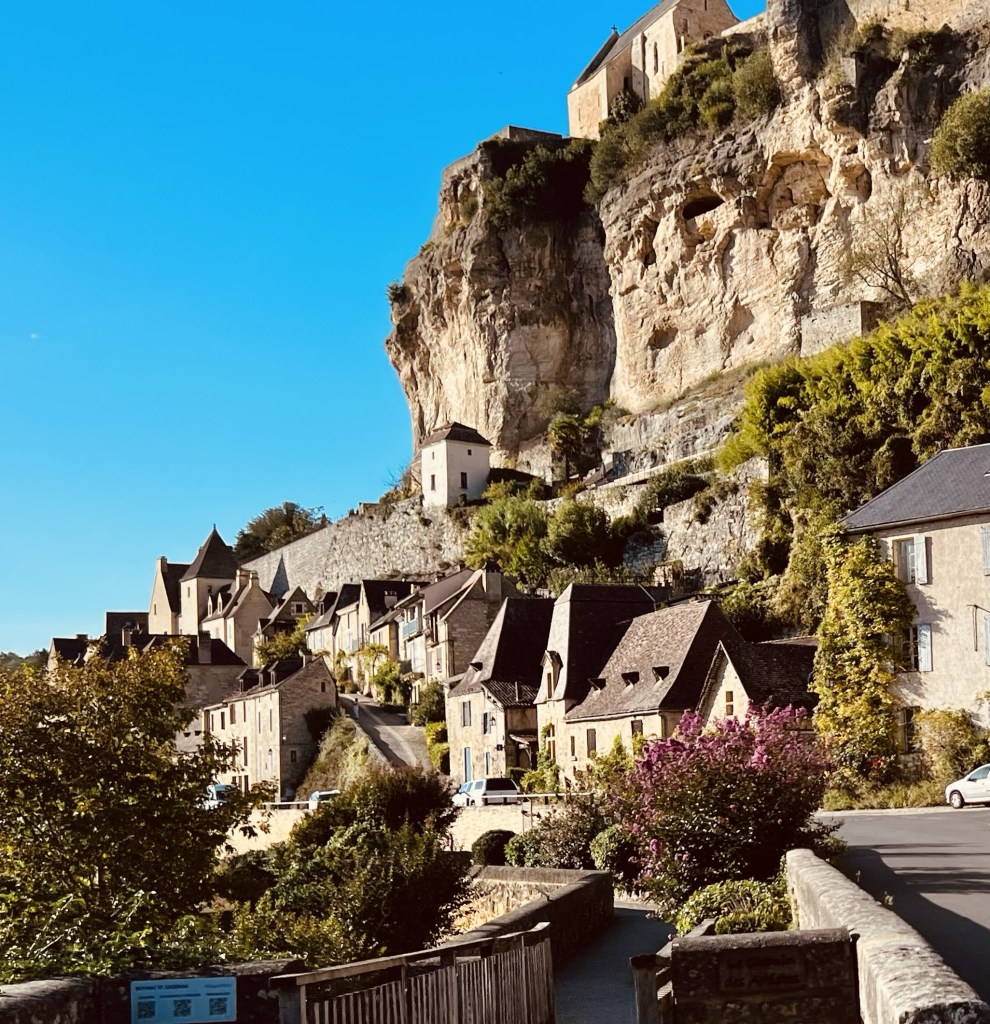
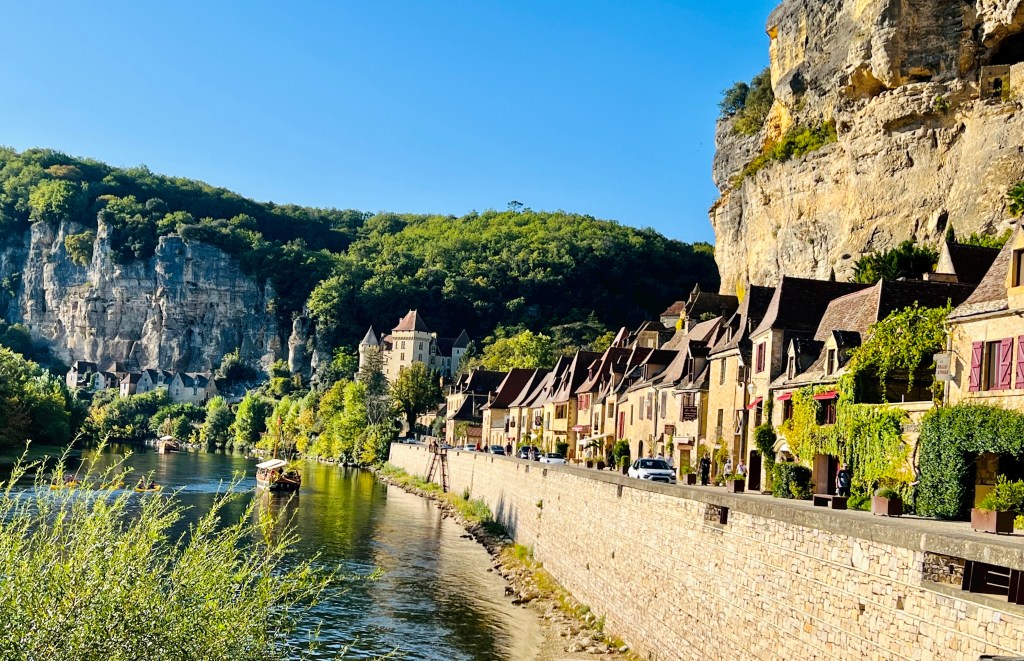
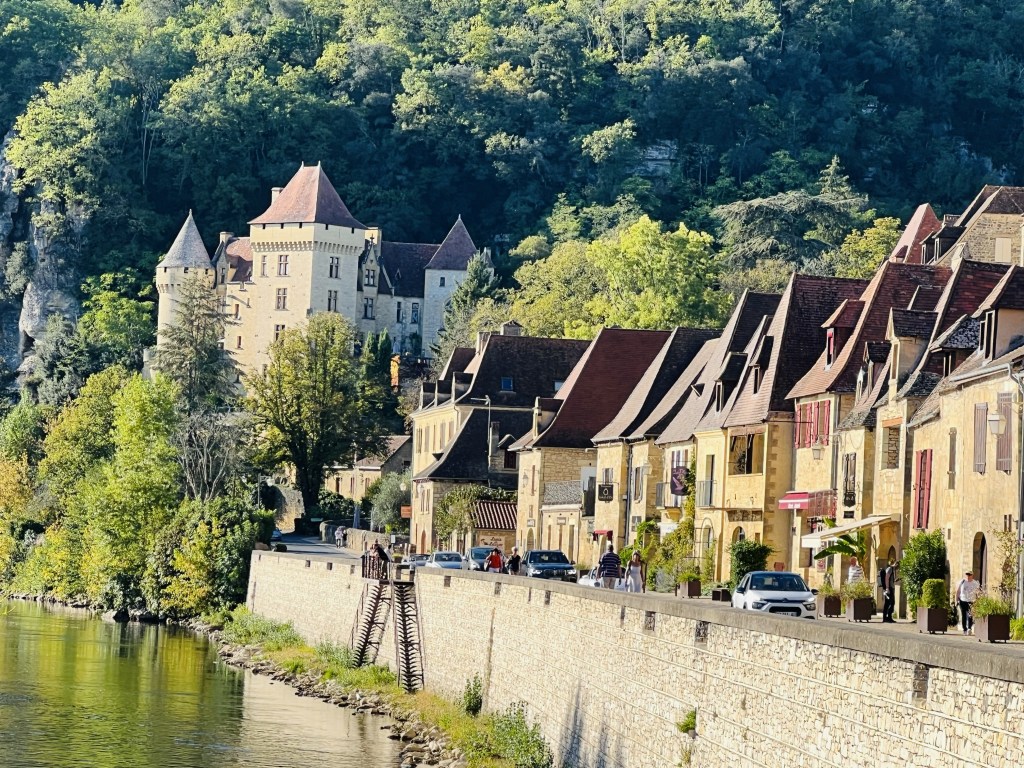

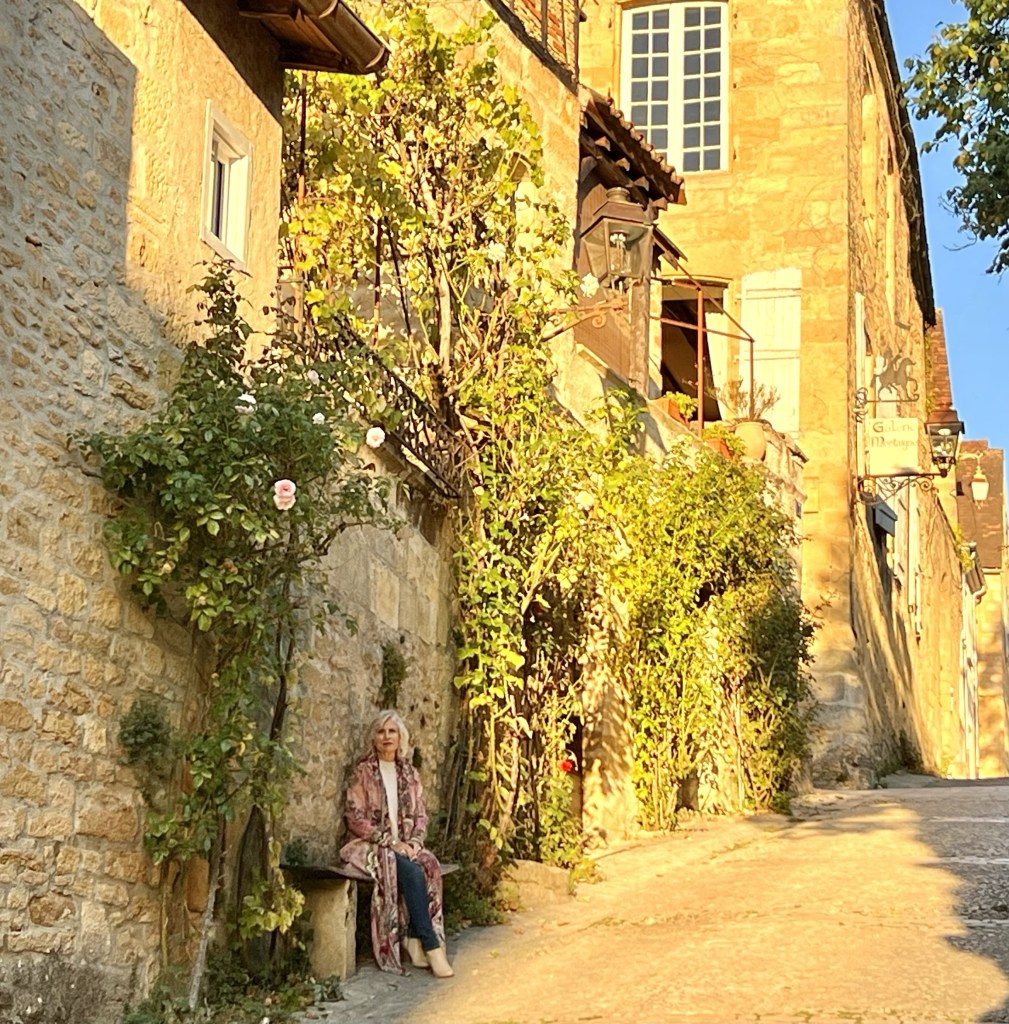
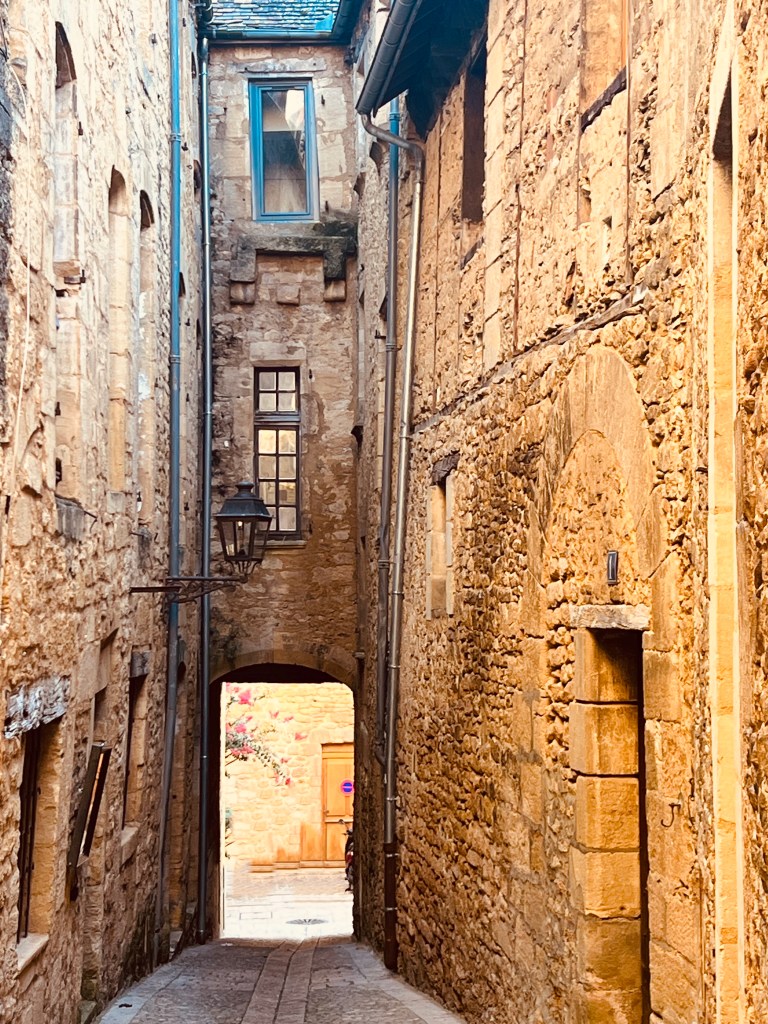
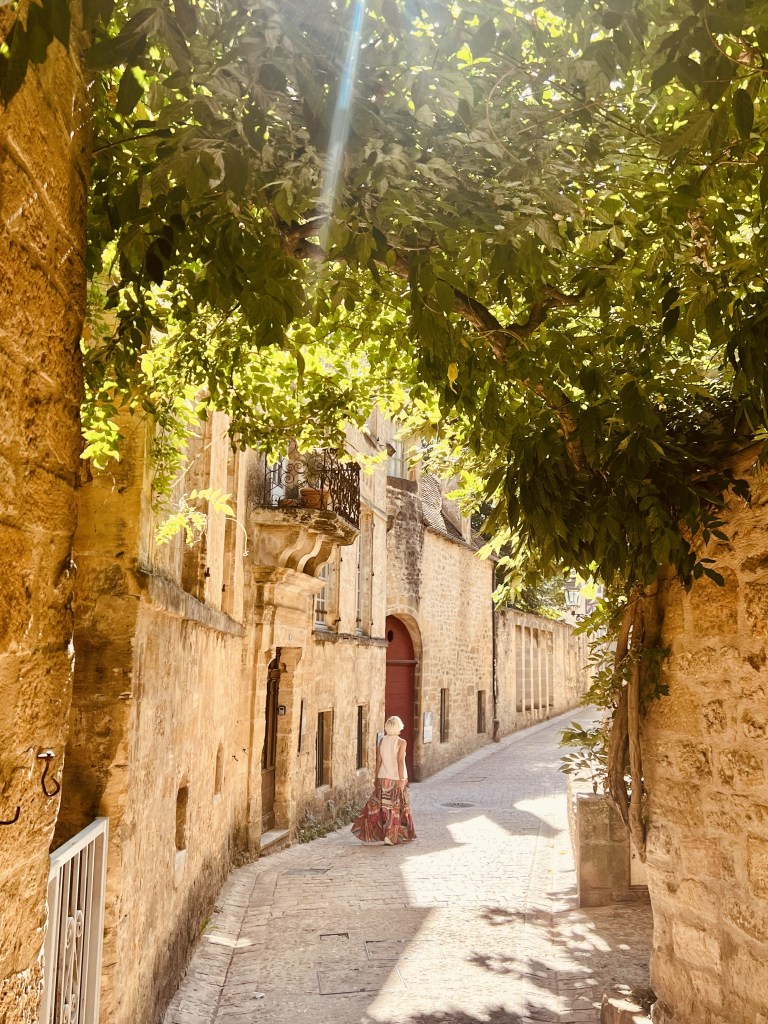
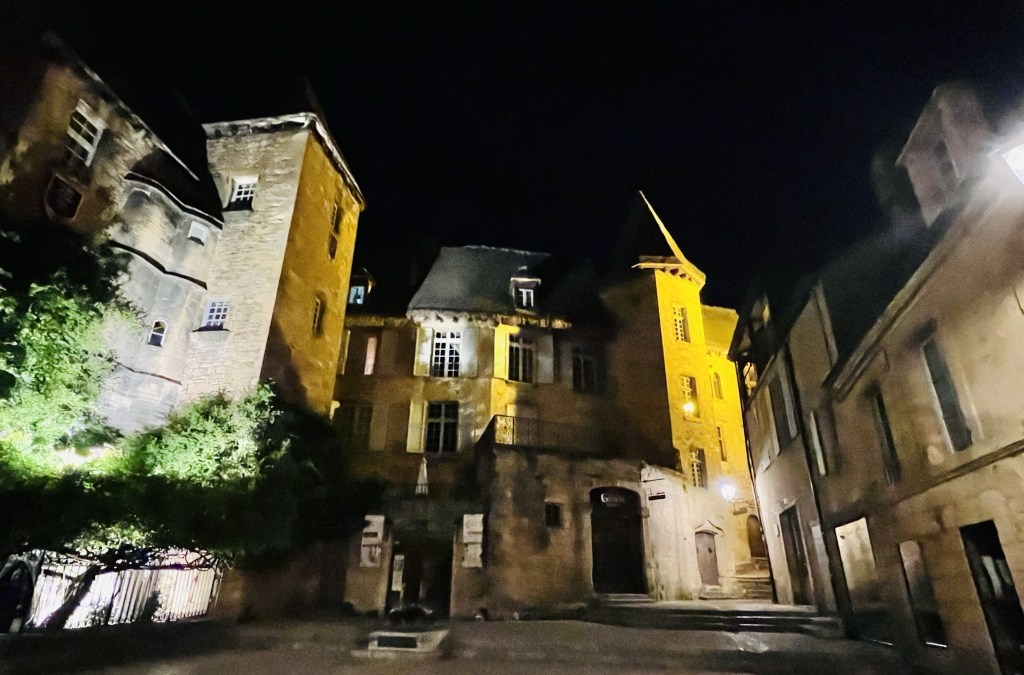




















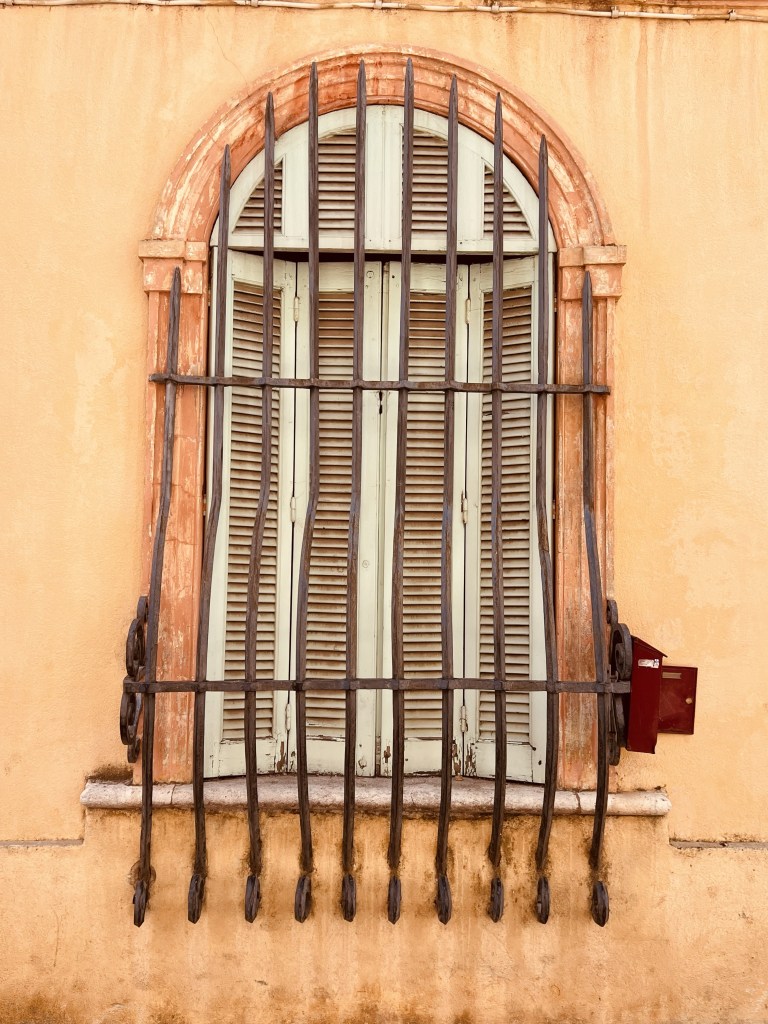
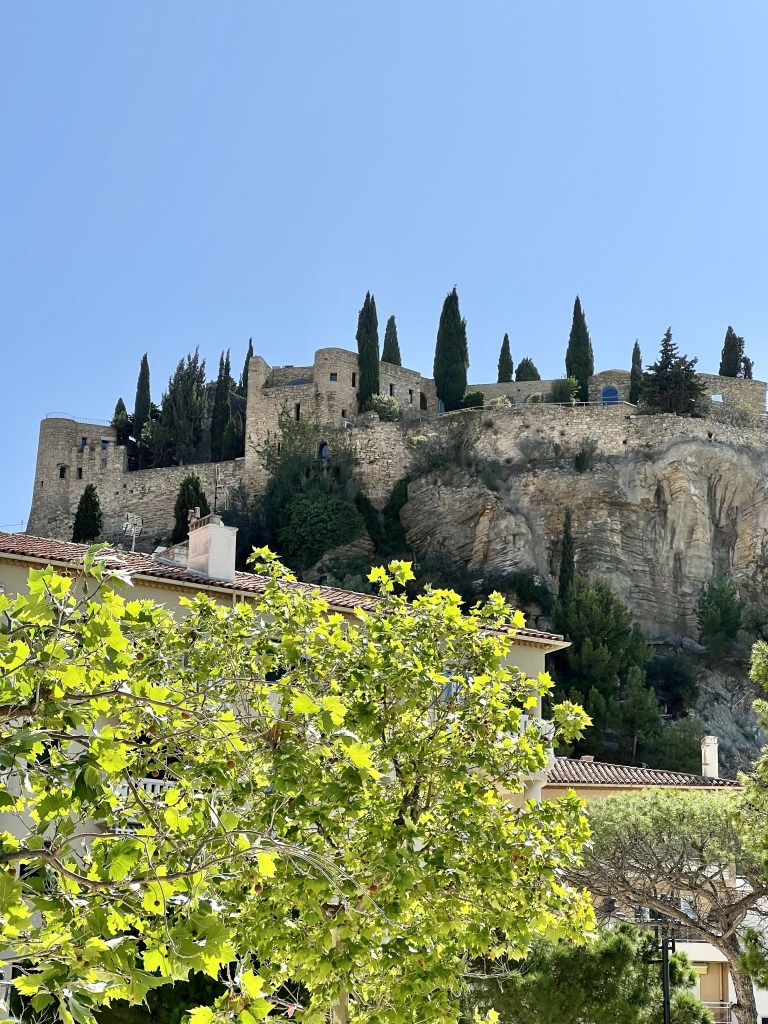
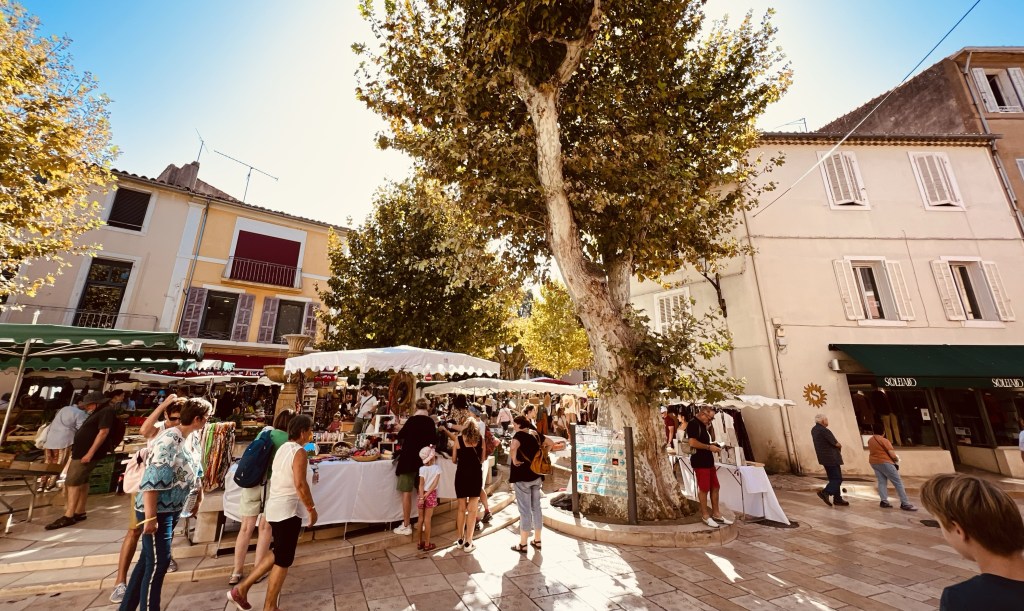


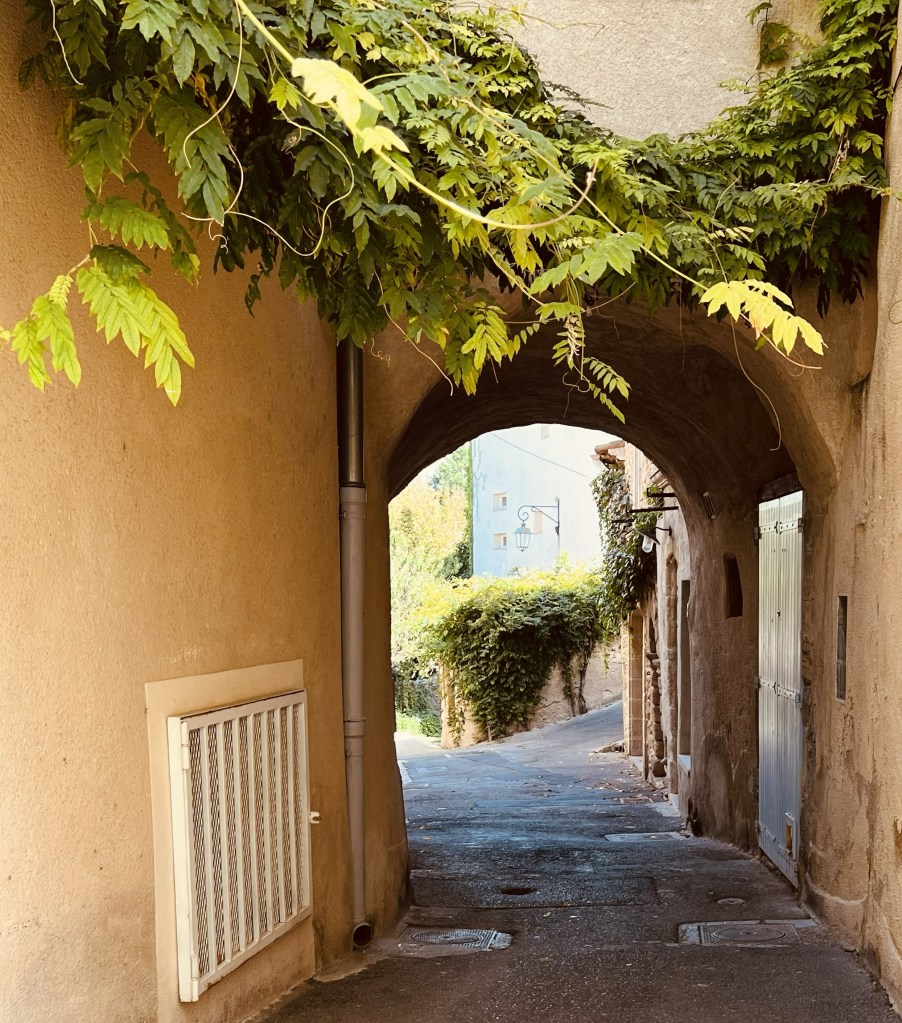























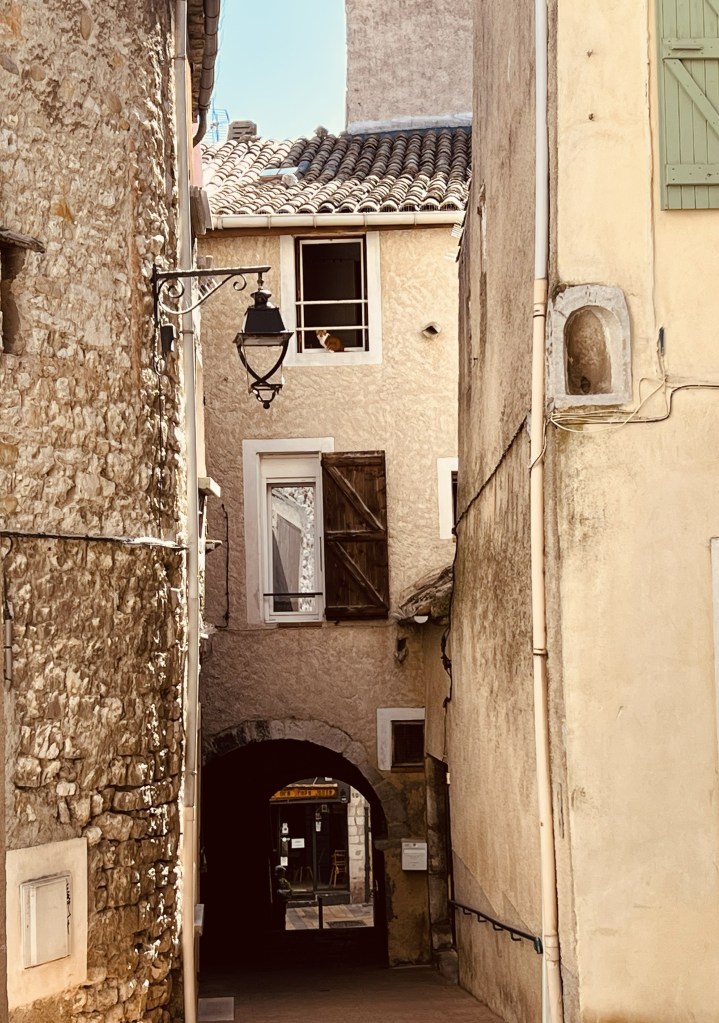
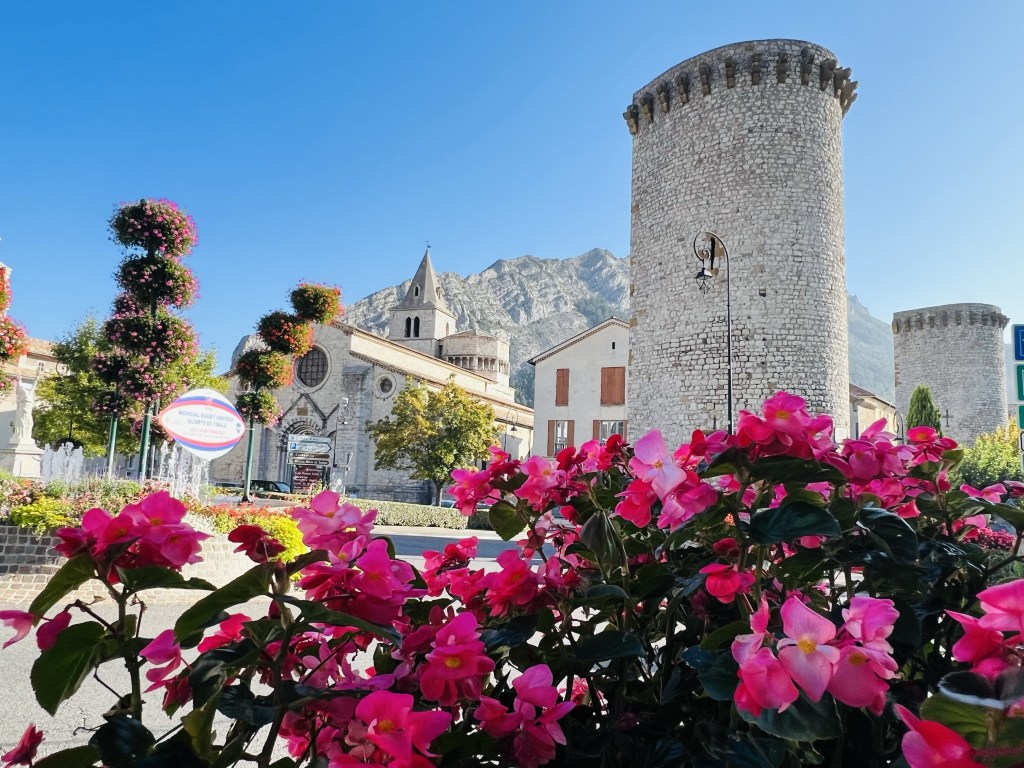
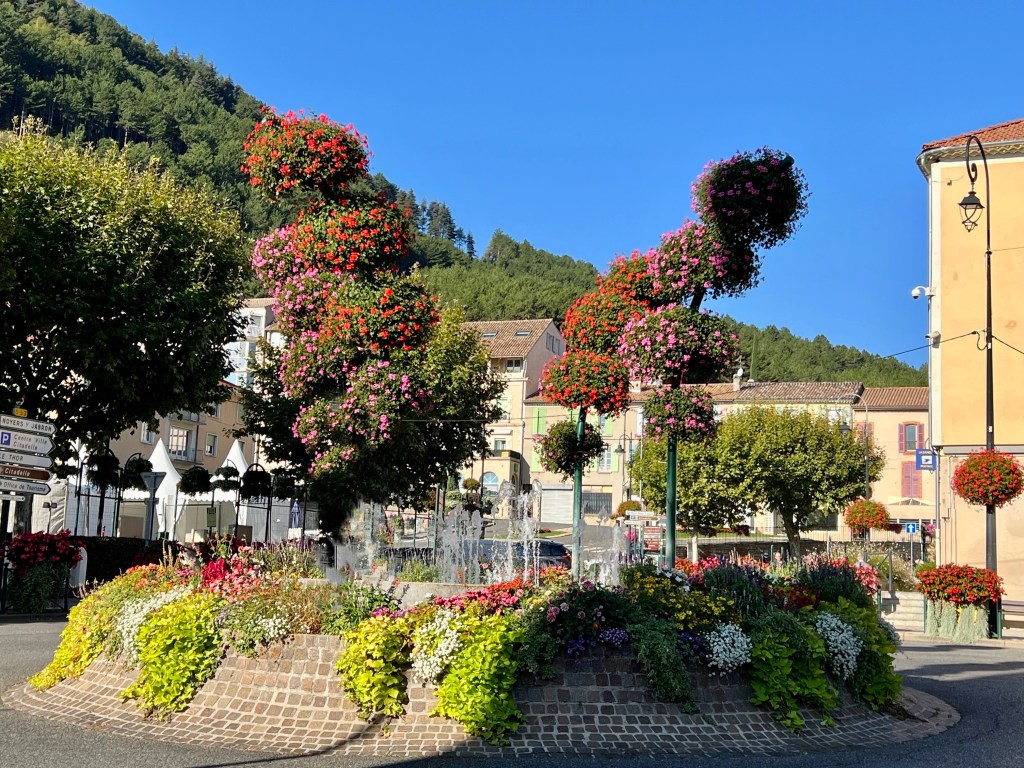
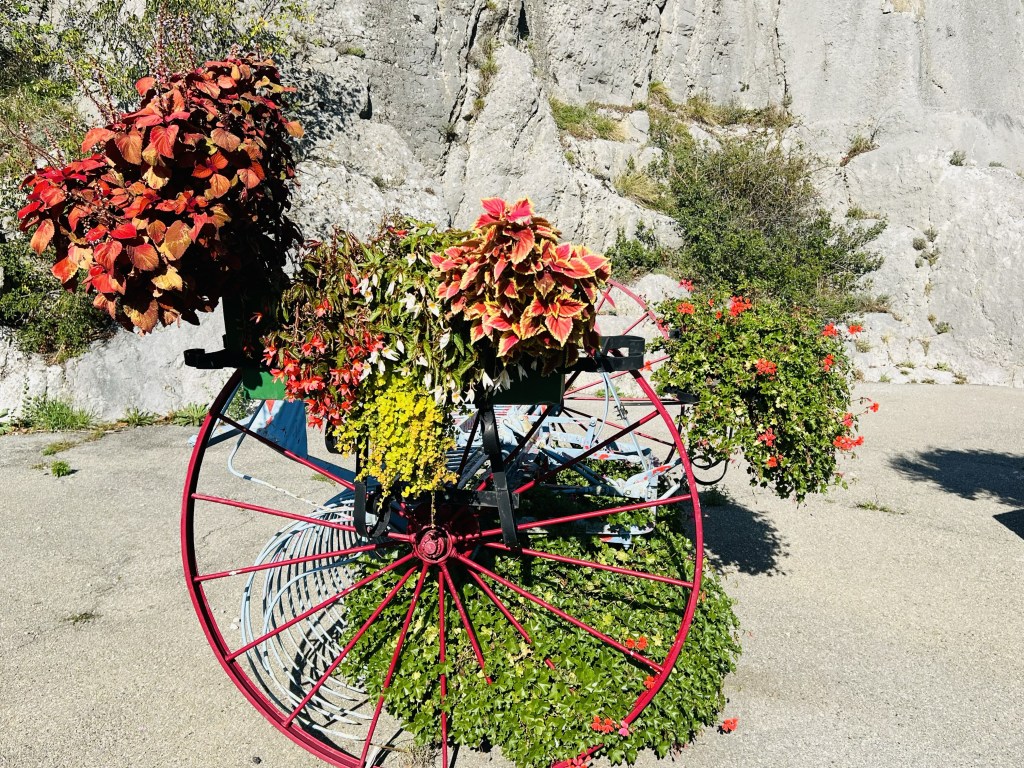






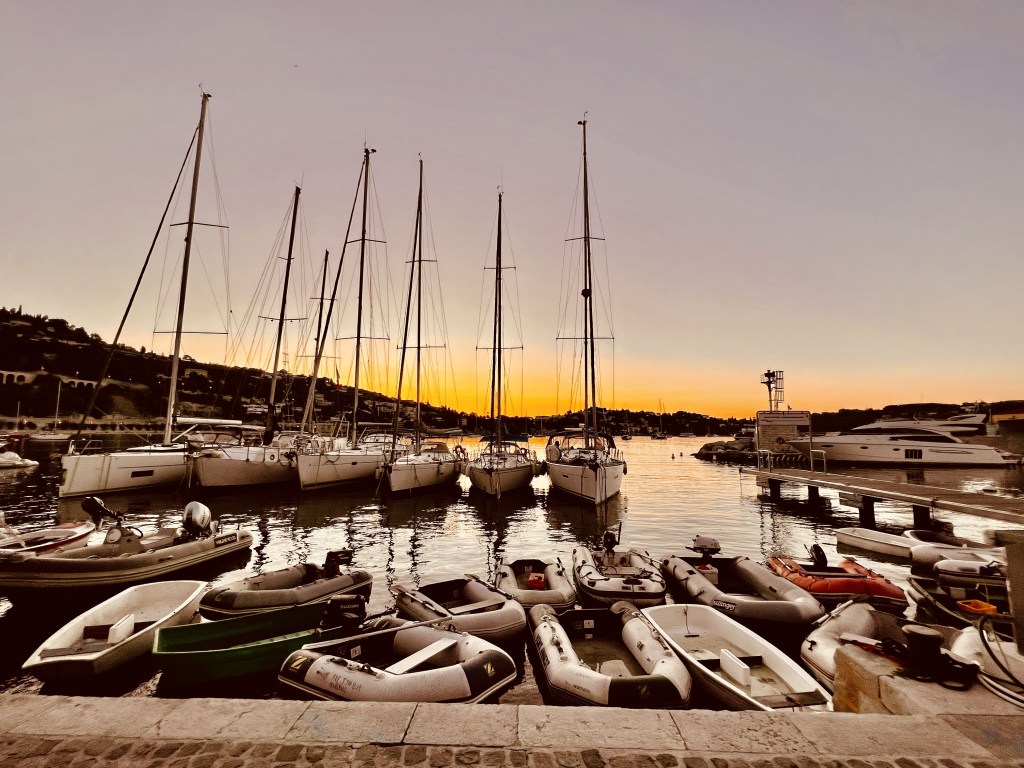
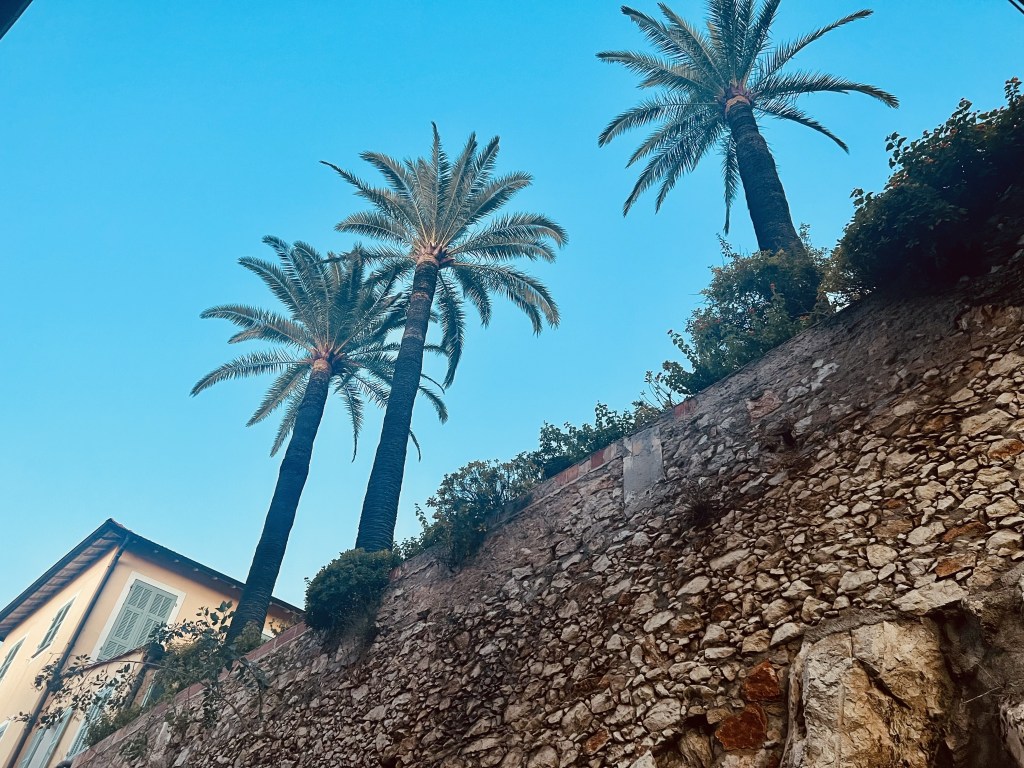
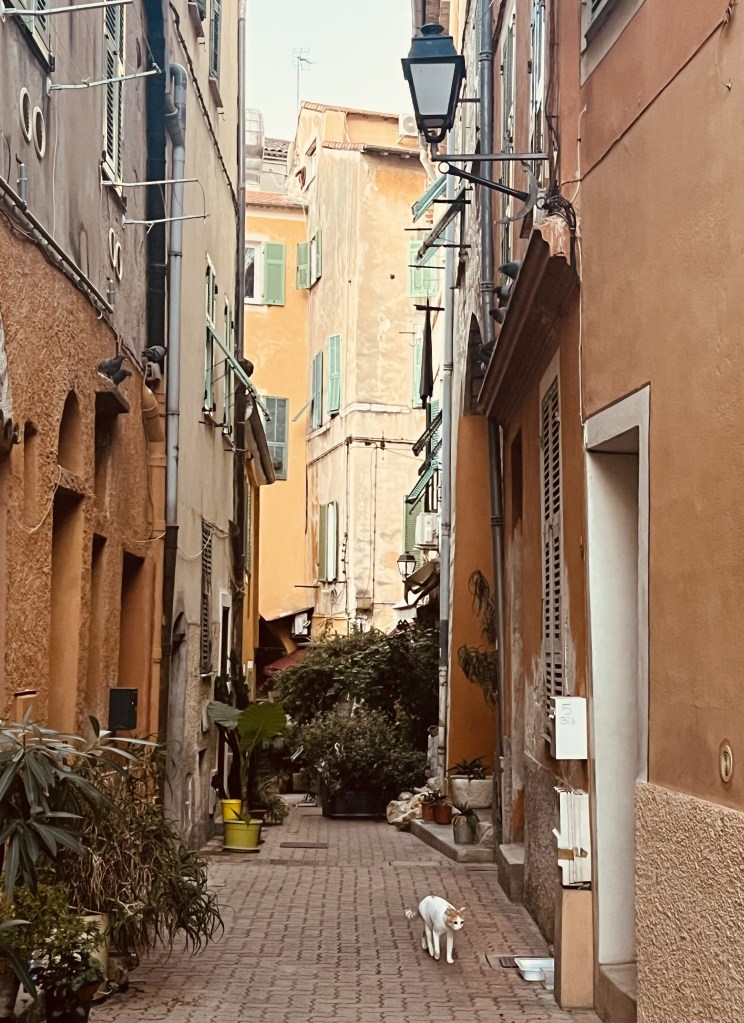
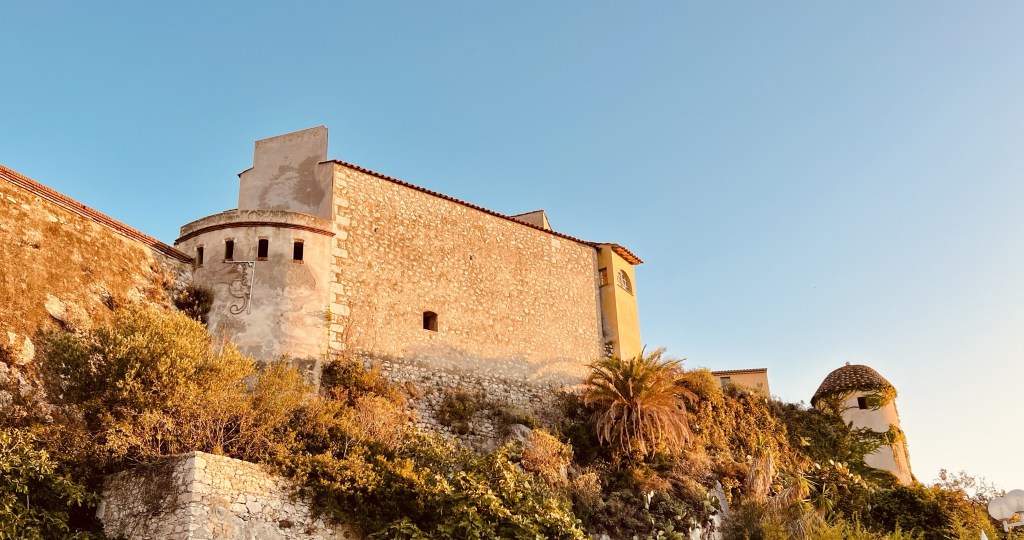



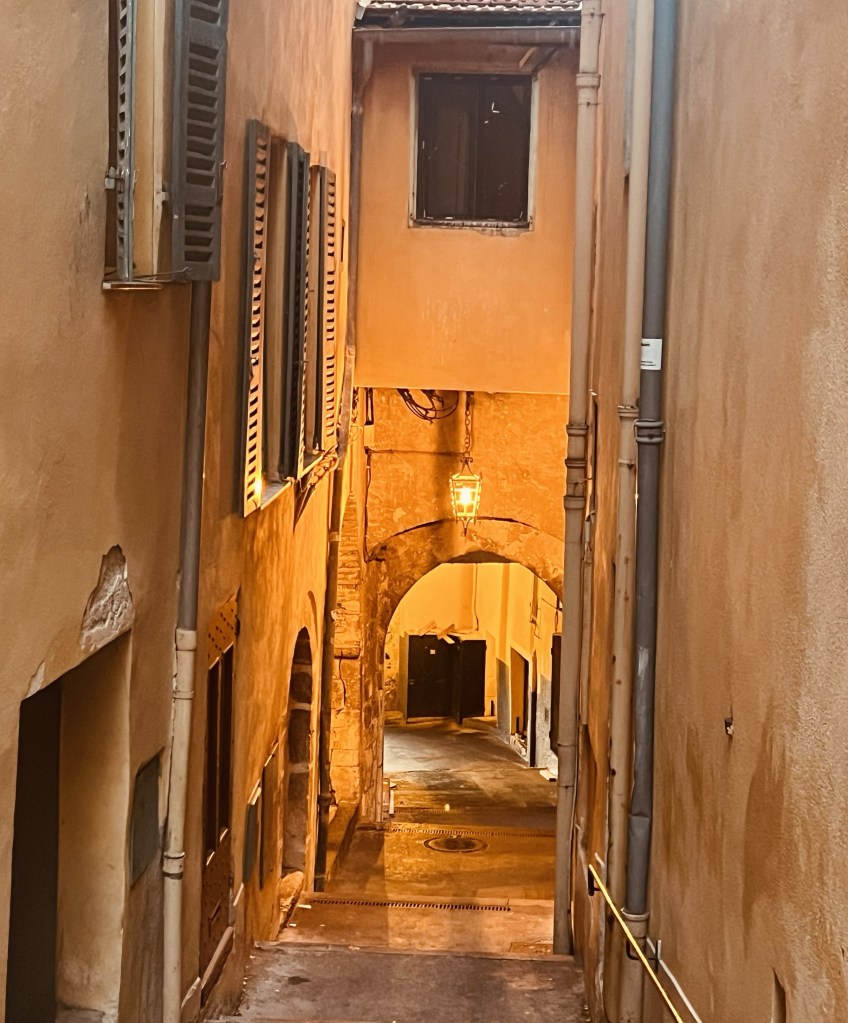

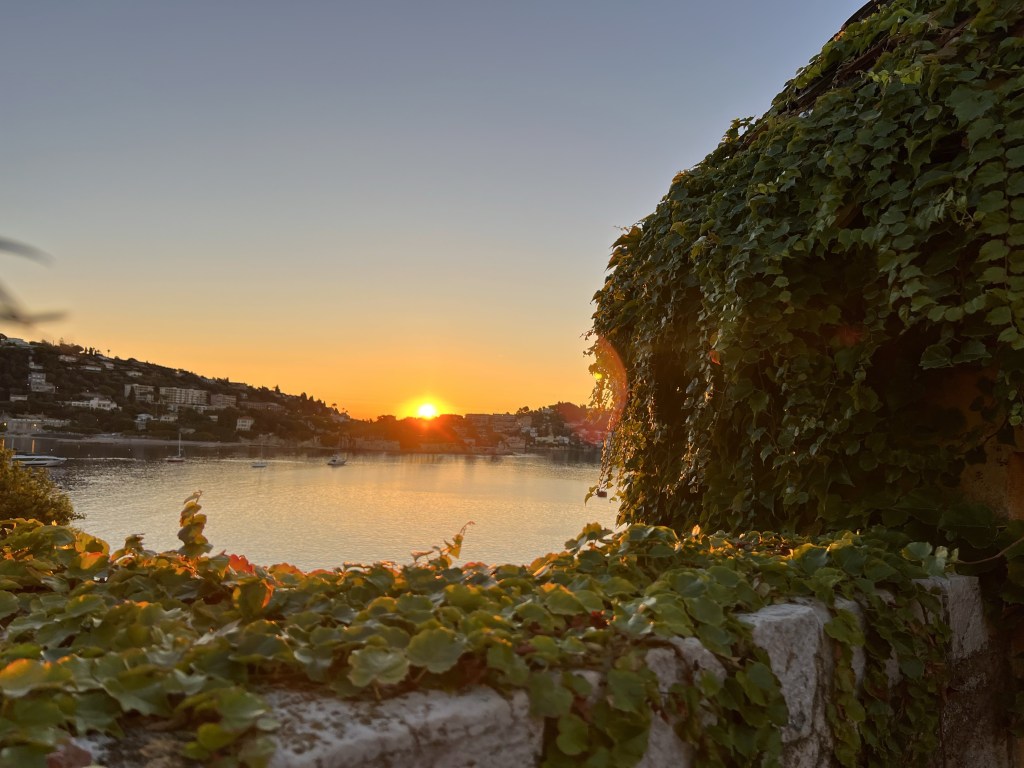
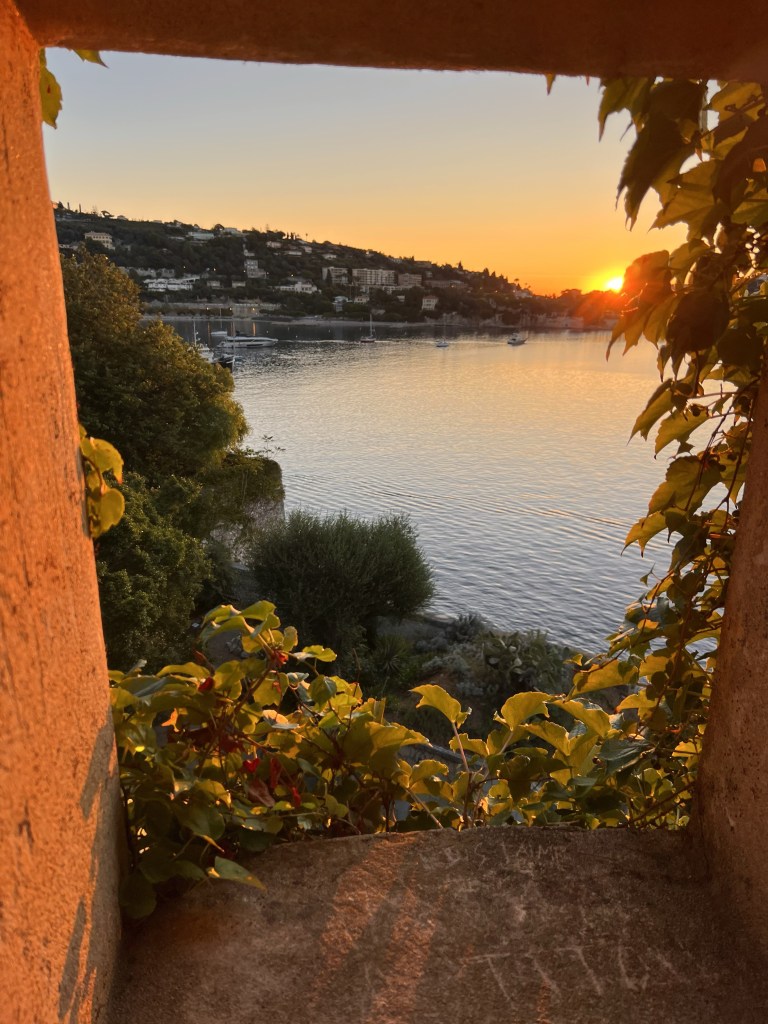
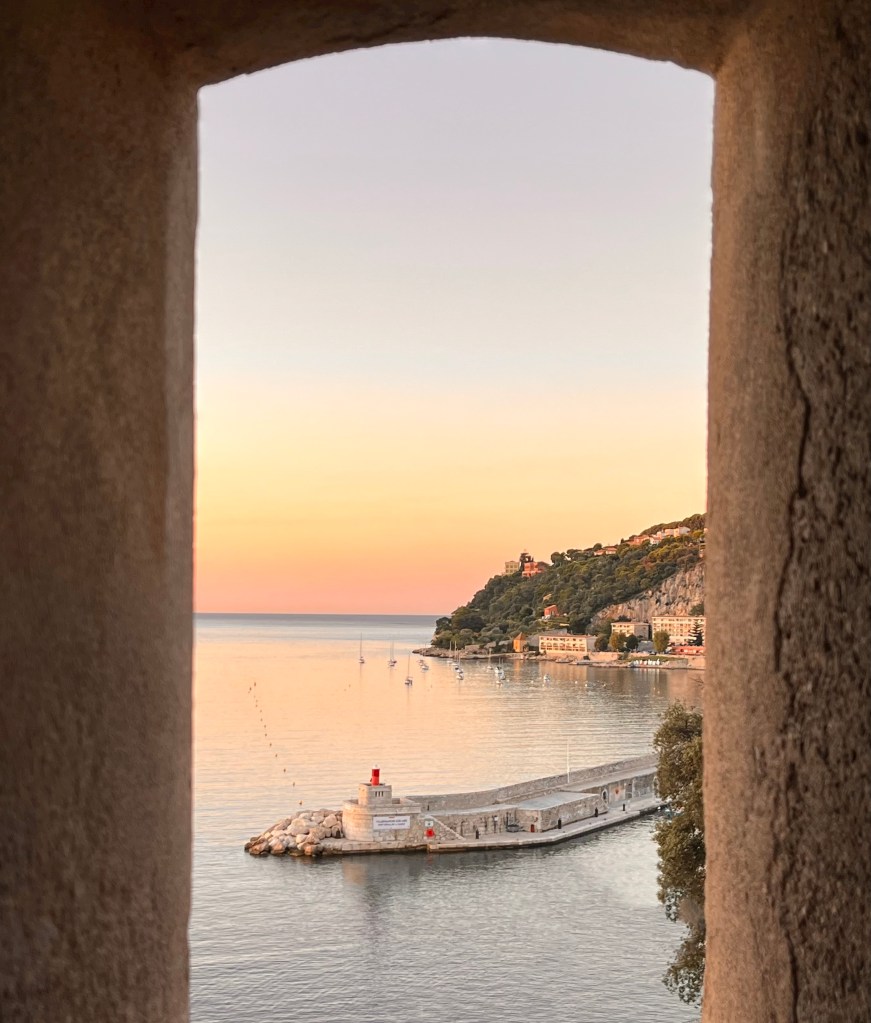


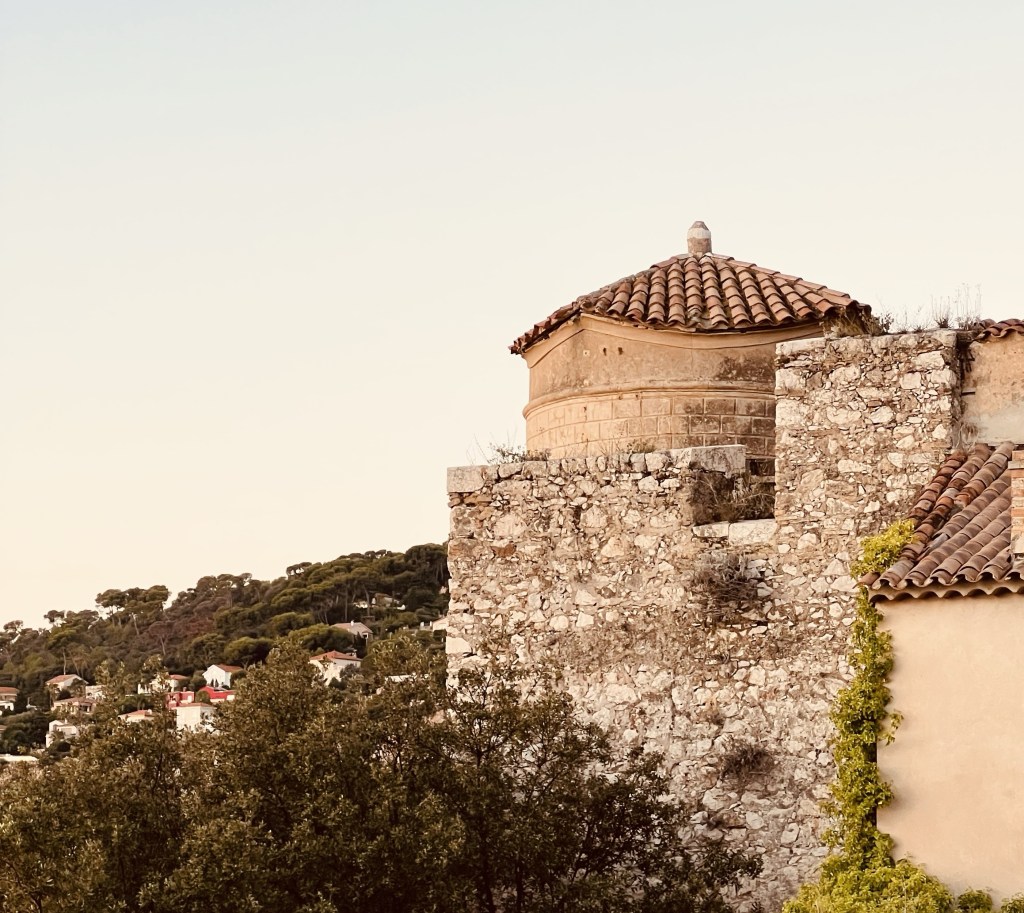
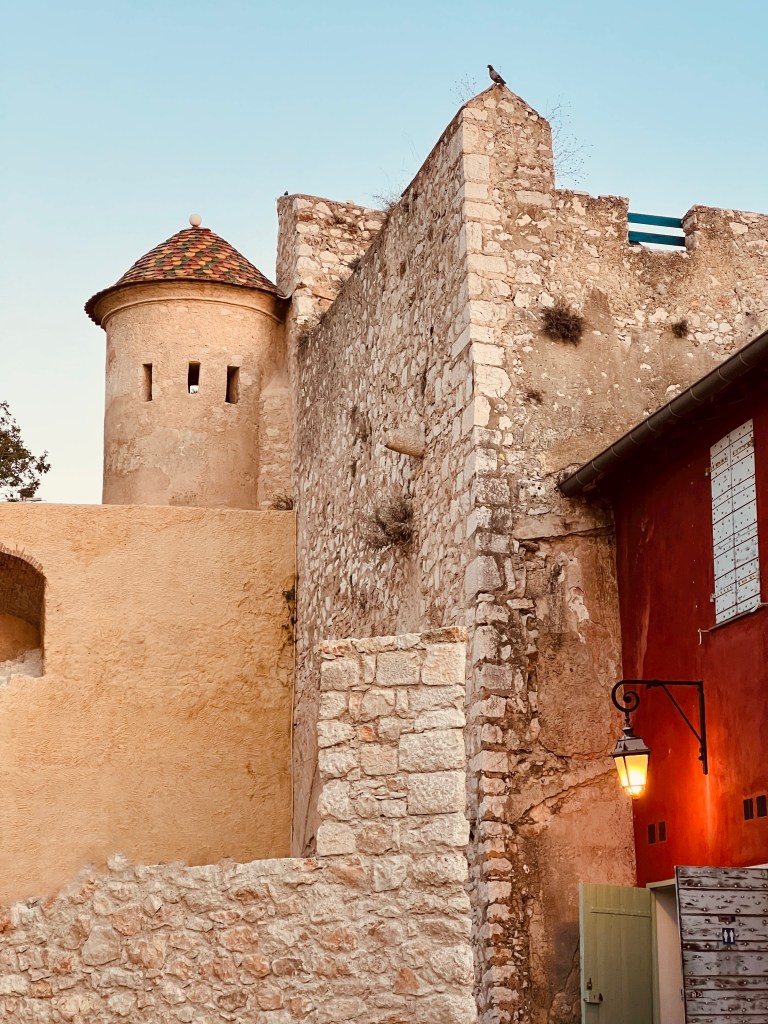
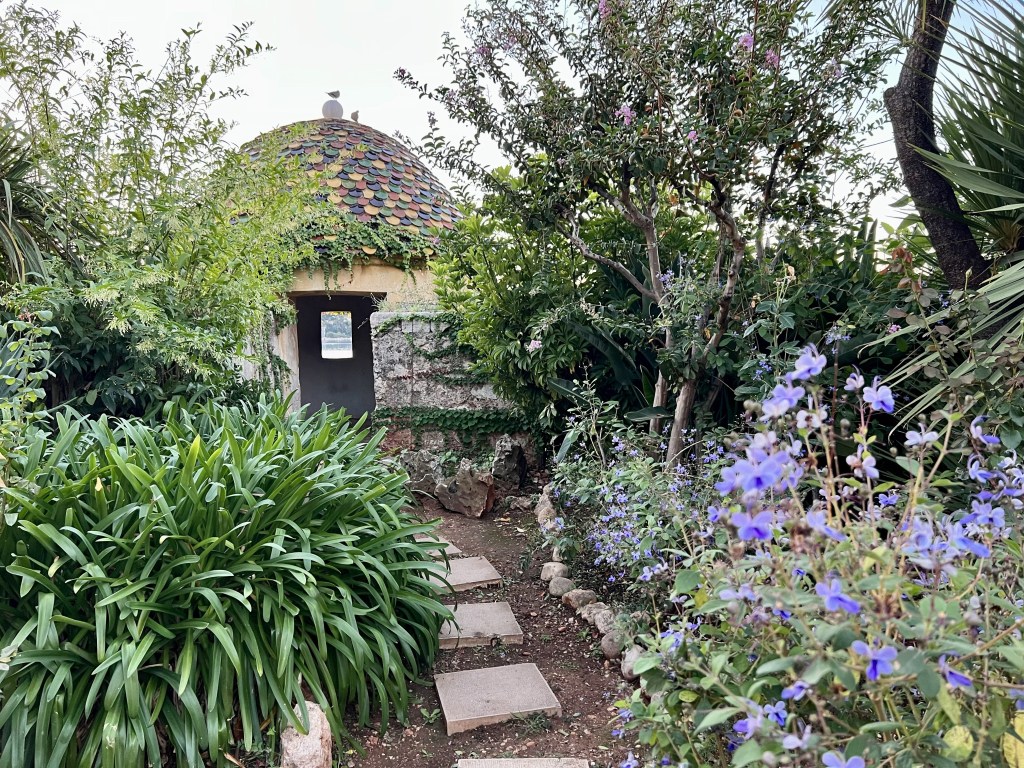
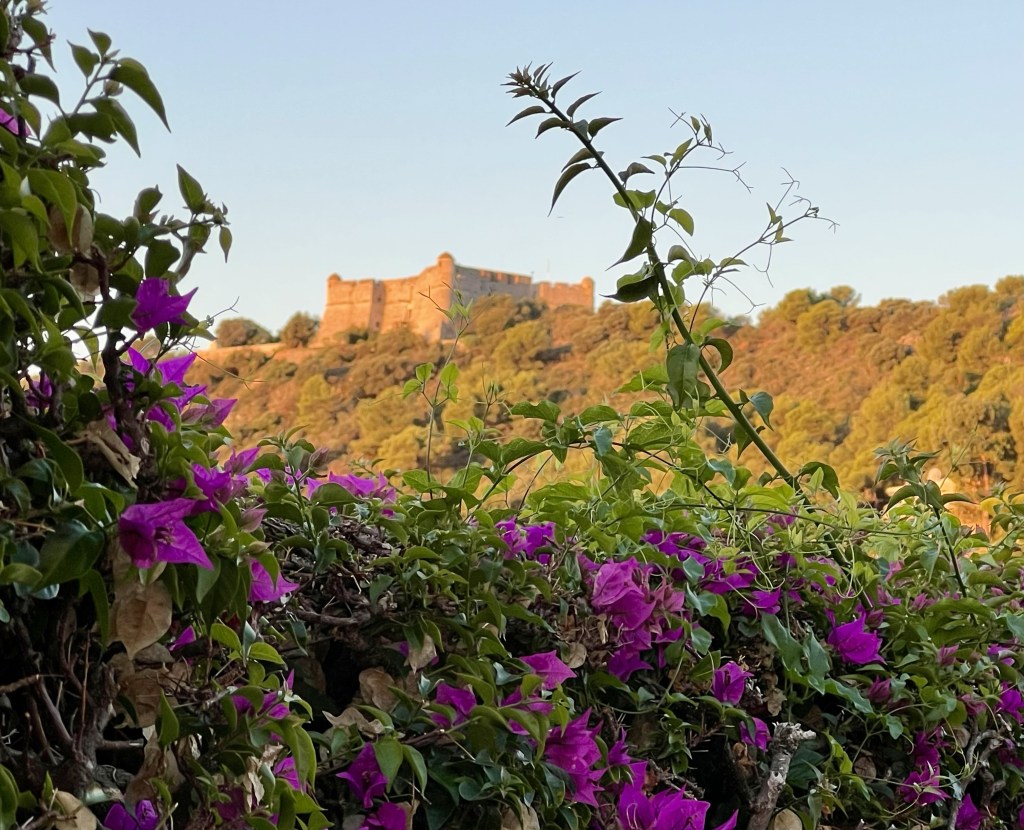
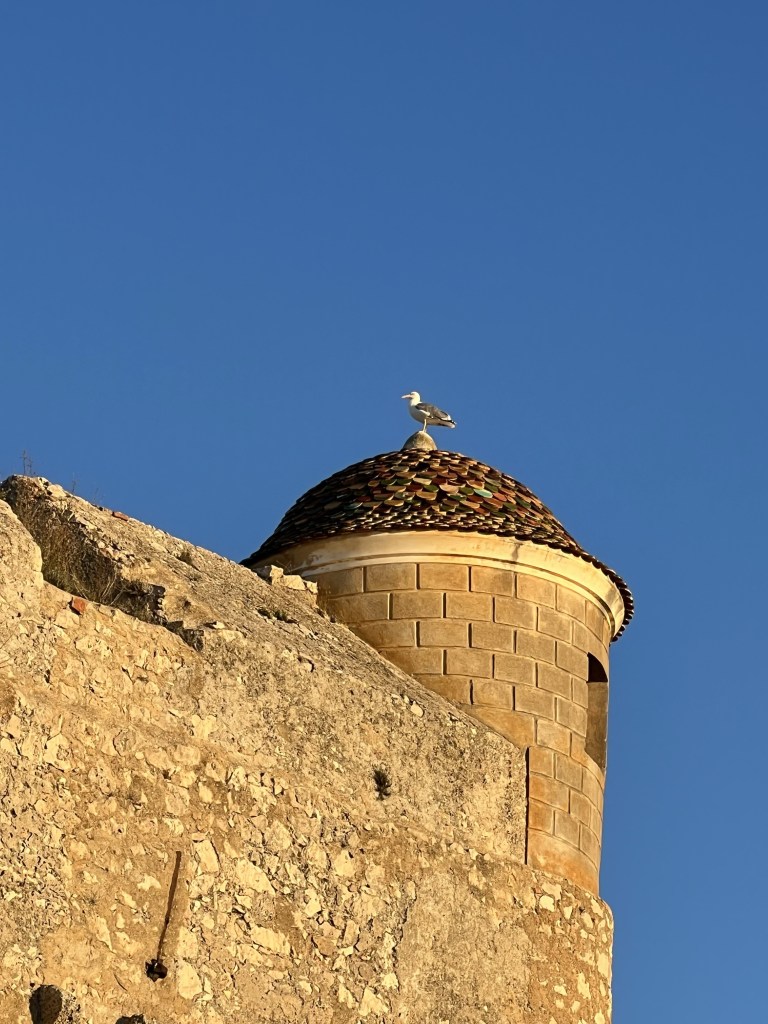
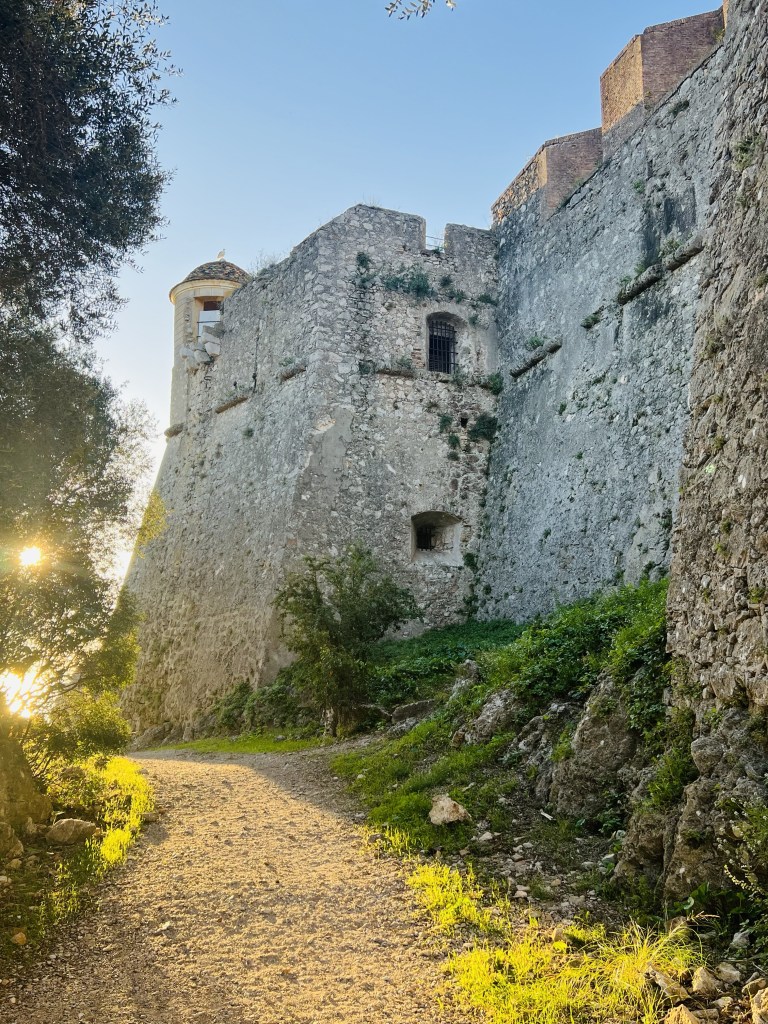
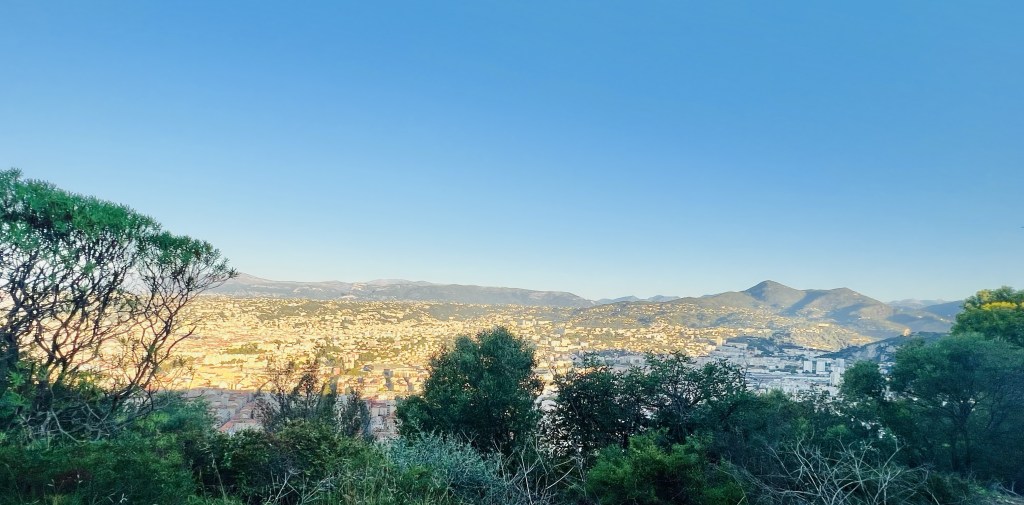
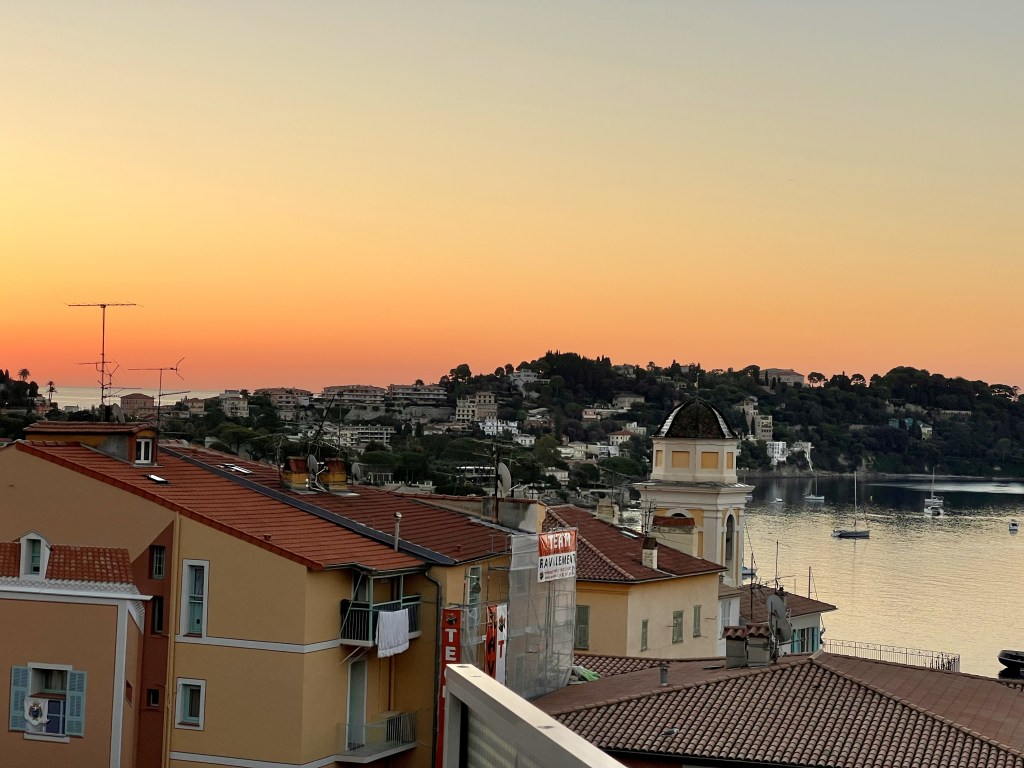





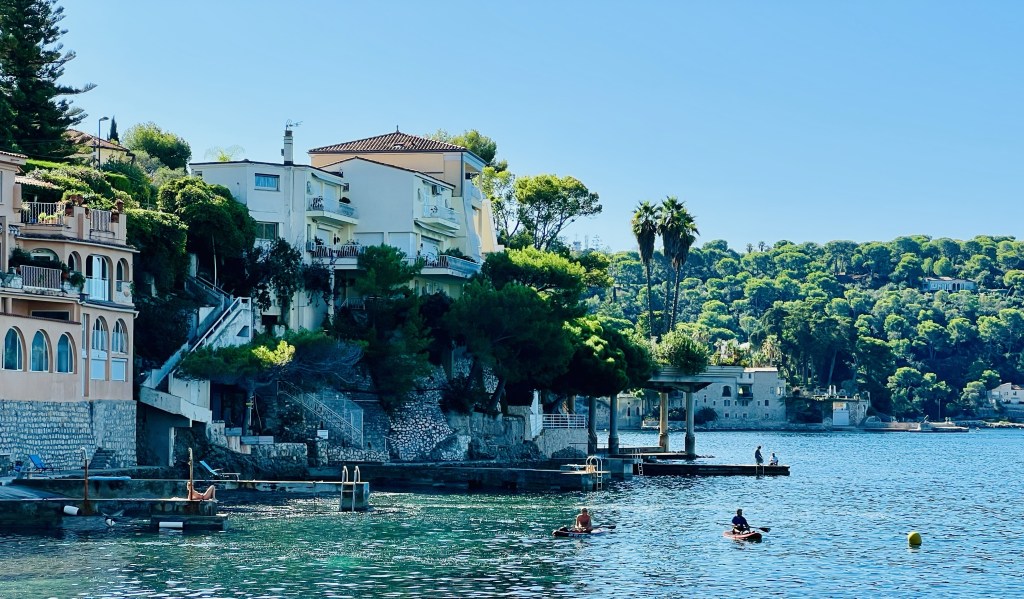
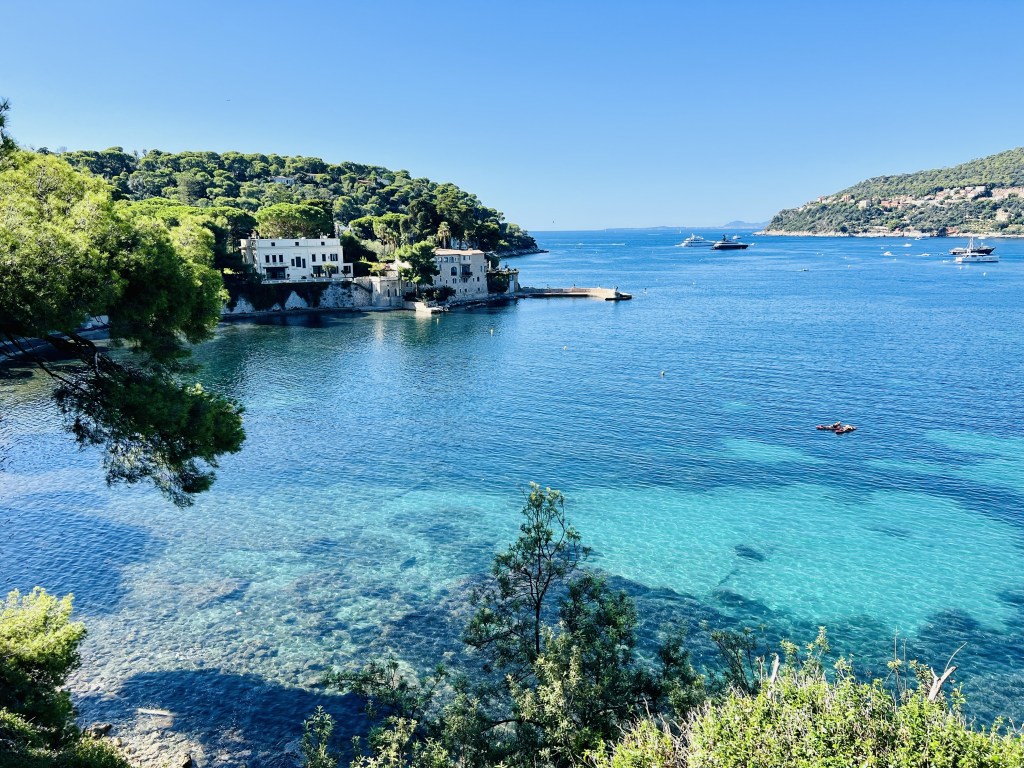

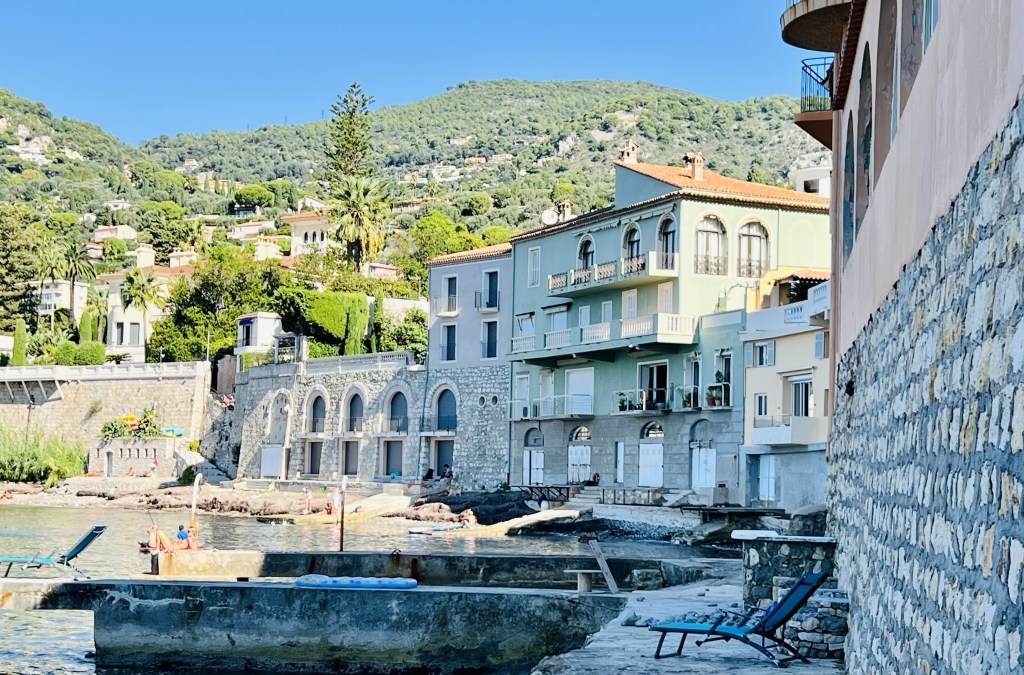








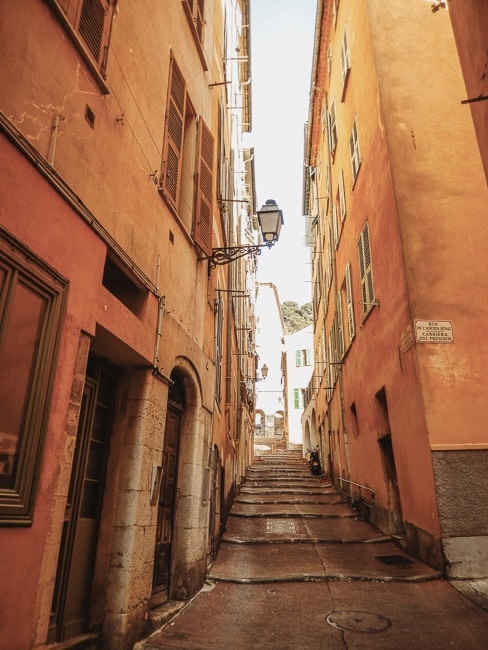
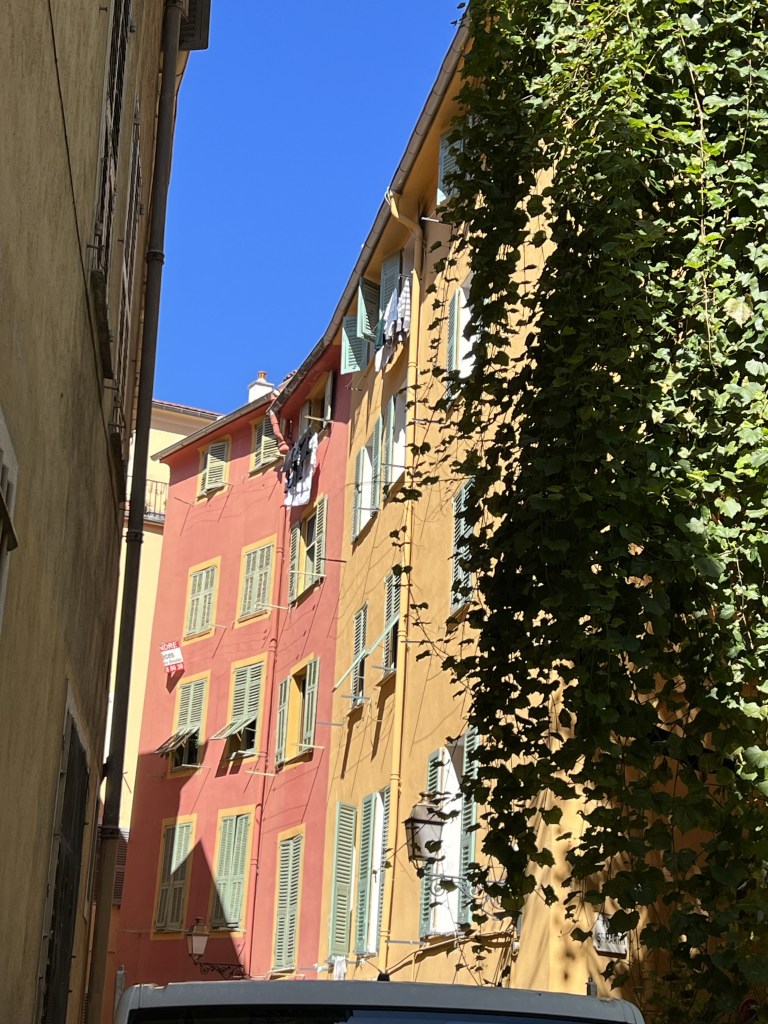
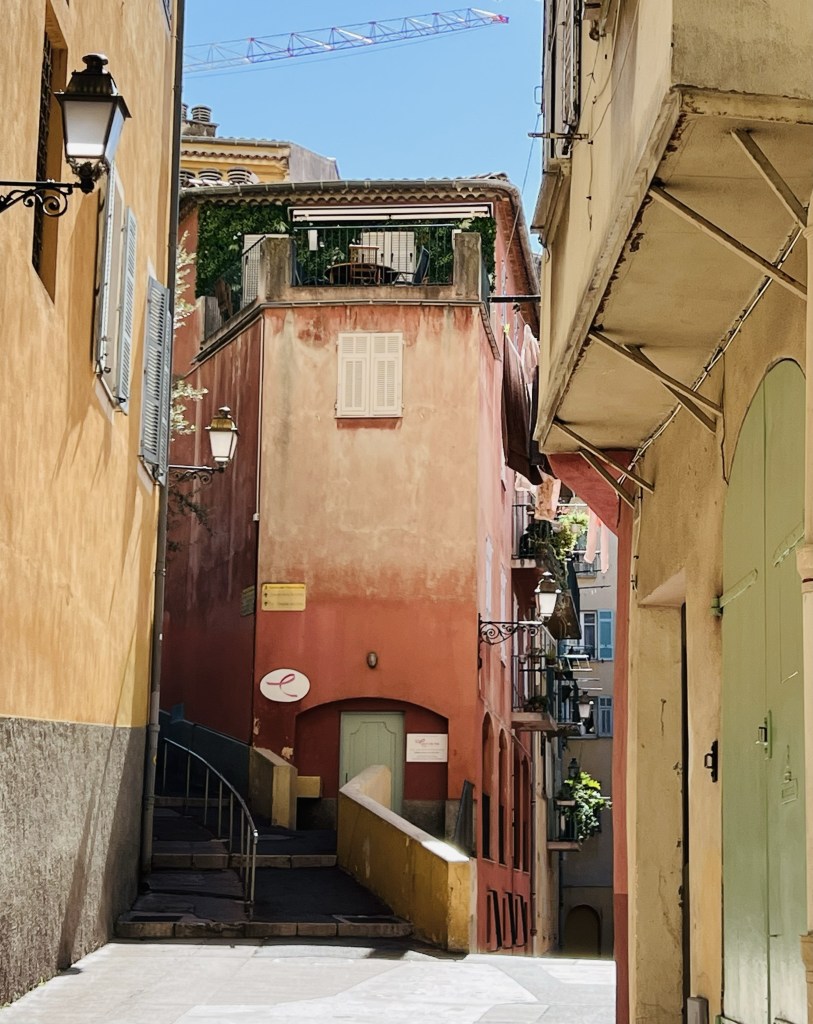

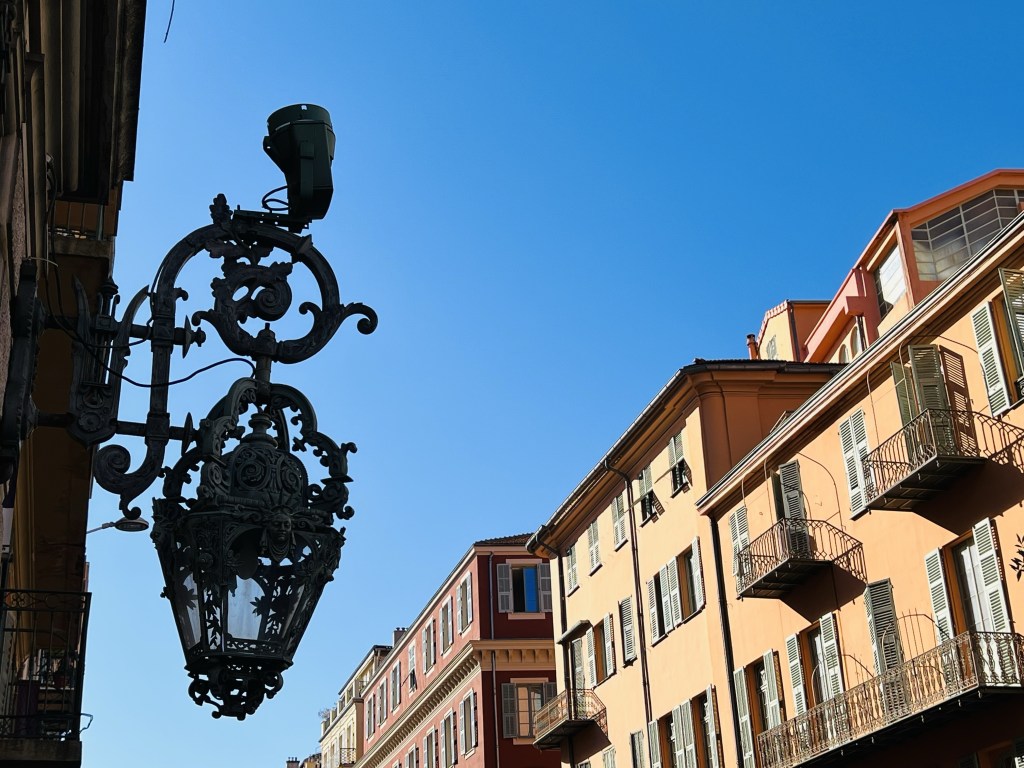







 And I think to myself what a wonderful world